
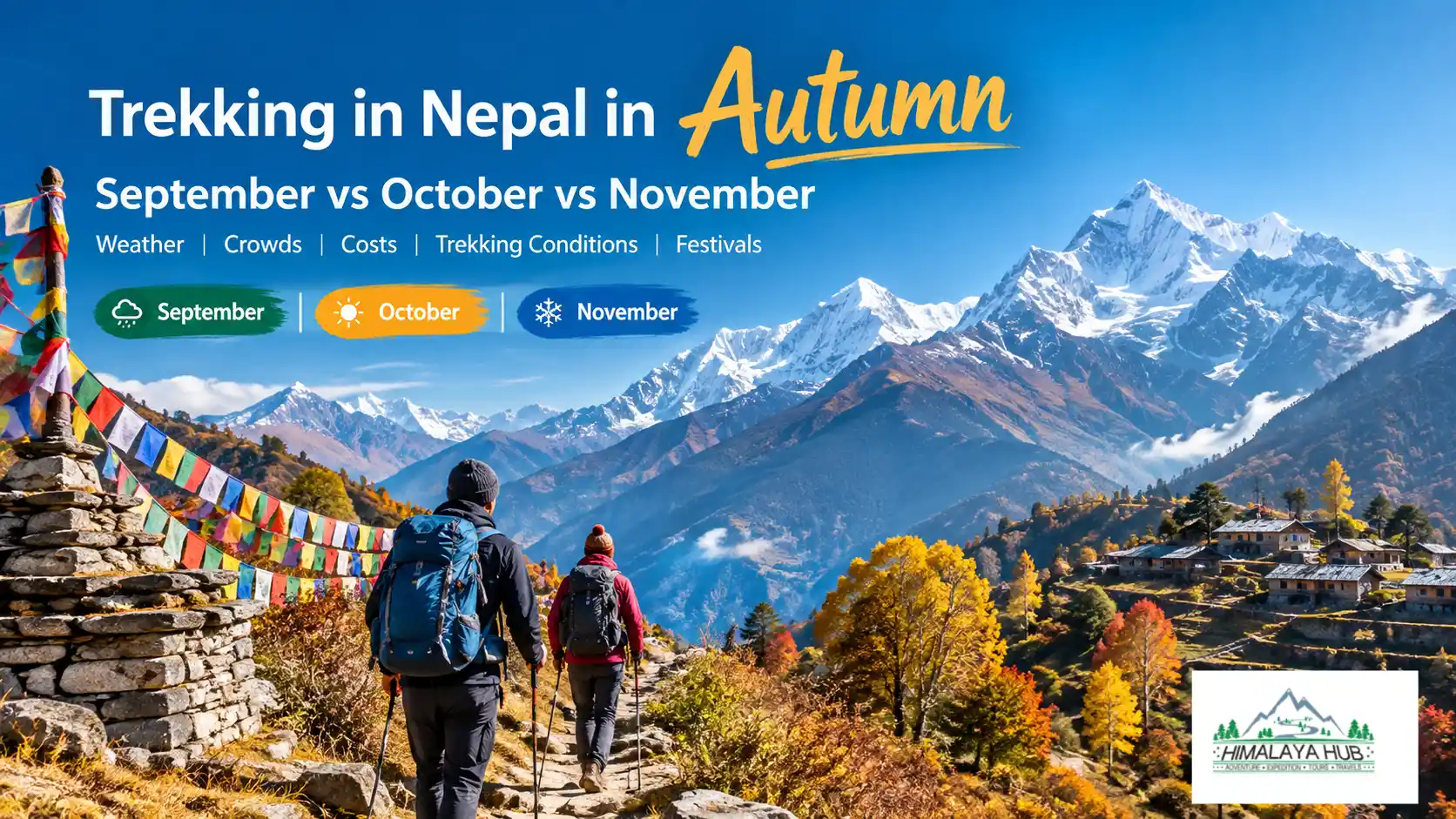

Trekking in Nepal in autumn is one of the best ways to experience the Himalayas. From September to November, the monsoon slowly fades, mountain views improve, and trekking trails become drier and more comfortable.
But the three autumn months are not exactly the same.
September can still have some rain, especially early in the month, but it offers fewer crowds and often lower prices. October usually brings the most stable weather and excellent mountain views, but it is also the busiest month. November has clear skies and quieter trails, while temperatures become colder at higher elevations.
So, which month is best for you?
This guide compares September, October, and November by weather, crowds, costs, trekking conditions, festivals, and popular routes. Whether you are planning Everest Base Camp, Annapurna, Manaslu, Langtang, or a short Himalayan trek, you can use this guide to choose the right month for your trip.
Why Autumn Is a Great Time for Trekking in Nepal
Autumn begins as the summer monsoon season comes to an end. Between September and November, rainfall generally decreases, the air becomes clearer, and mountain views become better.
October and November are usually the most popular months for trekking because of their stable conditions. September can be more changeable, especially during the first half of the month.
Autumn also brings a different side of Nepal to the trail. Instead of the red and orange colors often associated with autumn in other countries, you will see green hills, golden rice fields, traditional villages, and snow-covered Himalayan peaks.
The season also overlaps with major Nepalese festivals such as Dashain and Tihar. Depending on your travel dates, you may see local celebrations, decorated homes, and busy village markets along the way.
One thing to remember is that trekking rules and permit requirements depend on your route. Several major trekking routes currently require a licensed guide and agency-issued TIMS, while restricted areas have additional permits. Always check the latest requirements before your trek.
September vs October vs November: Quick Comparison
Here is a simple overview to help you choose:
| Factor | September | October | November |
| Weather | Improving; early month can be wet | Generally the most stable | Clear and dry, but colder |
| Rain | Moderate risk early in the month | Usually low | Very low |
| Crowds | Low to medium | High | Medium early, lower later |
| Mountain Views | Improve as the month progresses | Excellent | Excellent |
| Trail Conditions | Can be wet early | Usually dry | Usually dry |
| Temperature | Warmer | Comfortable | Colder at altitude |
| Cost | Often more affordable | Highest demand | Mid-range |
| Best For | Budget and quieter trails | Best overall weather | Clear views and fewer crowds |
Which Month Should You Choose?
- Choose September if you want fewer people and are comfortable with some early-season rain.
- Choose October if clear mountain views and stable weather are your top priorities.
- Choose November if you prefer quieter trails and do not mind colder nights.
10 Best Treks in Nepal in Autumn
Autumn works well for both short and long treks. The best choice depends on your fitness, available time, preferred scenery, and comfort with altitude.
1. Everest Base Camp Trek in Autumn
- Highest point: 5,364 m at Everest Base Camp
- Difficulty: Moderate to challenging
- Duration: 12–15 days
- Best for: First-time Himalayan trekkers and classic Everest views
The Everest Base Camp Trek takes you through Sherpa villages, suspension bridges, Buddhist monasteries, and dramatic mountain valleys.
Autumn is popular for this trek because the improving visibility gives you excellent views of Everest, Lhotse, Nuptse, Ama Dablam, and other Himalayan peaks.
October is usually the busiest period, while late September and November can offer a quieter trail.

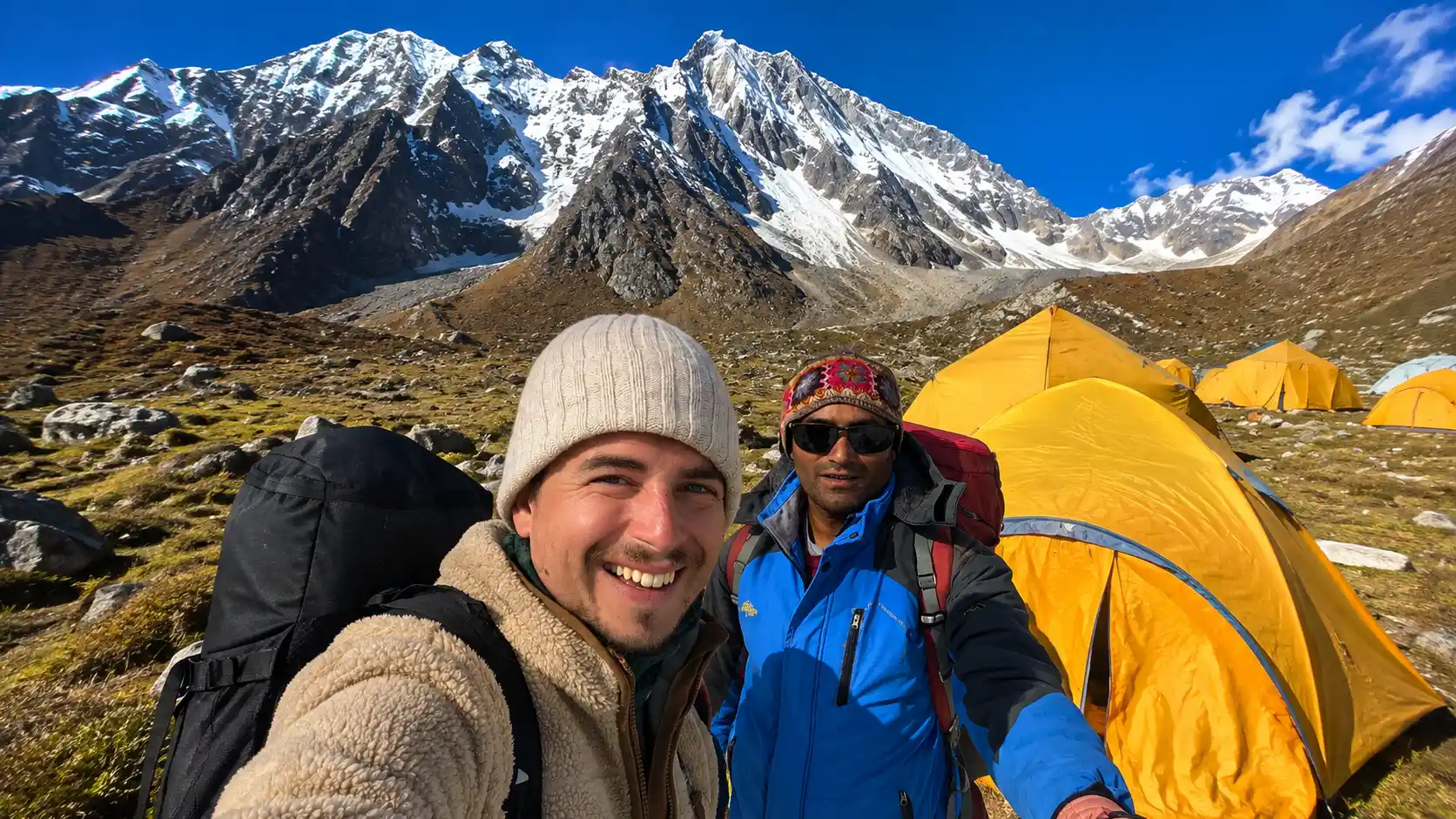
2. Annapurna Circuit Trek in Autumn
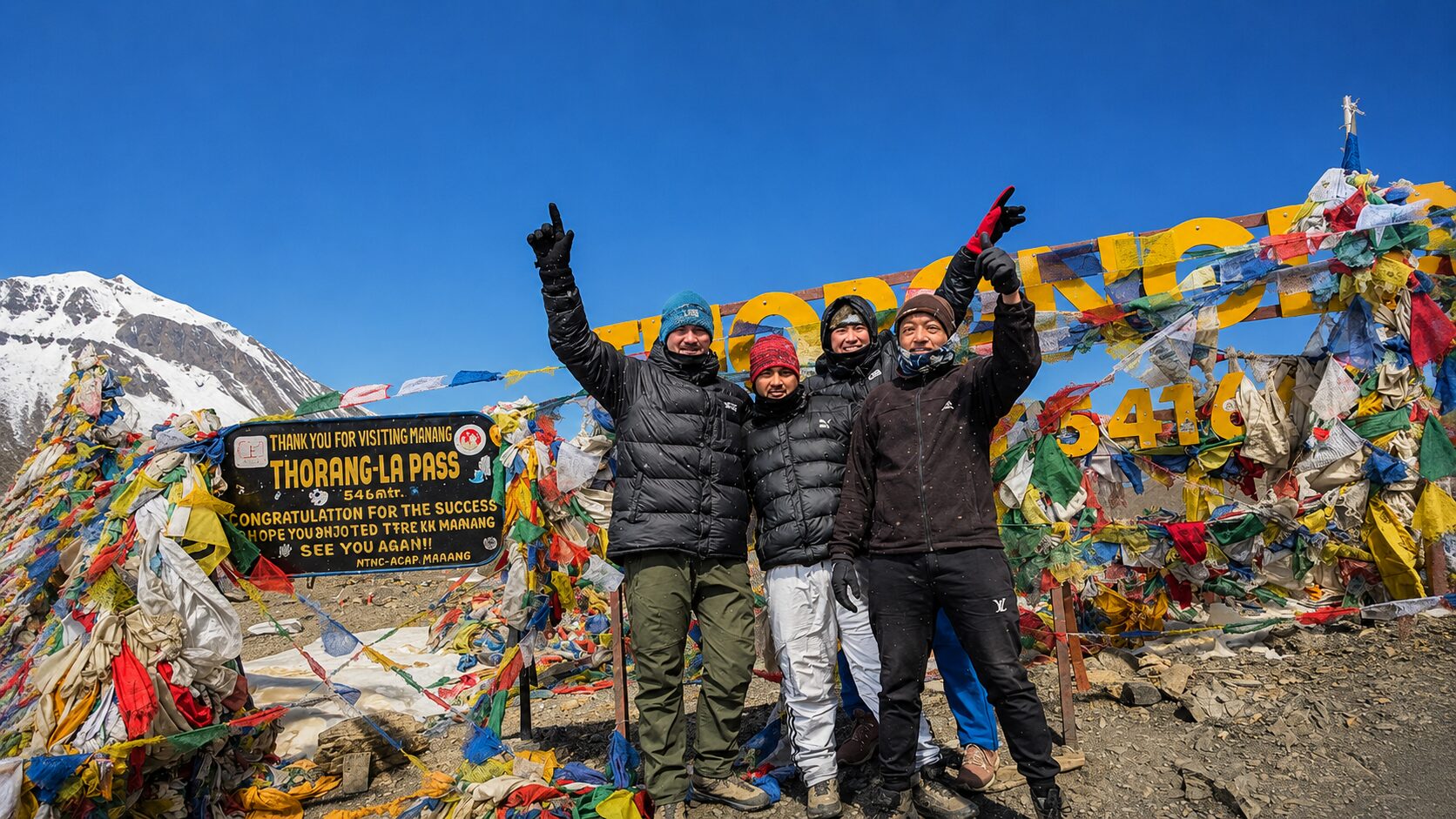
- Highest point: 5,416 m at Thorong La Pass
- Difficulty: Moderate to challenging
- Duration: 12–21 days
- Best for: High passes, changing landscapes, and cultural experiences
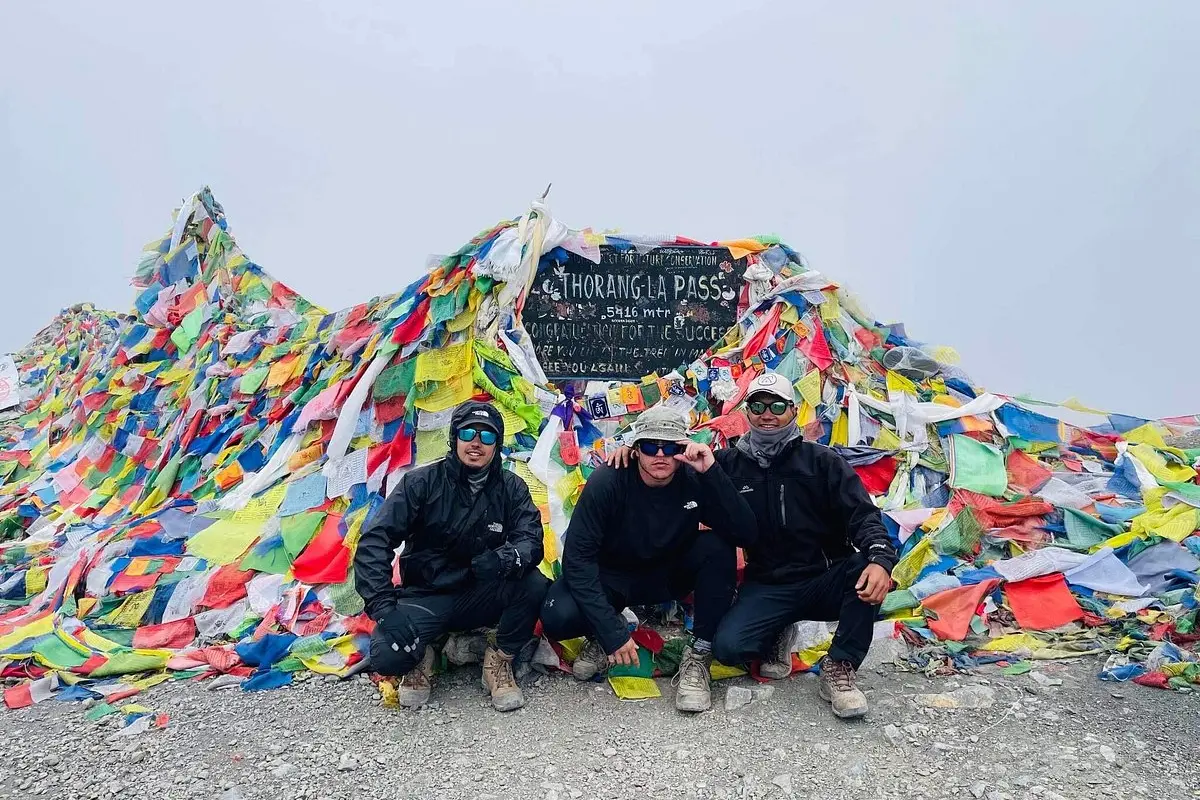
The Annapurna Circuit is known for its huge variety of landscapes. The trail moves from green valleys and forests to high alpine terrain and the dry landscapes around Mustang.
The highlight is crossing Thorong La Pass at 5,416 m. Autumn generally offers good conditions for the pass, although high-altitude weather can change quickly.
3. Annapurna Base Camp Trek in Autumn
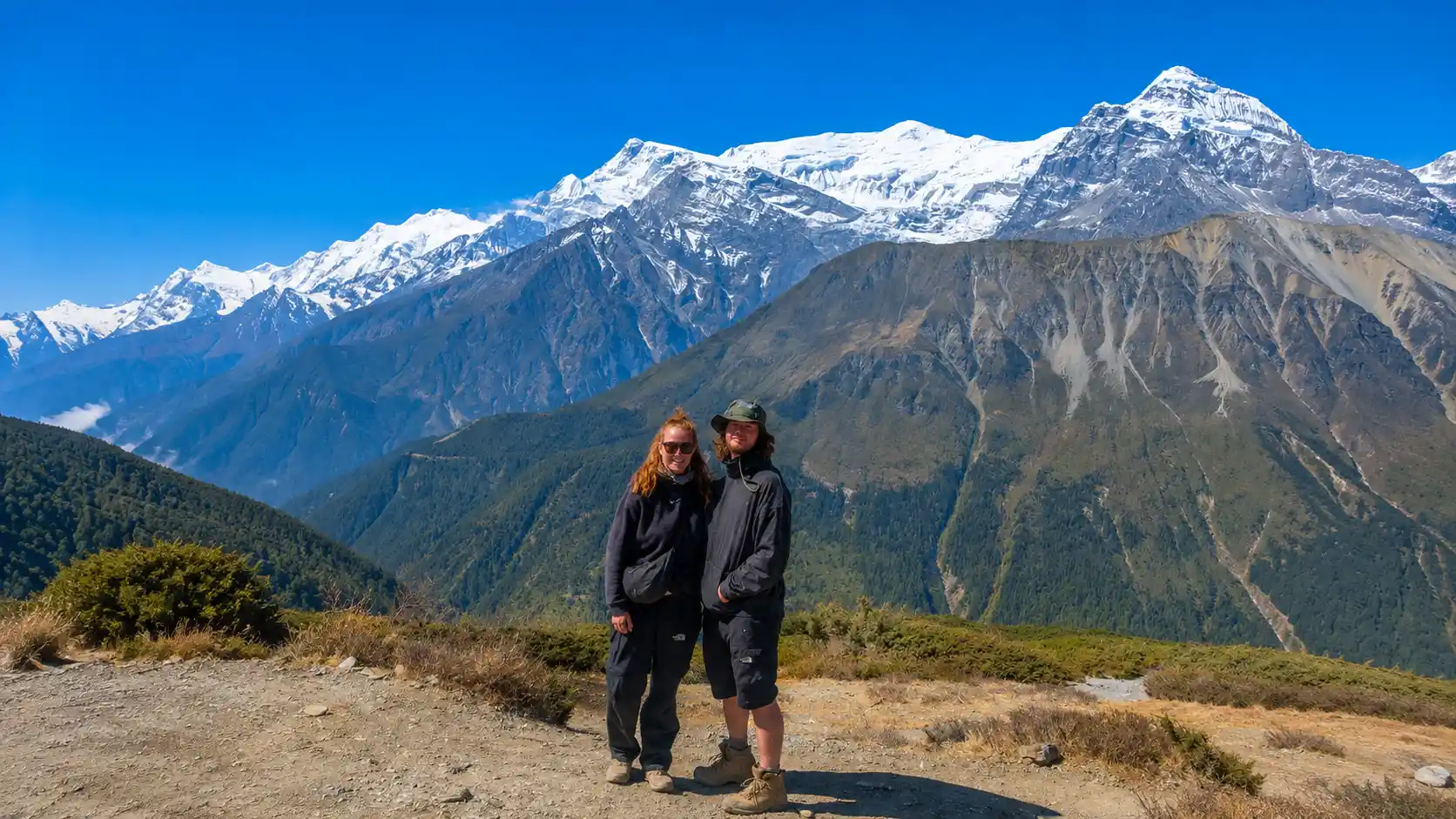
- Highest point: 4,130 m
- Difficulty: Moderate
- Duration: 7–12 days
- Best for: Shorter Himalayan adventures and first-time trekkers
The Annapurna Base Camp Trek is a good choice if you want impressive mountain scenery without spending several weeks on the trail.
The route passes through forests, terraced hills, villages, and alpine landscapes before reaching the natural mountain amphitheater of Annapurna Base Camp.
4. Langtang Valley Trek in Autumn
- Highest point: Around 3,870 m
- Difficulty: Easy to moderate
- Duration: 7–12 days
- Best for: Short trips and travelers who want a trek closer to Kathmandu
Langtang Valley combines mountain scenery with Tamang culture. You pass through forests, villages, alpine meadows, and rugged Himalayan landscapes.
Its relatively easy access from Kathmandu makes it a practical choice for travelers with limited time.

5. Manaslu Circuit Trek in Autumn
- Highest point: 5,106 m at Larkya La Pass
- Difficulty: Challenging
- Duration: 12–16 days
- Best for: Experienced trekkers and travelers looking for quieter trails
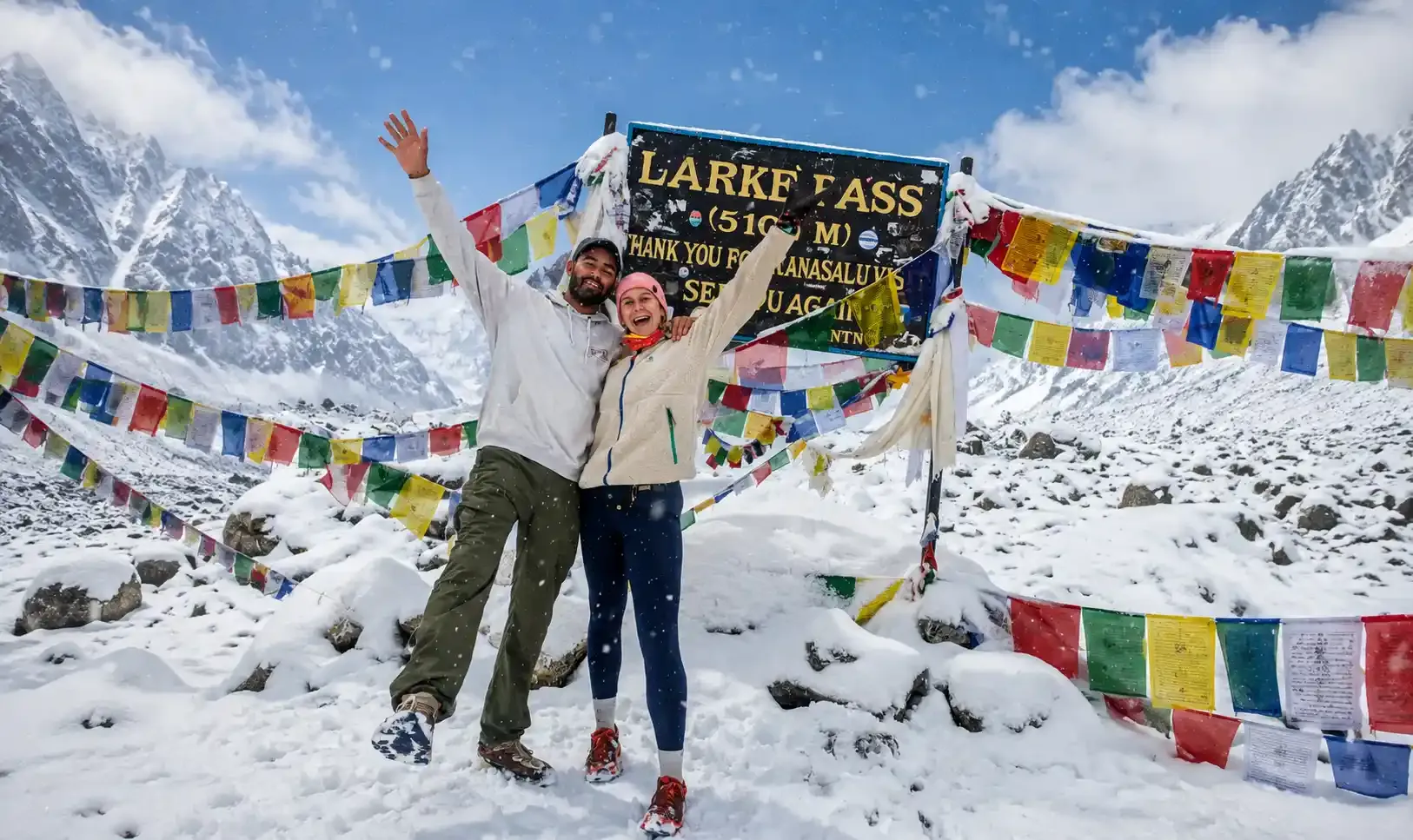
The Manaslu Circuit circles Mount Manaslu, the world’s eighth-highest mountain.
The route is known for remote villages, Tibetan-influenced culture, dramatic valleys, and the challenging crossing of Larkya La Pass.
Autumn is one of the main trekking seasons for this route, particularly October and November.
6. Upper Mustang Trek in Autumn
- Highest point: Around 3,800 m depending on the route
- Difficulty: Moderate
- Duration: 10–18 days
- Best for: Tibetan culture, history, and dry mountain landscapes
Upper Mustang looks very different from the green valleys of lower Nepal. Its dry cliffs, caves, monasteries, and traditional villages give the region a distinctive character.
Because Upper Mustang is a restricted trekking area, additional permits and route requirements apply. Check the latest rules before travelling.

7. Gokyo Lakes Trek
- Highest point: Around 5,357 m at Gokyo Ri
- Difficulty: Moderate to challenging
- Duration: 10–14 days
- Best for: Glacial lakes and an alternative Everest experience
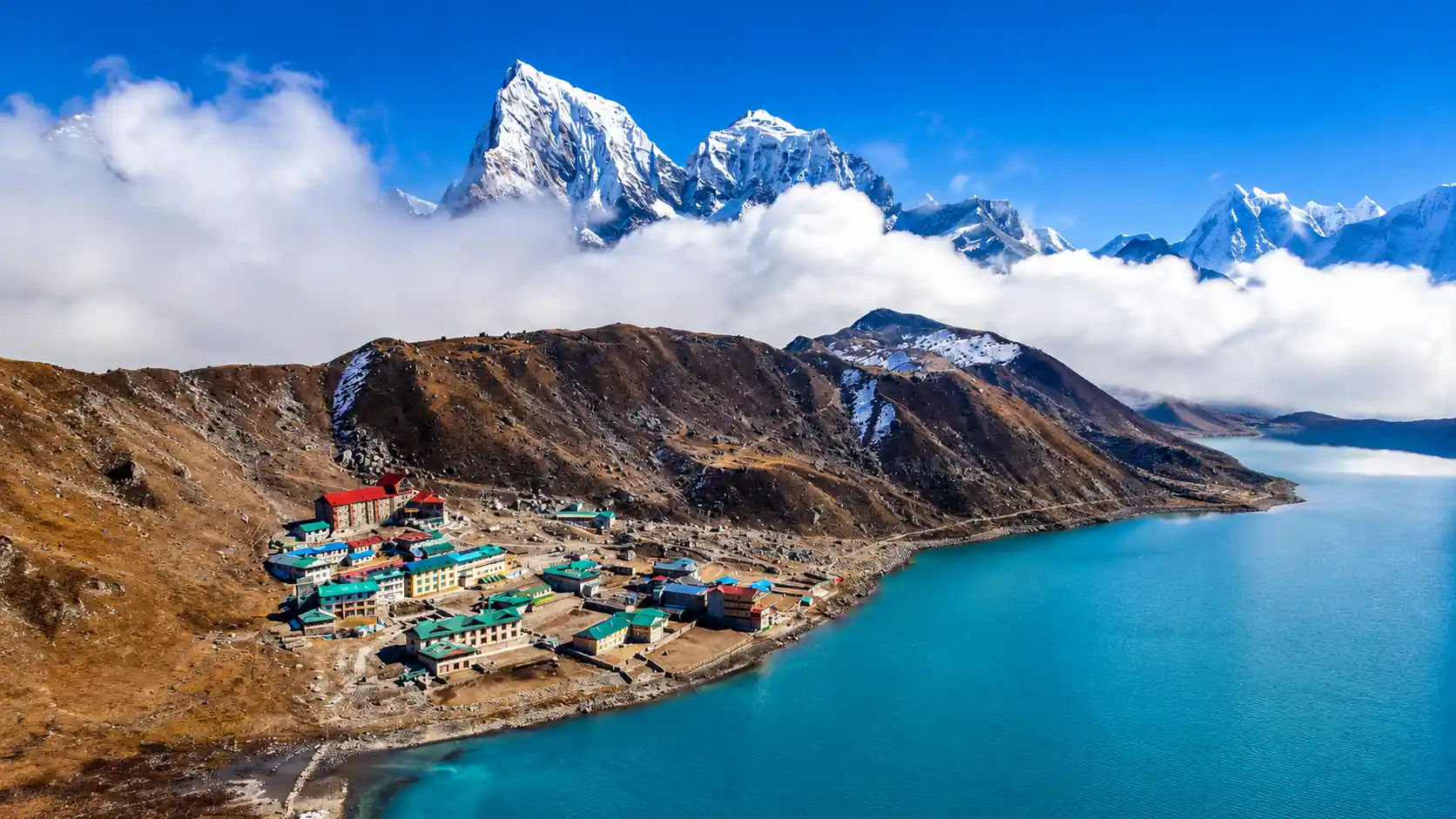
The Gokyo Lakes Trek takes you into the Everest region through a quieter route than the standard Everest Base Camp trail.
The turquoise Gokyo Lakes and views from Gokyo Ri are the main highlights. On a clear autumn morning, you can see several major Himalayan peaks, including Everest, Lhotse, and Cho Oyu.
8. Mardi Himal Trek in Autumn
- Highest point: Around 4,500 m depending on the route
- Difficulty: Moderate
- Duration: 5–7 days
- Best for: Short trips and close mountain views
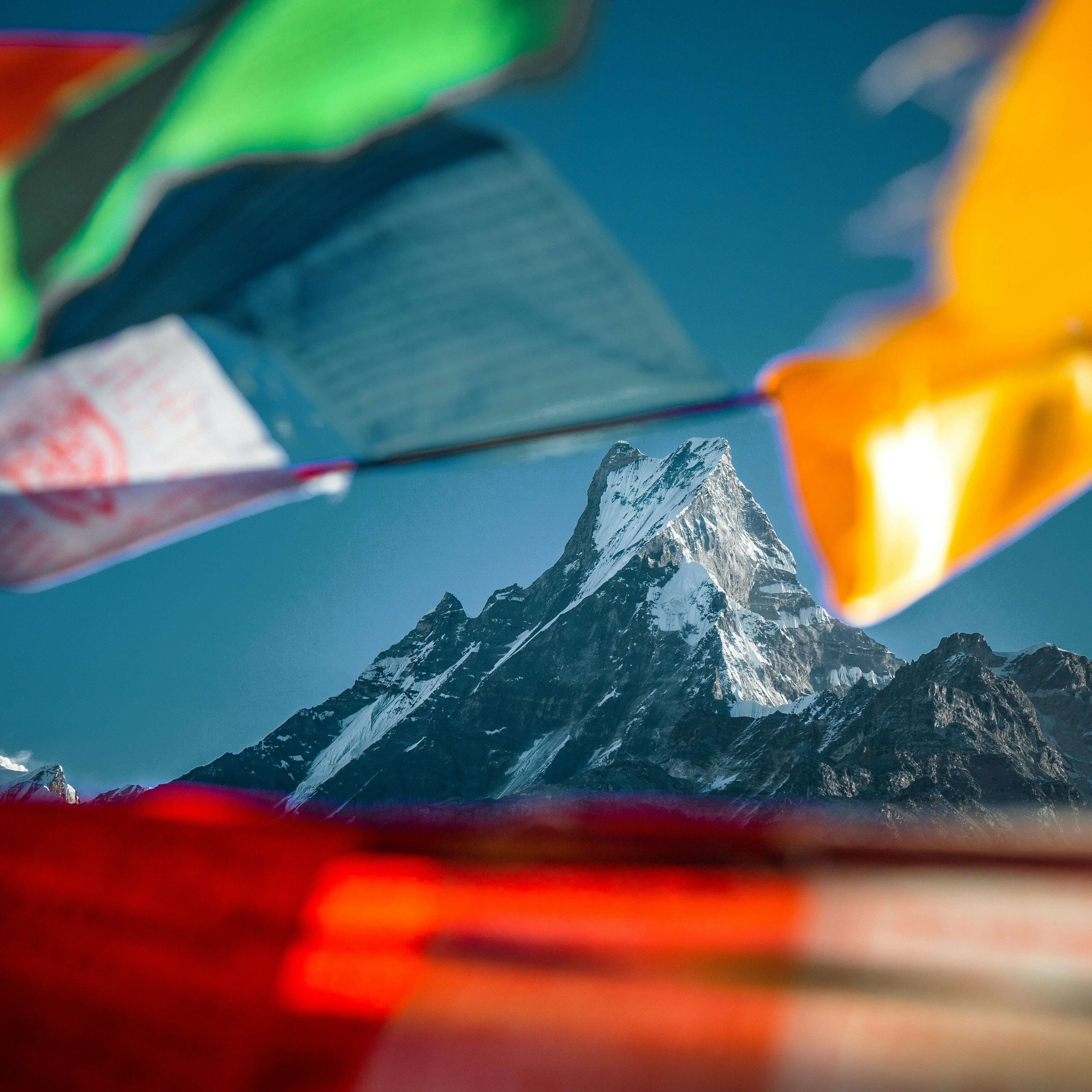
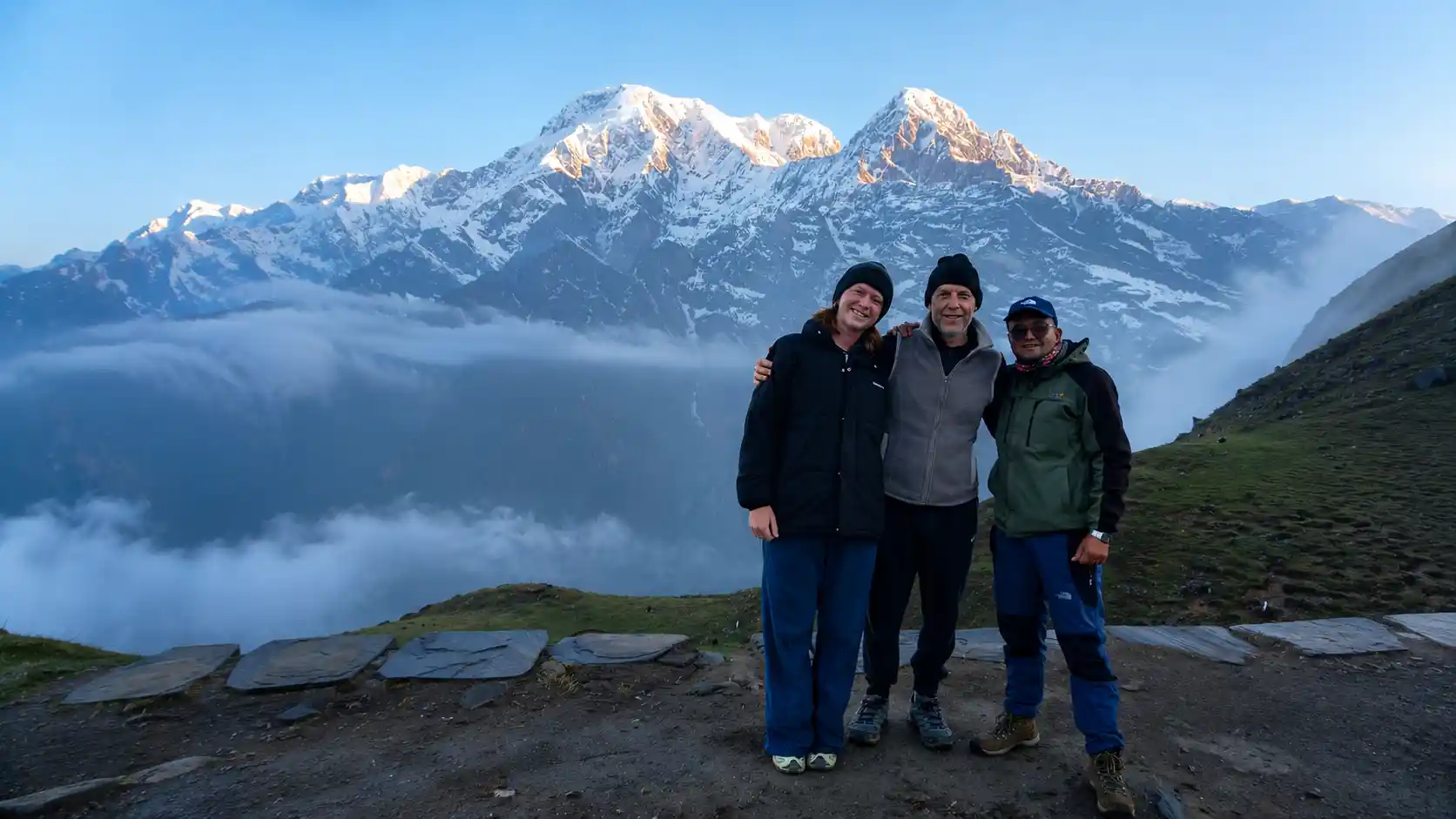
Mardi Himal is a strong option if you have only a few days but still want an impressive Himalayan experience.
The trail passes through forests and alpine landscapes before reaching viewpoints with close views of Machapuchare and the Annapurna range.
9. Kanchenjunga Trek in Autumn
- Highest point: Varies by route and pass
- Difficulty: Strenuous
- Duration: Around 20–24 days
- Best for: Experienced trekkers seeking remote Himalayan landscapes
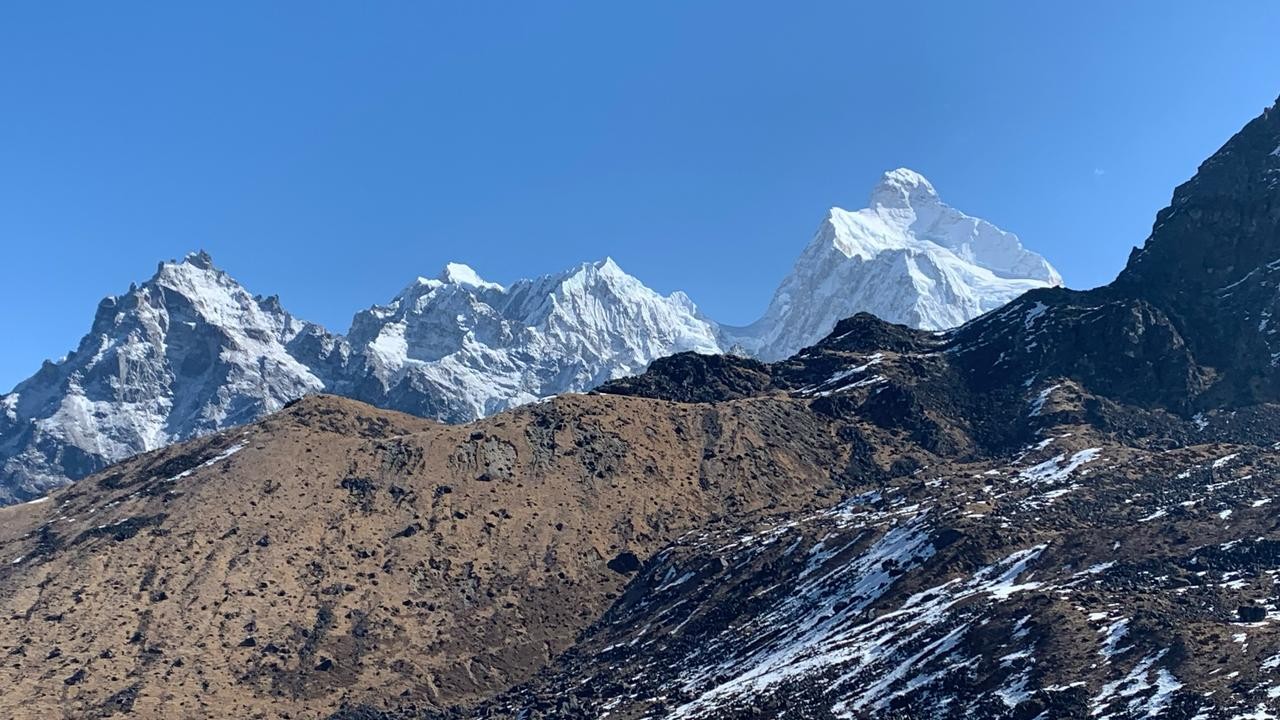
The Kanchenjunga region lies in eastern Nepal and sees far fewer trekkers than Everest or Annapurna.
The long walking days, remote settlements, high passes, and limited facilities make it better suited to experienced trekkers.
10. Poon Hill Trek in Autumn
- Highest point: 3,210 m
- Difficulty: Easy to moderate
- Duration: 4–7 days
- Best for: Beginners, families, and short holidays
Poon Hill is one of Nepal’s most popular short treks.
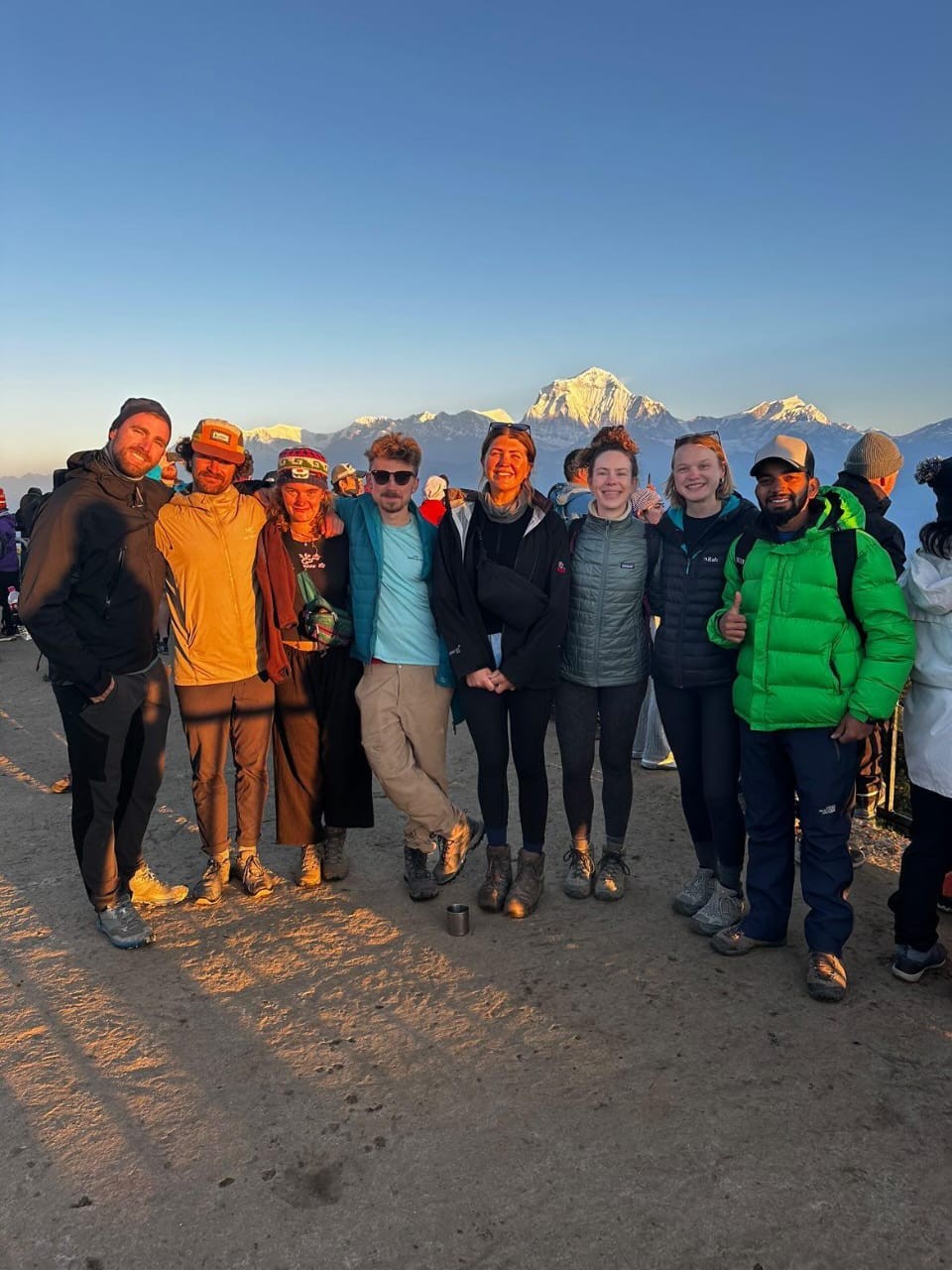
The main attraction is the sunrise view over the Annapurna and Dhaulagiri ranges. The relatively short itinerary and established teahouse network make it a practical choice for travelers who do not have time for a longer trek.
Which Autumn Month Fits Your Trip?
The best month is not the same for every trekker. Think about what matters most to you.
If You Want to Save Money: Choose September
September is often one of the more affordable autumn options because trekking demand is generally lower than in October.
The main trade-off is weather. Early September can still receive leftover monsoon rain, particularly at lower elevations.
If you want to trek in September, the second half of the month is generally a better choice for more settled conditions.
If You Want the Best Overall Weather: Choose October
October is usually the most stable month of the autumn season.
The skies are often clear, mountain visibility is excellent, and daytime temperatures are comfortable for trekking.
The downside is crowds. Popular routes such as Everest Base Camp and Annapurna Circuit can be busy, so advance planning is important.
If You Want Fewer Crowds: Choose November
November is a great option for trekkers who want clear mountain views without the full October rush.
The first half of November can still feel relatively busy, while the second half is generally quieter.
However, temperatures drop as the month progresses. Nights at high elevations can become very cold, so proper layers and a suitable sleeping bag are important.
Autumn Weather in Nepal: September to November
The weather changes noticeably across the three months.
September
Early September can still feel like the end of the monsoon season. Lower trails may be wet, muddy, or slippery after rain.
As the month progresses, rainfall usually decreases and mountain visibility improves.
October
October is generally the most stable part of autumn. Many trekking days are dry, sunny, and comfortable.
However, weather can still change quickly in the mountains. High passes can experience cold, wind, clouds, or snowfall even during the main trekking season.
November
November usually brings clear skies and dry trails, but temperatures fall, especially at higher elevations.
Daytime walking can still be comfortable in the sun, while mornings and nights become much colder.
At elevations above 4,500 m, nighttime temperatures can fall well below freezing, especially toward late November.
Simple Weather Rule
September: Less predictable weather, fewer crowds
October: Best balance of weather and trail conditions
November: Clearer and quieter, but colder
Autumn Festivals in Nepal
Autumn is also a good time to experience Nepalese culture.
Dashain
Dashain is Nepal’s biggest Hindu festival and usually falls around September or October, depending on the lunar calendar.
Families return home, homes are decorated, and towns and villages become busy with celebrations.
If your trek overlaps with Dashain, some local businesses and staff may have holiday schedules, so it is worth checking your arrangements in advance.
Tihar
Tihar, also known as the festival of lights, usually falls around October or November.
Homes, shops, and villages are decorated with lamps, candles, flowers, and colorful designs.
The exact dates change each year, so check the Nepali calendar for your travel year.
Mani Rimdu
Mani Rimdu is a Buddhist festival associated with Tengboche Monastery in the Everest region.
The celebration includes religious ceremonies and traditional masked dances performed by monks.
Its date changes according to the Tibetan lunar calendar, so trekkers who want to attend should check the current year’s schedule before planning their itinerary.
Cost of Trekking in Nepal During Autumn
Autumn is Nepal’s peak trekking season, but the final cost depends on your route and what is included in your package.
A private trek usually costs more than a group trek. Restricted-area permits, domestic flights, longer itineraries, private rooms, and better accommodation can also increase the total.
Approximate Guided Trek Package Costs
| Trek | Approximate Cost per Person |
| Poon Hill | $250–$500 |
| Annapurna Base Camp | $500–$1,000 |
| Langtang Valley | $600–$1,000 |
| Everest Base Camp | $1,000–$1,800 |
| Annapurna Circuit | $900–$1,500 |
| Manaslu Circuit | $1,100–$1,700 |
These are general estimates for guided teahouse-style packages. Your actual price can be different depending on group size, itinerary, permits, transportation, accommodation, and services included.
Main Costs to Plan For
- Permits and entry fees: Costs vary by trekking region.
- Guide and porter: These depend on the number of trekking days and services required.
- Accommodation and food: Prices generally rise with altitude.
- Domestic flights: Mountain flights can add several hundred dollars to your total trip cost.
- Travel insurance: Choose insurance that covers high-altitude trekking and emergency evacuation.
For restricted regions such as Upper Mustang and other designated areas, additional trekking permits may apply.
Permits and Guide Requirements for Autumn Treks
Permit rules in Nepal are route-specific, so do not assume that one rule applies to every trek.
According to the current Nepal Tourism Board information, many major trekking routes, including Everest, Gokyo, Langtang, Manaslu, Annapurna Circuit, Mardi Himal, and several other routes fall under the current guide and TIMS requirements.
For these routes, trekkers should arrange the required guide and TIMS through an authorized trekking agency.
Some regions also require conservation-area or national-park entry permits. Restricted areas, such as Upper Mustang, require a special trekking permit from the Department of Immigration.
Because trekking regulations can change, always confirm the current requirements for your exact route before departure.
What to Pack for an Autumn Trek
Your packing list should change slightly depending on your trekking month and altitude.
In September, bring a waterproof rain jacket, quick-dry hiking clothes, a waterproof backpack cover, good hiking boots, a lightweight warm layer, a headlamp, and a water bottle or filter. Early September can still be wet in some areas, so rain protection is especially useful.
For October, pack layered clothing, a fleece or warm mid-layer, a down jacket for higher elevations, comfortable trekking boots, sunglasses, sunscreen, a headlamp, and a sleeping bag suitable for cold nights. October is generally drier, but temperatures can still drop significantly after sunset and at higher altitudes.
In November, add more cold-weather gear, including a warm down jacket, thermal base layers, warm gloves, wool or thermal socks, a warm hat, a cold-rated sleeping bag, and an extra insulating layer. The higher your trek goes, the more important proper cold-weather clothing becomes.
Do You Need a Guide for Autumn Trekking?
For many of Nepal’s major trekking routes, yes.
The current Nepal Tourism Board list includes routes in the Everest, Annapurna, Manaslu, Langtang, Kanchenjunga, Mustang, and several other regions under the guide and TIMS requirements.
However, the exact requirement depends on the route and current regulations.
A licensed guide can also make the trek easier beyond the legal requirements. They can help with accommodation, route conditions, altitude concerns, local communication, and unexpected changes in the itinerary.
For this reason, check the latest route-specific rules before booking your trek.
Pros and Cons of Trekking in Nepal in Autumn
Pros of Trekking in Nepal in Autumn
Autumn offers some of the best trekking conditions in Nepal. As the monsoon fades, the skies gradually clear, bringing crisp mountain views, fresh green landscapes, and comfortable trekking weather. Seasonal flowers can still be seen across the middle and higher hills.
Occasional afternoon clouds, rain, or snowfall may occur, especially in September and early October, but these showers can clear the atmosphere and leave the mountains looking even sharper the following morning. Autumn is also a great time to experience Nepal’s major festivals and lively mountain trails.
Cons of Trekking in Nepal in Autumn
The main drawback is that autumn is Nepal’s busiest trekking season. Popular routes can become crowded, and teahouses may fill up quickly, particularly in October and November.
In early autumn, trails at lower elevations can still be muddy and slippery, while leeches may appear in wet forest areas after rainfall. Heavy rain can also increase the risk of landslides and falling rocks on some mountain trails.
Trekkers should be especially careful when crossing exposed or landslide-prone sections and follow their guide’s instructions rather than stopping to take photos.
Overall, these challenges are relatively minor compared with the benefits. With proper clothing, advance planning, and a suitable itinerary, autumn is an excellent season to explore Nepal—from short hill treks to high-altitude adventures above 5,000 m.
Conclusion
Trekking in Nepal in autumn gives you three different ways to experience the Himalayas. September is a good choice for lower crowds and potentially lower costs, although early-month rain is still possible. October offers the most reliable overall trekking conditions and excellent mountain views, but it is also the busiest period. November brings clear skies and quieter trails, with colder temperatures at higher elevations.
There is no single best month for everyone. Choose based on what matters most to you, weather, budget, crowds, or temperature.
If you are unsure which month or trek fits your plans, our trekking team can help you choose the right route, itinerary, permits, and travel dates.
Frequently Asked Questions
Which autumn month is cheapest for trekking in Nepal?
September is often one of the more affordable autumn months because demand is usually lower than during the October peak. However, actual prices depend on the trek, operator, group size, and services included.
Is September a good time to trek in Nepal?
Yes. Late September can be a good time for trekking, especially if you want fewer crowds and improving weather. Early September can still have rain because of the retreating monsoon.
Is October too crowded for trekking in Nepal?
October is the busiest part of the autumn trekking season on many popular routes. If you want to trek during October, booking your flights, accommodation, and trek package in advance is a good idea.
Can you trek in Nepal in November?
Yes. November is one of the best months for trekking if you are prepared for colder temperatures. The skies are often clear, trails are generally dry, and crowds usually decrease toward the end of the month.
Is September or October better for Everest Base Camp?
Choose October if stable weather and clear mountain views are your top priority. Choose late September if you prefer fewer crowds and can accept a little more weather uncertainty.
What is Mani Rimdu?
Mani Rimdu is a Buddhist festival held at Tengboche Monastery in the Everest region. It features religious ceremonies and traditional masked dances. The date changes each year according to the Tibetan lunar calendar.
Do I need a guide for trekking in Nepal in autumn?
Many major trekking routes currently require a licensed guide and agency-issued TIMS. The Nepal Tourism Board lists routes in regions such as Everest, Annapurna, Manaslu, Langtang, and others under the current requirement. Check the latest rules for your specific route before travelling.
Is November too cold for high-altitude trekking?
Not necessarily. November can be an excellent month for high-altitude trekking, but you need proper cold-weather clothing and a suitable sleeping bag. Temperatures can fall well below freezing at higher elevations, particularly late in the month.
1 Comment