
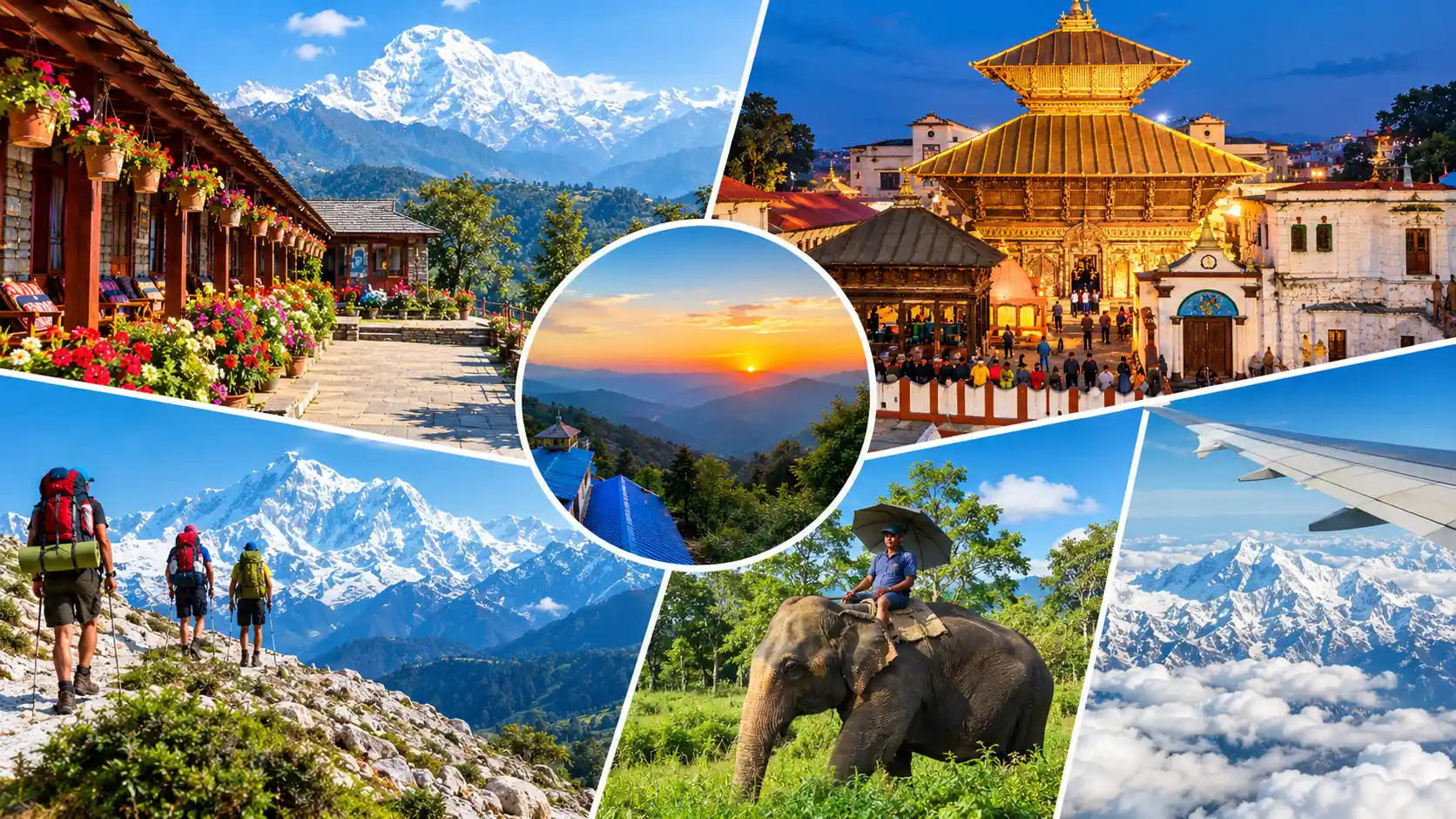

Nepal is a beautiful destination for travelers who love nature, culture, and adventure. November is one of the best months to visit, with clear skies, pleasant days, and stunning Himalayan views. If you’re planning your first trip to Nepal, this is a great time to explore the country and enjoy its natural beauty.
There are many exciting things to do in Nepal in November. You can trek to Everest Base Camp, explore the Annapurna region, enjoy a mountain flight, or relax by the lakes in Pokhara. If you love wildlife, a jungle safari in Chitwan or Bardia is another great option.
In this guide, you’ll discover the best things to do in Nepal in November, from trekking and mountain climbing to sightseeing, wildlife safaris, and adventure sports, whether you’re planning a relaxed first visit or coming back for a bigger challenge like a technical peak climb. You’ll also find helpful tips on November weather, festival experiences, travel routes, and planning your trip so you can choose activities that match your time, interests, and budget.
Best Things to Do in Nepal in November
| Activity | Best for |
| Tihar Festival (Nov 7–11) | Culture lovers, families |
| Everest Base Camp / Gokyo trek | Fit, serious trekkers |
| Annapurna Circuit / Poon Hill / Mardi Himal | All trekkers |
| Everest mountain flight | Mountain views without walking |
| Kathmandu Valley heritage tour | First-timers |
| Chitwan wildlife safari | Families, wildlife fans |
| Bardia tiger tracking | Wildlife fans, fewer crowds |
| Pokhara lakes & paragliding | Relaxing, adventure |
| Peak climbing (Island/Mera) | Experienced trekkers |
| Manaslu Circuit | Remote trekking |
| Langtang / Gosaikunda / Tamang Heritage | Flexible travelers |
| White-water rafting (Seti, Kali Gandaki, Sun Koshi) | Adventure seekers |
| Zipline, bungee & canyoning | Thrill seekers |
| Homestays, yoga & cooking classes | Slow travel, culture |
Road and trail news can change fast either way, so always check with your operator before you book.
Is November a Good Time to Visit Nepal?
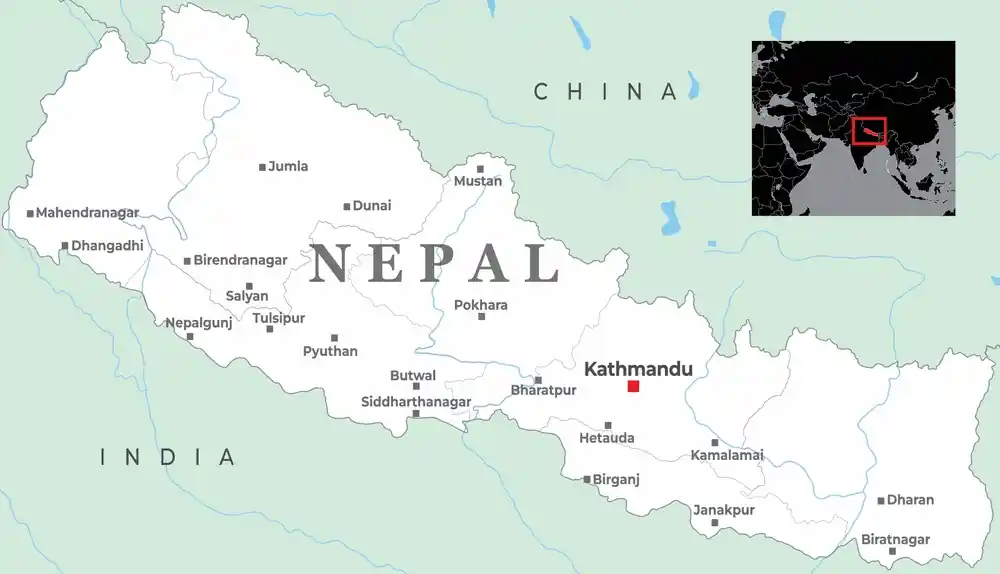
Yes: this is the driest, most reliably sunny window of the year, sitting between monsoon and winter.
- Weather: Little to no rain; skies stay mostly cloud-free, giving you the year’s best mountain views.
- Temperatures: Kathmandu and Pokhara stay mild by day (roughly 22–26°C), dropping to 7–12°C at night. Higher up, Namche Bazaar sees -2 to -5°C at night, and Everest Base Camp can hit -10 to -15°C.
- Daylight: About 10.5–11 hours; plan to finish drives and trek stages by mid-afternoon.
- Crowds: Heaviest in the first half of the month, especially around Tihar, when teahouses and flights fill up fast. It quiets down noticeably after Nov 11.
- Trade-off: Higher prices and busier trails for the clearest views of the year. Early November is genuinely peak season on the ground, whatever older guides say about October being busier.
A few things worth planning around: morning haze can delay flights out of Kathmandu (keep a buffer day), most teahouses have no heating, and by late November, high passes like Thorong La can see light snow.
Nepal Floods August 2026: Trekking Route Update
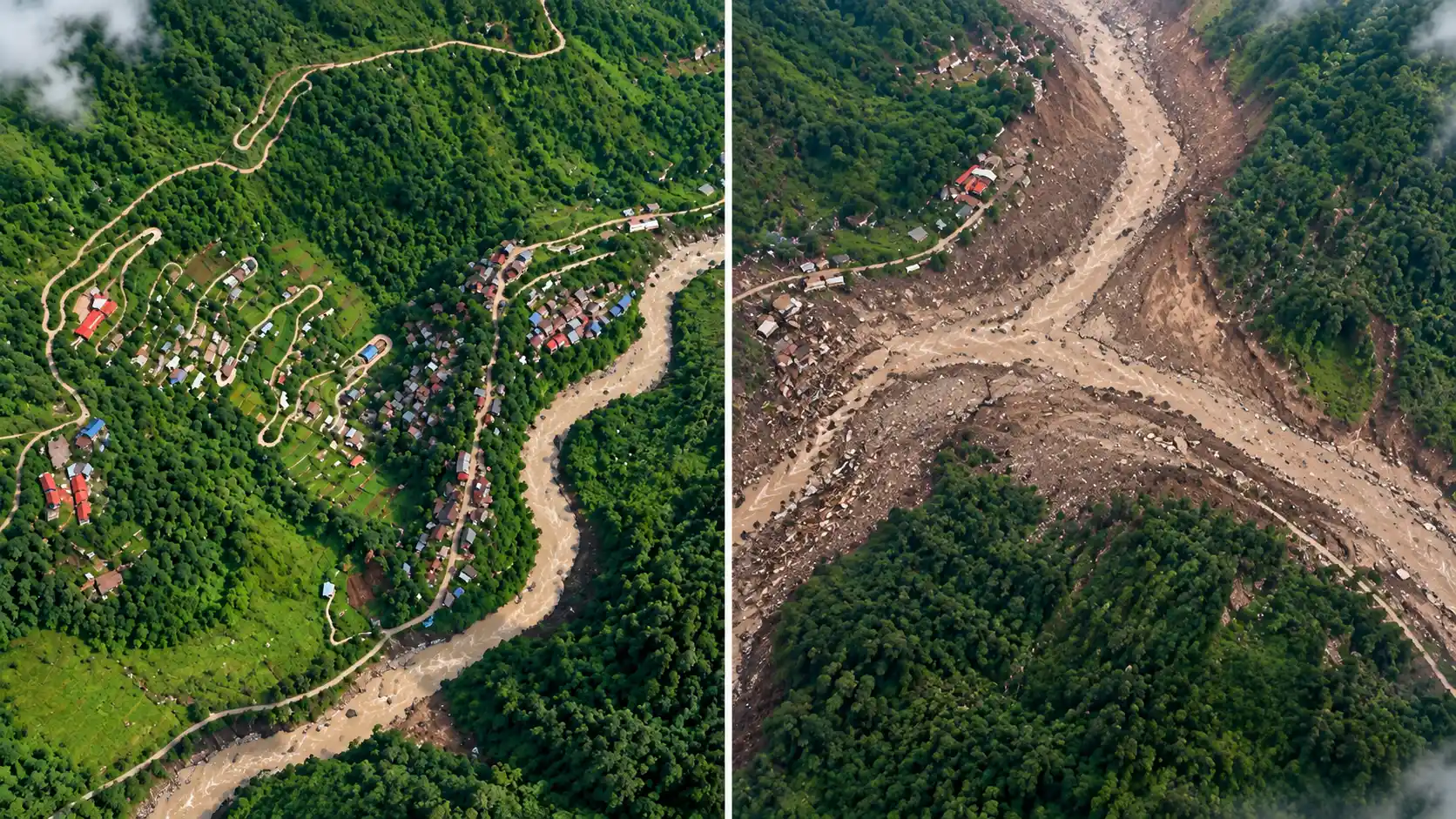
On August 26, 2026, a major flash flood hit Nepal’s Bhote Koshi–Trishuli corridor, mainly affecting Rasuwa, Nuwakot, and nearby areas. The event was linked to a glacial slope failure near the Nepal–China border.
The good news is that most major trekking routes in Nepal remain open. Popular destinations such as Everest Base Camp, Gokyo, Annapurna Circuit, Annapurna Base Camp, Poon Hill, Mardi Himal, Upper Mustang, Kanchenjunga, Makalu, Dolpo, and Rara were outside the main flood-affected zone.
Routes With Access Problems
The main concern is Rasuwa District, especially the Langtang and Gosaikunda region. The road to Syabrubesi was badly damaged, making normal access difficult. Tamang Heritage Trail and parts of Ganesh Himal/Ruby Valley also need careful checking.
The Manaslu Circuit remains open, but some approach roads may require an alternative route because of bridge damage.
What Trekkers Should Know
The 2026 autumn trekking season is still active. Most classic routes are operating normally, but travelers should check the latest road, bridge, and local safety conditions before departure.
Trekking in Nepal in November
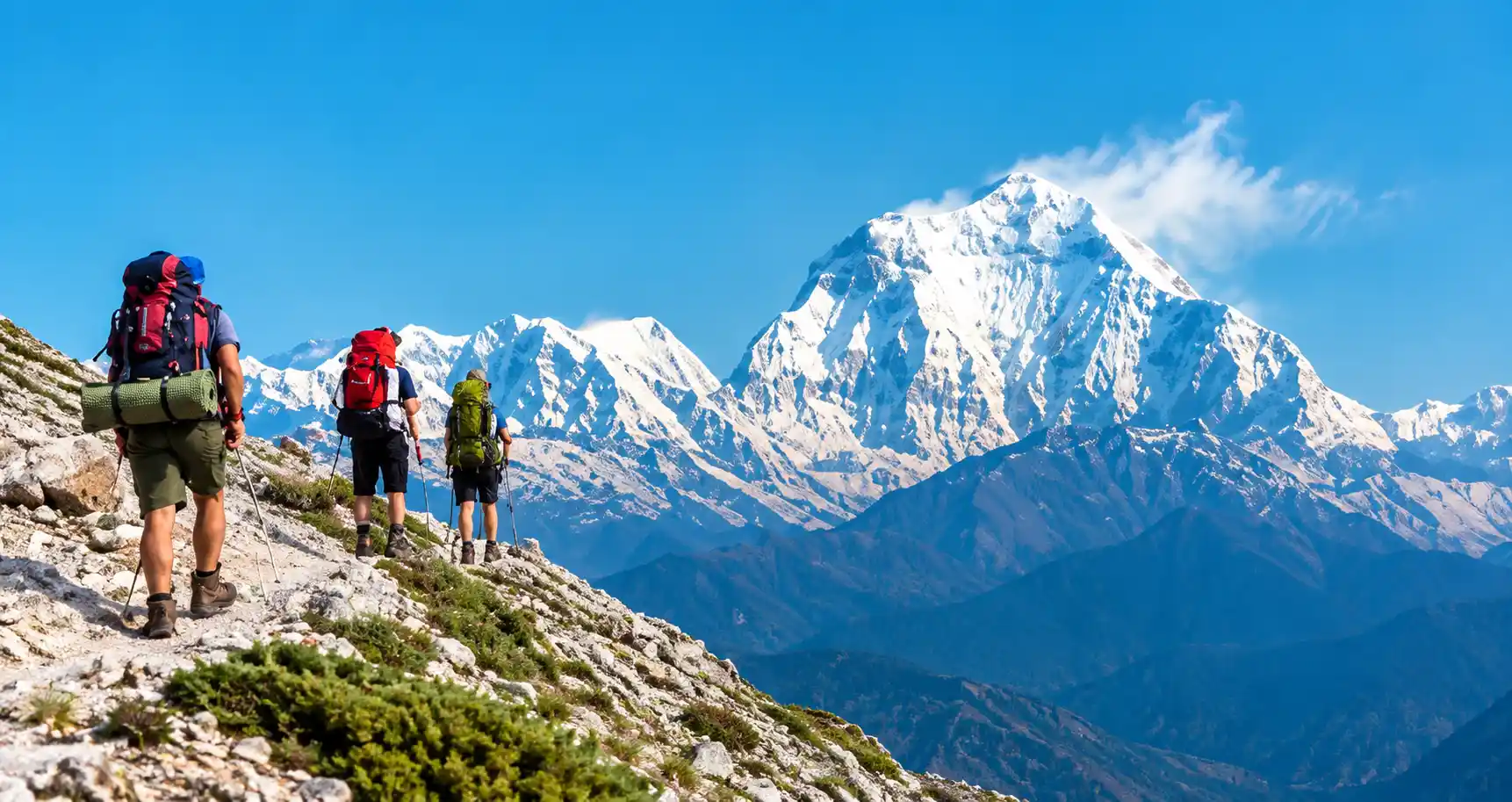
Trekking is where Nepal’s November reputation really comes from. The monsoon rains are gone, trails are completely dry, and the sky stays open and cloud-free almost every day, giving you some of the best mountain views in Nepal all year. Weather also stays stable throughout the month, so it’s an easy time to plan a trek without worrying about sudden changes.
For trekkers chasing the classic Himalayan experience, these are the top choices: both well-marked, fully open in November, and offering some of the most iconic mountain scenery in the world:
If you prefer a quieter trekking experience in Nepal, these routes offer the same breathtaking views with far fewer trekkers on the trail:
Short on time but still want real mountain views? These short treks in Nepal don’t need a big time commitment:
(Note: Langtang and Tamang Heritage pass through an area affected by this year’s floods. Check the flood update section before booking.)
You’ll need a TIMS card and an area permit (Sagarmatha, ACAP, or a restricted-area permit for regions like Manaslu). A guide is legally required on some restricted routes, and recommended above 3,000m.
Mountain Climbing in Nepal: Best Peaks to Try in November
Peak climbing conditions in Nepal are at their best in November: almost all trekking peaks are open, and the weather stays favorable for a successful summit. These climbs suit trekkers who want to go one step further than a standard trek, without committing to a full-scale mountaineering expedition. It’s worth flagging that this is a different kind of trip than the sightseeing and short treks covered elsewhere in this guide, with real fitness and technical demands attached.
The most popular trekking peaks in Nepal are:
Island Peak (6,189m)
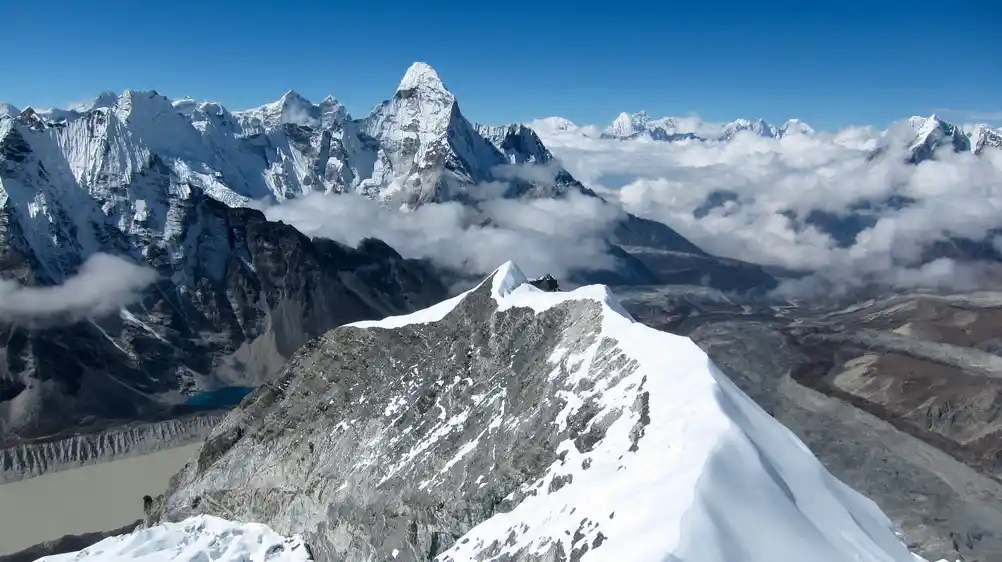
Located in the Khumbu region near Chhukung. A moderate climb with fixed ropes and steep snow/ice sections. November brings crisp skies and dry trails, though high camps get cold. Great introduction to technical climbing.
Mera Peak (6,476m)
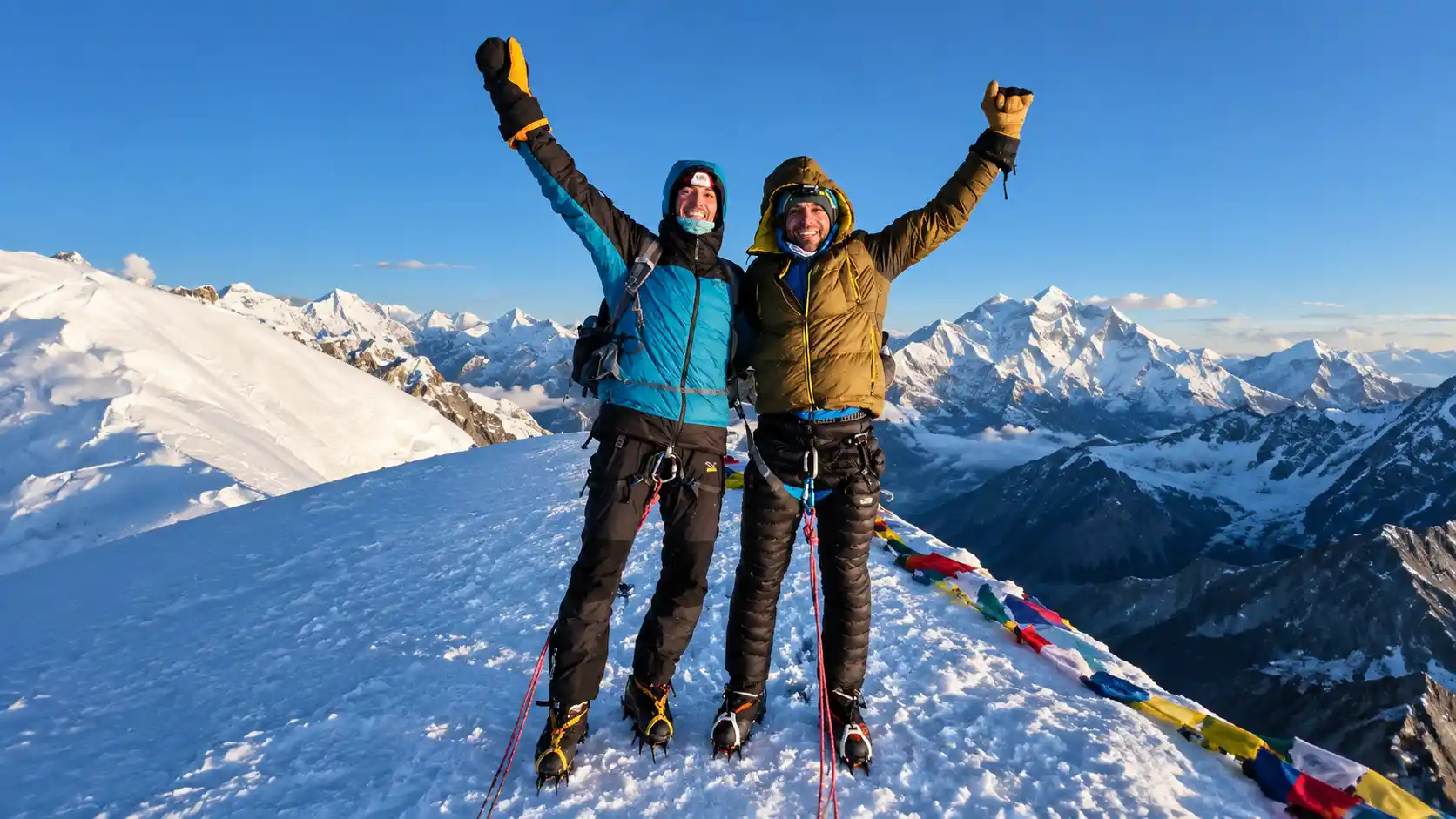
Located in the Khumbu (Makalu Barun) region. The most beginner-friendly of the three, mostly glacier travel with basic crampon and rope use. Firm snow and excellent visibility make November a reliable time to summit.
Singu Chuli (6,501m)
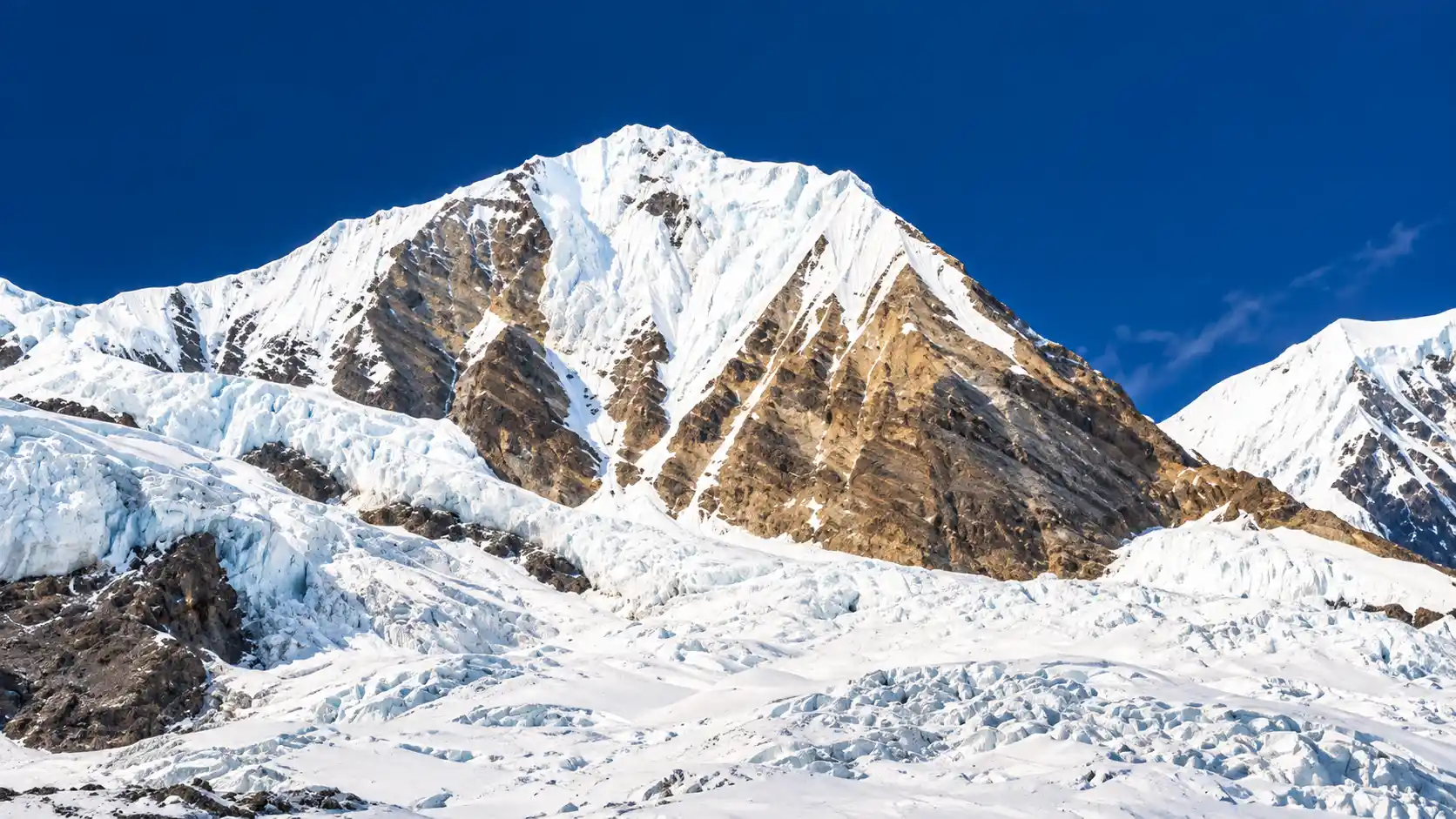
Located in the Annapurna Sanctuary. The most technical of the three, best suited for climbers with prior mountaineering experience. September to November is its prime climbing season, with clear views and noticeably lighter crowds than the Khumbu peaks.
Don’t let the name “trekking peak” fool you: these climbs need real fitness, proper acclimatization, and basic rope and crampon skills, plus an NMA permit. Island Peak and Mera Peak are more beginner friendly than Singu Chuli, making them a good starting point if you’re new to mountaineering. Keep in mind that late November brings colder temperatures and stronger wind at altitude, so plan your gear and timing accordingly.
Best Sightseeing Tours in Nepal in November
Mild weather and cloudless days make November one of the best months for sightseeing in Nepal. Kathmandu Valley alone is home to several UNESCO World Heritage Sites, and you can comfortably cover most of them in just a few days.
Some of the must-visit sites include:
Boudhanath Stupa
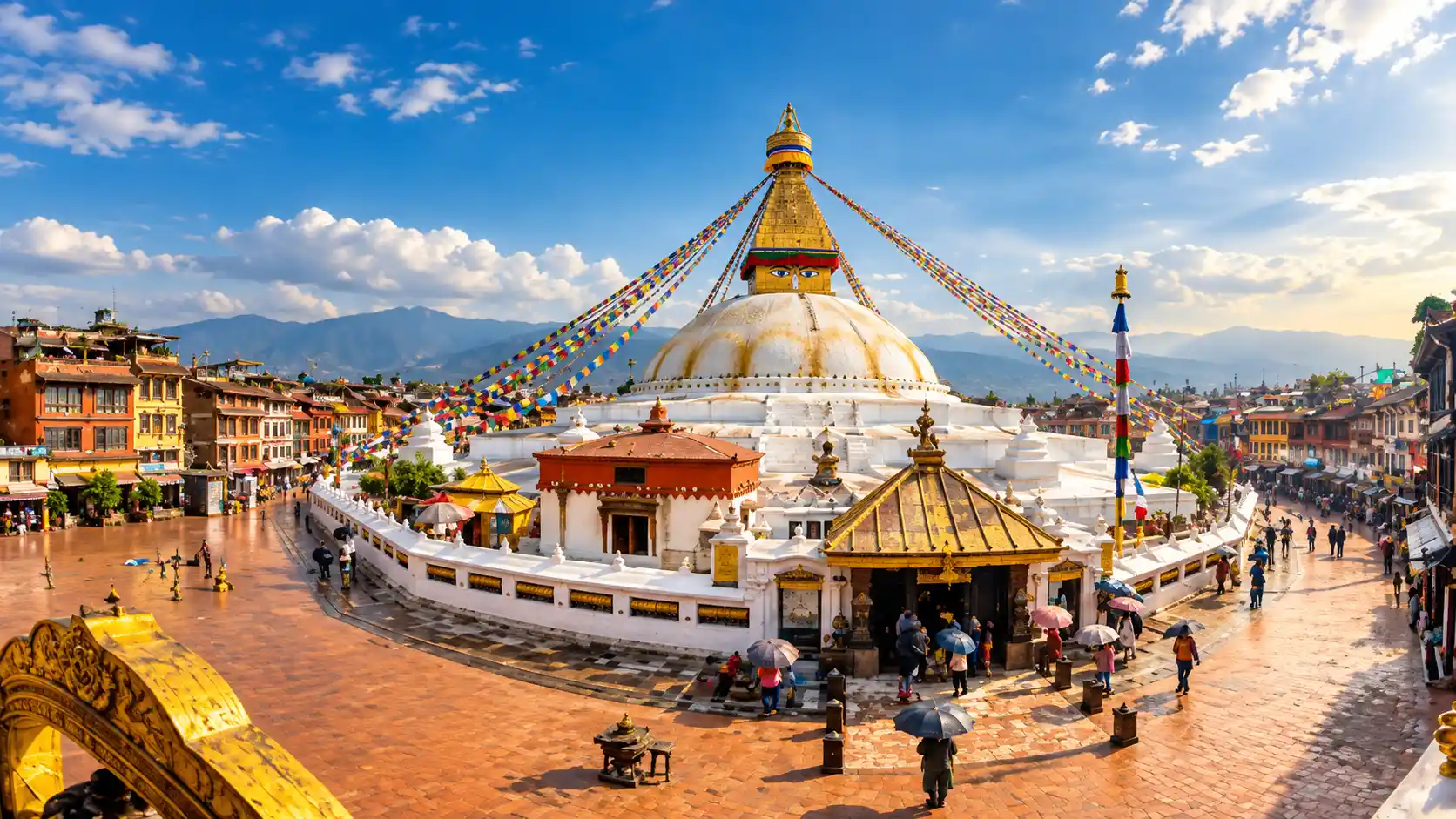
One of the biggest stupas in Nepal, this gold-and-white stupa is almost always bustling with devotees and fluttering prayer flags. You can also visit one of the many Buddhist monasteries nearby. Best visited at dawn or dusk when monks walk the kora.
Pashupatinath Temple
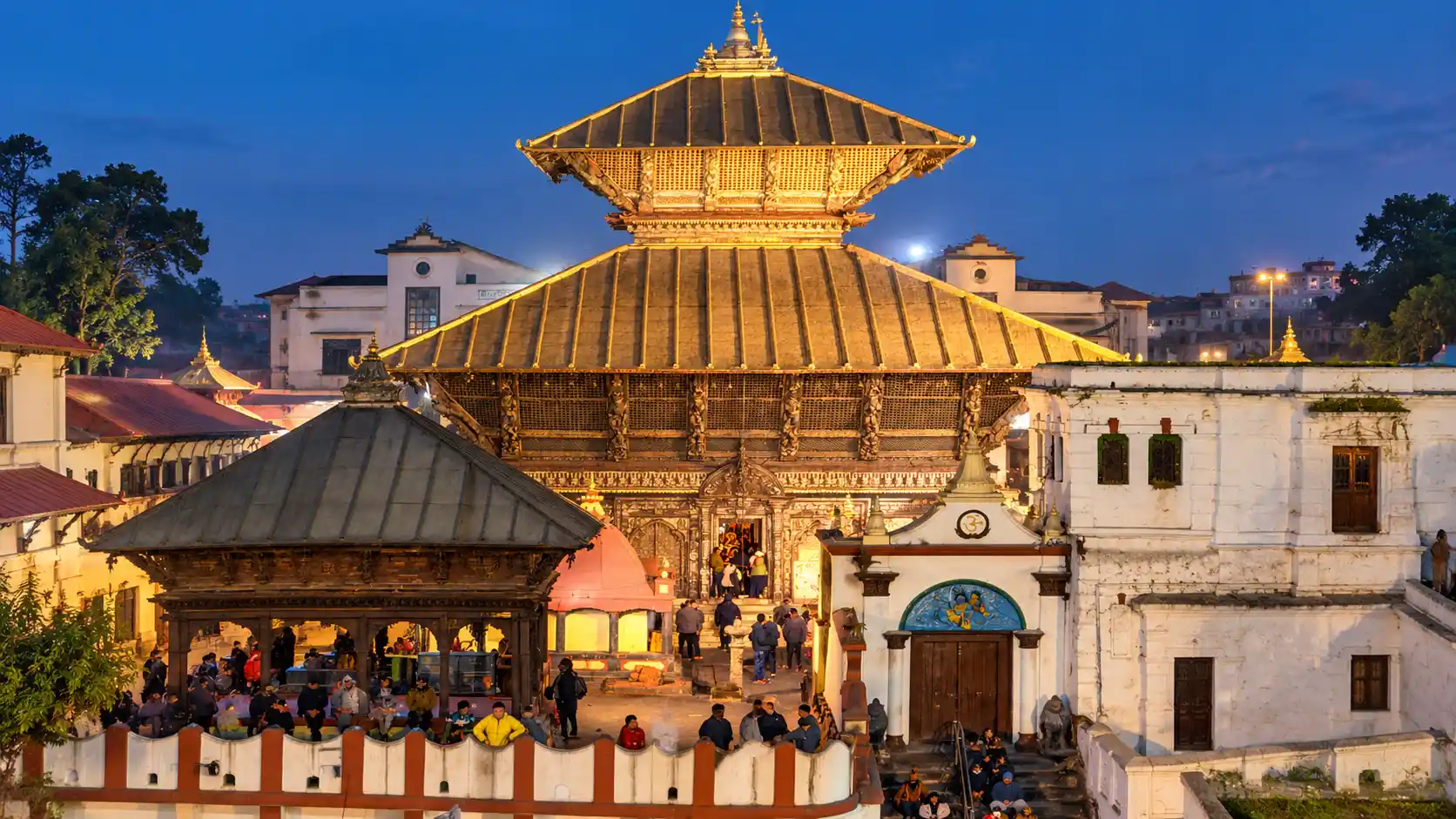
One of the most sacred Hindu temples in Asia, home to 518 temples and monuments along the Bagmati River, including the main pagoda-style temple with its golden roof and silver-carved doors. Mornings are the quietest time to visit.
Bhaktapur Durbar Square
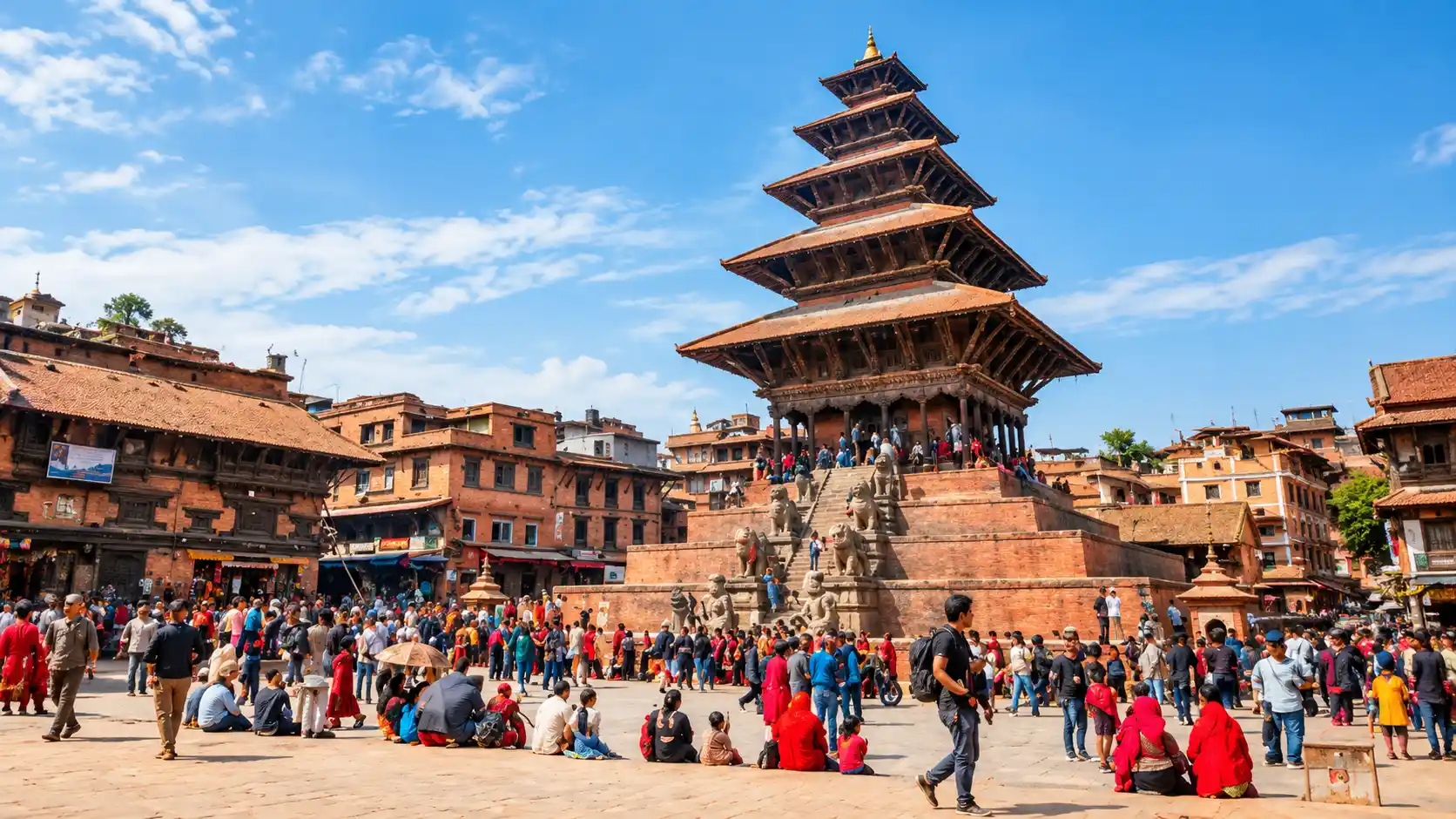
Spread across four distinct squares (Durbar, Pottery, Taumadhi, and Dattatreya), this is where you’ll find the famous 55-Window Palace, Nyatapola Temple, and the Golden Gate. Don’t miss watching local potters at work in Pottery Square.
Swayambhunath Stupa
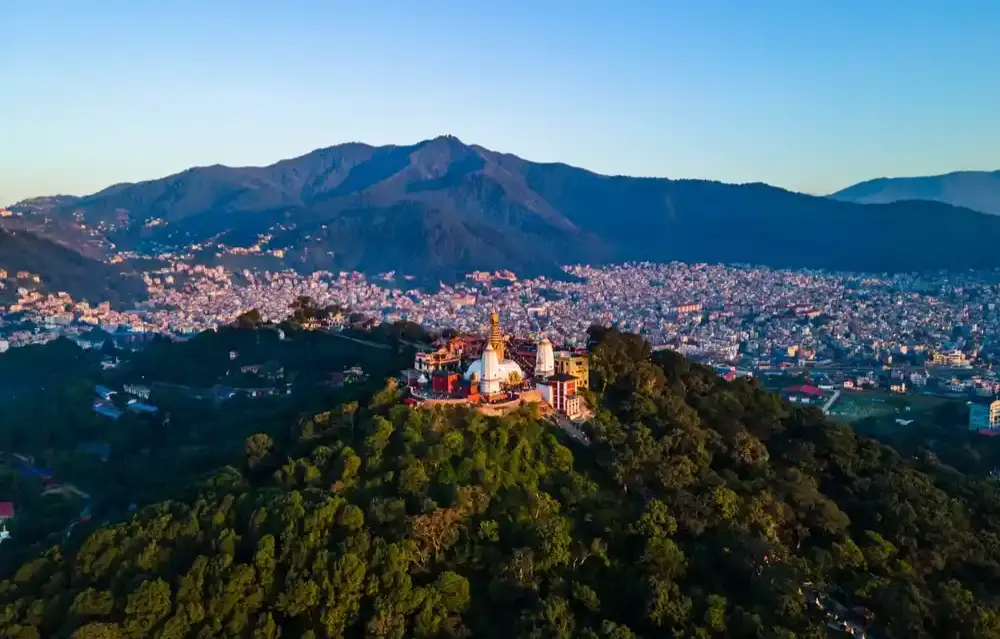
One of the most ancient stupas in the valley, sitting atop a hill with a small forest and the Manjushree Temple nearby. Go early to beat both the heat and the crowds on the climb up.
Kathmandu Durbar Square
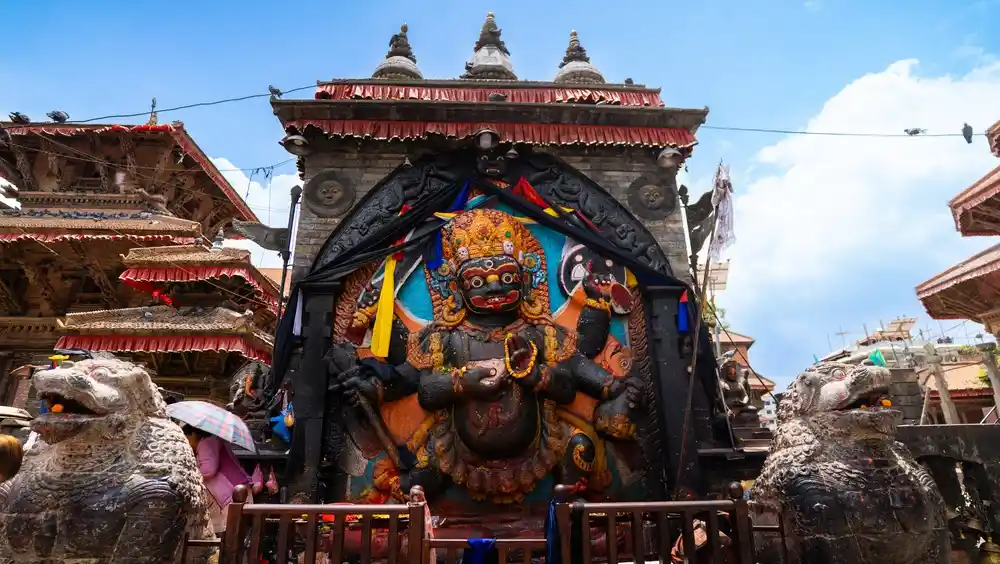
Also known as Basantapur Durbar Square, this medieval royal palace plaza is home to ancient temples, statues, and the palaces of the Shah and Malla Kings. Best visited in late-afternoon light.
Patan Durbar Square
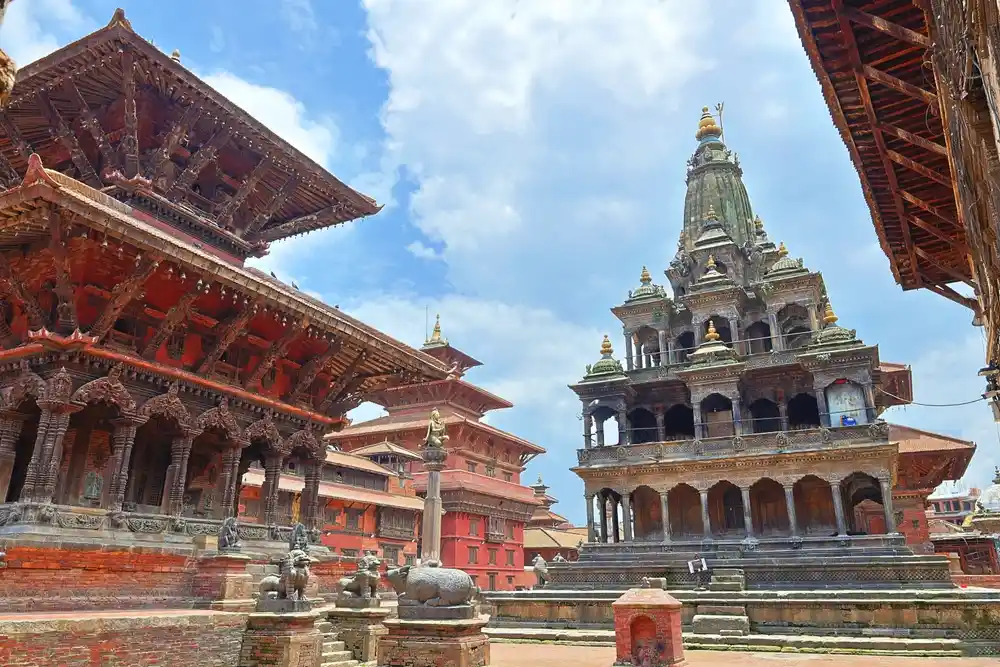
Home to more temples than any other city in Nepal, dating mostly from the 8th–17th century. The Golden Temple, Kumbeshwar Temple, and Red Machhendranath Temple are must-sees.
These sites are worth visiting any week in November thanks to dry, sunlit days; just note that the first week draws the biggest crowds, since it overlaps with Tihar, and things ease up noticeably once the festival wraps on Nov 11.
Pokhara & Hill Towns: Best Stops Beyond Kathmandu
Once you’re done with Kathmandu Valley, Pokhara and its surrounding hill towns are the next best stops in Nepal. With the Himalayan skyline sharp on the horizon most days this month, it’s the perfect time to enjoy their lake views, sunrise points, and quieter old-town charm.
Pokhara

Known as the City of Lakes, Pokhara is the starting point for Annapurna region treks and a hub for adventure sports in Nepal. Visit Fewa Lake, Rupa Lake, and Begnas Lake, and unwind in a city that blends natural beauty with a lively center.
Nagarkot
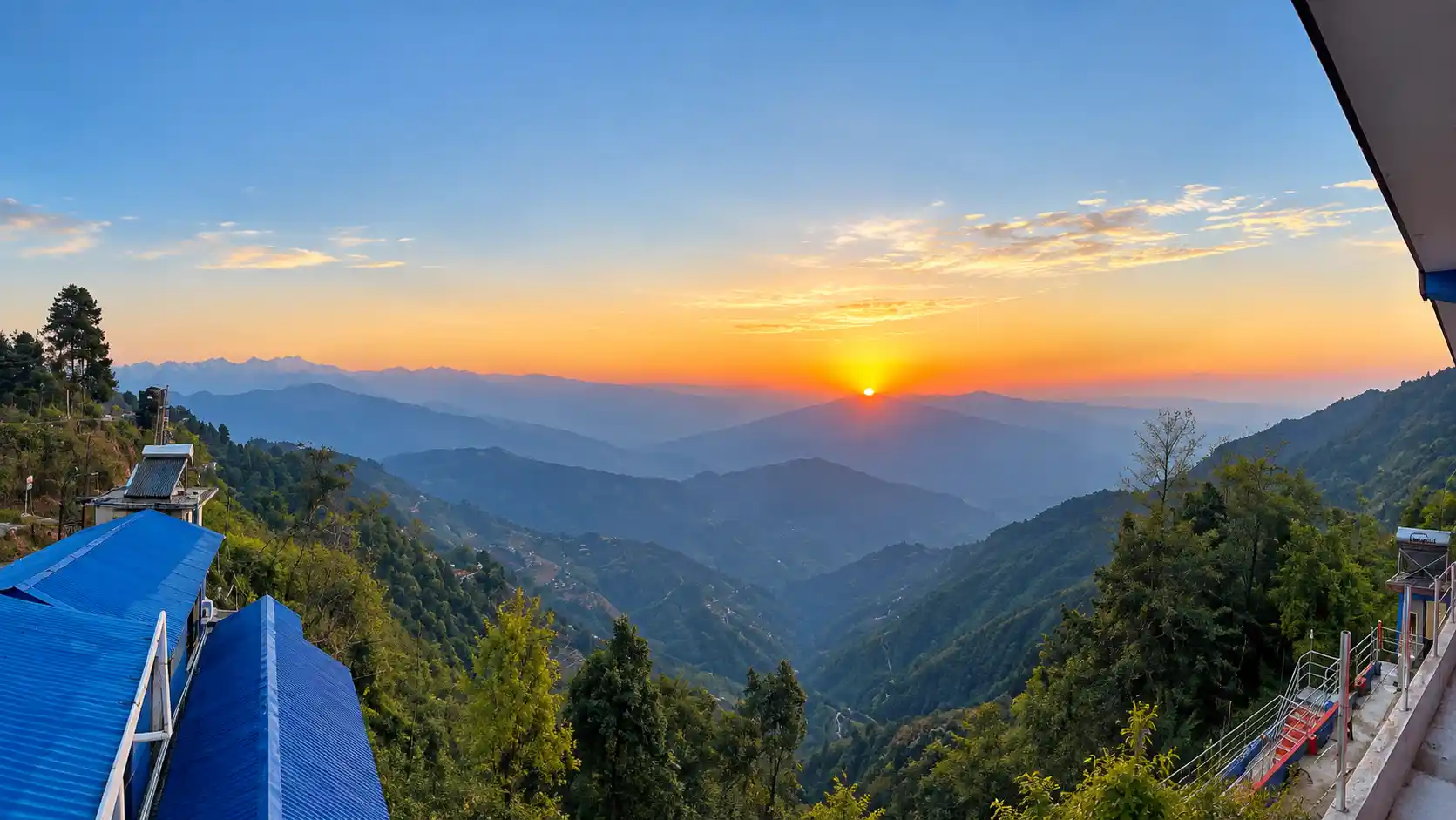
A hill station at 2,195m offering some of the best sunrise and sunset views over the Himalayas, without needing a multi-day trek.
Lumbini
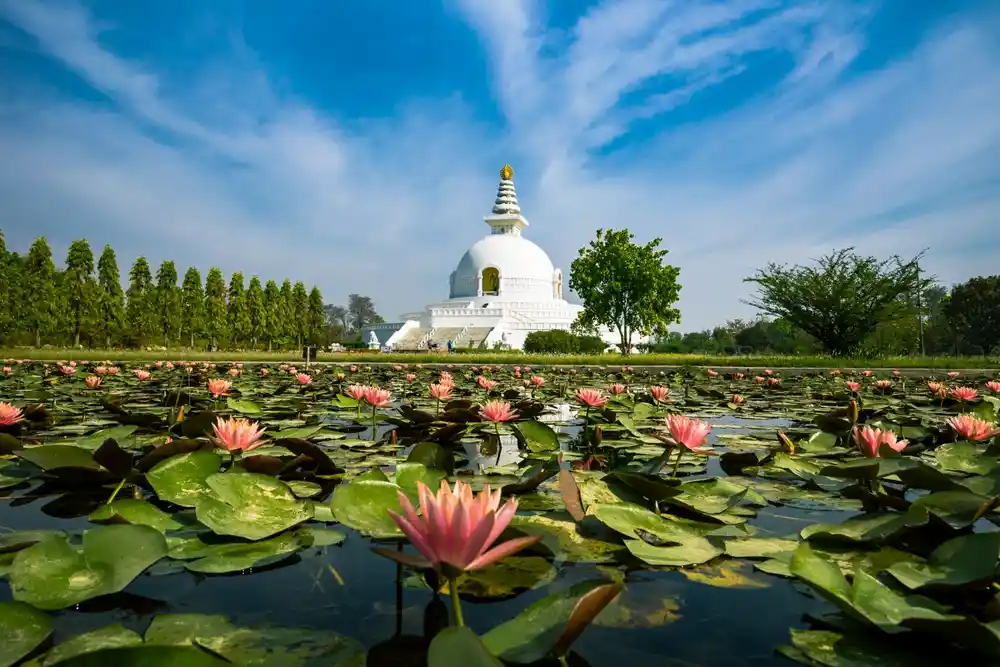
The birthplace of Gautam Buddha and one of Buddhism’s most sacred pilgrimage sites. Also a peaceful spot for meditation.
Gorkha
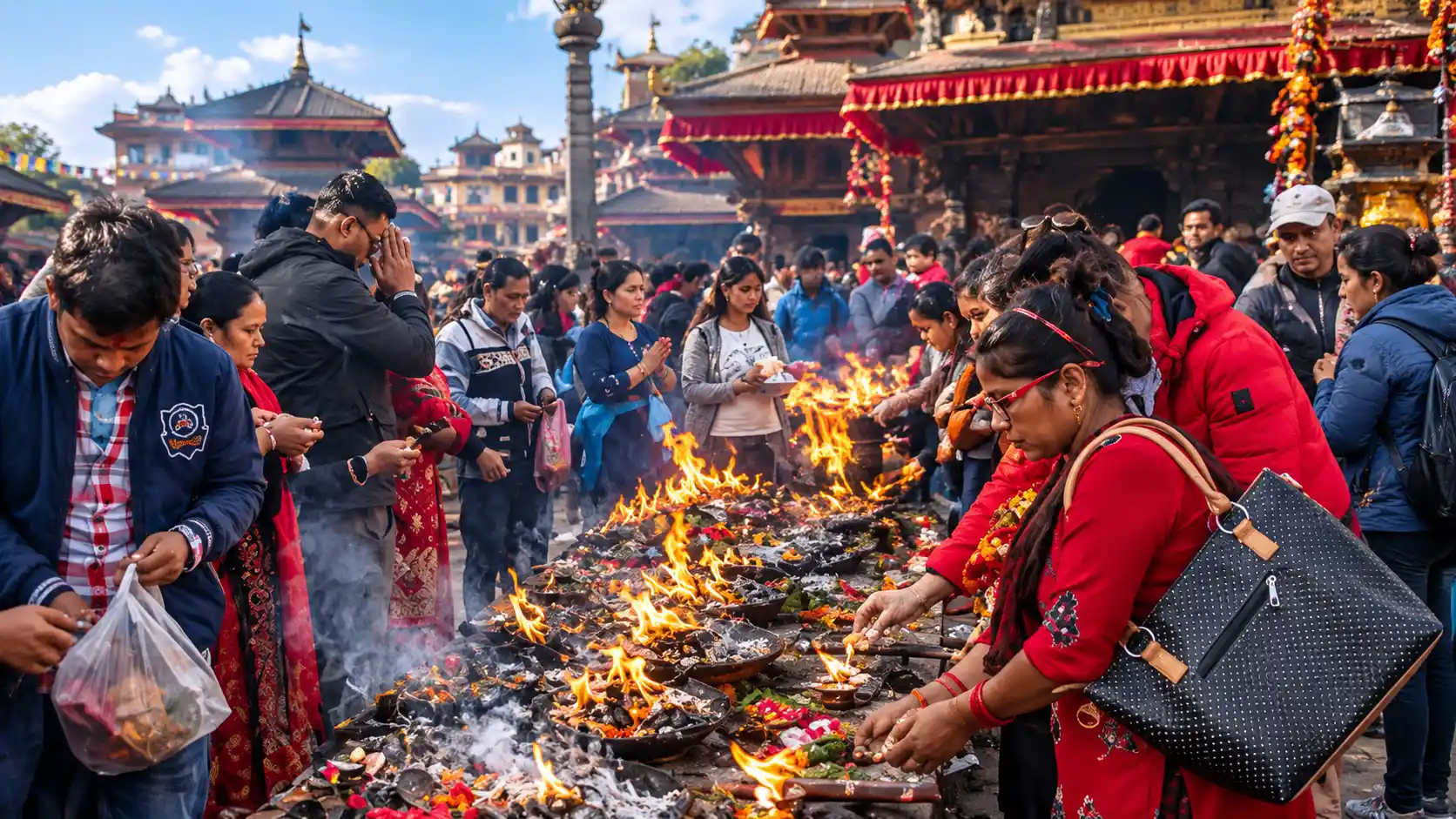
A historic town home to an ancient palace and the birthplace of the famous Gurkha soldiers. Don’t miss Gorkha Palace, Gorkha Bazaar, and Manakamana Temple.
Bandipur
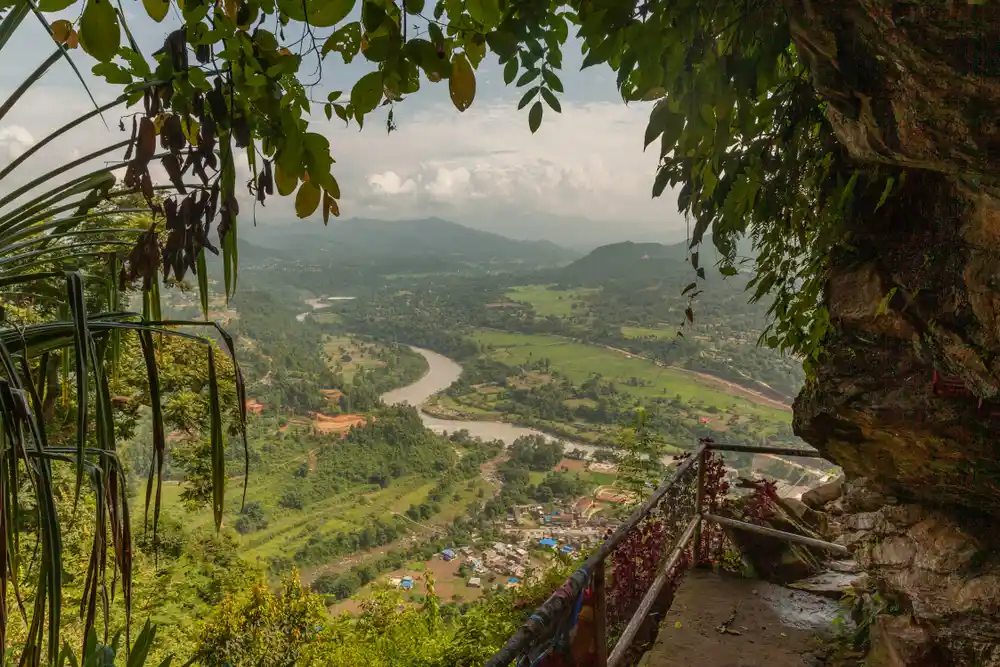
A beautifully preserved old trading town with sweeping views of the Annapurna, Dhaulagiri, Manaslu, and Langtang ranges.
See the Himalayas Without Trekking
Not up for a multi-day trek? This is the time of year when Everest and its neighboring peaks stay visible without you setting foot on a trail, thanks to skies that stay largely unclouded through the month. Here are the best ways to do it:
Skydiving Above Mt. Everest
The world’s highest skydiving adventure – skydivers leap from an AS350 B3 Helicopter at 29,500 feet next to Everest, landing at Syangboche Airport (12,340 ft) or Ama Dablam Base Camp (15,000 ft). Only available in October and November, giving you the most magnificent aerial views of the Everest region.
Helicopter Tour to Everest Base Camp (EBC)
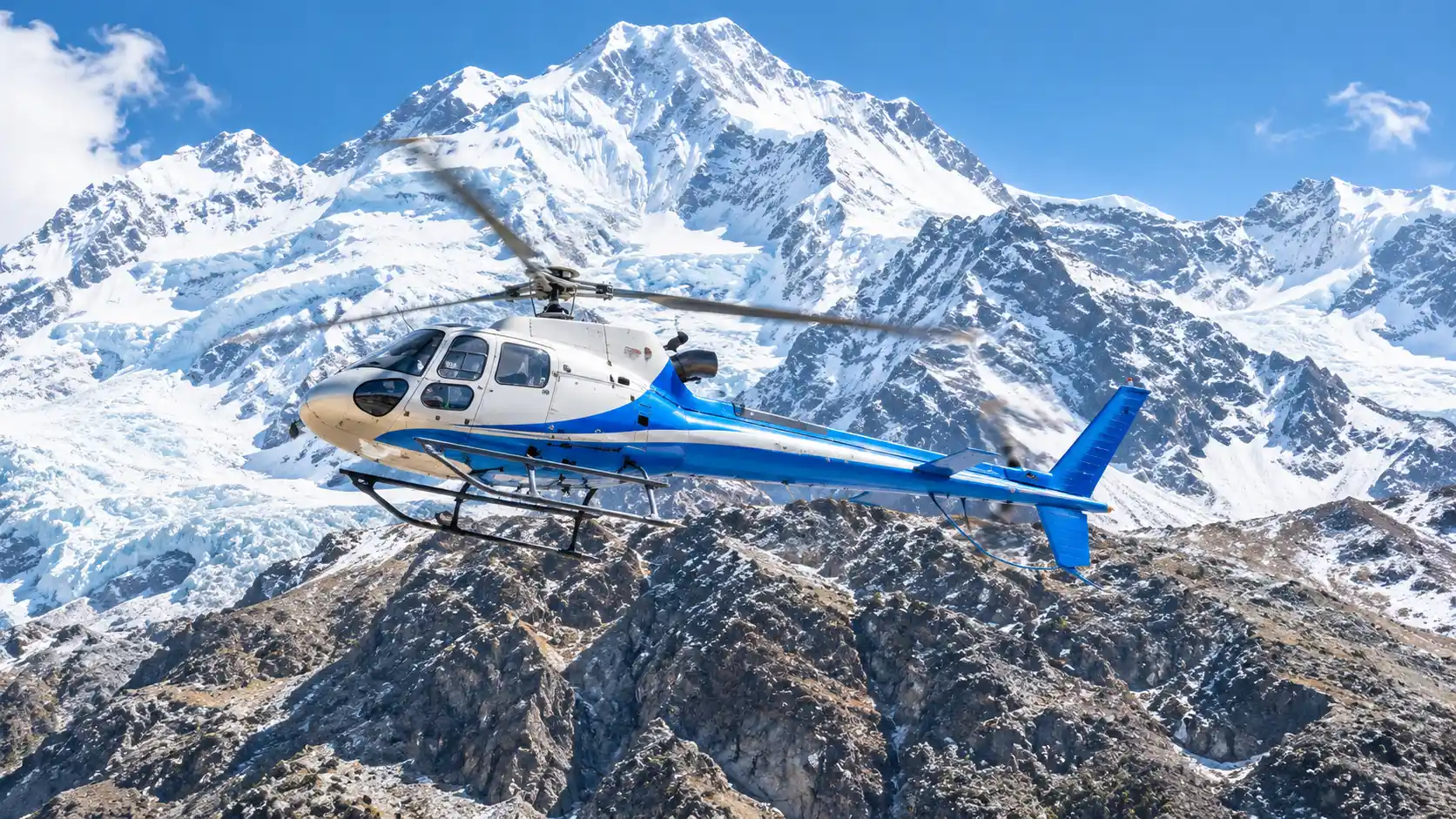 This tour lets you visit and tour EBC without trekking or climbing, giving you close-up views of the world’s tallest mountain ranges in a single day.
Mountain Flight to Everest
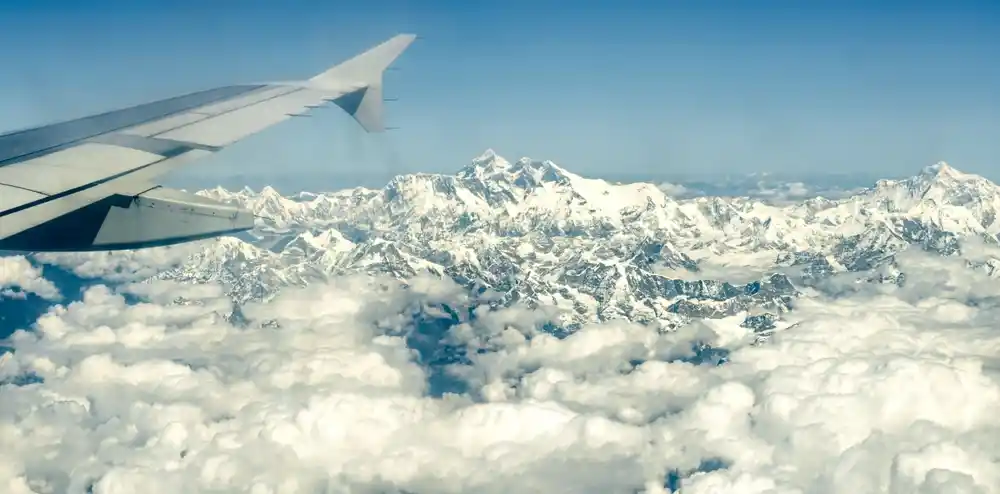
A flight that takes you closest to the world’s highest mountain, Mt. Everest, in under an hour. Along the way, you’ll also spot Shisha Pangma (8,013m), Gaurishanker (7,134m), Melungtse, Cho Oyu (8,201m), Pumori, Nuptse, Lhotse, Langtang, and Dorje Lakpa. Flights leave Kathmandu between 7 and 9 in the morning.
Tihar Festival: Nepal’s Festival of Lights (Nov 7–11)
If your November trip overlaps with Tihar, you’re in for a treat. This five-day festival of lights fills Kathmandu’s old streets, Patan’s Durbar Square, and Bhaktapur with oil lamps and marigold garlands after dark.
| Date | Day | What Happens |
| Nov 7 | Kaag Tihar | Crows honored as messengers |
| Nov 8 | Kukur Tihar & Laxmi Puja | Dogs honored; homes lit for the goddess of wealth |
| Nov 9 | Gai Puja | Cows honored |
| Nov 10 | Mha Puja | Self-worship day; start of Nepal Sambat 1147 |
| Nov 11 | Bhai Tika | Sisters bless brothers with tika and gifts |
Groups of singers called Deusi-Bhailo go door to door in the evenings, and homes decorate their entryways with rangoli patterns and marigold garlands. Don’t leave without trying sel roti, the ring-shaped rice doughnut sold everywhere during the festival.
A few things to keep in mind: government offices close Nov 8–12, so handle visa extensions or trekking permits before Nov 7. Hotels, buses, and flights also book up fast during this week, so plan ahead if your trip overlaps these dates.
Wildlife & Jungle Safari
Nepal’s varied topography is rich in flora and fauna, and jungle safaris, jungle walks, and boat rides are a fantastic way to witness it up close.
Chitwan National Park
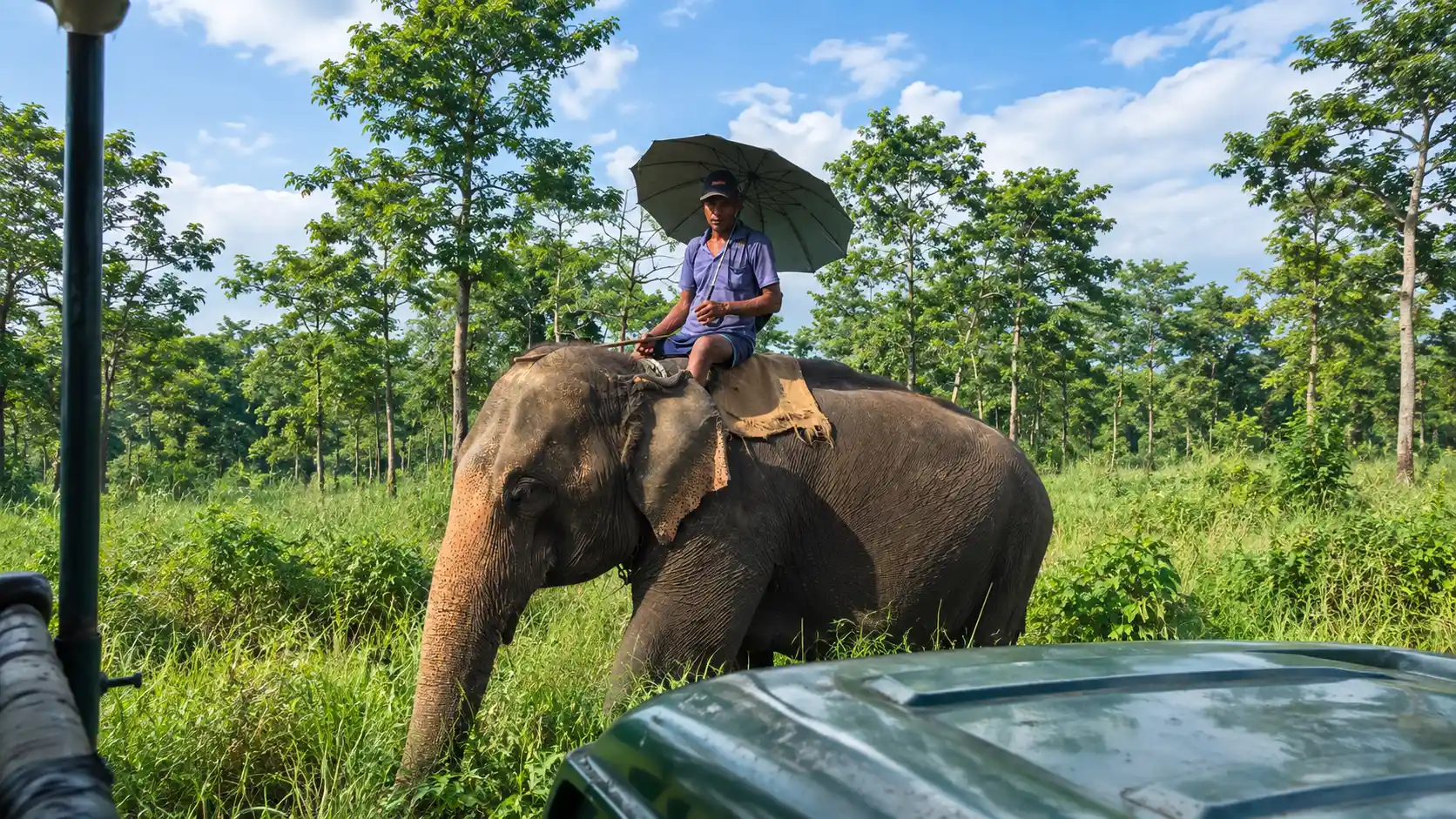
Nepal’s most-visited wildlife park. In November, the weather is neither too hot nor too cold, making it ideal for exploring this sprawling area of lush jungles and grassy plains. You can spot one-horned rhinos, elephants, gharial crocodiles, and over 500 bird species in their natural habitat, and if you’re lucky, even the elusive Bengal tiger. A night in a wildlife tower is a real highlight, though it’s worth confirming basic safety measures with your lodge beforehand.
Bardia National Park
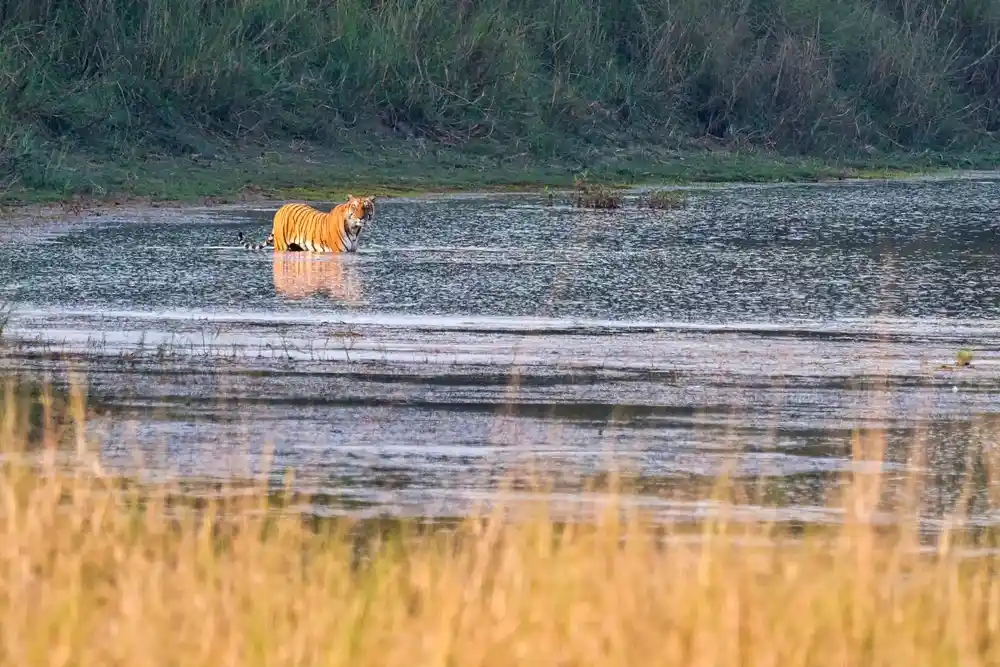
Covering 968 sq. km in the far-west Karnali basin, Bardia is the most undisturbed national park in the country and a great alternative to the popular Chitwan. It’s known for tiger tracking with experienced trackers, along with gharial crocodiles, Gangetic river dolphins, swamp deer, one-horned rhinoceros, and wild elephants.
Banke National Park
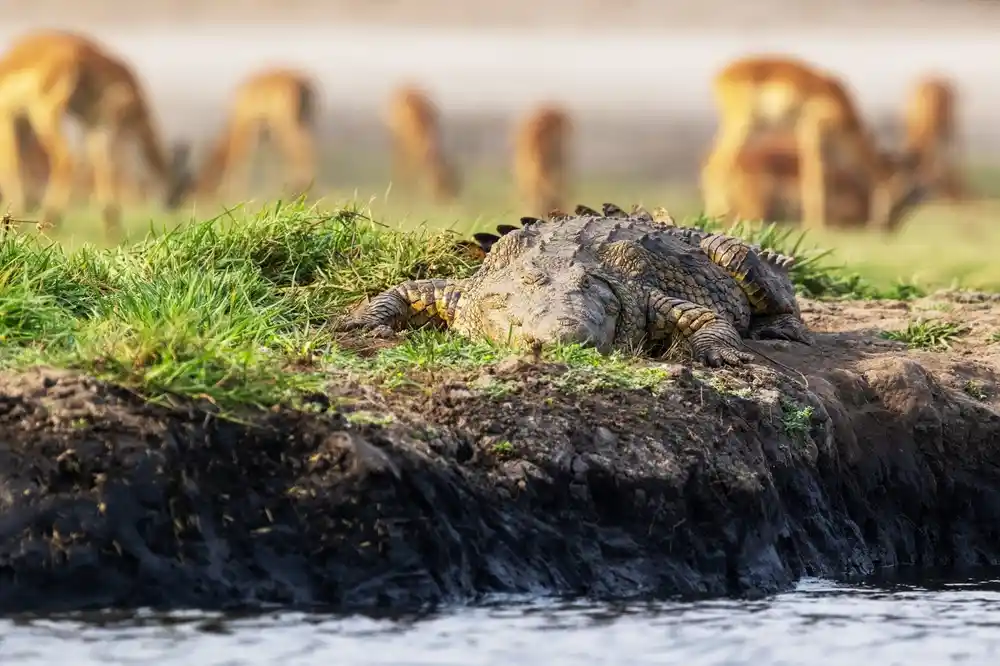
Sitting right next to Bardia, Banke was created specifically to help preserve Nepal’s tiger population. Together, the two parks form a connected tiger conservation corridor. It’s a quieter option for trekking, hiking, and jeep safaris.
Parsa National Park
A wildlife reserve spread across three districts, Parsa is home to around 20 Bengal tigers and was once a royal hunting ground. Today it’s open for jungle safaris, trekking, and hiking, and sees only a fraction of the visitor numbers Chitwan does.
Shuklaphanta National Park
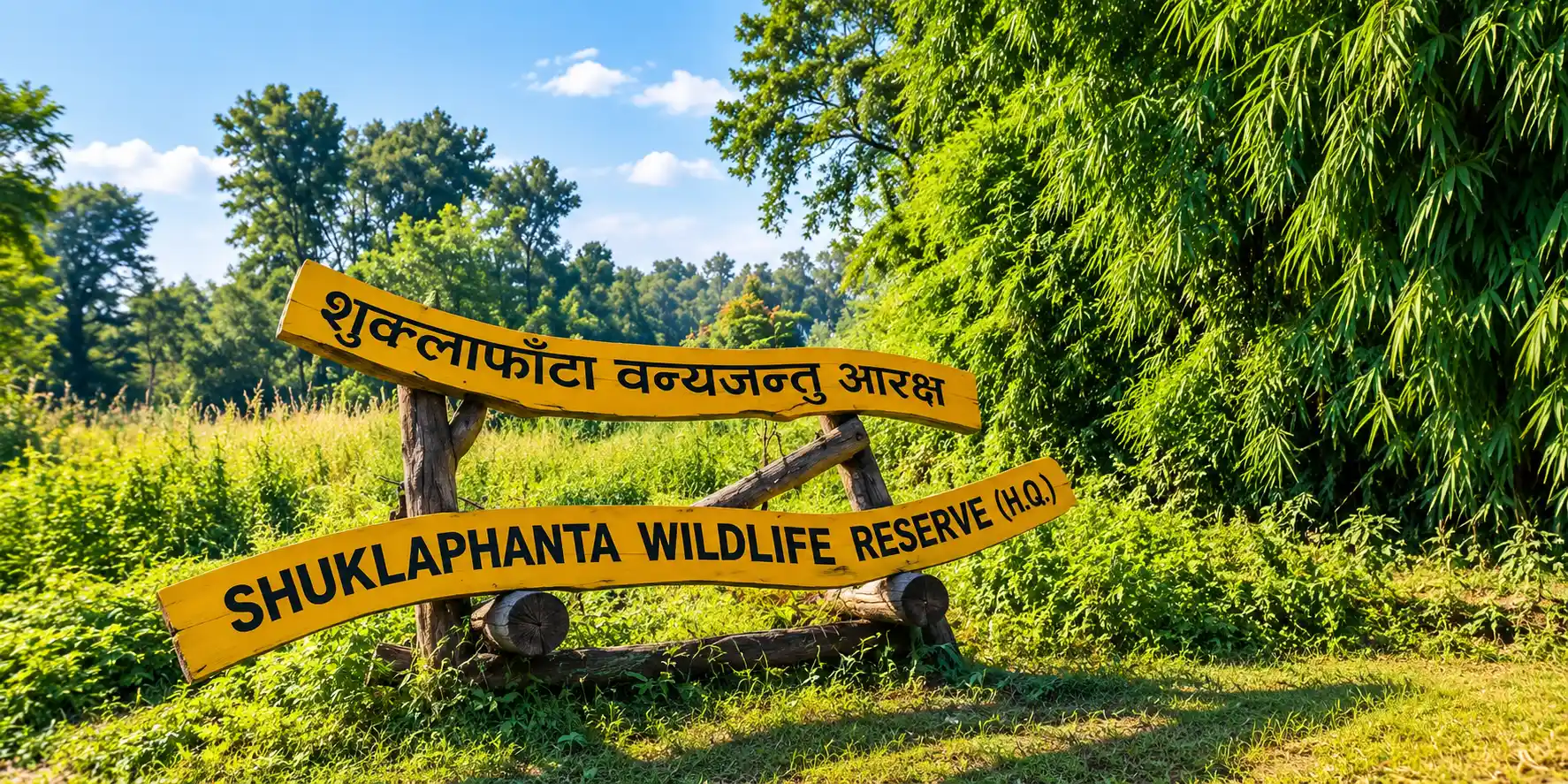
Located in the far-western Terai, this park is best known for hosting the world’s largest herd of swamp deer, alongside wild elephants, Bengal tigers, and over 400 bird species. Its open grasslands make wildlife spotting especially easy, and November through February is considered the best season to visit.
Koshi Tappu
Nepal’s top spot for migratory birds, Koshi Tappu works well as a short 1–3 day add-on to a longer trip.
Across all these parks, choose a licensed naturalist guide and skip elephant rides, which raise real animal welfare concerns.
Adventure Sports in Nepal: Best Picks for November
Nepal’s dramatic landscape and network of Himalayan rivers make it a top destination for adventure sports. November’s dry weather is ideal for most of these activities, though a few routes need a quick check first due to this year’s floods.
Zip Lining
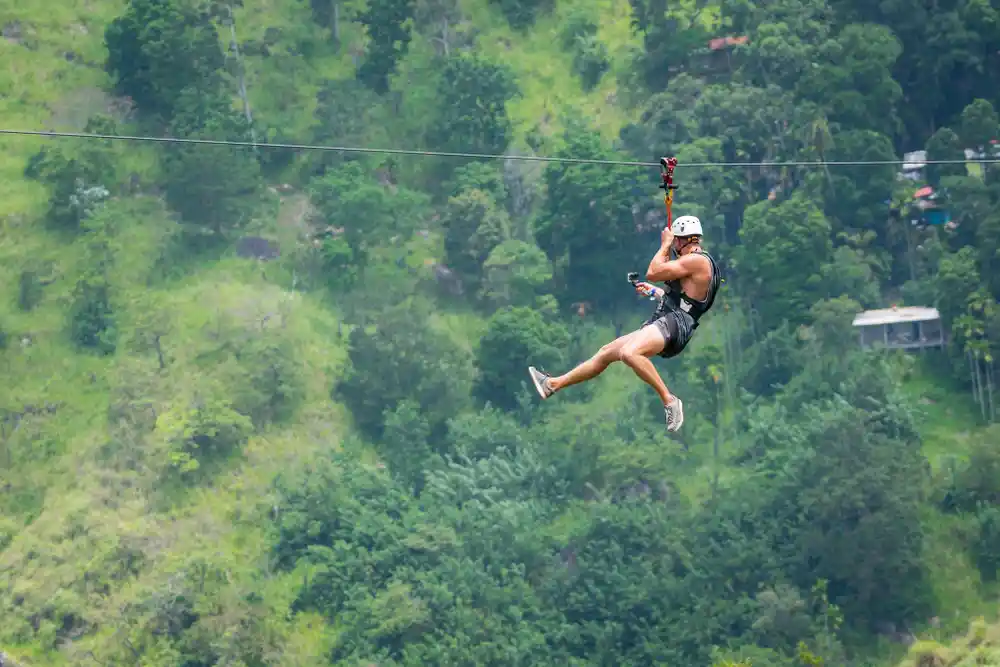
Nepal has two main zipline spots. Pokhara’s zipline is about 1.8km long and among the fastest in the world, reaching speeds up to 120 km/hr. Dhulikhel’s zipline is shorter, around 1.1km, and offers a calmer ride with great valley views.
Bungee Jumping
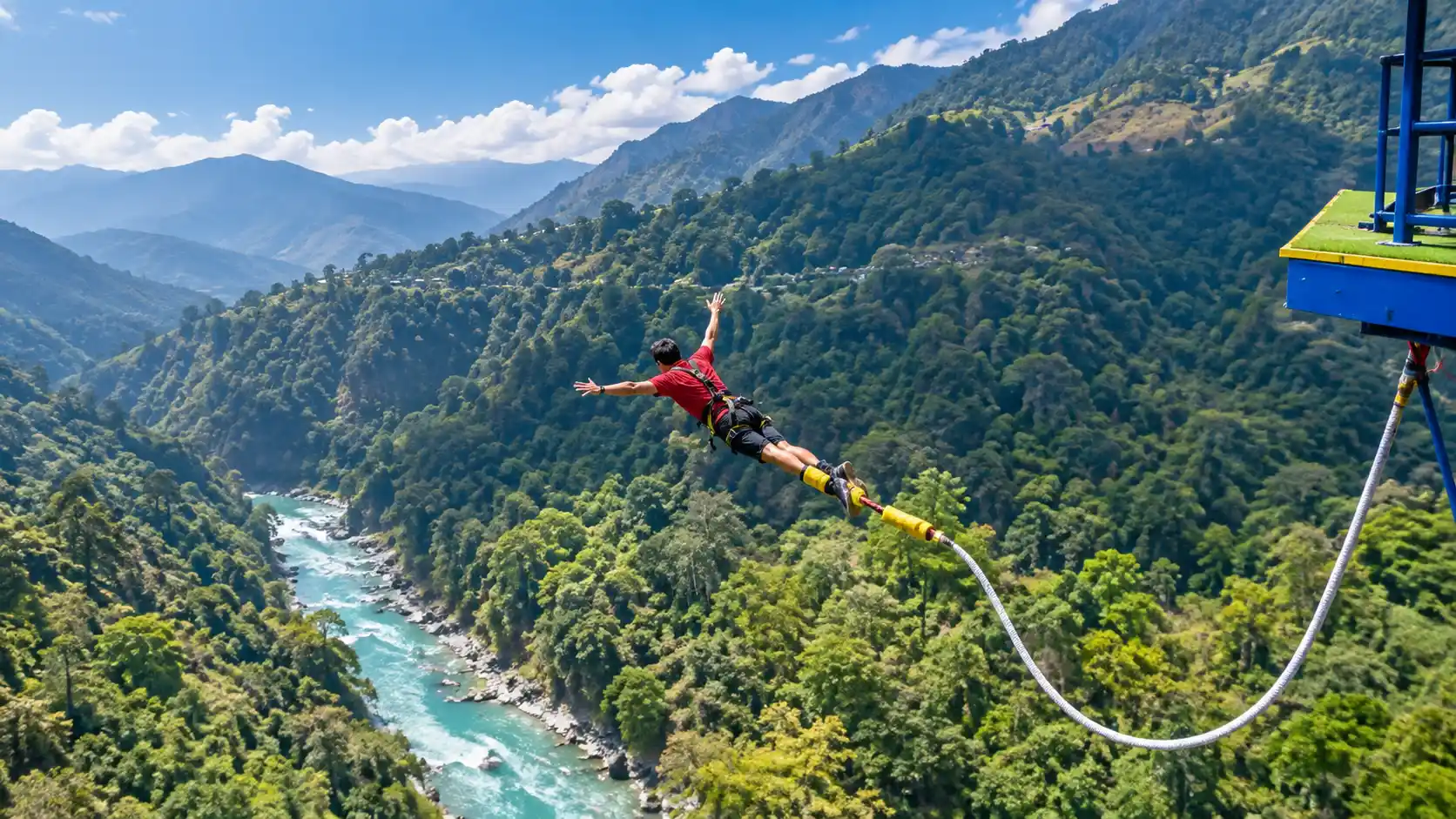
Nepal has a few bungee spots to choose from. The Tatopani jump near Sindhupalchok is one of the most popular in Asia, dropping about 160m into the Bhote Koshi river, though it’s worth confirming current access given this year’s flooding in that corridor. Pokhara’s tower bungee drops about 70m and is a great option for first-timers. A newer jump near Kushma (Parbat) is also available.
Canyoning
The stretch between Kathmandu and Pokhara, on the way to Chitwan, is the best area for canyoning, exploring deep ravines in a thrilling, immersive adventure. Since these trips often run along the Kathmandu–Pokhara highway corridor, check the road status before booking.
White Water Rafting
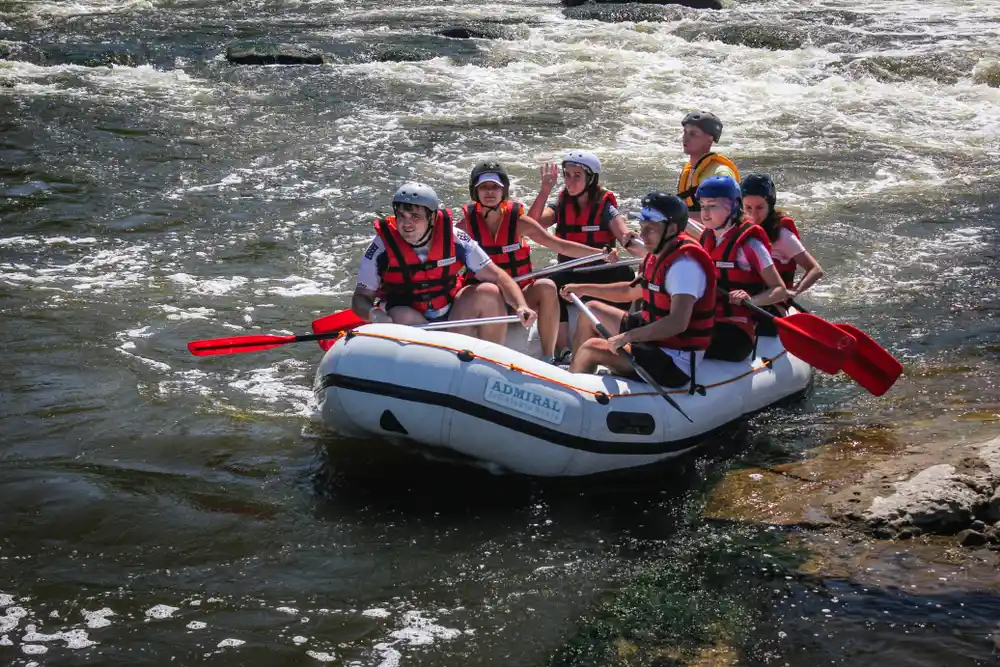
Nepal’s rivers offer rafting trips ranging from a single day to a ten-day expedition. This season, Trishuli River trips are affected by flooding, so ask your operator about Seti, Kali Gandaki, or Sun Koshi as reliable alternatives instead.
Motorbike Touring Across Nepal
Riding across Nepal’s winding mountain roads offers total freedom and spectacular views, though the roads can be unpredictable with potholes and rough sections. This time of year works well for it, since dry roads mean a lower risk of landslides compared to monsoon season, but some flood-damaged sections may still need repair, so check your specific route beforehand.
Before booking any of these activities, check your travel insurance policy: many standard plans don’t cover bungee jumping, canyoning, or high-altitude adventure sports without an add-on.
Slow Travel: Farmstays, Yoga & Nepali Cuisine
If you want to slow down and experience Nepal beyond the trekking trails and sightseeing spots, these options offer a more personal, immersive side of the country.
Farmstays & Homestays
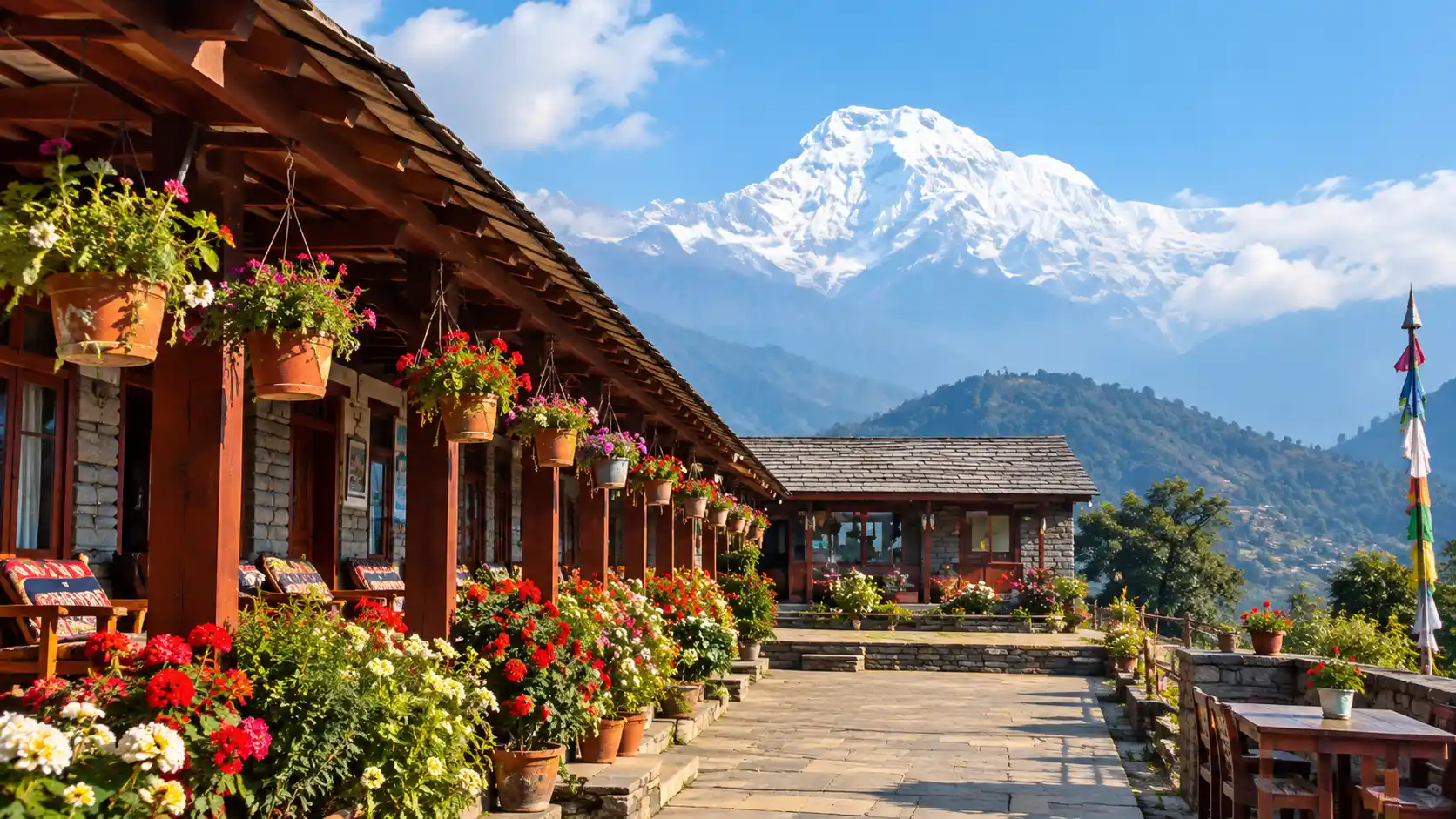
Homestays are popular across Nepal, especially in places like Kathmandu and Pokhara. You stay with a local family and get a closer look at their daily life, traditions, food, and cooking. Farmstays offer a more hands-on rural experience, where you can stay on a working farm, help with simple farm activities, and learn how local farmers live and work.
November can be a good time to experience rural life because the hill rice harvest is still taking place in some areas. You may see farmers cutting, drying, and storing rice in the fields. Homestays and farmstays also tend to have better availability than during October, but Tihar week can still be busy. If your trip falls around November 7–11, booking your stay early is a good idea.
Yoga & Meditation Retreats
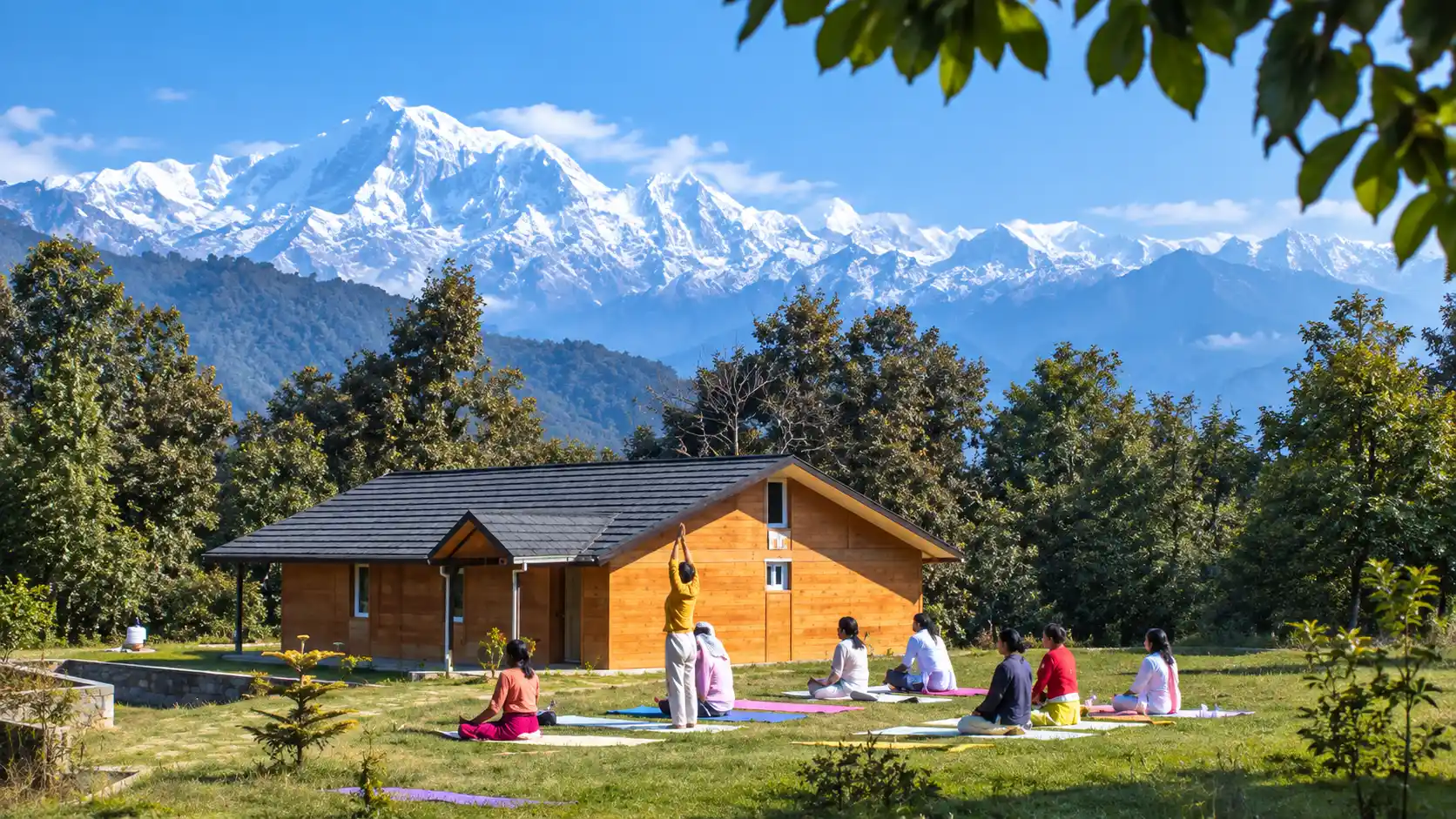
Nepal has many yoga and meditation retreats, most held outdoors surrounded by nature, letting you reconnect while enjoying November’s crisp, open air. If a full retreat isn’t for you, local monasteries and nunneries often offer short courses on meditation and yoga, some with added spiritual guidance. If you’re new to this, expect early mornings, simple food, and a slower pace than a typical vacation.
Try Nepali Cuisine
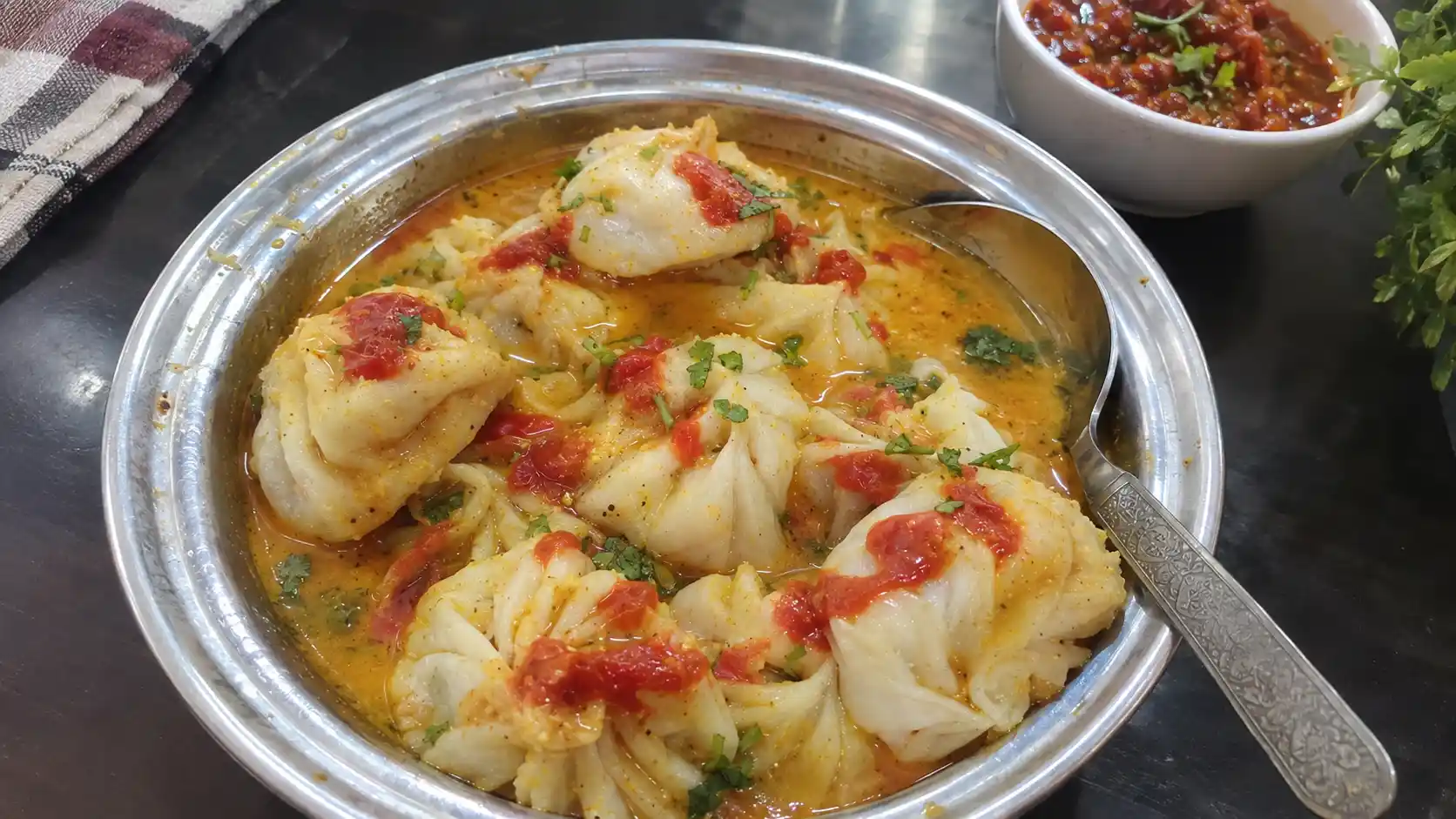
Food is one of the best ways to understand Nepali culture. Don’t miss the staples: dal-bhat-tarkari and momo, along with sel roti if you’re around during Tihar, or juju dhau (a thick, sweet yogurt) if you’re in Bhaktapur. If you enjoy cooking, sign up for a local momo-making or dal-bhat-tarkari class. It’s peak season for travelers too, so restaurants, lodges, and cafés are all open and running.
5 Tips for Planning a Nepal Trip in November
- Choose the Right Time: Early November is busy due to Tihar, while late November is quieter and colder. Book early for festival dates.
- Plan Your Itinerary: For 5–6 days, visit Kathmandu and Pokhara. With 9–10 days, add Poon Hill. For 14+ days, consider Everest Base Camp or the Annapurna Circuit.
- Check Transportation: Check road conditions before traveling. Flights between Kathmandu and Pokhara can save time, but weather delays are possible.
- Pack Warm Clothes: Bring thermal layers, a warm jacket, gloves, and wool socks. Pack a sleeping bag for high-altitude treks.
- Set Your Budget: Plan for hotels, food, transport, permits, and guides. Book flights and treks early, especially during Tihar.
Conclusion
A November trip to Nepal gives you the chance to experience the country in many different ways, from exploring ancient cities and local traditions to enjoying wildlife and outdoor adventures. Whether you prefer a peaceful getaway or an active holiday, you can create a trip that suits your interests and travel style.
Before you set off, check local travel conditions and prepare for colder temperatures in the mountains. For help choosing activities or planning a personalized Nepal trip, contact Himalaya Hub.
More Nepal Travel Guides
Best Easy Treks in Nepal in November
Cheapest Treks in Nepal for Budget Travelers
Solo Travel in Nepal in November
Trekking in Nepal in December After November
Trekking in Nepal in Autumn from September to November
Frequently Asked Questions
What is the best thing to do in Nepal in November?
Trekking is the top draw, thanks to clear skies and dry trails. If you’re not up for a multi-day trek, an Everest mountain flight or a few days in Kathmandu during Tihar (Nov 7–11) offer a strong taste of the country in less time.
Is November too cold to visit Nepal?
No, but it depends on altitude. Kathmandu and Pokhara stay mild during the day. At trekking altitudes like Everest Base Camp, nights can drop to -10°C or colder, so pack proper cold-weather gear if you’re heading into the mountains.
Do I need a guide to trek in Nepal in November?
Some restricted areas, like Upper Mustang and Manaslu, legally require a licensed guide. Elsewhere, a guide isn’t always mandatory but is strongly recommended, especially for first-time trekkers or anyone heading above 3,000 meters.
Can I see Everest without trekking?
Yes. An early-morning mountain flight from Kathmandu, a helicopter tour, or a hike up Nagarkot or Sarangkot all offer mountain views without a multi-day trek.
What can I do in Nepal in November without trekking?
Plenty. Tour Kathmandu’s temples, watch Tihar’s lamp-lit streets, take a mountain flight, paraglide in Pokhara, track tigers in Bardia, or join a cooking class or homestay. November suits both trekkers and non-trekkers equally well.
Is Langtang open in November?
No, not currently. The access road remains closed and a US travel advisory is in place as of our last check. Poon Hill, Mardi Himal, or the Everest View trek are better options this season.
Are Bhote Koshi bungee and rafting affected by the floods?
Check carefully, since two different rivers share the name Bhote Koshi. Confirm with your operator which river and specific site they mean before assuming a booking is affected or unaffected.
When is Mani Rimdu in?
It doesn’t fall on a fixed date, since it follows the lunar calendar and can vary by monastery. Check directly with the specific Sherpa monastery you plan to visit rather than assuming it lines up with a November trekking trip.
Is it worth visiting Chitwan or Bardia this year?
Yes, both are good choices. Chitwan’s main hub, Sauraha, is operating normally, though some riverside lodges were more exposed to August’s flooding. Bardia sits in the far-west Karnali basin, away from the affected corridor, making it a solid alternative.
How busy is Nepal in November?
Very busy in the first half of the month, especially around Tihar and on popular trekking routes. It quiets down noticeably after Nov 11, so late November suits travelers who prefer fewer crowds.
Should I drive or fly between Kathmandu and Pokhara this year?
Flying is the more reliable option right now, given landslide damage along the highway near Krishnabhir. If you do plan to drive, check the day-of road status and build in extra time.
0 Comment