


The Manaslu Circuit Trek is a hard and challenging trek, but it rewards brave hikers with some of the most beautiful and remote views in Nepal. You might be asking, “Is the Manaslu Circuit Trek difficult?” or wondering if it is right for you. You’re not alone. This guide explains the challenges of the trek and how to prepare, so you can decide with confidence.
The trek has very high mountain passes, rough trails, and high-altitude paths. It is not only a physical challenge but also a mental and emotional one. The trail goes around Mount Manaslu (8,163 meters / 26,781 feet), the eighth highest mountain in the world. Along the way, you will see amazing mountain views, visit villages influenced by Tibetan culture, and enjoy a quiet adventure away from the busy Everest and Annapurna regions.
But this trek is not easy. Altitude sickness is a real risk. The walking days are long, and there are fewer facilities along the trail. Still, with good preparation and a positive attitude, many trekkers with different levels of experience have completed it, and you can too.
In this complete guide to the difficulty of the Manaslu Circuit Trek, we cover:
- The physical and mental challenges
- Altitude risks and the need to acclimatize
- Trail conditions and how remote the area is
- Training tips, expert advice, and safety steps
Whether you are an experienced hiker or planning your first trip to the Himalayas, this guide will help you understand why the Manaslu Circuit Trek is both challenging and deeply rewarding.
What Is a Strenuous and Demanding Trek?
The Manaslu Circuit Trek is often called strenuous, and for good reason. In just 13 trekking days, you climb from Machha Khola (800 meters / 2,625 feet) up to Larkya La Pass at 5,106 meters (16,929 feet).
It’s a huge feat to climb over 4,300 meters in less than two weeks. You’ll need to walk for 6 to 9 hours each day. The route passes through steep valleys, rocky roads, long suspension bridges, and small mountain villages. The air gets thinner as you climb. The weather in the Himalayas can change quickly. Also, the services along the way are few and far between, and the facilities are mediocre. All of this means you’ll need physical strength and a strong mindset.
But don’t let the word “strenuous” scare you. This trek is possible for fit, first-time trekkers. Himalaya Hub Adventure has guided people from 10 to 70 years old on the Manaslu Circuit. You do not need hiking experience. You just need a good level of fitness, a positive attitude, and the ability to walk at a steady pace.
With Himalaya Hub Adventure’s well-planned 13-day itinerary, including rest days to adjust to the altitude and expert local guides, even beginners can enjoy the wild beauty of Manaslu in a safe and confident way. It is challenging-but it is also unforgettable and achievable.
Tell us your travel plans and we'll create a personalized itinerary based on your budget, interests, and schedule.

What Is the Manaslu Circuit Trek?
The Manaslu Circuit Trek is a long mountain walk around the world’s eighth-highest peak in Nepal. You cover a distance of about 177 km (110 miles) through the Gorkha District. The trail passes ancient villages, deep gorges, and high mountain passes. It remains one of Nepal’s least crowded major treks.
Here are the key facts at a glance:
| Feature | Details |
| Total Distance | 177 km (110 miles) |
| Duration | 13–16 days |
| Maximum Elevation | 5,106m (Larkya La Pass) |
| Difficulty Level | Strenuous |
| Best Season | March–May / September–November |
| Required Permit | RAP + MCAP + ACAP + TIMS |
| Guide Required | Yes (by law) |
Official Difficulty Rating – What Does It Really Mean?
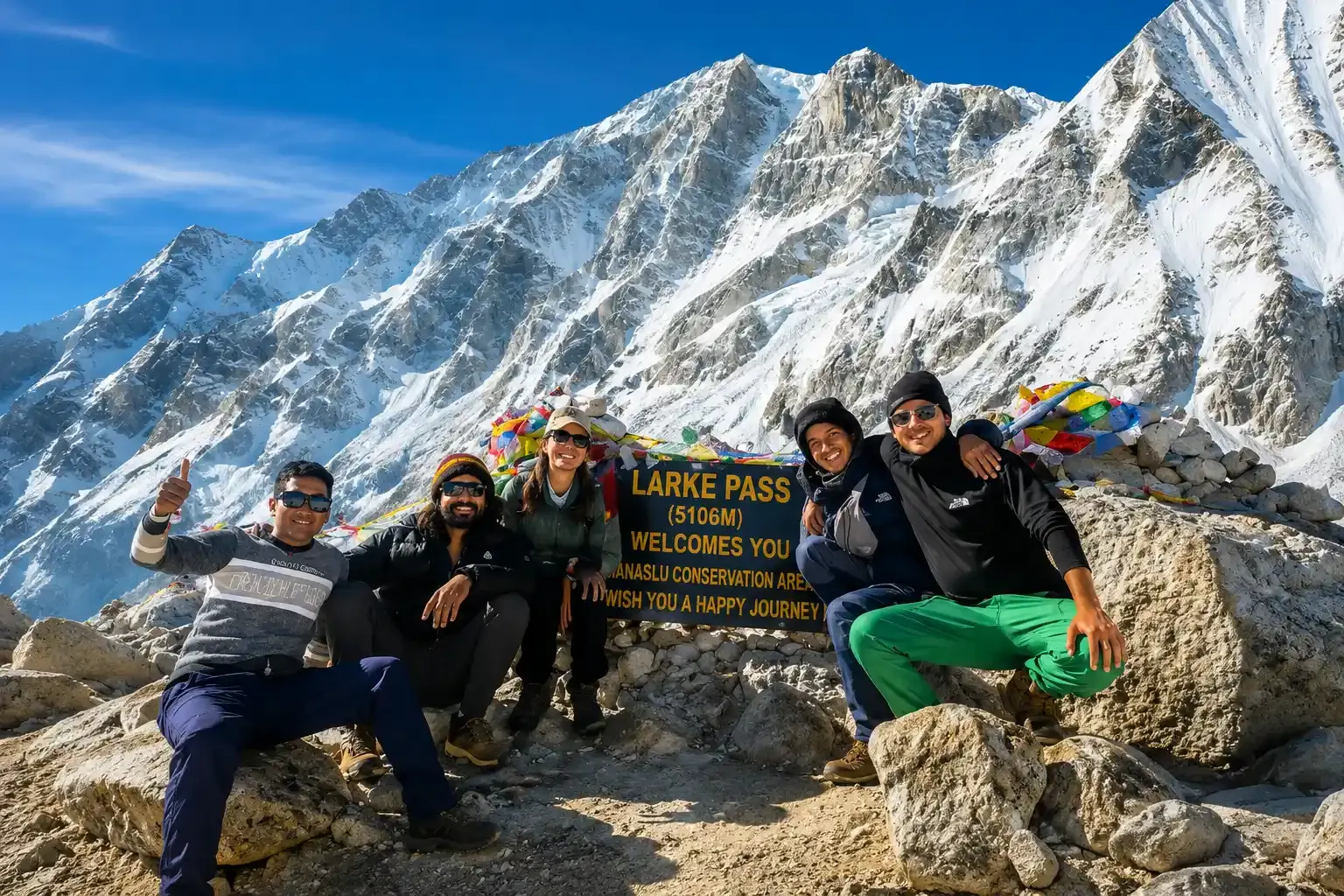
The Manaslu Circuit Trek is officially rated “Strenuous” – the second hardest category in Nepal trekking. Nepal classifies treks as Easy, Moderate, Strenuous, or Extreme. Strenuous means long daily walks, high elevation, and challenging terrain. It does NOT mean you need to be a professional athlete.
| Trek | Height Point | Altitude | Difficulty | Duration | Crowd Level |
| Manaslu Circuit | Larke pass | 5,106m | Strenuous | 12-16 days | Low |
| Everest Base Camp | Kala Patthar | 5,545m | Strenuous | 12-14 days | High |
| Annapurna Circuit | Thorong La Pass | 5,416m | Moderate-Strenuous | 12-21 days | Moderate |
| Langtang Valley | Kyanjin Ri | 4,773m | Moderate | 7-10 days | Moderate |
| Upper Mustang | Lo Manthang | 3,840m | Moderate | 10-18 days | Low |
Key Factors That Make Manaslu Circuit Difficult
The Manaslu Circuit Trek is one of Nepal’s most challenging tea house treks. Its difficulty comes from high altitude, long walking days, remote mountain villages, rough trails, and unpredictable weather. Trekkers must cross Larkya La Pass at 5,106 meters, deal with steep elevation gain, and spend many days far from modern facilities. Understanding these challenges helps you prepare properly and increases your chances of completing the trek safely and comfortably.
High Altitude and Elevation Gain
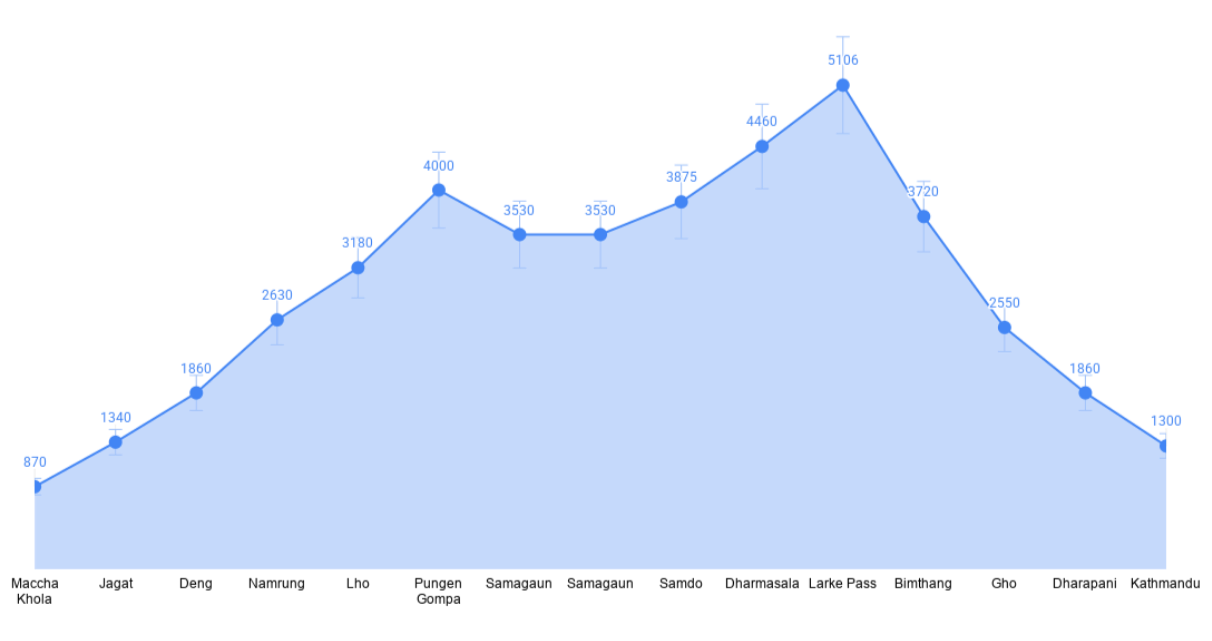
High altitude is one of the biggest reasons the Manaslu Circuit is difficult. Most trekkers start around Machha Khola at about 930 meters and gradually climb through Jagat (1,340m), Namrung (2,630m), Samagaon (3,530m), Samdo (3,875m), Dharamsala (4,460m), and finally Larkya La Pass (5,106m). The day-by-day elevation gain is steady, but the body still needs time to adjust.
Acclimatization becomes very important once you go above 3,500 meters, where the risk of altitude sickness increases. Larkya La Pass sits well above the danger zone and tests both fitness and endurance. Over the full trek, hikers gain and lose thousands of meters in elevation, which adds significant physical strain even for experienced trekkers.
Larkya La Pass – The Most Challenging Section
Larkya La Pass is the toughest part of the Manaslu Circuit Trek. Trekkers usually start before dawn to cross the pass before afternoon winds and changing weather. The crossing takes 8–12 hours over steep climbs, thin air, and long descents. Sudden snow, fog, or strong winds can make conditions dangerous, requiring good fitness, mental resilience, and flexibility in the trekking schedule.
Trail Conditions and Terrain
The Manaslu Circuit features rugged terrain, including rocky paths, steep stone steps, forest trails, narrow cliff sections, and over 100 suspension bridges. Landslides may affect parts of the route after heavy rain, while snow and ice near Larkya La Pass can make trekking more difficult. Since trail markings are not always clear, hiring a guide is highly recommended.
Remoteness and Isolation
The Manaslu Circuit’s remote location makes the trek more challenging. Many villages are far from roads, hospitals, and emergency services, and helicopter evacuation can be expensive without insurance. Medical facilities are basic, teahouses become simpler at higher elevations, and mobile coverage is often unreliable. The lack of modern conveniences, combined with long trekking days and changing weather, requires good preparation and self-sufficiency.
Weather and Climate Challenges

 -14°C
-14°C
- Temperature
- Precipitation
- Rain Chance
- Wind
- Humidity
- Pressure



Weather plays a major role in the difficulty of the Manaslu Circuit Trek. Spring (March to May) and autumn (September to November) offer the most stable conditions and are considered the best seasons for trekking. In the lower valleys, daytime temperatures often range from 10°C to 25°C. At higher elevations, nighttime temperatures can fall between -10°C and -20°C, especially near the pass.
Strong winds are common around Larkya La and can make the crossing much harder. Weather can change quickly, even during the best trekking months. The monsoon season from June to September brings heavy rain, muddy trails, landslides, and swollen rivers. Winter from December to February brings deep snow and extreme cold, sometimes making the pass impossible to cross.
Trek Duration and Daily Walking Hours
The Manaslu Circuit Trek typically takes 12–16 days, with daily hikes lasting 6–8 hours (). The longest day is the Larkya La Pass crossing, which can exceed eight hours. Consecutive days of climbing and descending cause cumulative fatigue, making acclimatization and rest days essential for a safe and successful trek.
Infrastructure and Facilities
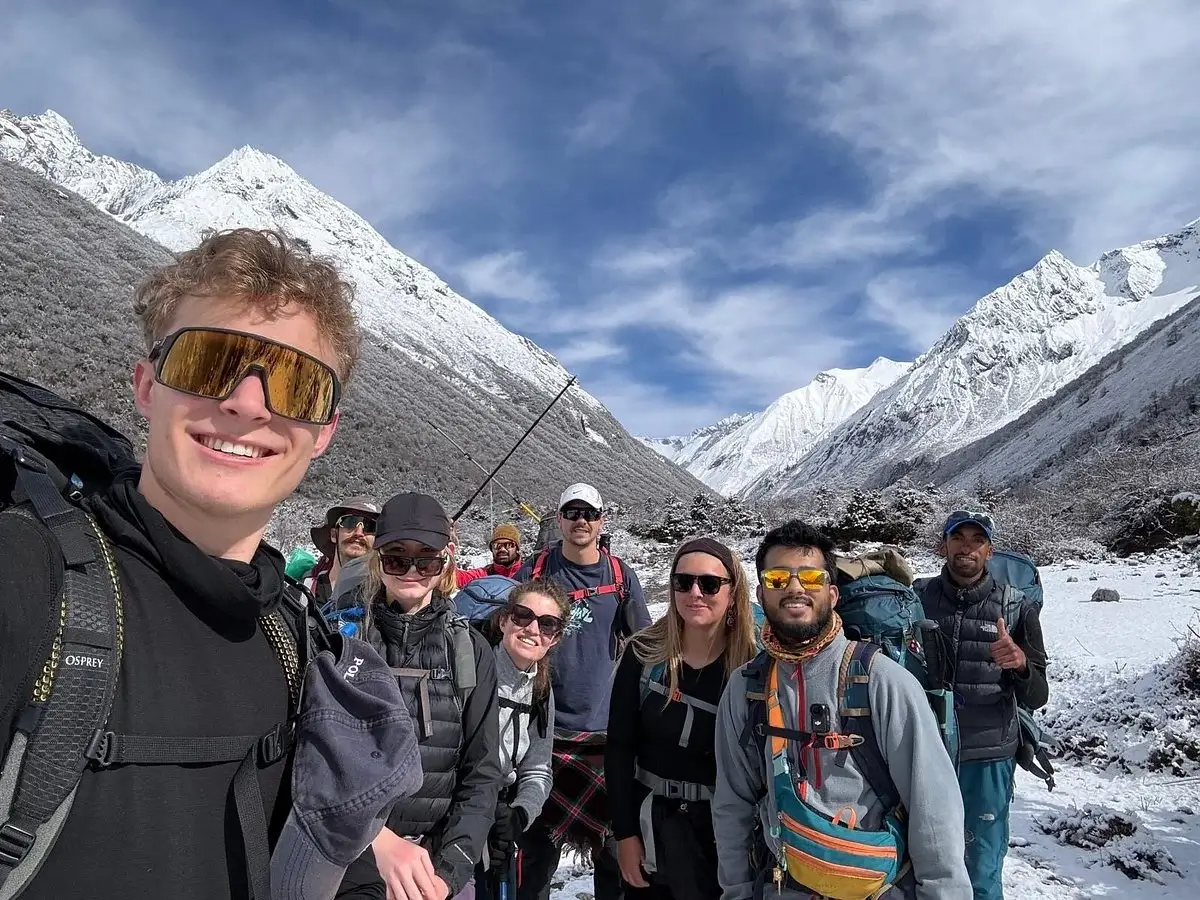
Facilities on the Manaslu Circuit are basic compared to other popular trekking routes. Teahouses provide simple accommodation and meals, but food options become more limited at higher elevations. Electricity, hot showers, and Wi-Fi are available only in some villages, often for an extra fee, while toilet facilities remain basic. Trekkers should be prepared for limited comfort and connectivity.
Altitude Sickness on Manaslu Circuit
Altitude sickness is one of the most important risks on the Manaslu Circuit Trek. As you climb higher into the mountains, the air contains less oxygen, making it harder for your body to function normally. Many trekkers reach elevations above 3,500 meters, where altitude-related problems become more common. Learning how altitude sickness works, following a proper acclimatization plan, and knowing how to respond to symptoms can help you stay safe and enjoy the trek.
Understanding Acute Mountain Sickness (AMS)
Acute Mountain Sickness (AMS) is the most common altitude-related illness and can develop above 2,500–3,000 meters, becoming more common above 3,500 meters on the Manaslu Circuit. Symptoms include headache, dizziness, nausea, fatigue, loss of appetite, and poor sleep. More severe conditions, including HACE (brain swelling) and HAPE (fluid in the lungs), are life-threatening medical emergencies that require immediate descent and prompt medical treatment.
Acclimatization Schedule on Manaslu Circuit
Proper acclimatization reduces the risk of altitude sickness on the Manaslu Circuit. Most Manaslu Circuit trekking itineraries include a rest day in Sama Gaun (3,530 m), and sometimes another in Samdo (3,875 m) for gradual adjustment. Guides follow the “climb high, sleep low” approach, where trekkers ascend during the day and return to lower elevations to sleep. A slow, well-planned schedule helps the body adapt safely before reaching Larkya La Pass.
How to Prevent Altitude Sickness
Preventing altitude sickness on the Manaslu Circuit requires a slow ascent, proper hydration, good nutrition, and healthy habits. Above 3,000 meters, increasing sleeping altitude gradually and allowing the body to adapt is essential. Rest, sleep, and careful monitoring of symptoms also play a key role in reducing the risk of AMS.
Key prevention measures:
- Ascend slowly (300–500 m sleeping gain per day above 3,000 m)
- Stay well hydrated throughout the trek
- Consider Diamox (only after medical advice)
- Eat light, carbohydrate-rich meals for energy
- Avoid alcohol and dehydration
- Prioritize rest and proper sleep whenever possible
What to Do If You Get Altitude Sickness
Altitude sickness should always be taken seriously. Mild symptoms may improve with rest, hydration, and stopping further ascent, but worsening signs require immediate action. The most effective treatment is descent to a lower elevation. Severe cases, especially HACE or HAPE, need urgent evacuation and medical support.
Key actions:
- Stop ascending immediately if symptoms appear
- Rest, hydrate, and monitor symptoms closely
- Descend at least a few hundred meters if symptoms persist or worsen
- Seek emergency help for severe symptoms (HACE/HAPE)
- Use a Gamow Bag if available for temporary stabilization
- Arrange helicopter evacuation if necessary
- Ensure travel insurance covers high-altitude rescue
Physical Fitness Requirements
Good fitness is essential for the Manaslu Circuit Trek due to long walking days, steep climbs, high altitude, and demanding terrain. Trekkers walk 6–8 hours daily for nearly two weeks, often at elevations above 5,000 meters. Fitness improves endurance, recovery, and safety, even though it does not eliminate difficulty.
Minimum Fitness Level Required
The Manaslu Circuit Trek Fitness requires a moderate to high level of fitness. Trekkers should be able to walk for hours on steep, uneven trails with good cardiovascular endurance, leg strength, and balance. Prior trekking experience is helpful but not mandatory. Short multi-day hikes before the trek are strongly recommended.
How to Train for Manaslu Circuit Trek
Training should start 3–6 months in advance, focusing on endurance, strength, and stamina. Activities like hiking, running, cycling, and swimming improve cardio fitness. Strength training for legs, core, and back is important. Stair climbing with a backpack and weekend hikes help simulate real trekking conditions.
Who Should NOT Attempt This Trek
The Manaslu Circuit is not suitable for everyone, especially those with serious medical conditions or limited physical preparation. High altitude and demanding terrain can worsen certain health issues, so medical clearance is essential before planning the trek.
Not recommended for:
- People with serious heart or lung diseases
- Those with uncontrolled high blood pressure
- Individuals with significant health conditions without doctor approval
- Pregnant women (medical consultation required)
- Very inexperienced or physically inactive trekkers without preparation
Beginners, children, and older adults can still attempt the trek if they are healthy, well-prepared, and medically cleared.
Age Considerations
There is no strict age limit. Teenagers, adults, and seniors in their 60s or 70s can complete the trek with proper fitness and preparation. Success depends more on health, acclimatization, and pacing than age. Older trekkers should follow slower itineraries and monitor their condition carefully.
Manaslu Circuit Trek Difficulty by Area
The Manaslu Circuit varies in difficulty across stages. Early sections are moderate, but difficulty increases with altitude, steep climbs, and long walking days. The toughest part is Larkya La Pass (5,106 m). Shorter itineraries feel harder due to longer daily hikes and less acclimatization, while longer itineraries are safer and more manageable.
- Soti Khola to Jagat (700 m to 1,340 m): This section is easy to moderate. The trail passes rivers, forests, villages, and suspension bridges. Despite low altitude, constant ups and downs can still be tiring, especially in humid conditions.
- Jagat (1,340 m) to Deng to Namrung (up to 2,630 m): The route becomes steeper and more rugged as altitude increases. Walking becomes moderately difficult, and early signs of altitude may appear.
- Namrung (2,630 m) to Sama Gaun (3,530 m): This is moderate to strenuous due to rising altitude. Breathing becomes harder, and pace slows naturally. Sama Gaun (3,530 m) serves as the main acclimatization stop.
- Sama Gaun (3,530 m) to Samdo (3,875 m) to Dharmasala (4,460 m): This section is strenuous. Oxygen levels drop significantly, and terrain becomes more exposed and barren. Samdo (3,875 m) is often used for acclimatization before reaching Dharmasala (4,460 m).
- Larkya La Pass (5,106 m): The most difficult stage. The 16 km crossing takes 10–12 hours over snow, ice, and steep terrain. Extreme altitude, cold, and long descent make this very strenuous.
- Bimthang (3,720 m) to Dharapani (1,860 m): Moderate difficulty but physically exhausting due to long descent. Oxygen improves, but knee strain and fatigue are high after the pass.
Permits and Regulations That Affect the Trek
The Manaslu Circuit Trek requires permits and follows strict government regulations because the route passes through a restricted area near the Nepal–Tibet border. Every trekker must carry the correct permits and hire a licensed guide before entering the region. These rules help protect local communities, preserve natural resources, and improve safety in remote mountain areas. Understanding the permit system and guide requirements before your trip helps you avoid problems at checkpoints and plan your trekking budget correctly.
Required Permits
To complete the Manaslu Circuit Trek legally, you need three different permits. Each permit serves a specific purpose and is checked at various points along the route. Trekking agencies usually arrange these permits before the trek begins.
Restricted Area Permit (RAP)
The Restricted Area Permit (RAP) is the most important permit for the Manaslu Circuit. It allows foreign trekkers to enter the restricted section of the trail.
Peak Season (September – November):
- $100 per person for the first 7 days
- $15 per person for each extra day
Off-Season (December – August):
- $75 per person for the first 7 days
- $10 per person for each extra day
Trekkers spend 10 to 12 days in the restricted area, so the total RAP cost is usually higher than the base price. You cannot obtain this permit independently; a registered trekking agency must arrange it.
Manaslu Conservation Area Permit (MCAP)
The Manaslu Conservation Area Permit (MCAP) is required for everyone entering the Manaslu Conservation Area.
This permit costs:
- USD $30 per person.
The fees support environmental protection, wildlife conservation, and community development projects in the region. The permit also helps maintain trekking trails and local infrastructure. Trekkers must carry this permit throughout the journey and present it at checkpoints when requested.
Annapurna Conservation Area Permit (ACAP) – For the Final Section
The Annapurna Conservation Area Permit (ACAP) is required because the final section of the Manaslu Circuit enters the Annapurna Conservation Area after crossing Larkya La Pass.
The ACAP costs:
- USD $30 per person.
Like the MCAP, the permit helps fund conservation programs, trail maintenance, and local community projects. Trekkers need this permit even if they only spend a short time in the Annapurna region before finishing the trek.
Mandatory Guide Requirement
A licensed guide is mandatory for the Manaslu Circuit Trek, as independent trekking is not allowed in this restricted region of Nepal. Guides assist with navigation, permits, accommodation, and emergencies, while also monitoring altitude sickness and providing safety support. The cost is usually USD $25–$40 per day. Trekkers can hire a private guide or join a group tour, both of which meet legal requirements and improve safety.
Safety Tips to Manage the Difficulty
The Manaslu Circuit Trek involves high altitude, remote terrain, and long trekking days, so safety should be a top priority throughout the journey. Careful planning and responsible trekking habits can significantly reduce risks and make the experience more manageable.
- Ascend slowly and respect altitude limits: Avoid rushing the itinerary and allow proper acclimatization, especially above 3,000 meters.
- Monitor altitude sickness symptoms: Pay attention to headaches, nausea, dizziness, or fatigue and act early if they worsen.
- Stay hydrated and eat regularly: Drink enough water and maintain energy with light, carbohydrate-rich meals.
- Never ignore rest days: Acclimatization days are essential for adjusting to high altitude safely.
- Follow guide instructions: Licensed guides understand weather, trail conditions, and emergency procedures.
- Avoid overexertion: Maintain a steady pace and take regular breaks during long trekking days.
- Be prepared for emergencies: Carry insurance that covers high-altitude evacuation and medical treatment.
- Use proper gear: Warm clothing, waterproof layers, and good trekking boots are essential for safety in changing conditions.
Emergency Protocols
Although serious emergencies are rare, every trekker should know what to do if one occurs.
What to Do in a Medical Emergency
If someone becomes seriously ill:
- Stop trekking immediately.
- Inform the guide or trekking leader.
- Move the person to a safe location.
- Monitor symptoms closely.
- Begin descent if altitude sickness is suspected.
- Contact emergency services if needed.
Fast action can save lives in the mountains.
Insurance Requirements for Helicopter Evacuation
Rescue helicopters in Nepal are expensive. Costs can range from several thousand dollars to over $10,000 depending on the location and situation.
Most rescue companies require:
- Valid travel insurance
- Emergency evacuation coverage
- Policy details and contact information
Keep digital and printed copies of your insurance documents during the trek.
Emergency Contact Numbers in Nepal
Important emergency contacts may include:
- Nepal Tourist Police (+977 1-5347041)
- Local trekking agencies (Your Trekking Agency)
- Helicopter rescue providers
- Your travel insurance emergency hotline
- Your country’s embassy in Nepal
Save all emergency numbers on your phone before the trek begins.
Psychological Difficulty – The Mental Challenge
The Manaslu Circuit Trek challenges both your body and your mind. Many trekkers prepare for the long walking days and high altitude, but they often underestimate the mental side of the journey. The trail passes through remote mountain villages, crosses high passes, and requires more than two weeks of steady effort. During the trek, you may face loneliness, fear, fatigue, and moments of self-doubt. Understanding these challenges before your trip can help you stay motivated and make better decisions on the trail.
Best and Worst Times to Trek (Difficulty by Season)
Season choice strongly affects the Manaslu Circuit difficulty due to changes in weather, temperature, and trail safety. Some seasons offer stable conditions and clear views, while others bring snow, rain, and hazards like landslides. Overall trekking difficulty varies more by season than by distance.
Spring Season (March–May) – Recommended
Spring is one of the best times for the Manaslu Circuit. Temperatures are mild, snow melts from lower trails, and weather is generally stable. Rhododendron blooms improve scenery. Trail conditions are good, and difficulty remains moderate. Although it is a popular season, the trek is still manageable with clear views and fewer weather disruptions.
Autumn Season (September–November) – Most Popular
Autumn is the most popular season that offers clear skies, dry trails, and excellent mountain views after the monsoon. Daytime weather is ideal for trekking, though nights become colder at higher elevations. It is the busiest season but still less crowded than other major treks. Difficulty remains moderate, with slightly increased challenge due to colder temperatures near higher altitudes.
Winter Season (December–February) – Expert Only
Winter is the most difficult season due to extreme cold and heavy snowfall. Temperatures can drop far below freezing, and Larkya La Pass may become blocked or dangerous. Some teahouses close, limiting support. Only experienced trekkers with proper gear attempt this season. Difficulty is very high due to weather, not distance.
Monsoon Season (June–August) – Not Recommended
Monsoon brings heavy rain, landslides, slippery trails, and leeches in lower regions. Mountain views are often blocked by clouds, and river crossings become risky. Travel is unpredictable, and many agencies avoid operating trips. Difficulty is very high due to hazardous conditions rather than altitude or distance.
Tips to Make Manaslu Circuit Easier
The Manaslu Circuit can be made much easier with proper planning, fitness, and smart trekking choices. Good preparation reduces fatigue, improves safety, and increases your chances of successfully completing the trek.
- Choose a longer itinerary (around 16 days): Allows better acclimatization and reduces altitude sickness risk.
- Hire a porter: Lightens your load and reduces physical strain on long climbs.
- Train 3–6 months before: Focus on hiking, cardio, and leg strength.
- Trek in spring or autumn: Best weather and safer trail conditions.
- Follow acclimatization days: Never skip rest days at higher altitude.
- Eat well and sleep properly: Supports energy and recovery.
- Use offline maps: Helpful due to weak or no mobile network.
- Hire a licensed guide: Improves safety, navigation, and emergency support.
- Get proper insurance: Must cover high-altitude trekking and helicopter rescue.
Conclusion
The Manaslu Circuit Trek is one of the most challenging and rewarding treks in Nepal. Its difficulty comes from several factors, including long walking days, high altitude, remote mountain terrain, and the demanding crossing of Larkya La Pass at 5,106 meters (16,752 feet). Unlike more developed trekking routes, the Manaslu region offers fewer facilities and requires greater physical and mental preparation. However, most well-prepared trekkers can successfully complete the trek when they follow a proper itinerary, acclimatize correctly, and trek with experienced guides.
So, is the Manaslu Circuit Trek worth it? For many trekkers, the answer is yes. The route offers spectacular mountain scenery, authentic Himalayan culture, peaceful trails, and a sense of adventure that is becoming harder to find on more crowded trekking routes. While the trek is not easy, the rewards often outweigh the challenges for those who arrive prepared.
This trek is ideal for people who enjoy multi-day hiking, want a less crowded alternative to Everest Base Camp, and are willing to accept some physical discomfort in exchange for an unforgettable experience. Trekkers who have good fitness, realistic expectations, and a positive attitude often find the Manaslu Circuit to be one of the highlights of their travels.
On the other hand, people who prefer luxury accommodations, dislike long days of walking, or are uncomfortable with remote mountain environments may want to consider easier trekking options in Nepal. The Manaslu Circuit requires commitment, patience, and preparation.
If you are willing to train, respect the altitude, and follow a well-planned itinerary, there is no reason to be intimidated by the challenge. Thousands of trekkers successfully complete high-altitude treks every year, and many of them start with little or no previous trekking experience. Careful preparation and smart decision-making are often more important than natural athletic ability.
Reviews


Himalaya Hub Adventure executive director Ramesh gave us all the necessary in...
Himalaya Hub Adventure executive director Ramesh gave us all the necessary information to make our holiday really special and memorable. He attended to all our needs and gave a highly competitive quote. He provided us excellent vehicles and drivers and guide.
We set out from Kathmandu by road and visited Manakamana temple on the way to Pokhara. After a day of sightseeing in Pokhara including watching sunrise from Sarangkot viewpoint, we took next day early morning public bus to Ghandruk from where started our trek towards Tadapani . It is an ancient trade route and gives really memorable and special experiences but unfortunately we had continuous rain from the moment we started the trekking. Due to the clouds we missed the beautiful views of Himalayas which this trekking route is really famous for. We also spent some tense time in Tatopani due to the landslides along Kali Gandaki river where our guide took some excellent decisions to keep us safe.
Overall it was a great experience.
Ramit is a very good guide - very caring, knowledgeable, and always making sure I was safe and comfortable. He managed everything perfectly from hotels to food to permits. The only downside was the weather. Because of heavy rain, we couldn't see the good views from Ghorepani/Poon Hill and the trail became quite slippery and dangerous in some parts. But that's nature, nothing anyone can control, and he handled it very professionally and kept me safe. He took excellent decisions when faced with challenges posed by extreme weather conditions such as choosing a hotel accommodation at higher ground to keep us in safety in case of a flood and landslide. He sought required information for taking decisions regarding our trekking progress in difficult weather. He tested the path for safe crossing to minimise the risks that we were exposed to. He listened to our special needs and requirements and tried his best to meet with them such as ensuite accommodation, hot water, vegetarian food etc. His choice of teahouses and hotels were excellent.
Highly recommend Himalaya Hub Adventures for Nepal holiday packages.
Highly recommend Ramit Surkheti for anyone planning to trek in Nepal.

This tour is in the Himalayan hills and is relatively easy (ave. 6 hrs trekking per day). Lovely village sceneries, see Nepali agriculture, walks through the jungle and stiff climbs sometimes. 💪🏽
Communication with Puru of Himalaya Hub Adventures to book the tour and get all the details was very smooth.
Highly recommended!

From the morning pickup, bus transport, and hotel in Pokhara, through each day of trekking and our return to Kath...
From the morning pickup, bus transport, and hotel in Pokhara, through each day of trekking and our return to Kathmandu, everything was taken care of seemlessly.
Their well trained guide/porter Karan made every effort to see that we had a great experience.
This was our second time using Himalaya Hub, we had an excellent Everest Base Camp trek with them in 2018, so naturally they were our first choice when we arrived in Kathmandu this year.


Kind thanks from Julie and Ida, we will always remember🙏🏼


A huge thank you to our guides, Rosha...
A huge thank you to our guides, Roshan and Bipin, who were outstanding—professional, knowledgeable, kind, and went above and beyond to make sure everyone felt safe, comfortable, and well looked after. Roshan was especially organised at the guesthouses and meal times, quickly getting us settled in after each day’s trekking and clearly explaining the plan for the next day.
I also have a severe nut allergy, which Roshan managed with great care throughout the trek, something I really appreciated.
If you’re considering trekking in Nepal, I couldn’t recommend Himalaya Hub Adventure highly enough.













Plan Your Hassle-Free Manaslu Circuit Trek With Himalaya Hub Adventure
Ready to experience one of Nepal’s most spectacular trekking adventures? The team at Himalaya Hub Adventure can help you plan every detail of your Manaslu Circuit Trek, from permits and transportation to guides, accommodation, and safety support. With expert local knowledge and professional service, you can focus on enjoying the journey while we handle the logistics.
Contact Himalaya Hub Adventure today to start planning your hassle-free Manaslu Circuit Trek.
0 Comment