
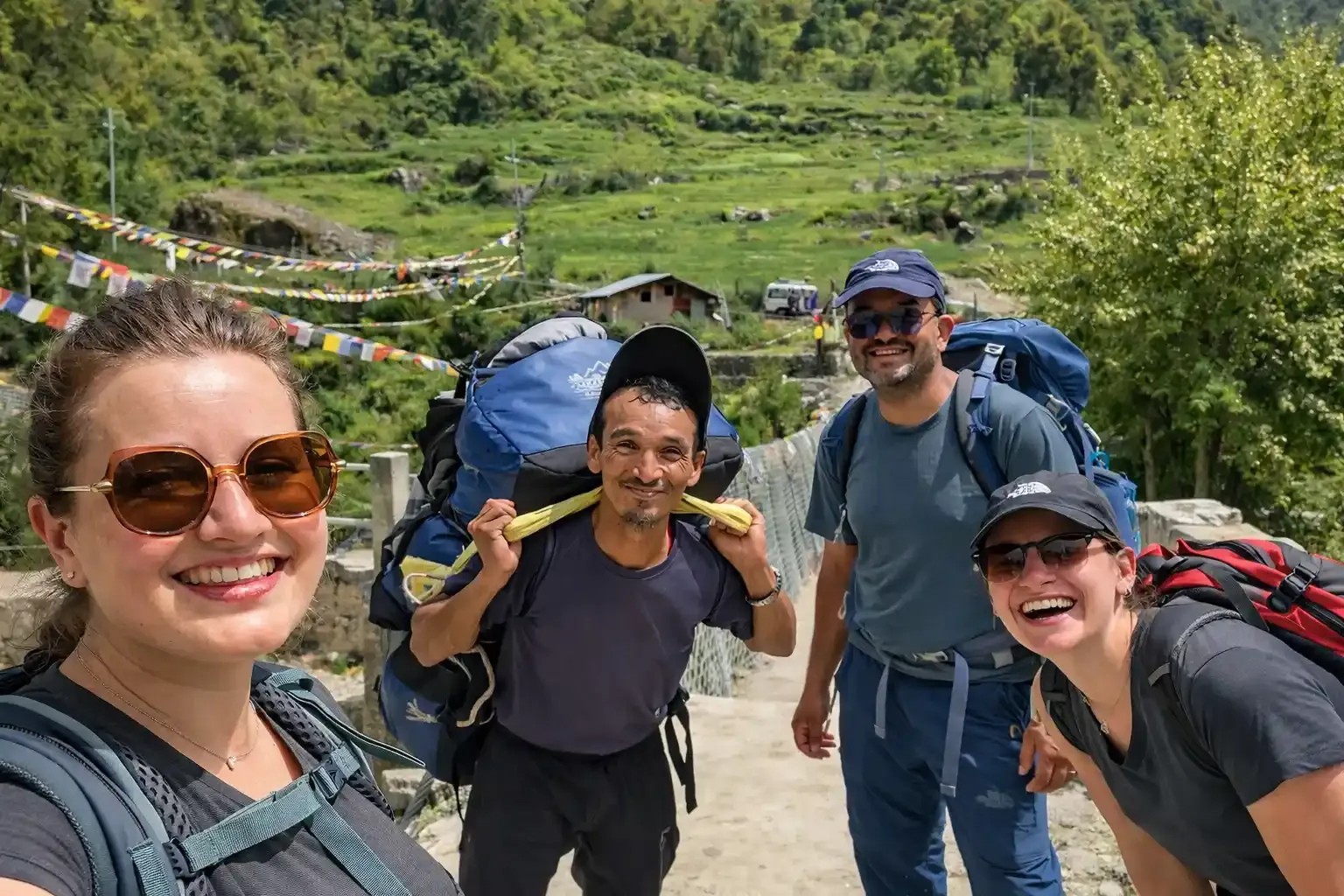

The best times to trek the Manaslu Circuit are Spring (March to May) and Autumn (September to November). These seasons offer the safest conditions, clearest views, and most comfortable temperatures for trekkers.
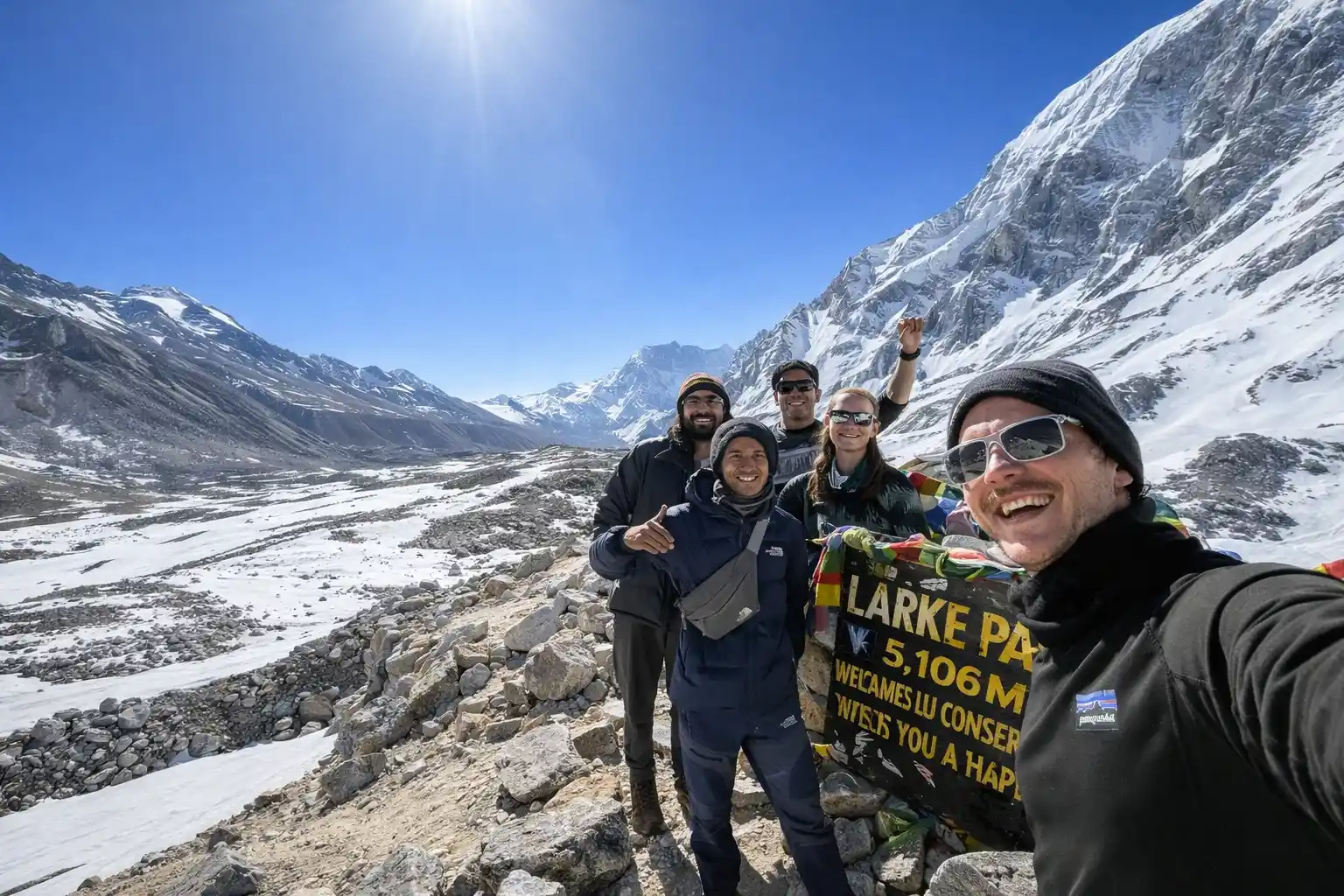
The Manaslu Circuit Trek is a 13-16 days journey around Mount Manaslu in Nepal. This mountain is the eighth highest in the world. The trail winds through green forests, traditional villages, and high mountain passes. Trekkers cross long rope bridges and climb to Larkya La Pass, which sits at 5,106 meters above sea level. This trek offers stunning scenery without the large crowds found on more popular routes.
Timing your trek correctly can make the difference between a great adventure and a difficult struggle. Mountain weather changes quickly, and conditions vary greatly by month. Choosing the wrong season could mean walking through heavy mud, facing snowstorms, or finding the main pass closed. Good timing ensures dry trails, clear mountain views, and safer travel conditions.
Throughout the year, four main factors change constantly:
- Weather: Ranges from warm and rainy to freezing and dry
- Visibility: Changes from clear blue skies to cloudy, foggy days
- Trail conditions: Varies from dry paths to slippery mud or deep snow
- Crowd levels: Shifts from busy trails with Trekkers to quiet, empty paths
Best Seasons for Manaslu Circuit Trek
| Season | Months | What to Expect | Best For |
| Spring | March to May | Warm days, clear views, blooming rhododendrons, stable weather | First-time trekkers, nature lovers, photographers |
| Summer/Monsoon | June to August | Heavy rain, muddy trails, landslide risk, fewer trekkers | Experienced trekkers seeking quiet trails |
| Autumn | September to November | Clear skies, dry trails, excellent mountain views, stable weather | Trekkers, families, and groups |
| Winter | December to February | Cold temperatures, snow at high elevations, fewer crowds | Experienced trekkers and winter adventure seekers |
Understanding the Climate of the Manaslu Region
The weather on the Manaslu Circuit Trek changes a lot from start to finish. This happens because the trail climbs from low river valleys to a high mountain pass. Knowing how the climate changes along the route can help you choose the best time to trek and pack the right gear.
Geography and Elevation of the Trek
The Manaslu Circuit Trek starts in the lower hills of Nepal at around 700 to 900 meters above sea level, depending on your starting point. From there, the trail steadily climbs through villages, forests, and mountain valleys.
The highest point of the trek is Larkya La Pass, which stands at 5,106 meters (16,752 feet). This is one of the highest trekking passes in Nepal. As you gain altitude, the weather becomes colder and less predictable.
Here is what usually happens as you go higher:
- Temperatures drop with elevation.
- Nights become much colder.
- Strong winds are more common.
- Snow can fall at high elevations, especially in winter and early spring.
- Weather can change quickly near the pass.
Because of these changes, a warm day in the lower villages can turn into a freezing morning at higher camps.
Manaslu Circuit Live Weather

 -16°C
-16°C
- Temperature
- Precipitation
- Rain Chance
- Wind
- Humidity
- Pressure



Weather Zones Along the Trail
The Manaslu Circuit passes through several climate zones. Each zone has different temperatures and weather conditions.
Lower Subtropical Region
The lower part of the trek includes areas such as Machha Khola and Jagat.
Weather in this zone:
- Warm temperatures for most of the year
- Humid conditions during the monsoon season
- Green forests and farmland
- Heavy rainfall from June to August
During spring and autumn, this area usually offers comfortable trekking conditions.
Mid-Hill Region
As the trail climbs higher, you reach villages such as Namrung and Lho.
Weather in this zone:
- Cooler temperatures than the lower valleys
- Fresh mountain air
- Less humidity
- Occasional rain in summer
- Cool nights in spring and autumn
This region often provides some of the first clear views of the Himalayan peaks.
High Alpine Region
The high alpine zone includes areas such as Samagaon, Samdo, and Dharamsala.
Weather in this zone:
- Cold temperatures throughout the year
- Strong sunlight during the day
- Cold nights, even in spring and autumn
- Snowfall possible during colder months
Trekkers need warm clothing because temperatures can drop below freezing at night.
Conditions Near Larkya La Pass
Larkya La Pass is the highest and most challenging part of the Manaslu Circuit Trek.
Typical conditions near the pass include:
- Very cold mornings
- Strong winds
- Thin air due to high altitude
- Snow and ice during winter and early spring
- Fast-changing weather
Autumn and spring usually offer the safest conditions for crossing the pass. During winter, heavy snowfall can make the crossing difficult or even impossible. During the monsoon season, poor visibility and unstable weather can also create challenges.

Why Climate Matters on the Manaslu Circuit
The climate affects every part of your trek, including:
- Trail safety
- Mountain visibility
- Daily walking conditions
- Clothing and gear needs
- Pass-crossing success
For Trekkers, spring (March to May) and autumn (September to November) provide the best balance of comfortable temperatures, stable weather, and clear mountain views. Understanding the climate of the Manaslu region will help you plan a safer and more enjoyable trek.
Manaslu Circuit Trek in Spring (March to May)
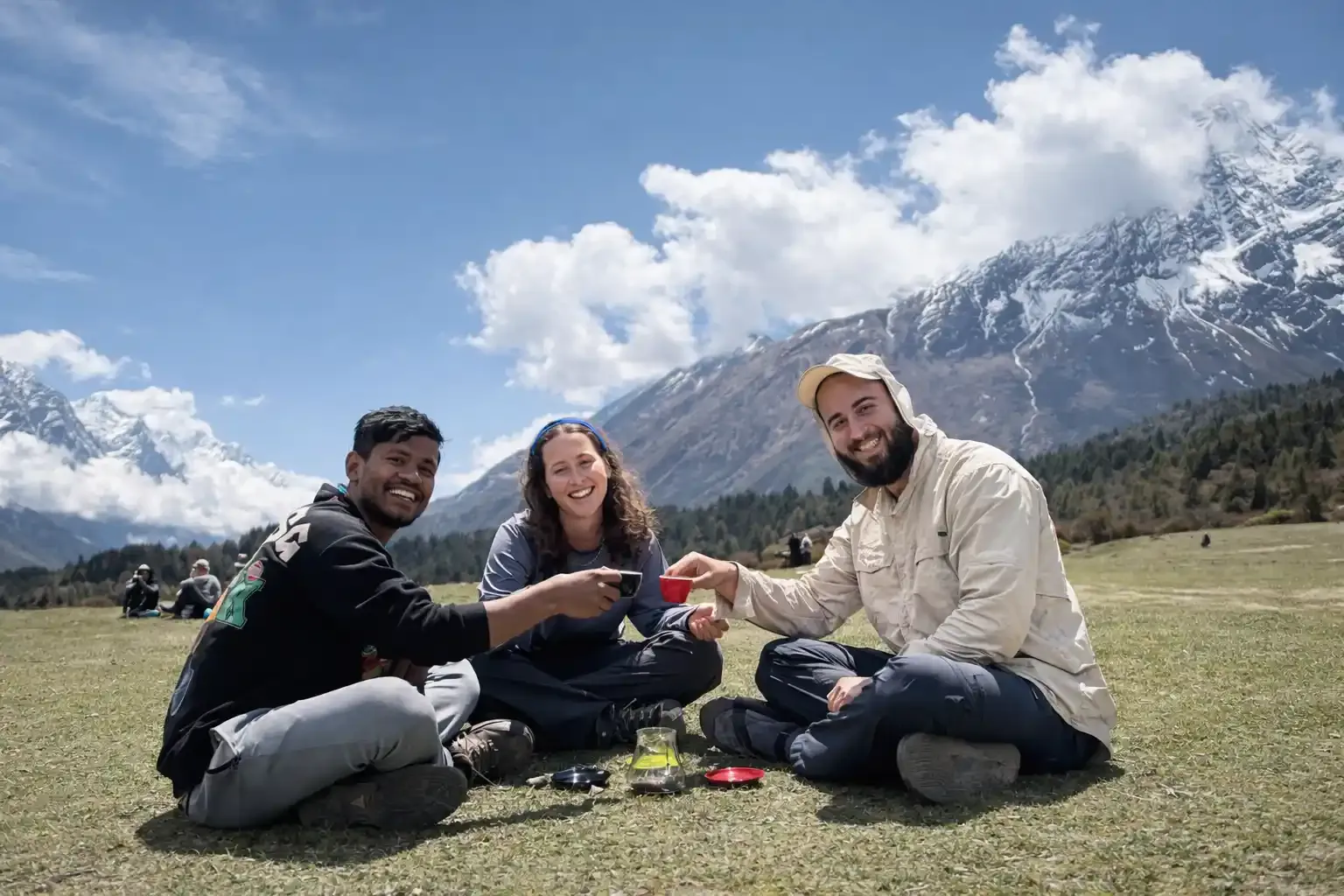
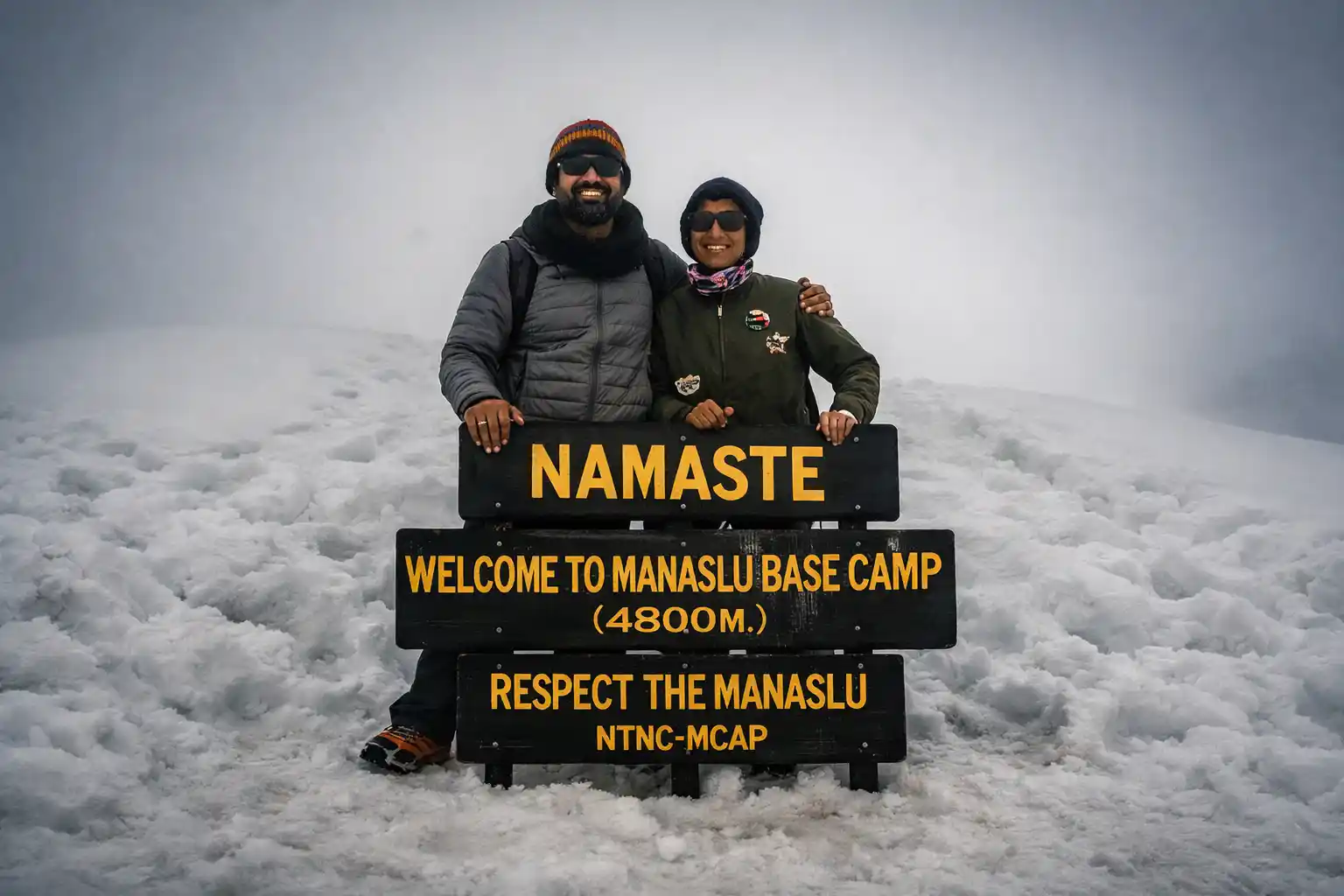
Spring is one of the best seasons for the Manaslu Circuit Trek. The weather is usually mild, the trails are in good condition, and the mountain views are clear. Trekkers choose spring because they can enjoy blooming rhododendron forests, green landscapes, and comfortable trekking temperatures.
Weather and Temperature in Spring
Spring brings warmer weather after winter. Most days are sunny and comfortable for trekking.
The temperature changes as you gain altitude.
| Area | Average Day Temperature | Average Night Temperature |
| Lower Elevations (700–2,000m) | 15°C to 25°C | 5°C to 15°C |
| Mid Elevations (2,000–3,500m) | 10°C to 20°C | 0°C to 5°C |
| Higher Elevations (Above 3,500m) | 5°C to 15°C | -10°C to 0°C |
Around Larkya La Pass (5,106m), mornings can still feel very cold. Snow may remain on some sections of the pass in March and early April. By late April and May, conditions often improve as winter snow melts.
Trail Conditions During Spring
Spring offers some of the best trail conditions of the year.
| Trail Feature | Spring Conditions |
| Lower Trails | Dry and easy to walk |
| Forest Sections | Stable and well-maintained |
| High-Elevation Trails | Some remaining snow early in the season |
| Larkya La Pass | Usually open and safe for crossing |
| Landslide Risk | Low compared to monsoon season |
The trails are generally dry and firm. Melting winter snow helps clear high mountain sections. Trekkers cross Larkya La Pass without major problems during spring.
Mountain Views and Scenery
Spring is famous for its beautiful scenery.
| Scenic Highlight | What You Will See |
| Mountain Views | Clear views of Manaslu and nearby peaks |
| Rhododendron Forests | Red, pink, and white flowers in bloom |
| Landscapes | Fresh green hills and valleys |
| Photography | Colorful and vibrant scenery |
April is often the best month to see rhododendron flowers. The forests become bright and colorful, making the trek even more enjoyable.
Advantages of Trekking in Spring
Spring gives trekkers many benefits.
| Advantage | Why It Matters |
| Pleasant Temperatures | Comfortable walking conditions |
| Stable Weather | Fewer weather-related delays |
| Rich Biodiversity | Flowers, birds, and wildlife are active |
| Good Visibility | Clear views of the Himalayas |
| Great Photography | Bright colors and mountain scenery |
| Reliable Pass Crossing | Better conditions at Larkya La Pass |
These advantages make spring one of the most popular seasons for the Manaslu Circuit Trek.
Challenges of Trekking in Spring
While spring is an excellent season, it does have a few drawbacks.
| Challenge | Details |
| More Trekkers | Trails become busier in April and May |
| Busy Teahouses | Popular lodges may fill up faster |
| Afternoon Clouds | Some days become cloudy later in the day |
| Remaining Snow | Early spring may still have snow near the pass |
Trekkers find these challenges manageable because the overall trekking conditions remain very good.
Who Should Choose Spring?
Spring is a great season for travelers.
| Type of Trekker | Why Spring Works Well |
| First-Time Trekkers | Stable weather and comfortable temperatures |
| Nature Lovers | Beautiful flowers and green landscapes |
| Photographers | Excellent lighting and colorful scenery |
| Families and Groups | Reliable trekking conditions |
| Mountain View Seekers | Clear Himalayan views |
If you want good weather, colorful landscapes, and excellent mountain views, spring is the best time for Manaslu Circuit trekking. Trekkers consider April the top spring month because it combines blooming rhododendrons with stable weather and clear skies.
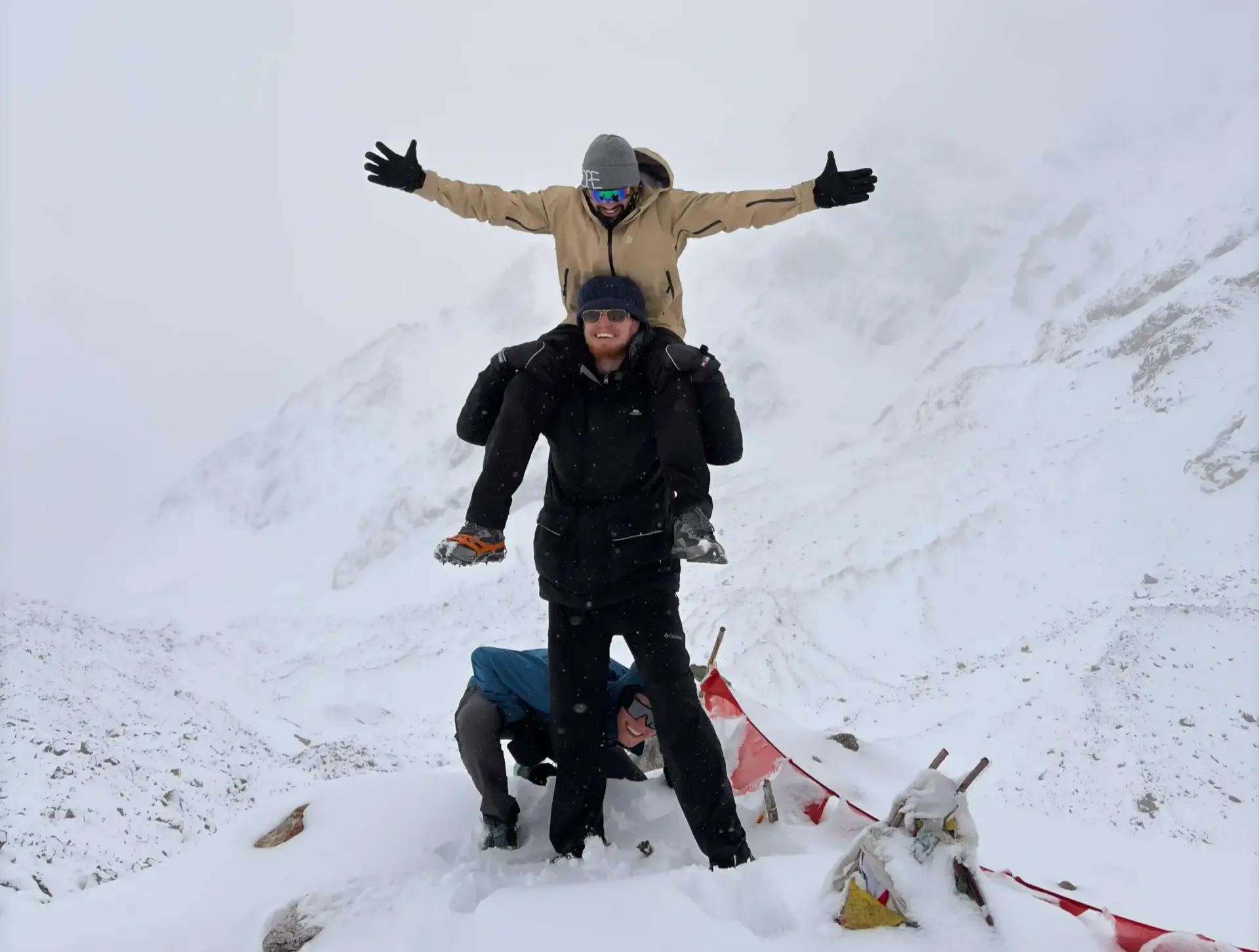
Manaslu Circuit Trek in Summer/Monsoon (June to August)
Summer is the monsoon season in Nepal. During this time, the Manaslu region receives regular rainfall, especially at lower elevations. The landscape becomes green and beautiful, but wet weather can make trekking more difficult.
Trekkers avoid the monsoon season because of rain and poor visibility. However, some experienced trekkers enjoy the quieter trails and peaceful atmosphere.
Weather and Temperature in Monsoon
Summer brings warm temperatures to the Manaslu region. Rainfall increases throughout the season, especially in July and August.
| Area | Average Day Temperature | Typical Conditions |
| Lower Elevations (700–2,000m) | 20°C to 30°C | Warm, humid, and rainy |
| Mid Elevations (2,000–3,500m) | 15°C to 25°C | Frequent showers |
| Higher Elevations (Above 3,500m) | 5°C to 15°C | Cooler with rain and cloud cover |
The lower parts of the trail can feel humid because of the combination of heat and rainfall. Rain often falls in the afternoon and evening, but weather patterns can change quickly.
Trail Conditions During Monsoon
Heavy rain affects trail conditions throughout the trek.
| Trail Feature | Monsoon Conditions |
| Forest Trails | Wet and muddy |
| Steep Sections | Slippery and more difficult |
| River Crossings | Higher water levels |
| Mountain Roads | Possible landslide damage |
| Overall Trail Safety | Requires extra caution |
Rain makes many sections of the trail muddy. Trekkers should walk carefully, especially on steep paths and rocky areas. Landslides can occur in some sections of the route, particularly at lower elevations.
Visibility and Mountain Views
Mountain views are less reliable during the monsoon season.
| Visibility Factor | What to Expect |
| Morning Views | Sometimes clear |
| Afternoon Views | Often cloudy |
| Mountain Peaks | Frequently hidden by clouds |
| Photography Conditions | Less predictable |
Clouds often cover the mountains for much of the day. Trekkers may need patience to catch clear views between rain showers.
Advantages of Trekking During Monsoon
Although monsoon is not the most popular season, it offers some unique benefits.
| Advantage | Why It Matters |
| Fewer Trekkers | Quiet and peaceful trails |
| Lush Green Landscapes | Forests and valleys look vibrant |
| Local Village Life | More authentic cultural experiences |
| Easier Accommodation | Less competition for rooms |
| Unique Scenery | Misty mountains and green hillsides |
Travelers enjoy the peaceful atmosphere because there are far fewer people on the trail.
Challenges of Trekking During Monsoon
Monsoon trekking comes with several challenges that travelers should understand before planning their trip.
| Challenge | Details |
| Heavy Rain | Wet conditions |
| Muddy Trails | Slower walking and more effort |
| Leeches | Common in lower forest areas |
| Landslides | Possible in some sections |
| Transportation Delays | Roads may become blocked |
| Limited Views | Clouds can hide mountain peaks |
Trekkers should bring waterproof clothing, good trekking boots, and rain protection for backpacks.
Who Should Choose Monsoon?
Monsoon is not the best season for most first-time trekkers. However, some travelers may enjoy the experience.
| Type of Trekker | Why Monsoon May Be a Good Choice |
| Experienced Trekkers | Comfortable with challenging conditions |
| Solitude Seekers | Enjoy quiet trails and fewer crowds |
| Repeat Nepal Visitors | Looking for a different experience |
| Nature Lovers | Appreciate green landscapes and forests |
If your main goal is clear mountain views and dry trails, spring or autumn is a better choice. If you prefer quiet trails, lush scenery, and do not mind rain, the monsoon season can offer a unique Manaslu Circuit Trek experience.
Manaslu Circuit Trek in Autumn (September to November)
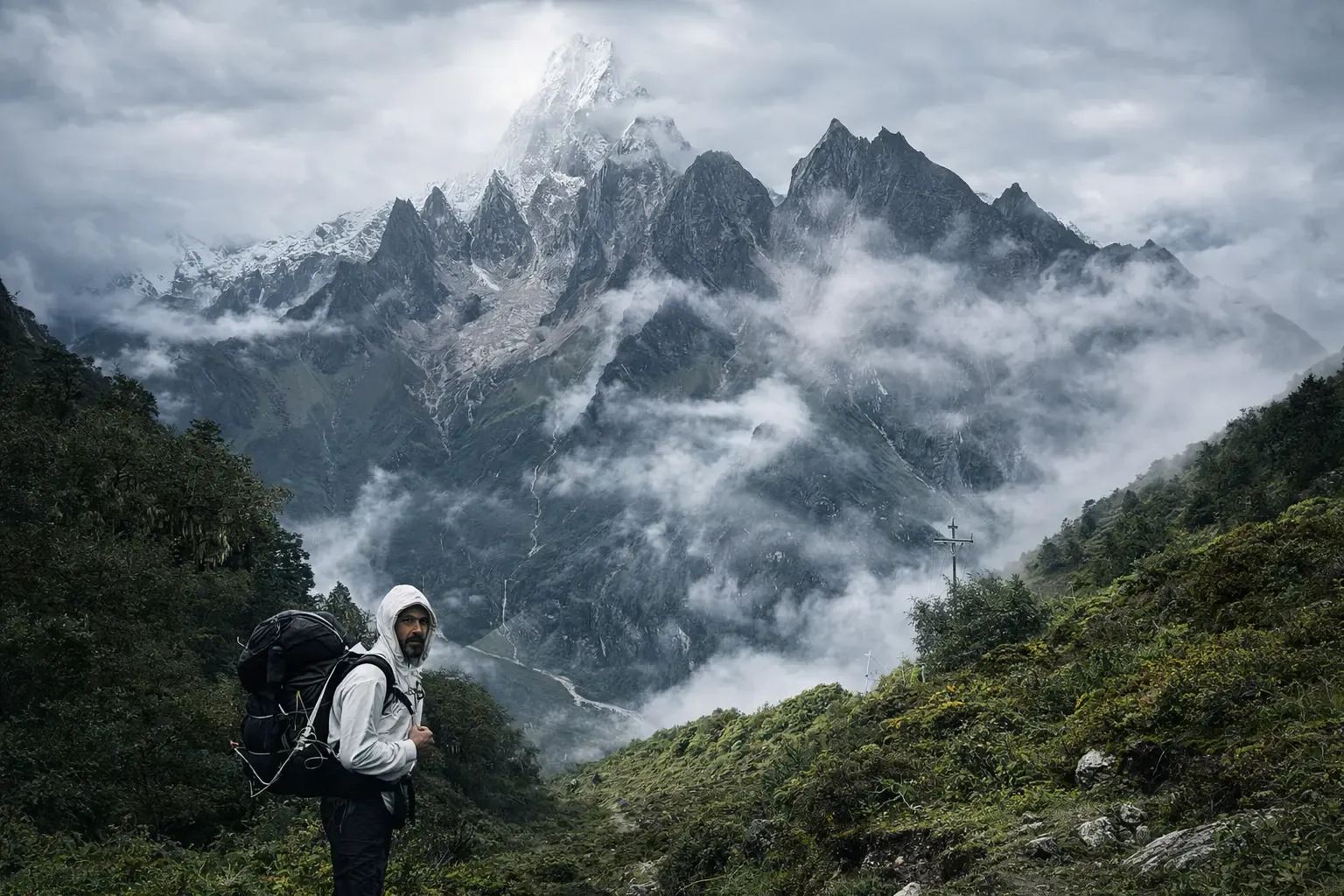
Autumn is widely considered the best season for the Manaslu Circuit Trek. After the summer monsoon ends, the skies become clear and the trails dry out. The weather stays stable, and mountain views are often at their best.
Trekkers choose autumn because it offers the best balance of good weather, clear views, and safe trail conditions.
Weather and Temperature in Autumn
Autumn brings some of the most reliable weather of the year. Rainfall drops sharply after the monsoon season, and clear skies become common.
| Area | Average Day Temperature | Average Night Temperature |
| Lower Elevations (700–2,000m) | 15°C to 25°C | 5°C to 15°C |
| Mid Elevations (2,000–3,500m) | 10°C to 20°C | 0°C to 5°C |
| Higher Elevations (Above 3,500m) | 5°C to 15°C | -10°C to 0°C |
Days are usually comfortable for trekking. Nights become colder as you gain altitude, especially in November.
Trail Conditions During Autumn
Autumn offers some of the safest trail conditions on the Manaslu Circuit.
| Trail Feature | Autumn Conditions |
| Lower Trails | Dry and easy to walk |
| Forest Sections | Stable and well-maintained |
| High Mountain Trails | Mostly clear of snow |
| River Crossings | Normal water levels |
| Larkya La Pass | Excellent crossing conditions |
Because trails are dry and weather is stable, Trekkers consider autumn the ideal season for crossing Larkya La Pass (5,106m).
Mountain Views and Photography
Autumn is famous for its clear mountain views.
| Photography Highlight | What You Can Expect |
| Mountain Visibility | Crystal-clear Himalayan peaks |
| Sunrise Views | Bright colors and clear skies |
| Sunset Views | Excellent lighting on the mountains |
| Landscape Photography | Sharp and colorful scenery |
After the monsoon rains wash dust from the air, visibility improves greatly. This makes autumn one of the best times for photography.
Advantages of Trekking in Autumn
Autumn provides a lot of benefits for trekkers.
| Advantage | Why It Matters |
| Reliable Weather | Fewer weather-related problems |
| Best Visibility | Clear mountain views on most days |
| Dry Trails | Easier and safer walking |
| Comfortable Temperatures | Pleasant trekking conditions |
| Festival Season | Chance to experience Nepalese culture |
| Great Photography | Clear skies and beautiful landscapes |
Major Nepalese festivals such as Dashain and Tihar often take place during autumn. Trekkers may have opportunities to see local celebrations in villages along the route.
Challenges of Trekking in Autumn
Autumn is the most popular trekking season, which brings a few disadvantages.
| Challenge | Details |
| Busy Trails | More trekkers on the route |
| High Demand for Rooms | Popular teahouses fill up quickly |
| Advance Planning Needed | Guides and permits may sell out earlier |
| Crowded Peak Months | October can be especially busy |
Booking accommodation and guides in advance can help avoid problems during peak season.
Who Should Choose Autumn?
Autumn is suitable for almost every type of trekker.
| Type of Trekker | Why Autumn Is a Good Choice |
| First-Time Visitors to Nepal | Easy weather and great views |
| Beginner Trekkers | Stable trail conditions |
| Photography Enthusiasts | Excellent visibility |
| Guided Trek Groups | Reliable trekking environment |
| Families and Friends | Comfortable temperatures and safe trails |
If you want the best overall experience on the Manaslu Circuit Trek, autumn is the top choice. October is often considered the best month because it offers clear skies, stable weather, and outstanding mountain views.
Book Manaslu Circuit Trek For Autumn 2026?
Manaslu Circuit Trek in Winter (December to February)
Winter is the coldest season on the Manaslu Circuit Trek. Snow covers the high-altitude areas, and temperatures drop well below freezing at night. Fewer people trek during this season, which creates a quiet and peaceful experience.
Winter trekking can be rewarding, but it requires good preparation and experience in cold mountain conditions.
Weather and Temperature in Winter
Winter brings cold weather throughout the Manaslu region. Temperatures become colder as you climb higher.
| Area | Average Day Temperature | Average Night Temperature |
| Lower Elevations (700–2,000m) | 10°C to 15°C | 0°C to 5°C |
| Mid Elevations (2,000–3,500m) | 5°C to 10°C | -5°C to 0°C |
| Higher Elevations (Above 3,500m) | -5°C to 5°C | -10°C to -20°C |
January is usually the coldest month of the year. Heavy snowfall can occur at higher elevations, especially around Larkya La Pass.
Trail Conditions During Winter
Winter conditions can make the trek more difficult.
| Trail Feature | Winter Conditions |
| Lower Trails | Mostly dry and walkable |
| Forest Sections | Cold but manageable |
| High-Elevation Trails | Snow-covered in all areas |
| Larkya La Pass | May have deep snow and ice |
| Overall Difficulty | Higher than other seasons |
Snow and ice can make some sections slippery. Trekkers may need extra gear, such as microspikes or crampons, depending on conditions. Heavy snowfall can also lead to temporary closure of Larkya La Pass (5,106m).
Scenery During Winter
Winter offers some of the most beautiful scenery on the Manaslu Circuit.
| Scenic Highlight | What You Will See |
| Mountain Views | Bright, snow-covered peaks |
| Landscapes | White valleys and frozen slopes |
| Skies | Clear and blue |
| Photography | Stunning winter scenes |
The fresh snow creates dramatic views of Mount Manaslu and other Himalayan peaks.
Advantages of Trekking in Winter
Some trekkers prefer winter because of the peaceful environment.
| Advantage | Why It Matters |
| Very Few Trekkers | Quiet trails and villages |
| Clear Skies | Great mountain views |
| Unique Landscapes | Snow-covered scenery |
| Peaceful Experience | Less crowding at teahouses |
| Adventure Factor | More challenging and rewarding |
If you enjoy solitude and winter scenery, this season can provide a special trekking experience.
Challenges of Trekking in Winter
Winter also brings several important challenges.
| Challenge | Details |
| Extreme Cold | Freezing temperatures at night |
| Snow and Ice | Slippery trail sections |
| Pass-Crossing Risks | Deep snow can block the pass |
| Limited Services | Some teahouses may close |
| Weather Changes | Snowstorms can affect plans |
Trekkers should prepare carefully and check weather forecasts before heading into high mountain areas.
Who Should Choose Winter?
Winter is not the best season for most beginners. It suits trekkers who are comfortable in cold conditions.
| Type of Trekker | Why Winter May Be a Good Choice |
| Experienced Trekkers | Able to handle snow and cold weather |
| Adventure Seekers | Looking for a tougher challenge |
| Winter Trekking Enthusiasts | Enjoy snow-covered landscapes |
| Solitude Seekers | Prefer quiet trails and fewer people |
If your main goal is easy trekking and comfortable temperatures, spring or autumn is a better choice. If you want peaceful trails, snowy mountain views, and a more adventurous experience, winter can be an excellent time to trek the Manaslu Circuit.
Month-by-Month Guide for Manaslu Circuit Trek
The best month for the Manaslu Circuit Trek depends on the weather, trail conditions, and the type of experience you want. The table below gives a quick overview of each month to help you choose the right time for your trek.
| Month | Weather | Trail Conditions | Mountain Views | Recommendation |
| March | Cool temperatures with improving weather | Mostly dry trails, some snow at high elevations | Good visibility | Great time to start the spring trekking season |
| April | Mild and stable weather | Dry and comfortable trails | Excellent visibility | One of the best months for trekking and rhododendron blooms |
| May | Warm temperatures and stable conditions | Good trail conditions, little snow remaining | Excellent mountain views | Excellent choice for trekkers who enjoy warmer weather |
| June | Start of the monsoon season | Increasingly wet and muddy trails | Visibility begins to decrease | Suitable only for trekkers prepared for rain |
| July | Heavy rainfall and high humidity | Muddy and slippery trails | Limited views due to clouds | Not recommended for Trekkers |
| August | Frequent rain, but monsoon begins to weaken late in the month | Wet trails with landslide risk | Limited visibility | Best for experienced trekkers seeking solitude |
| September | Rainfall decreases and weather improves | Trails begin drying out | Visibility improves throughout the month | Very good time to trek after the monsoon |
| October | Stable weather and comfortable temperatures | Dry and safe trails | Crystal-clear mountain views | Widely considered the best month for the Manaslu Circuit Trek |
| November | Cool and stable weather | Excellent trail conditions | Outstanding visibility | One of the best months for trekking and photography |
| December | Start of winter with colder temperatures | Some snow at higher elevations | Generally clear skies | Good for trekkers seeking fewer crowds |
| January | Very cold, especially at high elevations | Snow and ice common near the pass | Clear views | Suitable for experienced winter trekkers only |
| February | Cold but slightly warmer than January | Snow may remain at higher elevations | Good visibility | Good option for experienced trekkers before spring begins |
For Trekkers, April, October, and November offer the best combination of weather, trail conditions, and mountain views on the Manaslu Circuit Trek. October is often considered the top month because it provides the clearest skies and the most reliable trekking conditions.
Seasonal Temperature Chart for Manaslu Circuit Trek
Temperatures on the Manaslu Circuit Trek vary greatly with elevation. Lower villages stay much warmer than high mountain areas near Larkya La Pass. The chart below shows typical temperature ranges by season.
| Elevation Zone | Spring (Mar–May) | Summer/Monsoon (Jun–Aug) | Autumn (Sep–Nov) | Winter (Dec–Feb) |
| Lower Elevations (700–2,000m) | 15°C to 25°C | 20°C to 30°C | 15°C to 25°C | 10°C to 15°C |
| Mid Elevations (2,000–3,500m) | 10°C to 20°C | 15°C to 25°C | 10°C to 20°C | 5°C to 10°C |
| High Camp Areas (3,500–4,500m) | 5°C to 15°C | 5°C to 15°C | 5°C to 15°C | -5°C to 5°C |
| Larkya La Pass Region (5,106m) | -8°C to 5°C | -2°C to 8°C | -6°C to 5°C | -20°C to -5°C |
Average Night Temperatures by Season
Night temperatures are much colder, especially above 3,500 meters.
| Elevation Zone | Spring (Mar–May) | Summer/Monsoon (Jun–Aug) | Autumn (Sep–Nov) | Winter (Dec–Feb) |
| Lower Elevations (700–2,000m) | 5°C to 15°C | 15°C to 20°C | 5°C to 15°C | 0°C to 5°C |
| Mid Elevations (2,000–3,500m) | 0°C to 5°C | 5°C to 10°C | 0°C to 5°C | -5°C to 0°C |
| High Camp Areas (3,500–4,500m) | -10°C to 0°C | 0°C to 5°C | -10°C to 0°C | -15°C to -5°C |
| Larkya La Pass Region (5,106m) | -15°C to -5°C | -5°C to 0°C | -15°C to -5°C | -25°C to -15°C |
For Trekkers, spring and autumn offer the most comfortable temperatures throughout the Manaslu Circuit Trek. Winter brings extreme cold near Larkya La Pass, while summer is warmer but much wetter because of the monsoon.
Festivals and Cultural Experiences by Season
The Manaslu Circuit Trek offers more than mountain views. It also gives you a chance to experience Nepal’s rich culture. If you trek during festival seasons, you may see local traditions, celebrations, and village life up close.
Spring Festivals
| Festival | When | What You May See |
| Holi | March | Colorful celebrations, music, and community events |
| Buddha Jayanti | April or May | Monastery prayers, Buddhist ceremonies, and cultural gatherings |
Holi is known as the Festival of Colors. People celebrate by throwing colored powder and enjoying time with family and friends. Buddha Jayanti celebrates the birth of Lord Buddha. Buddhist communities hold special prayers and events at local monasteries.
Autumn Festivals
| Festival | When | What You May See |
| Dashain | September or October | Family celebrations, blessings, and traditional food |
| Tihar | October or November | Lights, decorations, singing, and cultural programs |
Dashain is Nepal’s biggest festival. Families gather to celebrate and receive blessings. Tihar is called the Festival of Lights. Homes and villages shine with colorful lights and decorations.
Benefits of Trekking During Festival Seasons
| Benefit | Why It Matters |
| Cultural Immersion | Learn about local traditions |
| Village Experiences | See daily life and celebrations |
| Unique Memories | Enjoy more than just mountain views |
| Better Photography | Capture colorful cultural moments |
Spring and autumn are the best seasons for combining trekking with cultural experiences on the Manaslu Circuit.
Best Time for Manaslu Circuit Trek vs Other Popular Nepal Treks
The best trekking seasons in Nepal are generally spring (March–May) and autumn (September–November). However, weather, crowds, and trail conditions can vary between trekking regions. The table below compares the best trekking times for Manaslu Circuit, Everest Base Camp, Annapurna Circuit, and Langtang Valley.
Seasonal Comparison Table
| Trek | Spring (Mar–May) | Summer/Monsoon (Jun–Aug) | Autumn (Sep–Nov) | Winter (Dec–Feb) | Best Season |
| Manaslu Circuit | Excellent weather, rhododendron blooms, good pass conditions | Heavy rain, landslides, poor visibility | Clear skies, stable weather, best visibility | Cold, snow at Larkya La Pass, fewer trekkers | Autumn |
| Everest Base Camp | Excellent mountain views, busy trails | Rain and clouds, flight delays common | Outstanding visibility, peak season | Very cold but possible with preparation | Autumn |
| Annapurna Circuit | Warm weather, blooming forests, great trekking conditions | Rain affects lower sections, but some areas remain drier | Stable weather and excellent views | Snow may affect Thorong La Pass | Autumn |
| Langtang Valley | Pleasant temperatures, blooming forests | Rainy and cloudy conditions | Clear mountain views and dry trails | Cold but lower altitude makes trekking easier than some high-pass treks | Autumn |
For trekkers, October and November offer the best conditions across all four treks. If you prefer quieter trails and a less crowded Himalayan experience, the Manaslu Circuit stands out as one of the best choices in Nepal.
Conclusion
The Manaslu Circuit Trek is a great adventure in every season, but each time of year offers a different experience.
- Spring (March to May) brings pleasant weather, blooming rhododendron forests, and clear mountain views. It is a great choice for first-time trekkers, nature lovers, and photographers.
- Summer/Monsoon (June to August) offers lush green landscapes and quiet trails. However, rain, muddy paths, and landslides can make trekking more difficult.
- Autumn (September to November) provides the most stable weather, the clearest mountain views, and excellent trail conditions. Trekkers consider it the best season for the Manaslu Circuit Trek.
- Winter (December to February) features peaceful trails, snowy scenery, and very few crowds. Cold temperatures and snow-covered passes make it better for experienced trekkers.
The best time for the Manaslu Circuit Trek depends on what you want from your trip. If you want the best weather and mountain views, choose autumn. If you love flowers and colorful landscapes, spring is an excellent option. If you prefer solitude, winter may be a better fit. If you enjoy adventure and do not mind rain, you can consider the monsoon season.
Before choosing your trekking dates, think about your experience level, fitness, weather preferences, and travel goals. By matching the season to your expectations, you can enjoy a safer, more comfortable, and more rewarding Manaslu Circuit Trek.
Reviews


Himalaya Hub Adventure executive director Ramesh gave us all the necessary in...
Himalaya Hub Adventure executive director Ramesh gave us all the necessary information to make our holiday really special and memorable. He attended to all our needs and gave a highly competitive quote. He provided us excellent vehicles and drivers and guide.
We set out from Kathmandu by road and visited Manakamana temple on the way to Pokhara. After a day of sightseeing in Pokhara including watching sunrise from Sarangkot viewpoint, we took next day early morning public bus to Ghandruk from where started our trek towards Tadapani . It is an ancient trade route and gives really memorable and special experiences but unfortunately we had continuous rain from the moment we started the trekking. Due to the clouds we missed the beautiful views of Himalayas which this trekking route is really famous for. We also spent some tense time in Tatopani due to the landslides along Kali Gandaki river where our guide took some excellent decisions to keep us safe.
Overall it was a great experience.
Ramit is a very good guide - very caring, knowledgeable, and always making sure I was safe and comfortable. He managed everything perfectly from hotels to food to permits. The only downside was the weather. Because of heavy rain, we couldn't see the good views from Ghorepani/Poon Hill and the trail became quite slippery and dangerous in some parts. But that's nature, nothing anyone can control, and he handled it very professionally and kept me safe. He took excellent decisions when faced with challenges posed by extreme weather conditions such as choosing a hotel accommodation at higher ground to keep us in safety in case of a flood and landslide. He sought required information for taking decisions regarding our trekking progress in difficult weather. He tested the path for safe crossing to minimise the risks that we were exposed to. He listened to our special needs and requirements and tried his best to meet with them such as ensuite accommodation, hot water, vegetarian food etc. His choice of teahouses and hotels were excellent.
Highly recommend Himalaya Hub Adventures for Nepal holiday packages.
Highly recommend Ramit Surkheti for anyone planning to trek in Nepal.

This tour is in the Himalayan hills and is relatively easy (ave. 6 hrs trekking per day). Lovely village sceneries, see Nepali agriculture, walks through the jungle and stiff climbs sometimes. 💪🏽
Communication with Puru of Himalaya Hub Adventures to book the tour and get all the details was very smooth.
Highly recommended!

From the morning pickup, bus transport, and hotel in Pokhara, through each day of trekking and our return to Kath...
From the morning pickup, bus transport, and hotel in Pokhara, through each day of trekking and our return to Kathmandu, everything was taken care of seemlessly.
Their well trained guide/porter Karan made every effort to see that we had a great experience.
This was our second time using Himalaya Hub, we had an excellent Everest Base Camp trek with them in 2018, so naturally they were our first choice when we arrived in Kathmandu this year.


Kind thanks from Julie and Ida, we will always remember🙏🏼


A huge thank you to our guides, Rosha...
A huge thank you to our guides, Roshan and Bipin, who were outstanding—professional, knowledgeable, kind, and went above and beyond to make sure everyone felt safe, comfortable, and well looked after. Roshan was especially organised at the guesthouses and meal times, quickly getting us settled in after each day’s trekking and clearly explaining the plan for the next day.
I also have a severe nut allergy, which Roshan managed with great care throughout the trek, something I really appreciated.
If you’re considering trekking in Nepal, I couldn’t recommend Himalaya Hub Adventure highly enough.









Everything You Need for the Manaslu Circuit Trek
Frequently Asked Questions
What is the absolute best month for the Manaslu Circuit Trek?
October is widely considered the best month for the Manaslu Circuit Trek. The weather is usually stable, the skies are clear, and the trails are dry. October also offers excellent views of Mount Manaslu and other Himalayan peaks.
Can beginners trek Manaslu Circuit?
Yes, beginners can trek the Manaslu Circuit if they are physically prepared and trek with an experienced guide. The route includes long walking days and high-altitude sections, so good fitness and proper acclimatization are important.
Is Manaslu Circuit possible during monsoon?
Yes, you can trek the Manaslu Circuit during the monsoon season (June to August). However, heavy rain, muddy trails, landslides, and limited mountain views make the trek more challenging. Trekkers prefer spring or autumn.
How cold does it get at Larkya La Pass?
Larkya La Pass (5,106m) can be very cold. During spring and autumn, temperatures may drop to around -15°C (5°F) at night. In winter, temperatures can fall below -20°C (-4°F), especially during cold weather.
Which season has the fewest crowds?
Winter (December to February) has the fewest crowds on the Manaslu Circuit. The monsoon season also sees fewer trekkers because of rain and difficult trail conditions.
Is October better than April for Manaslu?
Both months are excellent for trekking. October usually offers clearer skies and more reliable weather. April offers beautiful rhododendron blooms and green landscapes. Choose October for the best visibility and April for the best flowers.
Can Larkya La Pass close due to snow?
Yes. Heavy snowfall can make Larkya La Pass unsafe and may lead to temporary closures. This is most common during winter and after major snowstorms. Local guides and authorities monitor conditions before crossings.
What is the safest season for trekking?
Autumn (September to November) is generally the safest season for the Manaslu Circuit Trek. The weather is stable, trails are dry, and visibility is excellent. Spring (March to May) is also considered a very safe and popular trekking season.
0 Comment