
11 Days
Daily Tour
15 people
English
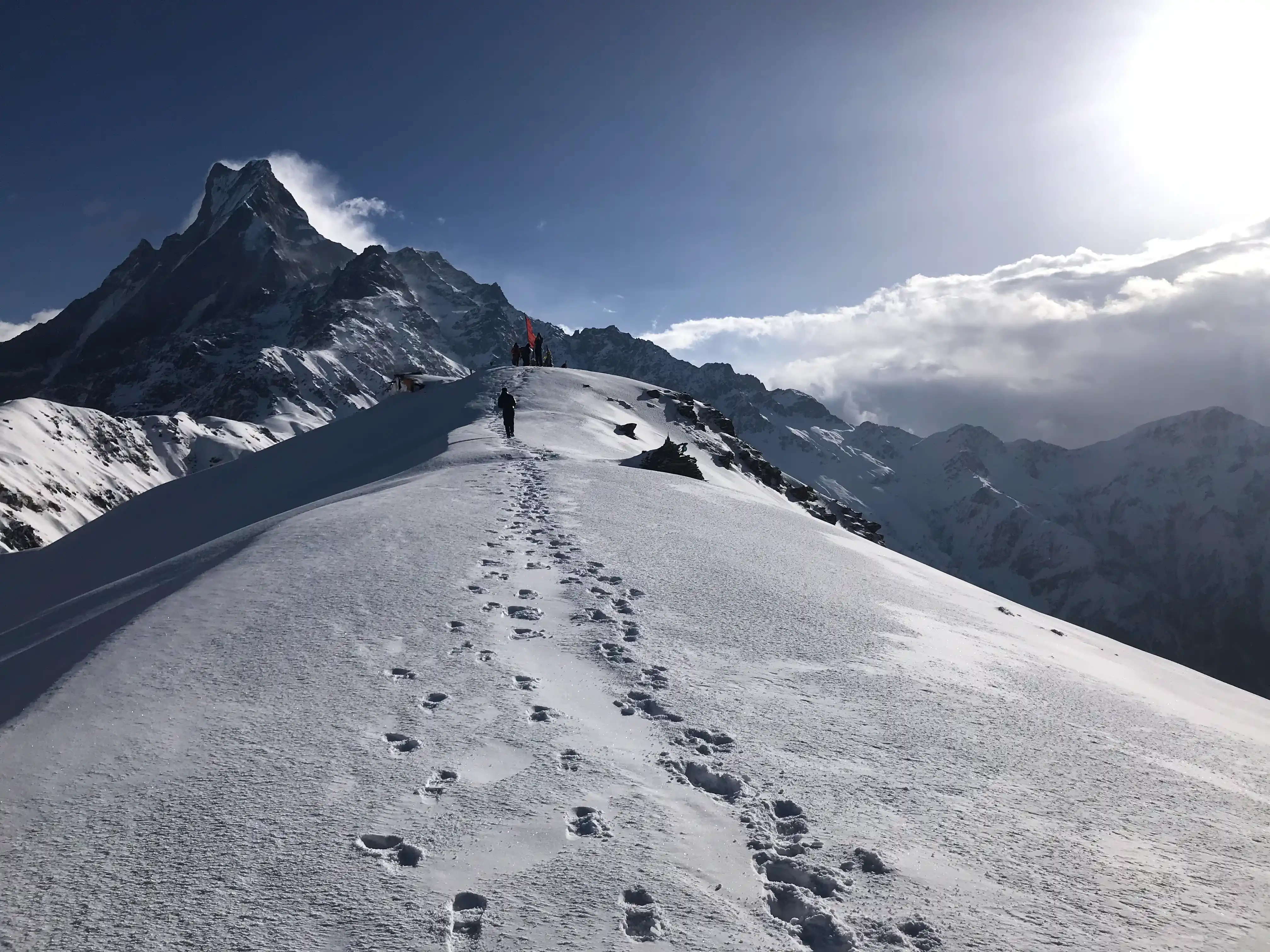
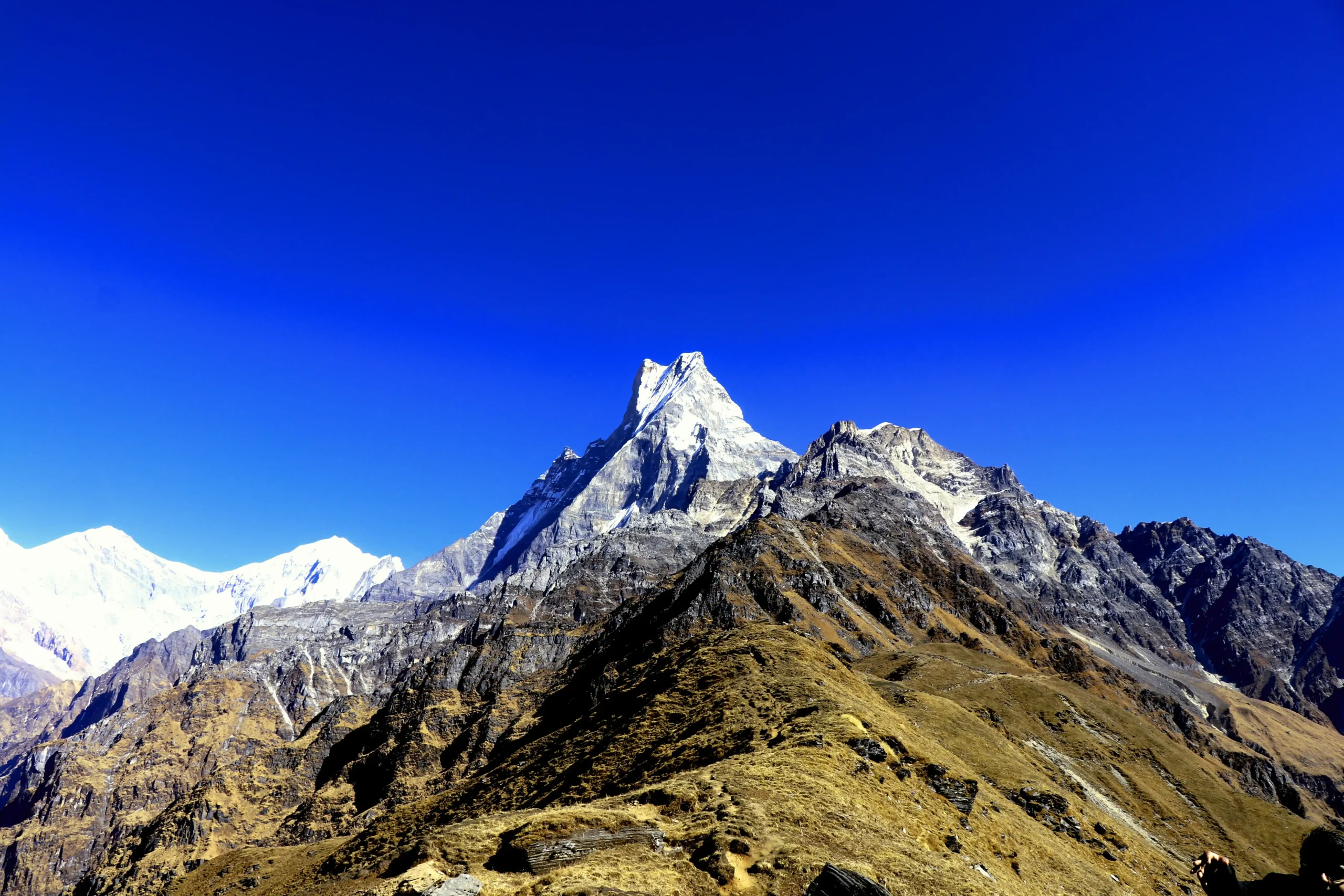
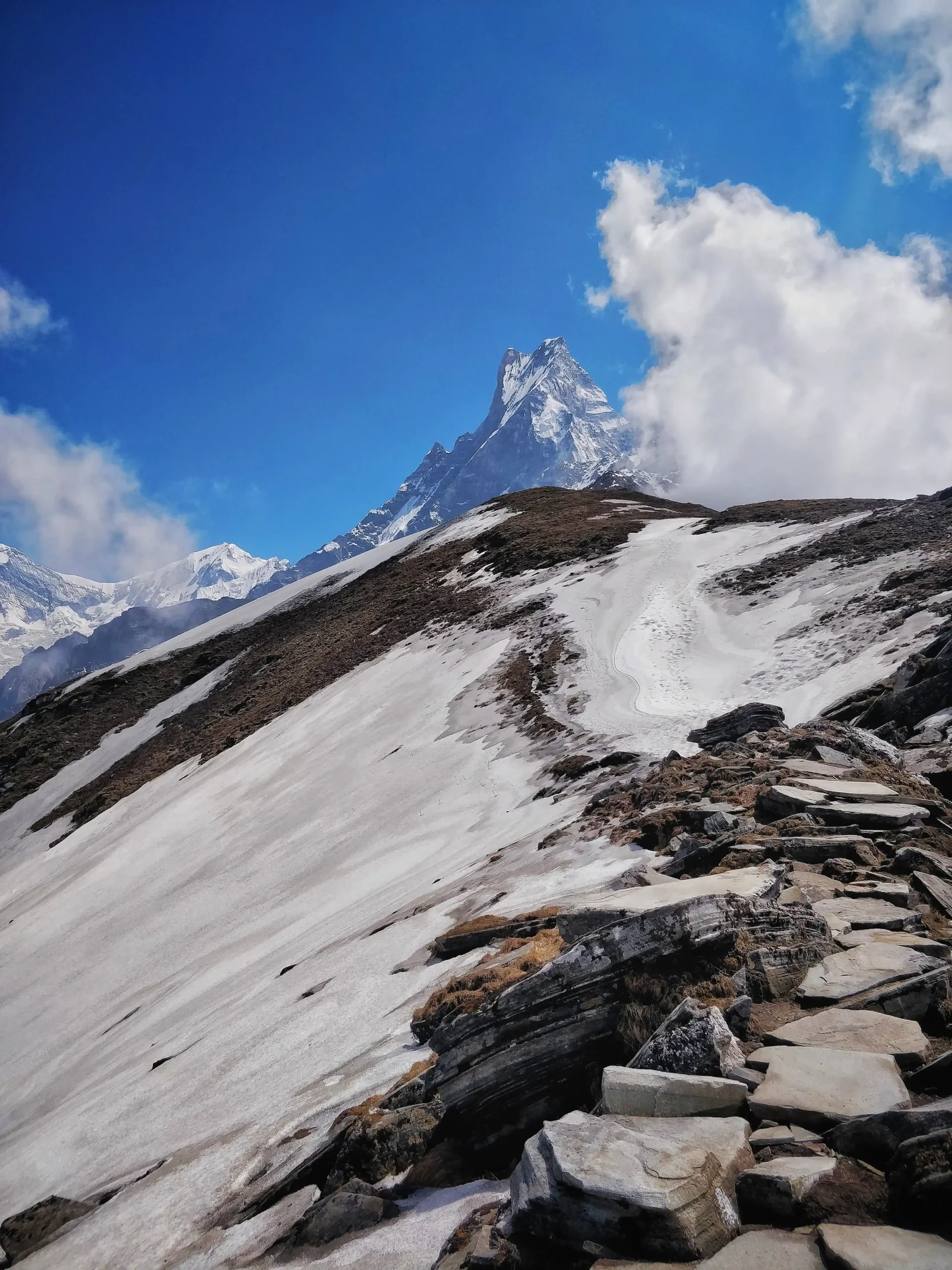
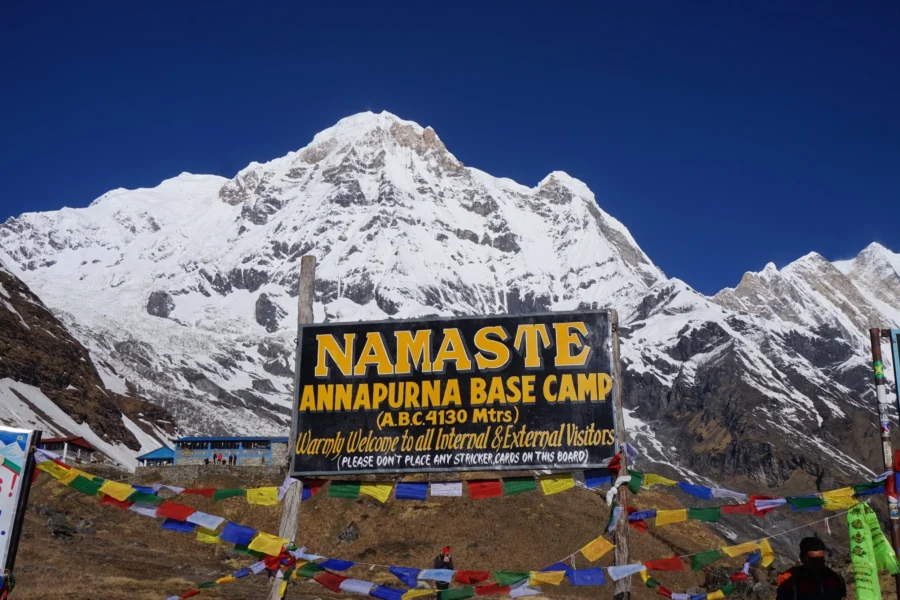
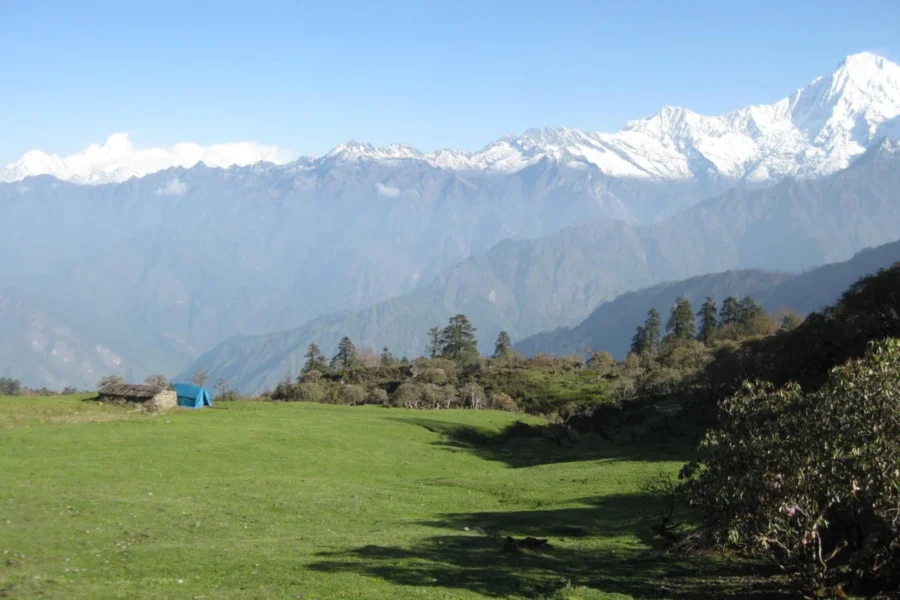
The Mardi Himal plus Annapurna Base Camp trek is an 11-day journey through Nepal’s Annapurna region. It begins at Kande (near Pokhara) and climbs above tree line through rhododendron and oak forests to Mardi Himal Base Camp (3,580m). The route then continues east into the Annapurna Sanctuary, reaching Annapurna Base Camp (4,130m) with panoramic views of Annapurna I, Hiunchuli, Machhapuchhre (Fishtail), and other peaks. Along the way, trekkers pass traditional Gurung and Magar villages (like Landruk and Sinuwa) and experience diverse terrains – terraced fields, alpine meadows, glacial valleys, and high passes.
This trek highlights include sunrise views over the Himalayas, dramatic mountain vistas, and Tibetan-style Buddhist temples in the Annapurna Sanctuary. Each day offers cultural diversity as you stay at local teahouse lodges run by villagers. The combined journey promises a mix of off-the-beaten-path adventure (Mardi Himal) and the iconic Annapurna Base Camp experience.
The 11-day ABC Mardi Himal combined itinerary covers all highlights of the region. After arrival in Pokhara, each day involves 4–6 hours of hiking. Key stages include reaching Mardi Himal High Camp (3,580m) and later the Annapurna Sanctuary. Below is a short day-by-day outline:
The total trekking distance for the Annapurna Base Camp – Mardi Himal combined route is roughly 100–115 km on foot, covered over 11 days. For example, the Annapurna Base Camp trek (Pokhara–ABC) alone is about 70 km, and the Mardi Himal approach adds several dozen more. Expect to hike 10–12 km per day on average, with steep ascents and descents. The trail starts around 2,100m and climbs to a maximum of 4,130m at Annapurna Base Camp. Trekkers face long elevation changes: on Day 5, you descend from Mardi Himal High Camp (3,580m) down to Landruk (1,565m), a drop of over 2,000m, then on Day 8 ascend back to ABC. In total, you gain and lose thousands of meters in elevation, so good leg strength and pacing are essential.
If you want to use private transport or a flight option instead of the scheduled tourist bus, arrangements can be made. A private car or jeep from Kathmandu/Pokhara to the trailhead (Kande or Phedi) can be arranged upon request. Trips can also be customized to skip sections (e.g., arranging flights in/out of Pokhara) or to extend time in Pokhara or Kathmandu before/after the trek.
Visitors should respect the local Gurung and Magar cultures along the route. Greet villagers with a “Namaste” and remove shoes before entering tea houses or temples. Follow monastery etiquette (no loud voices or touching religious objects). Dress modestly in villages (cover shoulders/knees) and always ask permission before photographing people. Support the Annapurna Conservation Area by minimizing waste – do not litter on the trail and avoid single-use plastics. Engage with locals by learning a few Nepali phrases and showing respect for their hospitality.
Porters are available to carry heavy loads. Many trekkers hire a porter in Pokhara or at the trek start; a porter can carry up to 20 kg and typically costs around $20–30 per day, including food and insurance. Carry Nepalese rupees for expenses – ATMs are available only in Pokhara and Nayapul, not on the trail. Most lodges charge extra for hot showers and power, so have some cash on hand. Lodges may offer bottled or boiled water for purchase; bring a refillable bottle and purification tablets if possible. Finally, maintain good fitness: this is a moderately strenuous trek. Do cardiorespiratory and leg-strength training beforehand, and travel with a light backpack to handle the daily hiking demands.
The combined Mardi Himal and ABC trek is rated moderate to strenuous. Daily hiking is 4–7 hours over steep, rocky paths. The highest camps reach 3,580m (Mardi Himal High Camp) and 4,130m (Annapurna BC), so altitude is a concern. Expect challenging terrain: roots and stones in the forest, steep stone stairways, and snowy sections near the high camps. For example, Day 3 features an exhilarating ascent above the tree line, requiring stamina. Day 7 has sustained climbing through bamboo forests and rugged slopes.
Good physical preparation is essential. Focus on cardiovascular fitness (running, cycling) and leg/core strength before the trek. Practice long hikes with a weighted pack to simulate conditions. Plan to acclimatize by pacing yourself: follow the “climb high, sleep low” rule and drink plenty of fluids to aid adjustment. It is wise to include rest or shorter days if needed. Despite the difficulty, careful training and a slow, steady pace will allow most fit hikers to complete the journey safely.
Spring (March–May): Spring is one of the best times for the trek. Weather is mild (daytime ~10–20°C), skies are mostly clear, and the trail is lined with blooming rhododendrons and wildflowers. Views of the mountains are spectacular on clear days, and melting snow on the lower trails makes waterfalls and rivers vibrant.
Autumn (September–November): Autumn offers equally ideal conditions. Post-monsoon rains clear dust and clouds from the sky, yielding crisp, clear vistas. Temperatures are comfortable (day ~15°C, chilly nights), and most trekkers find the scenery – terraced fields, forests, and snowy peaks – stunning under dry, sunny skies. This is a popular season, so accommodations book up; early booking is advised.
Winter (December–February): Winter is cold, especially at altitude. Trails above 3,000m (High Camp and ABC) may be covered in snow and ice, and nighttime temperatures can drop well below freezing. Daytime can still be clear and sunny on lower parts of the trail, but be prepared for hard frosts. Only well-equipped and experienced trekkers should attempt the route in winter, as lodges at higher camps may close or have very limited facilities.
Monsoon (June–August): The monsoon season is least recommended. Heavy rains make the trail slippery and muddy, and cloud cover often blocks mountain views. Dense clouds also bring leeches in the forests. If trekking in early June or late September (shoulder season), expect wet conditions. The landscape will be green and lush, but always carry rain gear and allow extra time for slow, wet hiking.
Himalaya Hub offers the Annapurna Mardi Himal 11 Days Trek costs $990 per person and covers all essential trekking services in the Annapurna region. This package includes permits, accommodation, meals, transport, and professional staff support.
Permits: Annapurna Conservation Area Permit (ACAP) and TIMS card cost $40–50 per person and are included in the package.
Accommodation: Mountain teahouses charge $10–20 per night. For 10 nights, total accommodation value reaches $120–180.
Food: Teahouse meals cost $5–15 per meal. Three meals per day average $15–25, totaling $165–275 for 11 days.
Guide and Porter: A licensed trekking guide costs $25–30 per day, and a porter costs $20–25 per day, including insurance and meals. For 11 days, staff support value equals $500–600.
Transportation: Tourist buses, local jeeps, and private transfers between Kathmandu, Pokhara, Kande, and Nayapul cost $80–120 per person.
Miscellaneous: Trekking permits processing, basic first aid, luggage handling, and emergency support equal approximately $60–80.
Total Value: When combined, these services equal $950–1,050, making the $990 package price competitive and cost-efficient for the Mardi Himal trek and Annapurna Base Camp trek.
This price excludes international airfare, personal gear, travel insurance, alcoholic drinks, and personal expenses. Costs may vary depending on group size and customization.
The trek requires the following permits:
All permits must be arranged in advance or at the offices, so it is easiest to have your guide or agency handle the paperwork. You will need your passport and 2 passport-size photos for processing. Keep the permit and TIMS card on you at all times while trekking, as check points do verify them.
Accommodation is in local mountain lodges (teahouses) along the route. These are simple family-run guesthouses offering twin-bed rooms and a communal dining area. A standard lodge room (shared by two) costs $10–$20 per night. Facilities are basic: expect warm blankets, simple western or squat toilets (often shared), and sometimes cold water only. Electricity (for charging) is available in larger villages on a limited schedule, but most remote tea houses use solar lights. Higher altitude stops (e.g., High Camp at 3,580m) have very limited facilities – often no showers and no power.
Hosts are usually local villagers from Gurung or Magar communities. They prepare home-cooked meals and maintain the lodges. Staying with local families gives an authentic experience. At lower elevations (Landruk, Bamboo, Jhinu Danda), lodges may be slightly larger and offer attached bathrooms or hot showers (for a fee). Keep in mind amenities (like hot showers or laundry) become scarce or costly above 3,000m.
All meals are provided at the mountain lodges. Menus feature local Nepali cuisine and some Western options. Dal Bhat (lentil soup with rice and vegetables) is the staple that can be refilled for free in most lodges. You’ll often also find momos (Nepalese dumplings), noodles, rice dishes, omelets, and soups. Breakfast options typically include porridge, eggs, toast, or chapati. As you ascend, choices narrow: fewer fresh vegetables and no ice cream above 3,000m. It is wise to carry snacks (energy bars, nuts) for long hiking days. All beverages (tea, coffee) and bottled water must be paid for.
Dining in lodges is a communal affair. After a day’s hike, you will gather with fellow trekkers over dinner (usually by 6–7 pm) and the lodge owner. Meals are hearty and filling to fuel the next day’s trek. Expect dinner to include a vegetable curry or soup, dal, and bread or rice. Tea houses also charge for boiled water and hot showers, so budget a few dollars per day for extras.
Each day follows a similar rhythm. You rise early (around 6 AM), have a light breakfast (porridge or eggs), and start hiking by 7–8 AM. The morning section often climbs out of a village into the surrounding hills. You stop for lunch (packed by the lodge) or snack at a teahouse along the trail. By afternoon (around 2–4 PM), you reach the day’s endpoint, check in at the lodge, and wash up. Evenings feature a communal dinner (seated around a long table) at 6–7 PM. After dinner, trekkers often relax with tea, chat, or play cards while sunset colors the peaks. Lights go out early (around 9 PM) as oxygen thins; trekkers retire to sleep to rest for the next day.
Throughout the day, carry a light daypack (2–3 kg) with water, snacks, rain gear, and warm layers. On summit days (High Camp or ABC), the group sets out before dawn to reach the viewpoint or base camp by sunrise. On descent days, morning hikes are shorter, and you often arrive at lower altitudes by noon, allowing time to soak at Jhinu’s hot springs or explore villages. The routine is the same each day: wake, hike, eat, rest, sleep – creating a steady cadence for the trek.
The Annapurna region is home to Gurung, Magar, and other ethnic communities. Respect for local customs and beliefs is essential. Greet people with a friendly Namaste (palms together) and smile. In teahouses and homes, remove your shoes before entering. Dress modestly, especially around villages and temples – cover shoulders and knees. In Buddhist areas (especially near Jhaimini or Tibetan-style shrines), walk clockwise around stupas and mani walls, and do not touch prayer flags or stones. Avoid pointing feet at people or religious objects, as the soles are considered impure.
Photography is welcome, but always ask before taking pictures of locals or ceremonies. The hospitable villagers appreciate small offerings (like buying an extra cup of tea) but do not beg. Learn a few words in Nepali; even greeting or thanking locals in their language builds goodwill. Lastly, follow common etiquette: do not litter, and avoid loud or disrespectful behavior. By showing courtesy and appreciation, trekkers will experience warm Nepali hospitality and a memorable cultural exchange.
Acclimatization and health are top priorities. Always ascend gradually and stay hydrated – drink at least 3 liters of water per day. Follow the “climb high, sleep low” rule: if you hike up to a high spot (like High Camp or Deurali), descend to sleep at a lower lodge. Watch for altitude sickness symptoms (headache, nausea, dizziness) and inform your guide. Descend immediately if symptoms worsen; the itinerary allows for extra acclimatization nights. Carry basic medications (paracetamol, Diamox if prescribed) and sunscreen; the high Himalayan sun is intense.
Trails can be slippery and rugged. Wear sturdy, broken-in hiking boots and use trekking poles for balance. Check weather forecasts before you go and carry rain gear: monsoon showers or snowstorms at high camp can arrive suddenly. Note that in monsoon season (June–August), trails become very slippery with leeches, so waterproof gaiters are recommended. In winter, temperatures can plummet, and snow may block paths. Always trek in the daytime and don’t attempt shortcuts. Inform someone in Pokhara of your planned daily route and schedule; in remote sections, there is no cell signal. Finally, travel with a licensed guide or experienced group whenever possible – in emergencies, they can provide critical support.
Proper gear makes the trek safe and comfortable. Key items include:
Pack as light as possible while ensuring these essentials. Proper gear will help you enjoy the hike comfortably and handle the mountain conditions.
Himalaya Hub is a Nepal-licensed trekking agency with years of experience leading Annapurna treks. Our guides are certified, English-speaking locals who know the terrain and culture intimately. We handle all logistics – permits, transport, accommodations and food – so you can focus on the trek. Our fixed departures have small group sizes for a personalized experience, and private treks are available too. We use comfortable vehicles for transfers, teahouses with good food, and always carry emergency communication gear. Himalaya Hub provides 24/7 in-country support and has established safety protocols (trained guides, insurance-backed porter service, etc.). Travelers choose us for our commitment to quality service, local expertise and authentic Himalayan hospitality. Let our dedicated team make your Mardi Himal–ABC adventure seamless and unforgettable.

The best seasons for trekking are spring (March to May) and autumn (September to November). During these times, the weather is clear, and you can enjoy breathtaking mountain views, vibrant rhododendron forests, and comfortable trekking conditions.
The trek is considered moderate in difficulty, suitable for both beginner and experienced trekkers. While it involves walking for 5-7 hours a day at high altitudes, no technical climbing skills are required.
The trek typically takes 7-12 days, depending on the itinerary and starting point. Shorter treks are available, but they require more physical endurance.
Yes, altitude sickness is a possibility as you climb above 4,000 meters. Proper acclimatization, staying hydrated, and taking it slow can help prevent it.
Meals on the trek are included in your package, providing three meals a day—breakfast, lunch, and dinner—at the tea houses. Accommodation is typically in teahouses, with a variety of basic amenities such as a bed, blanket, and meals. Some teahouses provide hot showers and Wi-Fi at an extra cost.
The trek offers a perfect mix of natural beauty, cultural experiences, and the close-up view of towering peaks like Annapurna I (8,091m), Machapuchare (6,993m), and Hiunchuli (6,441m).
Yes, the trek passes through traditional Gurung and Magar villages where you can experience local culture, temples, and monasteries.
With proper planning and pacing, the trek is suitable for children above 10 years and older adults in good health.
Both Mardi Himal and Annapurna Base Camp are situated in Nepal’s Annapurna region. Mardi Himal is positioned to the south of the main Annapurna range, while Annapurna Base Camp lies at the base of the Annapurna massif.
| # | Discount group | From adult | To adult | Value |
|---|---|---|---|---|
| 1 | Pax | 2 | 4 | $770.00 |
| 2 | Pax | 5 | 9 | $630.00 |
| 3 | Pax | 10 | 15 | $590.00 |

Member Since 2025








Leave a review