



















20 Days
Daily Tour
25 people
English
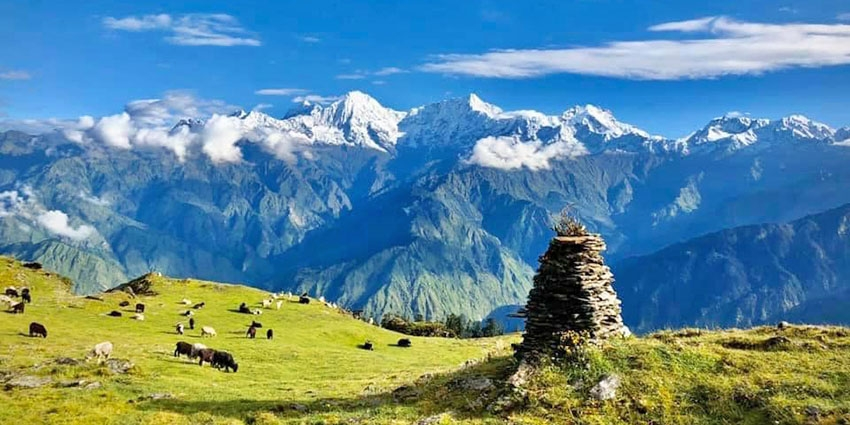
Embark on an adventurous Ganesh Himal Trek Package through one of Nepal’s most remote Himalayan regions, dominated by the majestic Ganesh Himal range, whose highest point rises to 7,429 meters (24,373 ft). The highest peak, Yangra (Ganesh I), stands at 7,422–7,429 meters (24,350–24,373 ft) and is accompanied by other impressive summits, including Ganesh II (7,118 m), Salasungo/Ganesh III (7,043 m), and Pabil/Ganesh IV (7,104 m). Located in north-central Nepal along the border with Tibet, this lesser-known range was first climbed in 1955 and remains one of the Himalaya’s most secluded trekking destinations.
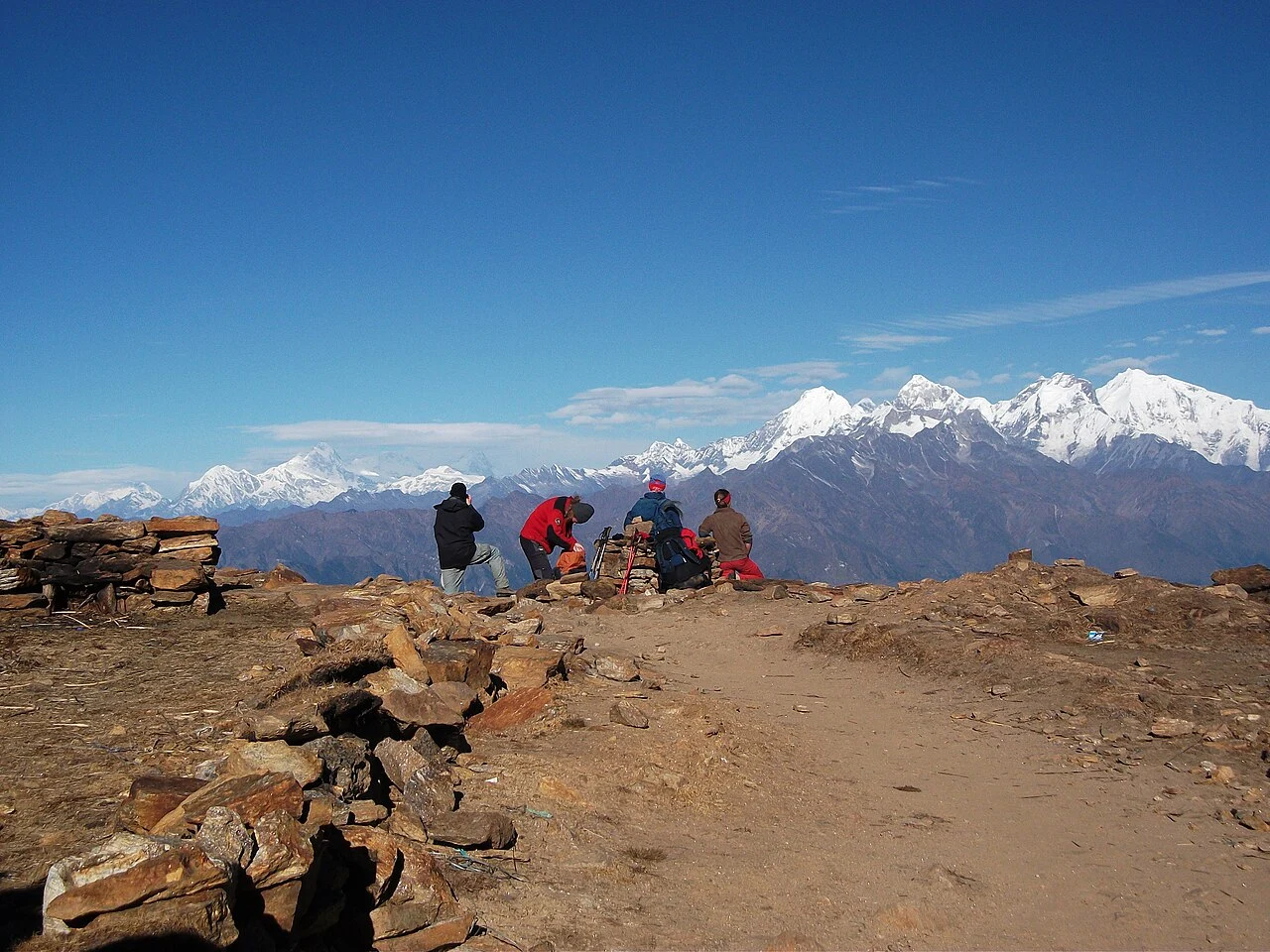
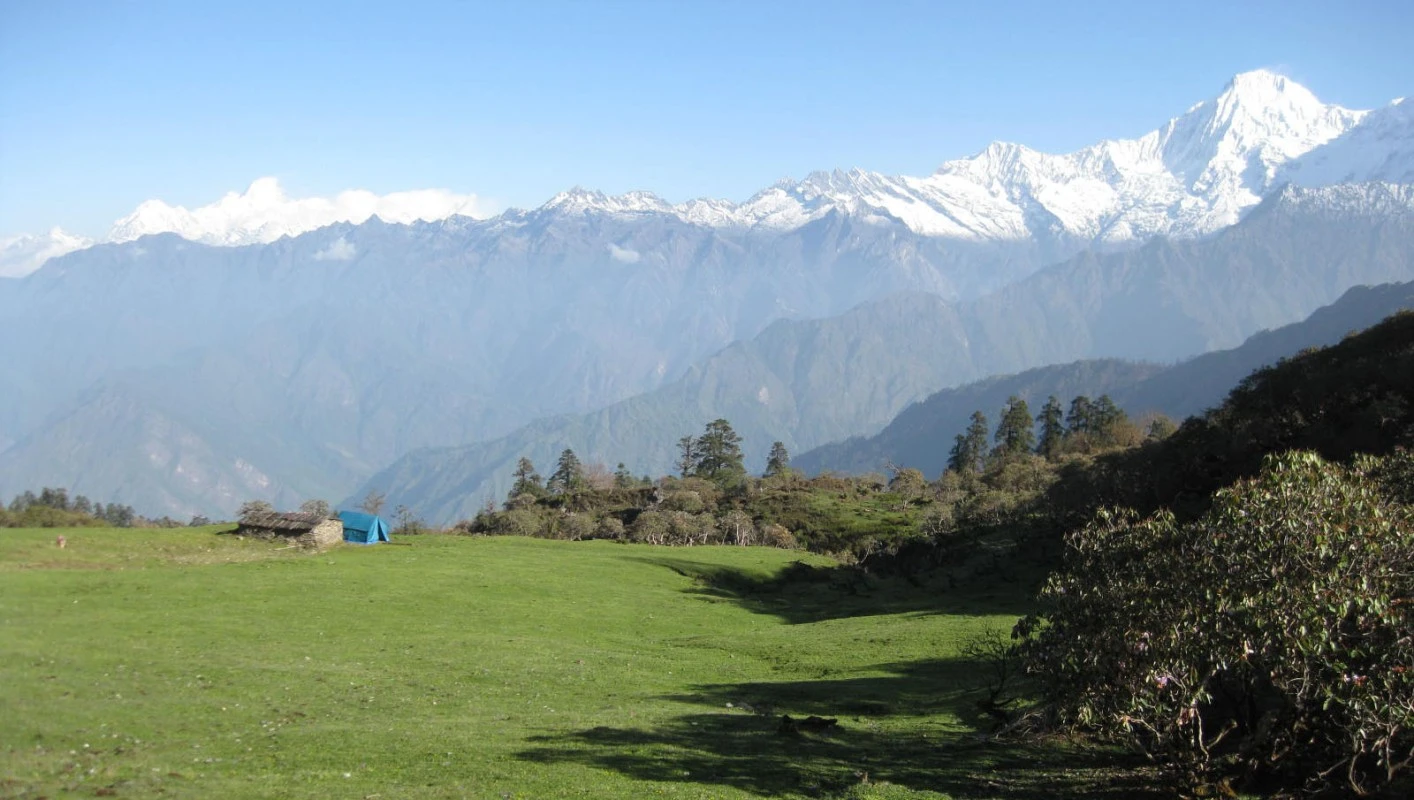
This off-the-beaten-path route promises solitude and pristine natural beauty, with sweeping Himalayan panoramas of Ganesh I–IV, Mount Manaslu, the Tibet Range, and the Annapurna Range. Unlike the crowded Everest Base Camp or Annapurna trails, the Ganesh Himal trek rivals the Manaslu Circuit, Tsum Valley, and Ruby Valley treks in its remoteness and cultural richness. Along the journey, you’ll pass through lush forests, alpine meadows, and traditional Tamang and Gurung villages, experiencing authentic Nepal trekking life surrounded by dramatic, little-seen Himalayan peaks.
Ganesh Himal is named after Lord Ganesh, the Hindu god of fortune, wisdom, and remover of obstacles. This sacred connection adds a layer of cultural depth to the trek. Local people revere the mountain range, and you will notice their deep respect for the area as you interact with them during your journey. The spiritual energy of the region is palpable, providing trekkers with a unique and fulfilling experience.
Accommodations range from comfortable city hotels to simple mountain lodges and tented camps. In Kathmandu and on Day 19, you stay in a 3-star hotel (hot shower, Wi-Fi, twin-sharing room). On the trail, we stay in teahouses and local lodges or camp in tents at high altitudes. These are modest, family-run places with basic twin rooms, beds, blankets, and often shared squat toilets. Facilities are clean but not luxurious. In the most remote villages and campsites, expect no electricity or hot water, charging is usually via solar or generators (for a small fee). The tented nights (Days 6, 8–12) offer sturdy camping equipment and hot meals by a campfire. Altogether, the mix of lodges and camping provides both local flavor and mountain comfort.
From the trailhead at Syabrubesi to the Ganesh Himal Base Camp (Nojet Kharka) is roughly 150–160 kilometers of trekking on foot (plus about 220 km of road travel from Kathmandu). The Ganesh Himal Base Camp itself sits at 3,691 m. Most trekking days cover 8–15 km in 5–7 hours on hilly, rocky terrain. You’ll gain about 1,500 meters total up to Dobra Danda (4,341 m), then descend again. Altogether, the 20-day route is considered the Ganesh Himal Base Camp Trek, a remote alpine journey across varied landscapes. Each day’s hike rewards you with new Himalayan panoramas and cultural stops.
Before the trek, you are met at Kathmandu’s Tribhuvan International Airport and transferred to the hotel. On Day 3, we depart by jeep or 4WD from Kathmandu towards Ganesh Himal. The trek usually begins with a 5–6 hour drive from Kathmandu to Betrawati/Syabrubesi (1,460 m). This scenic drive (via winding mountain roads) offers glimpses of terraced hills, the Trishuli valley, and Ganesh Himal’s snowcaps. We typically use comfortable tourist jeeps or vans, though shared local jeeps may be arranged for a more authentic experience. At the end of the trek (Day 19), we provide a private vehicle back to Kathmandu. All transport within Nepal is coordinated by our team and included in the package.
Nepali cuisine fuels your adventure. In Kathmandu and trekking lodges, we enjoy a Western breakfast (eggs, toast, porridge) and unlimited hot tea or coffee. On the trail, lunches and dinners feature Dal Bhat (lentil soup with rice), mixed vegetables, lentils, and meat stews, a hearty staple that keeps you energized. Dumplings (momos), noodle soups, and omelets are also common.
Each day, we carry boiled/filtered water to purify at stops. Hot beverages (tea, coffee, hot lemon) are available in every lodge or campsite, perfect for warming up after a long day. For variety, trekkers can also order pasta, instant noodles, or granola bars. Snacks like biscuits, chocolate, and fruit are easy to pack. Overall, the food is simple, filling, and clean, with vegetarian options widely available. All meals (breakfast, lunch, dinner) are included on trekking days.
A trek day starts early. After a hot drink, enjoy a hearty breakfast at 7–8 AM. We hit the trail by 8–9 AM, walking steadily with frequent breaks. Mornings often bring crisp mountain air and clear views. By midday, we take a lunch break (light packed lunch or lodge meal) before continuing. Afternoon hiking passes through changing scenery, dense forests, river valleys, or alpine meadows, with many photo stops.
We usually arrive at the next teahouse or campsite by 3–5 PM. Once settled, you have time to explore the village or rest. Dinner is served around 6–7 PM in the communal dining room. Evenings are for sharing tales by lantern light, charging devices (when possible), and stargazing. Lights-out is early (9–10 PM), ensuring you’re rested for the next adventure. Throughout, our guides pace the group slowly at altitude, this is adventure trekking but also careful travel.
The best season for Ganesh Himal Trek is autumn (September–November) and spring (March–May). In autumn, the monsoon-scrubbed air yields crystal-clear views of mountains, and daytime temperatures are mild. Spring brings blooming rhododendrons and warm days. These shoulder seasons provide the most stable weather and vivid Himalayan panoramas. Winter treks (December–February) are quieter but cold, with snow possible at higher camps. Monsoon (June–August) sees heavy rains and leeches, making trails slippery; however, the landscape becomes lush green, and waterfalls are at their fullest. Plan your Ganesh Himal trekking trip for spring or autumn to enjoy clear skies and comfortable conditions.

 0°C
0°C



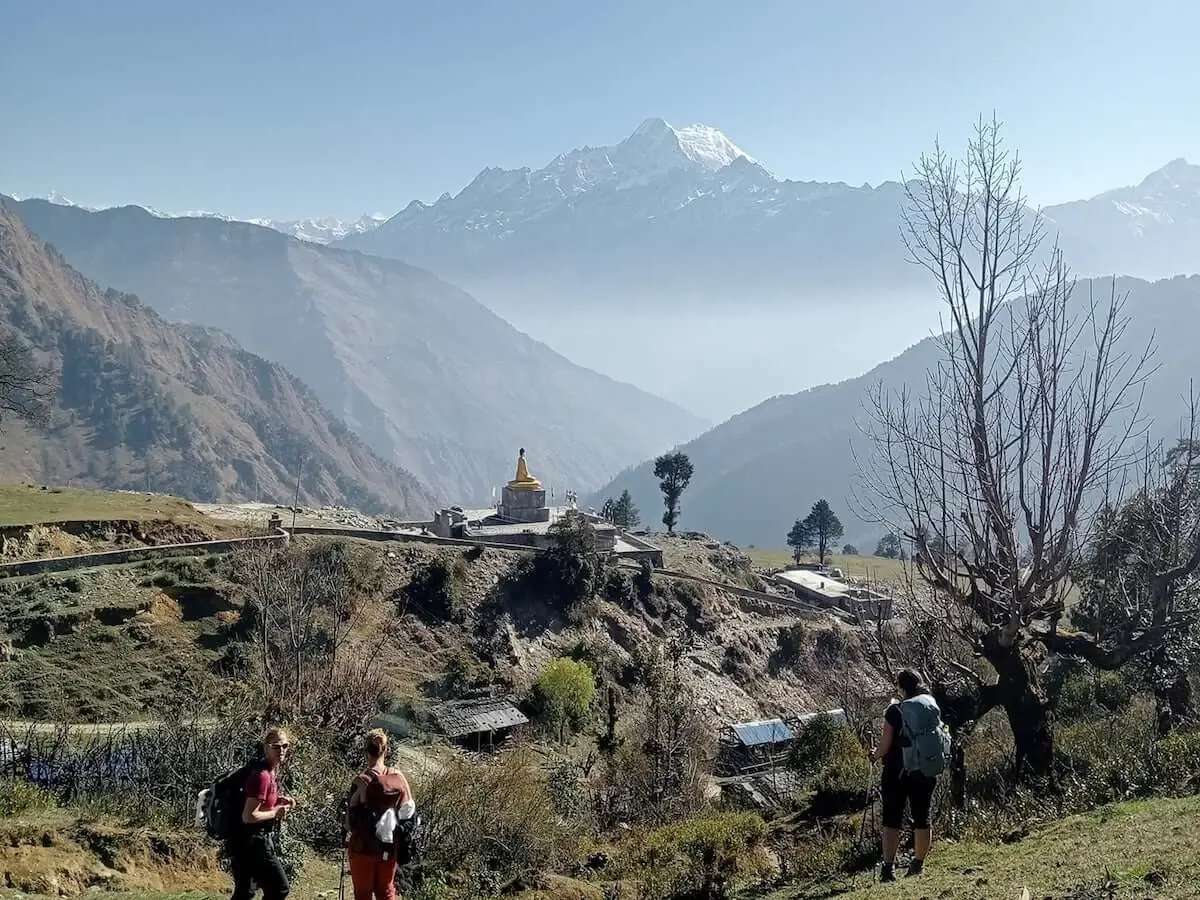
The Ganesh Himal region is rich in Himalayan culture. You’ll trek through villages of Tamang, Gurung, and Ghale communities. Daily life here revolves around farming, animal herding, and local crafts. The people are warm and friendly; you might see villagers carrying prayer flags, spinning prayer wheels, and tending small Buddhist monasteries. Ganesh statues are common, reflecting the sacred importance of the mountain name.
Etiquette tips: Embrace local customs, greet people with a cheerful “Namaste!” (hands together). Dress modestly (cover shoulders and knees) when visiting villages or temples. Remove shoes and hats inside temples or someone’s home. Ask permission before photographing villagers or monks. Avoid touching heads (the top of the body is sacred). Say “Dhaniyaabaad” (thank you) for kindness. Trek trash-free: carry out any litter. Tipping your guide and porter for good service at the end is customary (about 10–15% of trek cost). These simple courtesies will make your cultural encounters respectful and rewarding.
Expect a blend of comfort in Kathmandu and simplicity on the trail. In Kathmandu’s hotels (the night before and after the trek), you’ll have private rooms with attached bathrooms, hot showers, and Wi-Fi. In mountain teahouses and lodges, rooms are basic but cozy: usually twin-share rooms furnished with clean sheets and woolen blankets. Most teahouses have shared toilets (Nepali squat or Western style) and a common dining area. Hot showers are available at some lodges (often heated by sun or fire) for a small fee.
Electricity is limited; charging phones or cameras is usually done in the evenings, but it may be paid or time-limited. Expect no luxury, these lodges are known for their hospitality, simple wood-beam architecture, and home-cooked meals. In campgrounds, tents are comfortable and warm with foam mattresses. Overall, you can look forward to safe, clean, and culturally immersive accommodations, where the emphasis is on mountain adventure rather than five-star amenities.
This trek is moderately challenging. Although there are no technical climbs, you will trek over rugged terrain, steep ascents and descents, and high passes up to around 4,300 m. The trail is well-defined but often rocky and uneven. Daily distances of 8–15 km require good stamina. Altitude is a factor: the highest point is about 4,341 m (Dobato), but most nights are below 4,000 m.
Proper acclimatization (rest days, slow pace) keeps the risk of altitude sickness relatively low, but be prepared. This trek is suitable for trekkers in good shape who have prior trekking experience. Regular cardiovascular exercise and some longer hikes beforehand will make the journey much more enjoyable. In short: train well, stay hydrated, and you’ll conquer the heights of Ganesh Himal.
20 days per person, $1570 (includes guide, permits, transportation, accommodation, meals, porters, sleeping bags, and other services as listed).
We offer lower per-person rates for larger groups:
(These prices reflect significant group savings. Our competitive rates cover everything on the trek, from Kathmandu transfers to teahouse lodging to camping gear.)
All trekkers require permits for the Ganesh Himal region. Specifically, you must obtain a TIMS (Trekkers’ Information Management System) card and a Ganesh Himal Conservation Area/Langtang National Park permit. The Ganesh Himal area lies at the edge of Langtang National Park, so park entry fees apply. Permits are obtained in Kathmandu or Pokhara (our office will handle them before departure) at the Nepal Tourism Board or the District Forest Office. These permits help regulate trekking, support conservation, and allow you to pass through local checkpoints. Keeping copies of your permit receipts is required; our guide will carry them and show them as needed.
| Item | Description | Qty |
| Underwear | Breathable synthetic underwear | 3 |
| Socks | Wool socks (Bring Your Own) | 3 |
| Bra | Sports bra (BYO) | — |
| Base Layer Pants | Merino wool base layer (BYO) | 1 |
| Trekking Shirt | Lightweight synthetic shirt (BYO or buy in Kathmandu) | 2 |
| Rain Pants | Lightweight synthetic rain pants — Frogg Toggs recommended | 1 |
| Trekking Pants | Lightweight synthetic trekking pants (BYO or buy in Kathmandu) | 2 |
| Hiking Shoes / Boots | Bring your own: Salomon Quest 4D or X Ultra 3/4 | 1 pair |
| Camp Shoes | Down booties (BYO or purchase in Kathmandu) | 1 |
| Gloves | One thin merino wool pair + one thick insulated pair | 2 pairs |
| Hat | Sun hat or cap with neck protection (BYO) | 1 |
| Down Jacket | Insulated down jacket (BYO) | 1 |
| Windbreaker | Lightweight windproof jacket (BYO) | 1 |
Your safety is our priority. Our guides are professionally trained in wilderness first aid and carry comprehensive first-aid kits and oxygen. We also provide emergency communication devices. In case of severe altitude sickness or injury, our plan includes helicopter evacuation to Kathmandu. We trek in groups and do not leave anyone behind.
Weather in the high Himalaya can change rapidly, so we monitor conditions closely. At lower elevations, Nepali villages are generally very safe; crime is rare on trek. It’s important to have travel insurance that covers high-altitude trekking and emergency evacuation. This ensures you are secure from any unforeseen event in these remote trails.
Experience the Ganesh Himal Trek with us and discover why seasoned trekkers value our experience, local expertise, ethical trekking practices, and dedicated customer support. Join the adventure of a lifetime on these remote Himalayan trails, and return with memories of stunning panoramas and local friendships.

On arrival in Kathmandu at the Tribhuvan International Airport (TIA), our office representative will be holding a sign with your name or our company's play card, pick you up, and then transfer you to the hotel. In the evening, they will brief you about the trek.
In the morning, after breakfast, guided sightseeing tour of the entire Kathmandu valley, including the renowned UNESCO world heritage sights – Monkey Temple, Patan Durbar Square, Pashupatinath Temple, Boudhanath Stupa. In the evening, prepare for the trek. Overnight at the hotel.
The drive from Kathmandu to Syabrubesi covers about 120 km and takes 7-9 hours by car along winding mountain roads. The village sits at 1,460-1,500 meters. Tourists enjoy scenic viewpoints of terraced hills, Trishuli and Bhote Koshi river valleys, lush forests, Ganesh Himal, and Langtang Lirung vistas en route and from nearby ridges.
The trek from Syabrubesi to Gatlang Village covers about 10-12 km and takes 5-6 hours, featuring a steep ascent to Ronga Bhanjyang viewpoint with panoramic sights of Goljang Valley, Ganesh Himal, Gosaikunda range, and Langtang Lirung, plus mani walls and chortens en route. After Goljang for lunch, it's a 2-3 hour uphill to Gatlang, a Tamang village at 2,238 meters elevation. This scenic, lesser-traveled path blends culture and nature, ideal for tourists seeking Himalayan vistas and authentic stops.
Trekking from Gatlang Village to Somdang (3,271m) typically takes 6-7 hours over a 16 km trail, winding through Parvati Kunda and Yuri Kharka. Key tourist viewpoints include Parvati Kunda's sacred lake and panoramic Ruby Valley vistas, plus abandoned zinc mines offering rugged scenery. Somdang sits at 3,271m, known for the serene Tamang culture amid peaks.
The trek from Somdang to Pangsang Phedi takes 3-4 hours, covering an ascent to 3,842m over roughly 8-10 km through meadows and forests. Key viewpoints include panoramic Ganesh Himal vistas, Paldor Peak, and the Langtang ranges from the Pangsang Pass base, ideal for tourists seeking stunning Himalayan panoramas. Pangsang Phedi sits at 3,842 meters, offering wildflowers and serene campsites.
Trekking from Pangsang Phedi to Chalish Gaon typically takes 5-7 hours, covering roughly 10-12 km of steep trails through forests, bamboo groves, and waterfalls. The path offers stunning tourist viewpoints like Ganesh Himal panoramas, rhododendron blooms, and distant snowy peaks, ideal for photos. Chalish Gaon sits at 1,674 meters, a serene Gurung village with hot springs nearby.
The trek from Chalish Gaon to Hinduing typically takes 3-4 hours, covering roughly 8-10 km of mixed uphill and downhill trails through Tamang villages and forests. Key tourist viewpoints include Deul Danda and Mane Danda, offering stunning panoramas of Ganesh Himal ranges. Hinduism sits at about 2,200m elevation, ideal for acclimatization amid cultural sights like local monasteries.
The trek from Hinduing to Thulo Dhunga (3,300m) covers roughly 8-10 km and takes 5-6 hours, depending on pace and weather. Hikers enjoy stunning viewpoints of Ganesh Himal peaks, rolling green valleys, and rhododendron forests en route. Thulo Dhunga offers panoramic vistas ideal for tourists seeking Himalayan serenity. This moderate day hike suits fit adventurers, blending forests and ridges for immersive scenery.
The trek from Thulo Dhunga (3,337m) to Nojet Kharka/Ganesh Himal Base Camp (3,691m) typically takes 6 hours, covering a challenging distance of about 8-10 km with steep ascents through moraine and alpine meadows. Tourists enjoy stunning viewpoints of Ganesh Himal peaks, Ganesh Kunda lakes, and panoramic Langtang range vistas along the trail. This rewarding day gains roughly 354m elevation amid serene pastures.
Hiking to Dobra Danda viewpoint (likely Dobato or a nearby ridge in the Khopra Danda trek, Annapurna region) typically takes 3-4 hours of gradual ascent through rhododendron forests, covering about 5-7 km from lower camps like Tadapani. The trail reaches roughly 4341m elevation, offering stunning panoramas of Annapurna, Dhaulagiri, and Hiunchuli. Key tourist viewpoints include Mulde (3,637m, 30-45 min extra from Dobato) for 360-degree Himalayan vistas, plus optional sunrises at Poon Hill. This moderate side hike suits day tours, blending culture and scenery.
The hike back up from the Hinduing river to the Dobra Danda viewpoint is typically around 1.5–2 hours for an average hiker, with steady uphill walking on a well‑trodden local trail. The main viewpoints for tourists are the Dobra Danda ridge itself, several intermediate clearings overlooking the valley, and the final Hinduing riverbank area. The walking distance between Hinduing and Dobra Danda is roughly 3–4 km one way, depending on the exact start point in the village. Hinduing sits at an approximate elevation of 2,200m above sea level.
Trekking from Hinduing to Kapur Gaun in the Ganesh Himal region takes about 5-6 hours, covering roughly 10-12 km on moderate trails past Tato Pani hot springs. Tourists enjoy viewpoints of Ganesh Himal peaks, Langtang range, and lush valleys, plus cultural Gurung villages and hot springs for scenic panoramas. Kapur Gaun sits at 1,500m elevation, ideal for acclimatization amid terraced hills. This short segment suits day hikes with Himalayan vistas and local hospitality.
The trek from Kapur Gaun to Khading Gaon in Nepal's Ganesh Himal region takes 4-5 hours, covering roughly 10-12 km through terraced fields, forests, and villages like Lapa and Lapchyat. Tourists enjoy stunning viewpoints of Ganesh Himal peaks, river valleys, and traditional Gurung settlements along the route. Khading Gaon sits at 2,025 meters (6,644-6,660 ft) elevation, offering serene Himalayan panoramas.
The trek from Khading Gaon (2025m) to Magne Goath (2950m) takes about 4-5 hours and covers roughly 8-10 km through scenic forests and ridges in Nepal's Ganesh Himal region. Tourists enjoy viewpoints like Myangal Bhangyang pass (2975m), offering panoramas of Ganesh Himal peaks, verdant valleys, and distant snowcaps. Magne Goath's elevated height provides stunning alpine vistas ideal for photography and reflection.
The trek from Magne Goth to Lapudanda typically takes 5-6 hours, covering a descent of about 10-12 km through forests and ridges in Nepal's Ruby Valley. Key tourist viewpoints include panoramic Ganesh Himal vistas and valley overlooks along the trail. Lapudanda sits at 1,250 meters, ideal for camping amid scenic drops.
Trekking from Lapudanda to Ganga Jamuna Waterfall Source takes about 6 hours over roughly 12-15 km of scenic trails through forests and villages. Key tourist viewpoints include panoramic vistas of Ganesh Himal, Manaslu, Langtang, and Annapurna ranges from ridges near the source. The waterfall source sits at approximately 2,800m elevation, depending on the exact viewpoint atop the falls. This moderate hike suits da,y tours with stunning Himalayan backdrops.
The trek from Ganga Jamuna to Tripura Sundari (850m) in Nepal's Ganesh Himal region takes about 5 hours, covering a moderate distance of roughly 12-15 km through Brahmin villages, rice paddies, rhododendron forests, and hills with waterfalls. Key tourist viewpoints include panoramic vistas of Manaslu, Ganesh Himal, Langtang, and Aku River en route. Tripura Sundari temple, at 850 meters, serves as a scenic endpoint before returning to Kathmandu.
Driving from Tripura Sundari to Kathmandu covers about 100 km and takes roughly 2 to 2.5 hours by car on winding mountain roads. Key tourist viewpoints en route include scenic hill stops with Himalayan vistas and rural landscapes. Kathmandu sits at 1350 meters.
Our office representative will transfer you to the airport for your flight back home or onward destination 3 hours before your flight time
The Ganesh Himal Trek is a remote and less-explored trekking route in the central eastern region of Nepal. It offers trekkers a unique experience of untouched natural beauty, traditional culture, and stunning views of Himalayan peaks like Ganesh Himal, Manaslu, and Langtang.
xThe Ganesh Himal Trek is moderately challenging. It involves trekking through rugged terrain, dense forests, and high mountain passes like Shingla Pass and Pangsang La Pass. The trek requires good physical fitness and some prior trekking experience.
The ideal seasons for the Ganesh Himal Trek are spring (March to May) and autumn (September to November). These months offer clear skies, pleasant temperatures, and the best visibility of the surrounding mountain ranges.
The Ganesh Himal Trek is recommended for trekkers with moderate experience, as it involves some steep ascents and high-altitude passes. Beginners with good physical fitness can also attempt it but should prepare for challenging sections.
Yes, the Ganesh Himal Trek offers the opportunity to stay in homestays within remote Gurung and Tamang villages, allowing trekkers to immerse themselves in local culture and experience authentic rural life in Nepal.
The Ganesh Himal Trek typically takes 18-20 days, including travel to the trek starting point at Betrawati and returning from Dhading Besi. The trek’s duration can be customized depending on the trekking pace and itinerary preferences.
To prepare for the Ganesh Himal Trek, focus on building stamina and strength through cardio exercises, hill walking, and trekking with a backpack. Acclimatization is essential, so train at higher altitudes if possible. Ensure you're physically fit to handle the trek's rugged conditions.
| # | Discount group | From adult | To adult | Value |
|---|---|---|---|---|
| 1 | Pax | 1 | 2 | $1230.00 |
| 2 | Pax | 3 | 5 | $1170.00 |
| 3 | Pax | 6 | 11 | $1030.00 |
| 4 | Pax | 12 | 15 | $970.00 |
| 5 | Pax | 16 | 25 | $890.00 |

Group Discount
Group Discount Available

Member Since 2025



Black and White Lakes Were Stunning