


















5 Days
Daily Tour
15 people
English
Chat with us — real trekking experts, not bots.
The Annapurna Base Camp Trek 5 Days is a short and exciting Himalayan adventure designed for fit travelers who want to reach the heart of the Annapurna region in limited time. The trek starts and ends in Pokhara, making it a convenient choice for travelers with a tight schedule while still offering an unforgettable mountain experience.
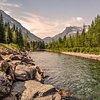
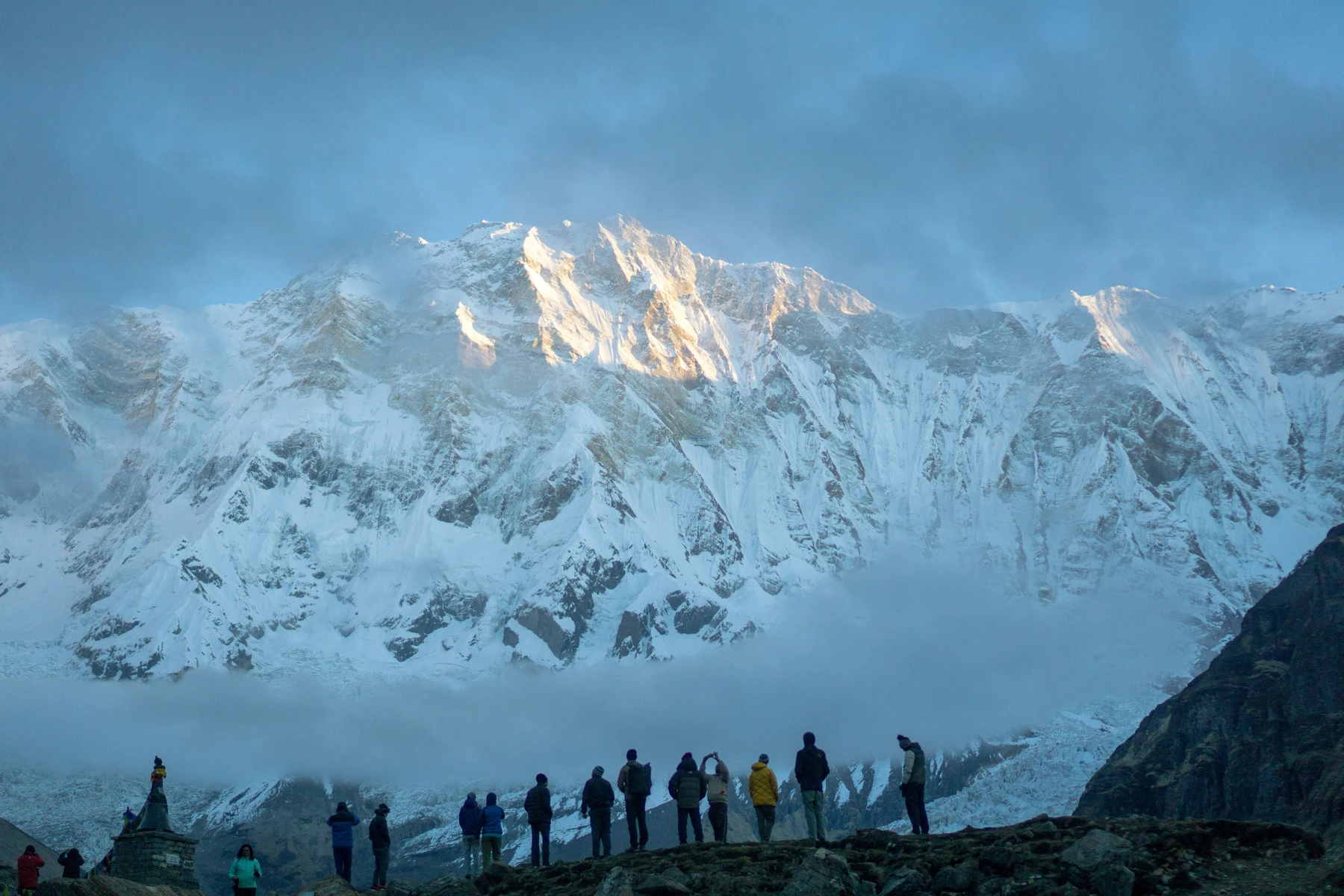
The highest point of the journey is Annapurna Base Camp at 4,130 meters, where you can enjoy spectacular views of the Annapurna range and surrounding Himalayan peaks. The trail passes through traditional Gurung villages, peaceful forests, cascading waterfalls, mountain rivers, and natural hot springs, giving you a wonderful mix of Himalayan scenery and local culture.
Although the itinerary is only five days, the trek is fast-paced and involves several hours of walking each day. Good physical fitness and proper preparation are therefore recommended. Along the route, you can experience the warm hospitality and traditional lifestyle of the mountain communities while enjoying changing landscapes from lush valleys to alpine terrain.
Food along the route includes simple and nutritious meals, with Dal Bhat being the most popular choice among trekkers. The trek usually involves 3 days of ascent and 2 days of descent to complete the 5-day itinerary.
If you have extra time, you can also combine this trip with the Poon Hill Trek 4 Days, which offers stunning sunrise views of the Annapurna and Dhaulagiri ranges.
Himalaya Hub Adventure operates this trek as a registered and professionally organized trekking company. Our package includes a licensed trekking guide, required permits, accommodation, meals, and transportation according to the selected package inclusions, allowing you to focus on enjoying your journey to Annapurna Base Camp.
Chat with our experts and get special discounts tailored for your group size.
Your Annapurna Base Camp adventure starts early in the morning from Pokhara. We will drive through beautiful countryside roads, passing small villages and green rice fields. The drive takes about 2 hours to reach Siwai, which is our trek starting point.
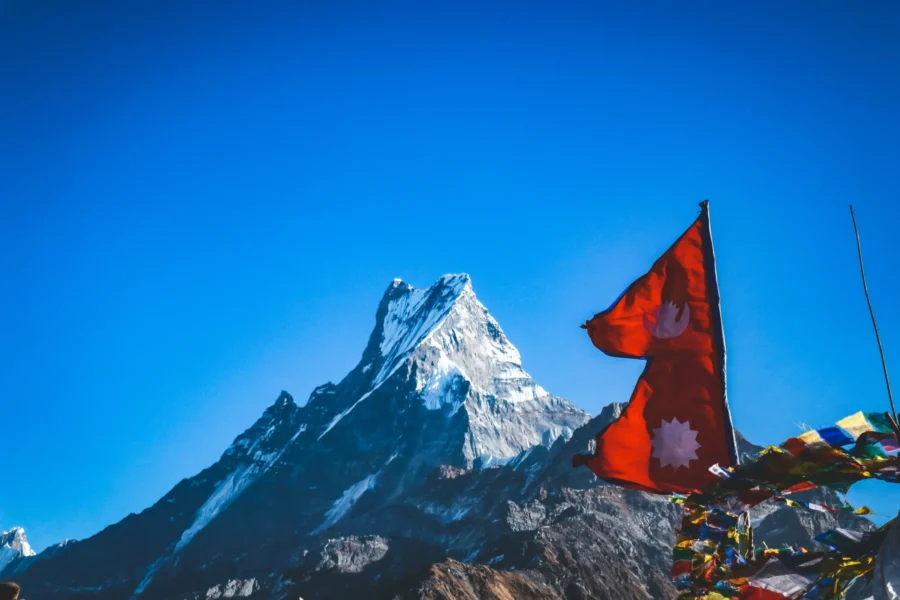
From Siwai, we start trekking uphill through local villages and forest trails. The path goes through Chhomrong village, which is a big Gurung settlement with amazing mountain views. You will see Annapurna South and Machhapuchhre (Fishtail Mountain) from here. After crossing the Chhomrong Khola river on a suspension bridge, we climb stone steps to reach Sinuwa.
Sinuwa is a small village surrounded by rhododendron and bamboo forests. This is where we stay for the night. The tea house is simple but comfortable, and you can enjoy a hot meal after your first day of trekking.
Today we trek deeper into the Annapurna Sanctuary. The trail goes through thick bamboo and rhododendron forests. You might see colorful birds and maybe some monkeys along the way. The path is mostly uphill but not too difficult if you walk slowly.
We pass through Bamboo village and then Doban before reaching Himalaya Hotel. After this point, the forest becomes denser and the mountains feel closer. The trail passes through an area where avalanches can happen in winter, but it is completely safe during the main trekking seasons. You will cross several small streams on wooden bridges.
By afternoon, we reach Deurali, which sits at 3,200 meters. From here, you can see snow-covered peaks all around. The temperature drops as we are getting higher, so make sure to wear warm clothes. Tonight you will sleep at a higher altitude, so drink plenty of water.
This is the most exciting day of your trek. We start early after breakfast and head towards Machhapuchhre Base Camp first. The landscape changes completely as we leave the tree line behind. Now you walk on rocky paths with giant mountains surrounding you on all sides.
After reaching Machhapuchhre Base Camp at 3,700 meters, we take a short rest and continue to Annapurna Base Camp. The final section takes about 2 hours. With every step, the mountains get bigger and closer. When you finally arrive at Annapurna Base Camp, you will be standing in a natural amphitheater surrounded by massive Himalayan peaks.
Annapurna I, Annapurna South, Hiunchuli, and Machhapuchhre tower above you. The views are absolutely stunning. If the weather is clear, you can watch the sunset painting the mountains gold and pink. This is the highlight of your entire journey. Tonight you sleep at the base camp, which is the highest point of this trek.
Wake up very early to see the sunrise at Annapurna Base Camp. The morning light on the mountains is magical and perfect for taking photos. After breakfast, we start our long descent back down the valley. Going downhill is easier on your lungs but harder on your knees, so use your trekking poles.
We retrace our steps through Machhapuchhre Base Camp and Deurali. The path goes down through Himalaya Hotel and Doban. Since we are going downhill, we cover distance much faster than when we were climbing up. You will notice the air getting warmer and thicker as we lose altitude.
By late afternoon, we arrive back at Sinuwa where we stayed on the first night. Your legs might feel tired from the long downhill walk, but you will feel proud of reaching the base camp. Tonight you can rest well and celebrate your achievement with your trekking team.
This is the last day of your trek. After breakfast, we descend from Sinuwa through the beautiful forest trail. The path goes down to Chhomrong Khola and then climbs a little to reach Jhinu Danda. This village is famous for its natural hot springs where you can relax your tired muscles.
If time allows, you can walk down to the hot springs and take a bath in the warm natural pools. It feels amazing after days of trekking in the mountains. After refreshing yourself, we meet our vehicle at Jhinu Danda and start the drive back to Pokhara.
The drive takes about 4 hours on a scenic mountain road. You will arrive in Pokhara by late afternoon or early evening. From here, you can rest at your hotel, enjoy a nice meal at a lakeside restaurant, and share your trekking stories. Your 5-day Annapurna Base Camp Trek adventure ends here with wonderful memories.
Are you interested in planning a custom trip? Tell us your travel plans and we'll create a personalized itinerary based on your budget, interests, and schedule.
Chat with us — real trekking experts, not bots.

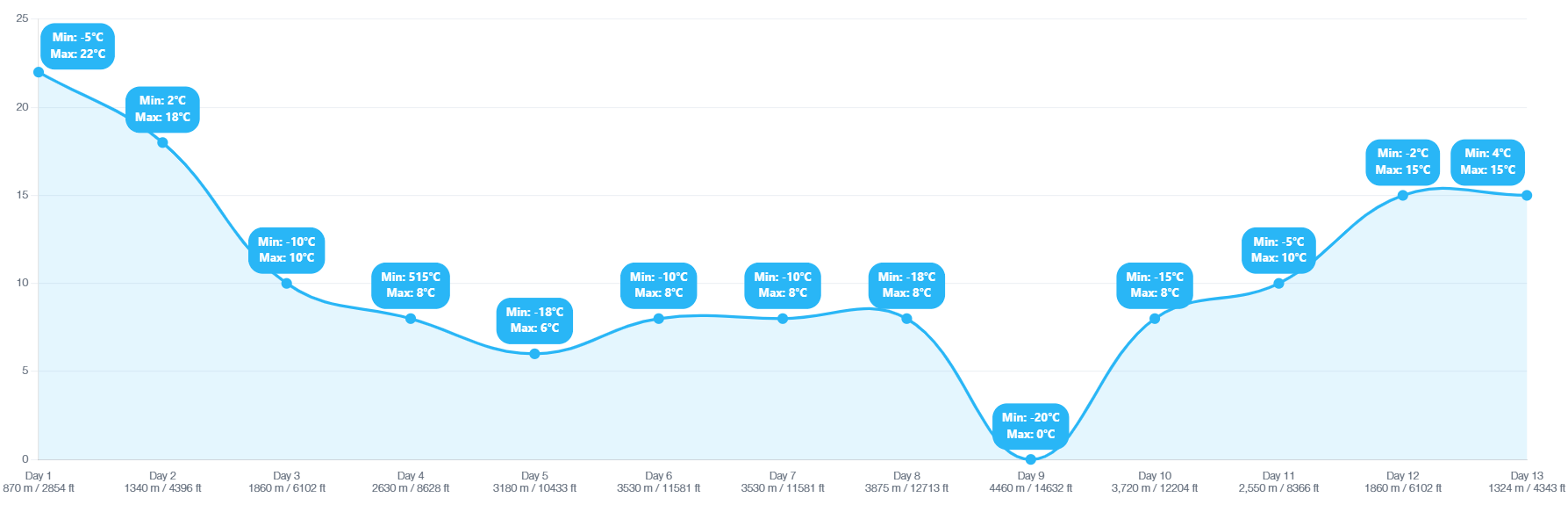
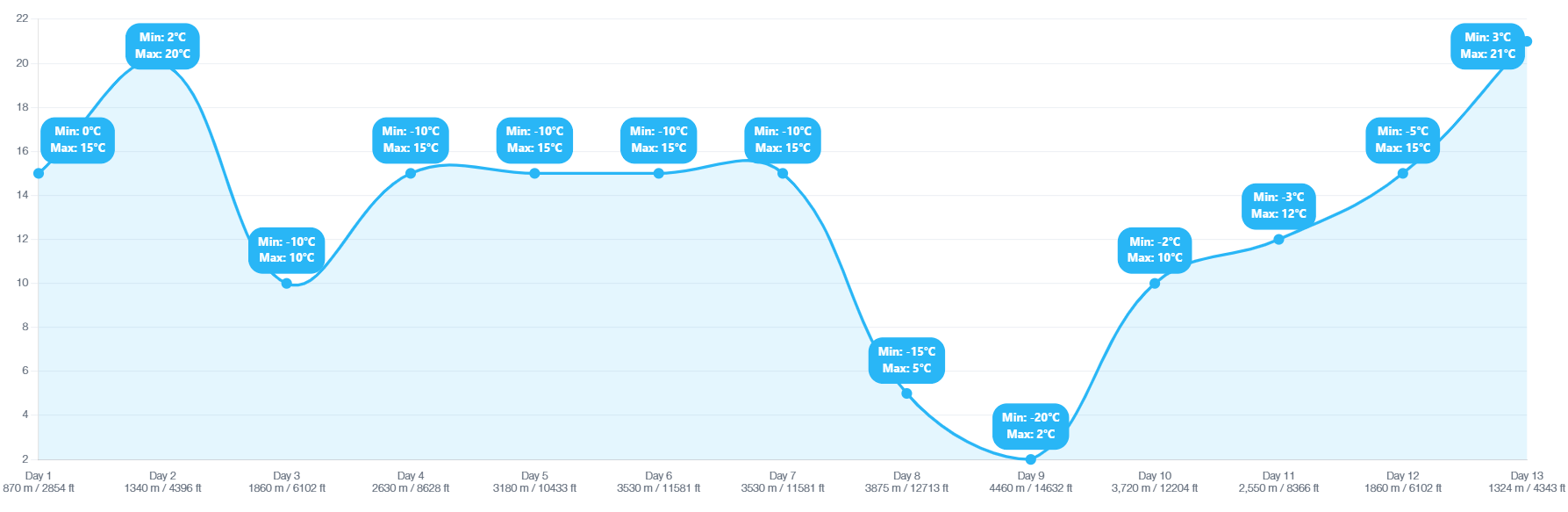
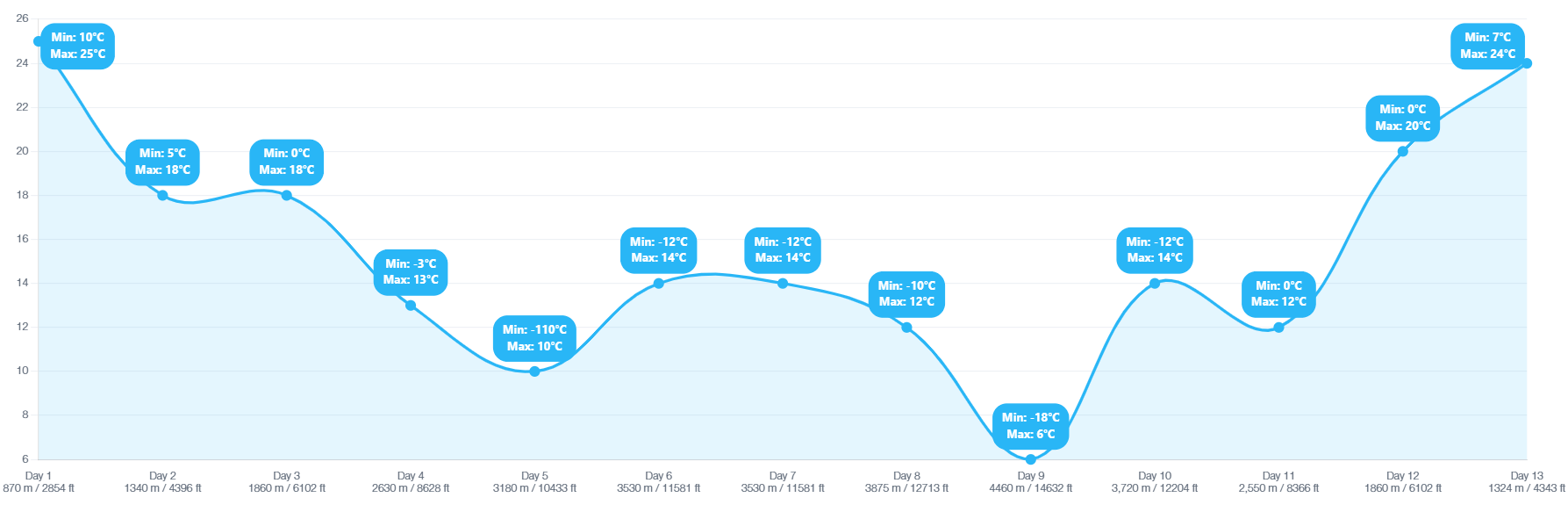
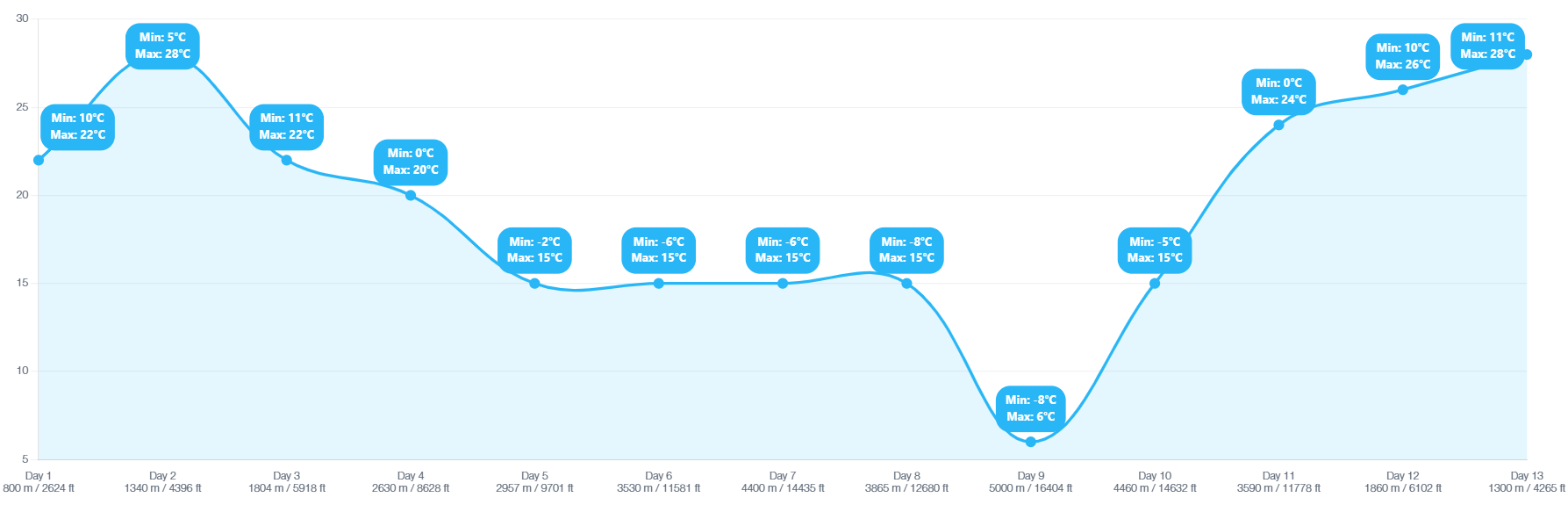
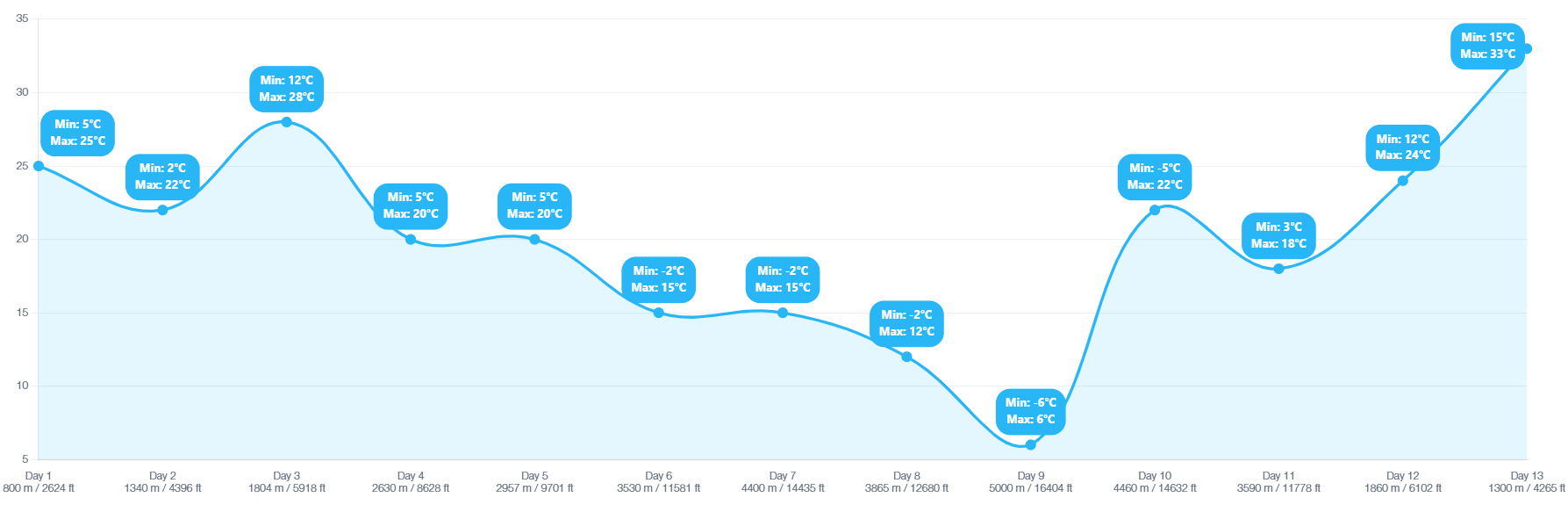
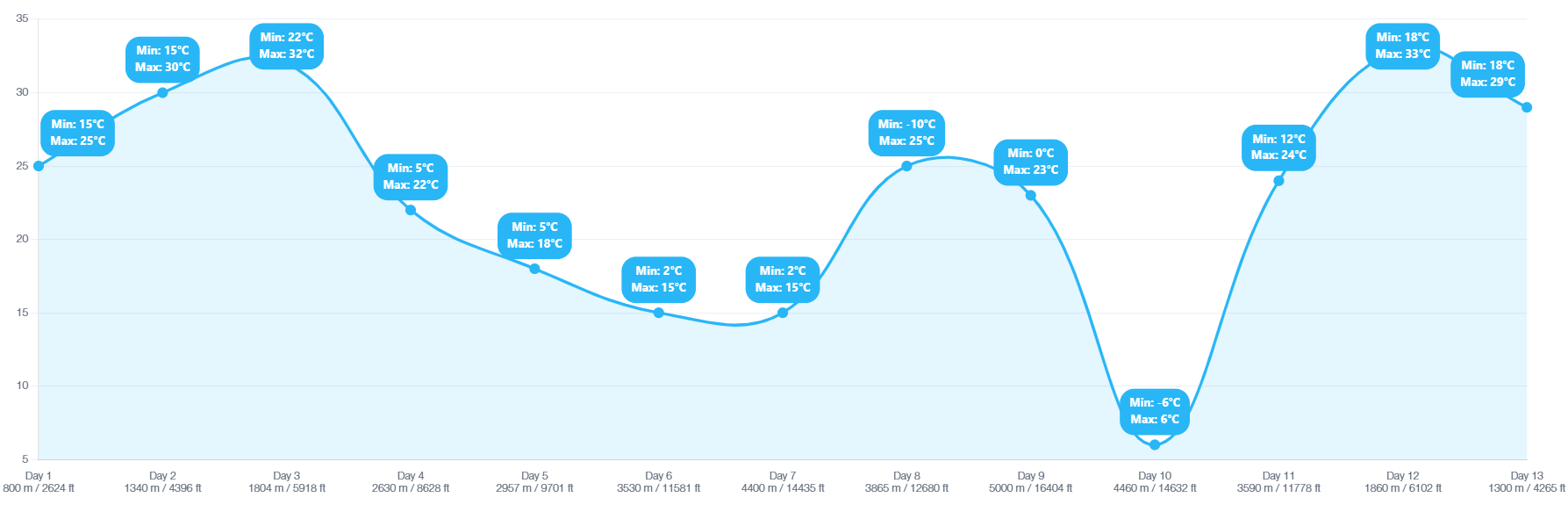
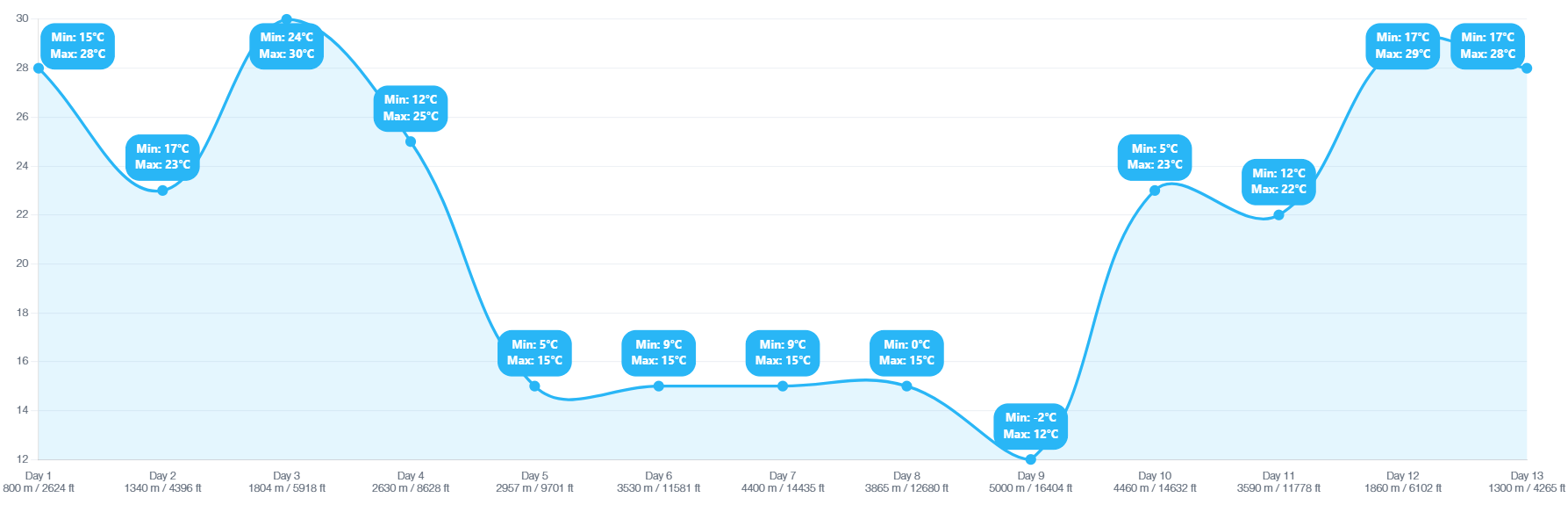
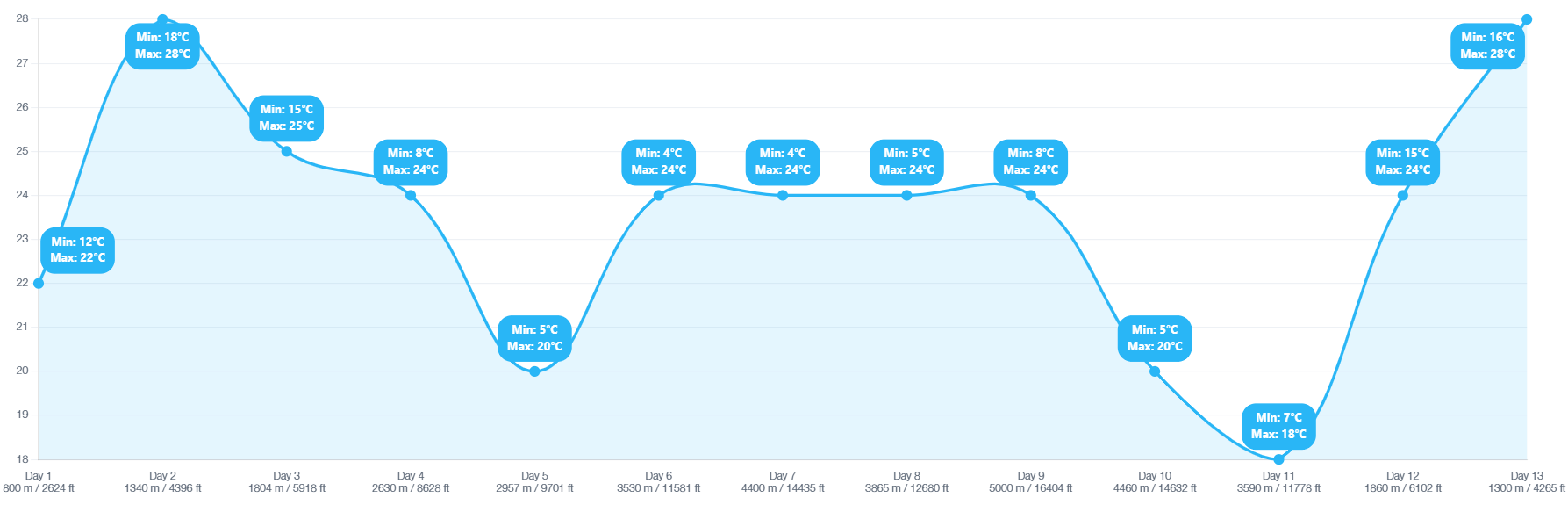
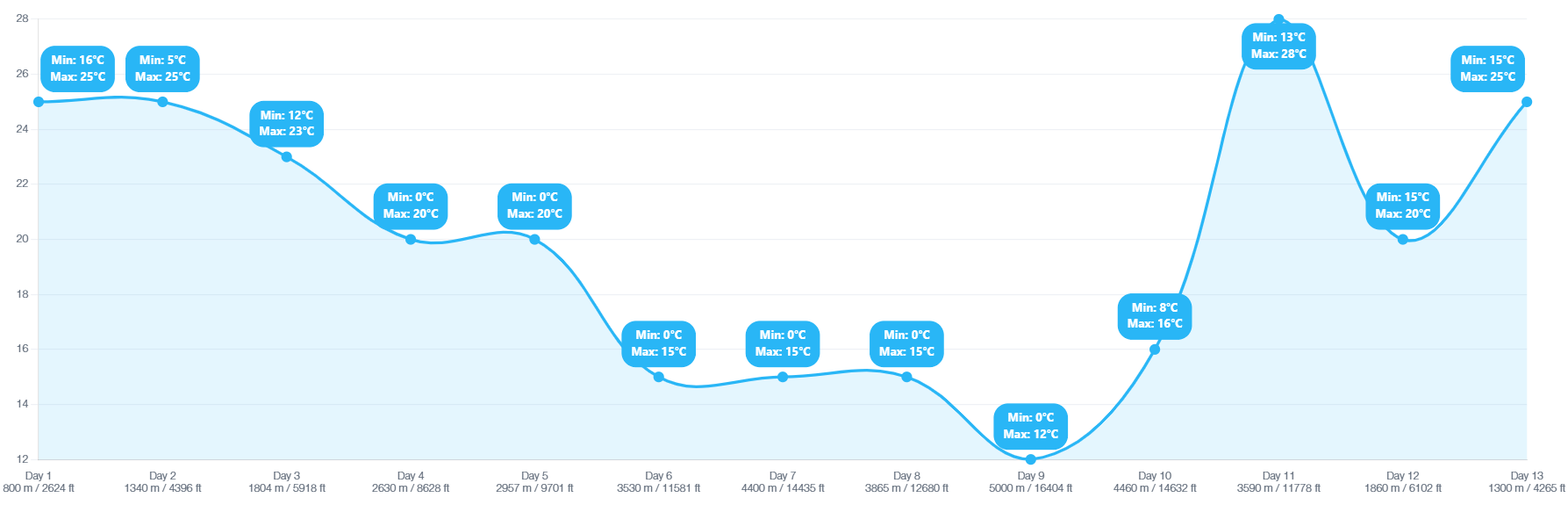
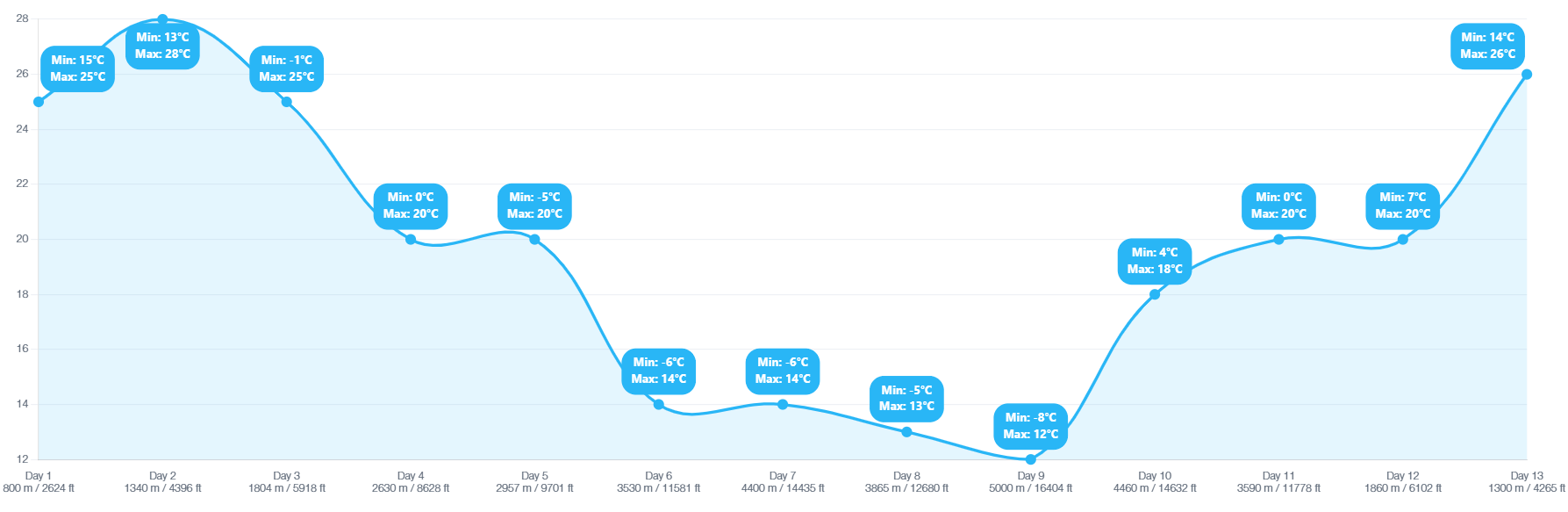
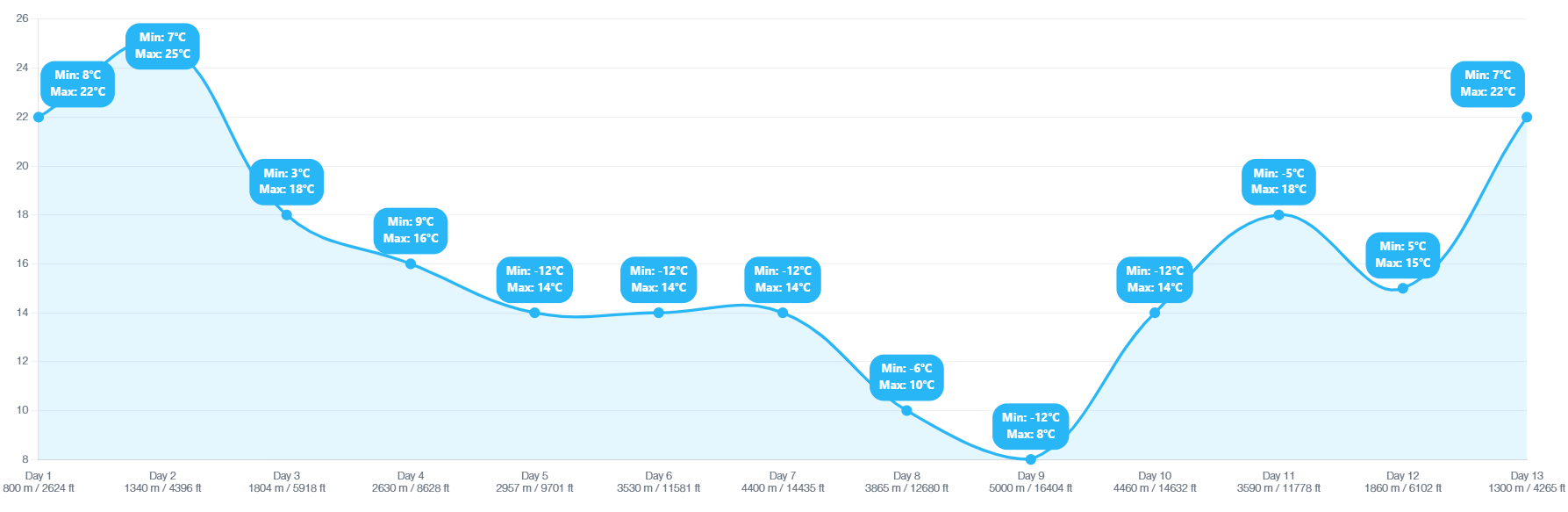
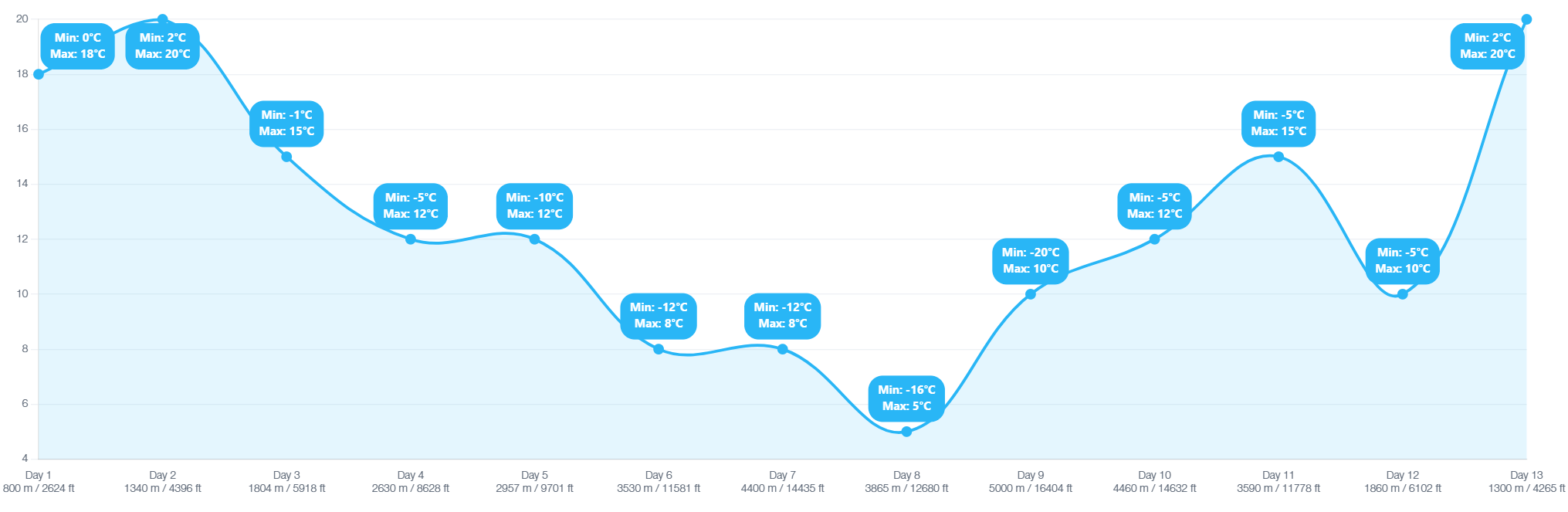
Temperature is for the reference only and may not be accurate
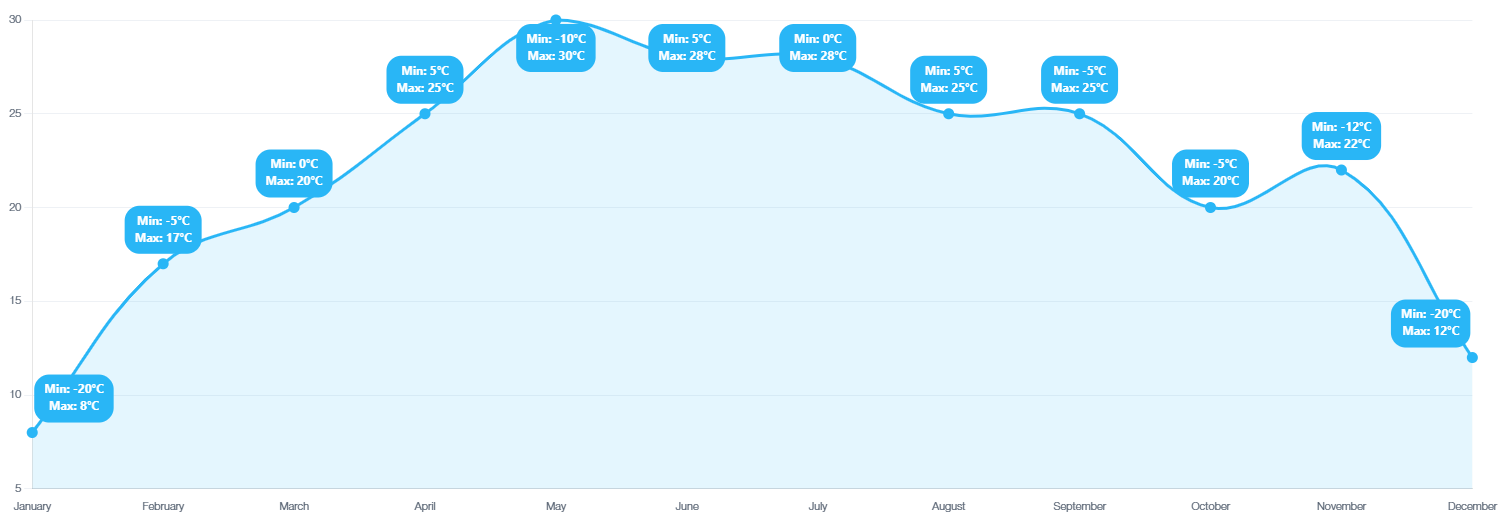
Temperature is for the reference only and may not be accurate
| Group Size (adult) | Price |
|---|---|
| 1-4 | $540 (Per Person) |
| 5-7 | $340 (Per Person) |
| 8-10 | $310 (Per Person) |
| 11-15 | $280 (Per Person) |
No shared groups. No fixed schedules. Just a personalized journey made for you.
Packing smart for the Annapurna Base Camp Trek 5 Days helps you stay comfortable through changing temperatures, steep trails, and cold nights at higher elevations. Since this is a short but high-altitude trek, focus on lightweight, practical, and weather-appropriate gear. The checklist below is organized to make it easy to prepare everything before your journey.
Layered Clothing: Pack moisture-wicking base layers, a warm insulating layer, and a waterproof outer layer so you can adjust easily to changing temperatures.
Trekking Pants: Choose lightweight, flexible, and quick-drying pants that are comfortable for long walking days.
T-shirts: Bring moisture-wicking synthetic or merino-wool shirts. Avoid cotton because it stays wet longer.
Underwear: Pack breathable, quick-drying underwear with a few spare pairs.
Trekking Socks: Wool or synthetic socks are ideal. Carry extra pairs and keep at least one dry pair available.
Warm Hat and Sun Cap: A warm hat protects against cold, while a sun cap provides protection during sunny daytime walks.
Gloves: Bring warm gloves for cold mornings, evenings, and higher elevations.
Fleece or Down Jacket: An insulating layer is important for cold evenings and early mornings, especially near Annapurna Base Camp.
Waterproof Jacket and Pants: Useful protection against rain, wind, and possible snowfall.
Backpack: A comfortable 30–40L backpack with a rain cover is suitable for carrying your daily essentials.
Trekking Poles: Helpful for maintaining balance and reducing strain during steep ascents and descents.
Sleeping Bag: A warm sleeping bag suitable for cold mountain nights is recommended, even when staying in teahouses.
Headlamp or Flashlight: Essential for early morning starts, nighttime movement, and possible power interruptions.
Water Bottles or Hydration Bladder: Carry enough reusable water capacity for the day's walking and avoid unnecessary single-use plastic.
Water Purification Tablets: Useful when treating drinking water from taps or other available sources.
Sunglasses: Choose sunglasses with good UV protection, particularly for bright conditions at higher elevations.
Sandals or Slippers: Useful for relaxing inside teahouses after completing the day's trek.
| Item | Description | Qty |
|---|---|---|
| Underwear | Breathable, quick-drying material | 3–4 |
| Trekking Socks | Wool or synthetic trekking socks | 3–4 pairs |
| T-shirts | Lightweight synthetic or merino wool | 2–3 |
| Base Layer Top | Moisture-wicking thermal layer | 1 |
| Base Layer Bottoms | Warm thermal bottoms | 1 |
| Trekking Pants | Lightweight and quick-drying | 2 |
| Rain Pants | Lightweight waterproof trousers | 1 |
| Fleece/Insulating Layer | Fleece or lightweight insulated jacket | 1 |
| Down Jacket | Warm insulated jacket for higher elevations | 1 |
| Waterproof Jacket | Waterproof and windproof outer shell | 1 |
| Gloves | Warm trekking gloves | 1–2 pairs |
| Warm Hat | Wool or thermal hat | 1 |
| Sun Cap | Cap or hat for daytime sun protection | 1 |
Personal Toiletries: Bring biodegradable soap, toothbrush, toothpaste, deodorant, and other essential personal-care items in travel-sized quantities.
First Aid Kit: Carry basic supplies such as bandages, antiseptic cream, blister treatment, and other essential first-aid items.
Personal Medications: Bring enough of your regular medication for the entire trek.
Altitude Medication: Carry altitude-related medication only when it has been recommended or prescribed by a qualified medical professional.
Hand Sanitizer and Wet Wipes: Useful when washing facilities are limited on the trail.
Sunscreen: Use a good-quality sunscreen, preferably SPF 30 or higher, to protect exposed skin from strong mountain sunlight.
Lip Balm: An SPF lip balm helps protect against dry, cold, and windy conditions.
Small Towel: A lightweight, quick-drying towel is practical for the trek.
Camera or Smartphone: Useful for photographing the Annapurna range, villages, forests, and other memorable parts of the trek.
Power Bank: Helpful for keeping your phone, camera, and other devices charged where charging facilities may be limited or available at an additional cost.
Charging Cables: Carry the appropriate cables for all your electronic devices.
Travel Adapter: A universal travel adapter can be useful for charging devices in different accommodation facilities.
Passport: Carry your valid passport and keep a photocopy or digital backup separately.
Trekking Permits: Keep the required trekking permits and documents safely accessible during the journey.
Travel Insurance: Choose insurance that covers high-altitude trekking and emergency evacuation where applicable.
Cash: Carry sufficient Nepali Rupees for personal expenses, snacks, drinks, charging, hot showers, or other services along the route, as card and ATM access can be limited.
Energy Snacks: Pack lightweight snacks such as energy bars, nuts, chocolate, or dried fruit for quick energy during long walking sections.
Small Dry Bags: Useful for organizing clothing, electronics, documents, and keeping essential items protected from moisture.
Reusable Water Bottle: A durable reusable bottle reduces plastic waste and is practical throughout the trek.
For the 5-day ABC trek, avoid carrying unnecessary items. Keep your backpack light, around 8-10 kg max. Porters can carry up to 15-20 kg, but lighter is always better for comfort and balance, while making sure you have the clothing, protection, documents, and essential gear needed for changing mountain conditions.
Choosing the right trekking company can make your Annapurna Base Camp journey more organized, comfortable, and enjoyable. At Himalaya Hub Adventure, we focus on providing reliable trekking support from the planning stage to the end of your journey.
As a government-registered and professionally operated trekking company, we organize the Annapurna Base Camp Trek with licensed and experienced local guides who understand the trail, local communities, altitude, and changing mountain conditions. We provide clear information about the trek cost, including the services covered and any exclusions, so you can plan your trip with confidence.
Before your trek, our team provides free pre-trek consultation and an itinerary briefing to help you understand the route, preparation, and daily walking schedule. We also provide Pokhara transfer support and airport pickup and drop-off when included in your selected package. Depending on the package, duffle bags, sleeping bags, and down jackets may also be available for trekkers.
You can choose a small-group departure or a private trek, with flexible departure dates based on availability. During the trek, our guides monitor your altitude and general health and maintain 24-hour emergency communication when required. From permits and transportation to accommodation and contingency planning, our team coordinates the essential details so you can focus on the Himalayan experience.
We also believe in responsible tourism by working with local communities and supporting local employment throughout the trekking region.
Chat with us — real trekking experts, not bots.
Before booking your trek, we recommend going through the sections below to understand the important details of the journey. You can find useful information about Accommodation, Food, Best Time to Trek, Cost, Safety, Culture and Etiquette, and other practical aspects of the trip. If you prefer watching, our video also provides a simple overview of the key information you need before starting the trek.
If your preferred departure date is not available in our fixed departure schedule, please contact us. We can check the availability and help arrange a suitable departure date based on your travel plans.
The Annapurna Base Camp Trek 5 Days in Nepal can be completed in every season, but the overall trekking experience changes throughout the year. Weather, trail conditions, mountain visibility, and the appearance of the landscape all depend on when you choose to travel.
For most trekkers, spring (March to May) and autumn (September to November) are the most favorable seasons for the 5-day ABC trek. During these months, the weather is generally more stable, the skies are clearer, and the Annapurna Himalayan range is often visible from different points along the trail.
Autumn brings crisp mountain air, dry trails, and excellent visibility after the monsoon. It is an ideal period for travelers who want clear views of the surrounding peaks while walking through the villages and forests of the Annapurna region.
Spring offers a different kind of beauty. The temperatures are comfortable for trekking, and the lower sections of the trail become colorful with blooming rhododendrons. The combination of mountain scenery and flowering forests makes this season especially attractive for nature lovers.
The trek is also possible during winter and monsoon, although conditions can be more demanding. Winter may bring snowfall and colder temperatures at higher elevations, while monsoon can bring rain, muddy trails, and cloud-covered mountain views.
Because the 5-day ABC itinerary is fast-paced, choosing a season with favorable trail and weather conditions can make the journey more comfortable and allow you to enjoy more of the Himalayan scenery.
The weather on the Annapurna Base Camp Trek 5 Days changes quickly as the trail climbs from the warmer valleys around Pokhara to the high mountain environment of Annapurna Base Camp at 4,130 meters. Lower sections can feel mild and humid, while the nights at higher elevations can become very cold. Choosing the right season helps you enjoy better trail conditions, mountain views, and a more comfortable trekking experience.
Spring | March to May
Monsoon | June to August
Autumn | September to November
Winter | December to February
Book your ABC Trek for October–November (autumn) or March–April (spring) for the best experience. These months offer the best combination of weather, visibility, trail conditions, and overall trekking enjoyment.
Food is an important part of the Nepal abc trek 5 days, especially after several hours of walking through the Himalayan trails. Meals along the route are prepared at local teahouses and are designed to provide the energy you need for each day of the trek.
You can find a variety of Nepali, Tibetan-influenced, Asian, and common Western dishes along the trail. Traditional dal bhat is a popular choice because it is filling and provides plenty of energy, while other common options include noodles, fried rice, pasta, soups, potatoes, eggs, and seasonal vegetables. Tea, coffee, hot lemon, and other warm drinks are also widely available.
Depending on your selected package, breakfast, lunch, and dinner are included during the trekking days. Breakfast and dinner are generally served at your overnight teahouse, while lunch is taken at a suitable teahouse along the trail. Since supplies have to be transported to remote mountain settlements, food choices become more limited as you gain altitude, but meals remain practical and nourishing for trekkers.
Accommodation on the 5-day Annapurna Base Camp Trek is provided mainly in traditional teahouses and mountain lodges. These locally operated accommodations offer a simple and authentic way to experience life in the Annapurna region.
Most rooms have two beds with mattresses, blankets, and pillows, although facilities and room standards can vary between villages. Bathrooms are commonly shared, particularly at higher elevations, while some lower-elevation lodges may have rooms with attached bathrooms. Hot showers may also be available at selected teahouses for an additional charge.
The communal dining room is usually the main gathering place in each lodge. After a day on the trail, it provides a warm space to enjoy dinner, have a hot drink, meet other trekkers, and relax while surrounded by the mountain atmosphere.
During the busy spring and autumn trekking seasons, accommodation can fill up quickly. Booking through Himalaya Hub Adventure allows your accommodation arrangements to be coordinated as part of your trek, helping make each overnight stop more convenient and organized.
The 5 days shortest annapurna base camp trek is considered a moderate to challenging trek because the itinerary is designed to reach 4,130 meters within a short period. The trail itself is established and regularly used by trekkers, but the combination of long walking days, steep sections, and increasing altitude makes good preparation important.
One of the main challenges of this itinerary is its fast pace. You will cover significant elevation in only five trekking days, with several hours of walking each day. The route includes stone steps, uphill climbs, downhill sections, forest trails, and uneven mountain paths. Fitness, previous hiking experience, and the ability to walk for consecutive days can make a noticeable difference in how comfortable the trek feels.
Weather can also affect the difficulty. Rain may make the trail slippery during the monsoon, while snow and freezing temperatures can make higher sections more demanding in winter.
With regular walking practice, suitable trekking gear, sensible pacing, and proper preparation, the 5-day ABC Trek is achievable for fit travelers. However, it should not be treated as an easy hike. Listening to your body, staying hydrated, following your guide's advice, and maintaining a steady pace are essential for a safe and enjoyable journey.
Annapurna Base Camp – 4,130 meters (13,550 feet) is the highest point of the trek. As you move from the lower valleys toward the base camp, the landscape changes from green forests and villages to rugged alpine terrain.
The five-day itinerary involves a relatively rapid increase in altitude, so you should be prepared for longer walking days and colder conditions at higher elevations. Being physically fit can make the daily walking more manageable, but fitness alone does not eliminate the possibility of altitude-related problems.
Altitude sickness can affect trekkers regardless of age or fitness level. Symptoms may appear as you gain elevation and should always be taken seriously.
Common symptoms include:
If you notice any of these symptoms, inform your guide immediately. Do not try to hide symptoms or push yourself to continue simply to stay on schedule.
Common symptoms include:
Medication for altitude illness should only be used after appropriate medical advice from a qualified healthcare professional.
At Himalaya Hub Adventure, safety is an important part of how we organize the abc trek 5 days. Our team provides support before and throughout the trek to help manage common mountain risks.
Our safety procedures include:
The goal is not simply to reach ABC at 4,130 meters, but to complete the journey in a responsible and well-managed way. Good preparation, honest communication with your guide, and timely decisions are essential for a safer ABC trekking experience.
The 5-Day Annapurna Base Camp Trek starts from Pokhara. After breakfast, we take a scenic drive from Pokhara to Siwai, the starting point of the trek. From Siwai, we begin walking through beautiful villages and forest trails, passing through the famous Gurung village of Chhomrong before reaching Sinuwa, where we spend the night.
On the second day, we continue from Sinuwa deeper into the Annapurna Sanctuary. The trail passes through lush bamboo and rhododendron forests, along with the villages of Bamboo, Doban, and Himalaya. We then continue to Deurali at 3,200 meters, where we stay overnight and prepare for the higher altitude ahead.
The third day is the main highlight of the trek. We trek from Deurali to Machhapuchhre Base Camp and then continue toward Annapurna Base Camp at 4,130 meters. As we leave the forest behind, the landscape becomes more rugged and the Himalayan peaks appear closer. At Annapurna Base Camp, you can enjoy spectacular views of Annapurna I, Annapurna South, Hiunchuli, and Machhapuchhre. We spend the night at the base camp surrounded by the beautiful Himalayan mountains.
On the fourth day, we wake up early to enjoy the sunrise at Annapurna Base Camp before beginning our descent. We retrace the trail through Machhapuchhre Base Camp, Deurali, Himalaya, Doban, and back to Sinuwa. After the long downhill walk, we spend the night at Sinuwa.
On the final day, we trek from Sinuwa to Jhinu Danda. After reaching Jhinu, you can relax in the natural hot springs and enjoy some time to recover after the trek. We then take a scenic drive back to Pokhara, arriving by late afternoon or early evening. The 5-day Annapurna Base Camp Trek ends in Pokhara with wonderful memories of the Himalayas.
The Annapurna Base Camp Trek 5 Days requires two main permits: the TIMS Card and the Annapurna Conservation Area Permit (ACAP). We arrange all required permits for you, and the permit cost is already included in our ABC Trek package cost.
| Permit | SAARC Citizens | Other Foreigners |
|---|---|---|
| TIMS Card | NPR 1,000 | NPR 2,000 |
| Annapurna Conservation Area Permit (ACAP) | NPR 1,000 | NPR 3,000 |
| Total | NPR 2,000 | NPR 5,000 |
The current Nepal Tourism Board lists TIMS at NPR 1,000 for SAARC citizens and NPR 2,000 for other foreigners, while the Annapurna Conservation Area entry fee is NPR 1,000 for SAARC citizens and NPR 3,000 for other foreigners.
Note: Permit fees are government-regulated and can change. We will apply the latest applicable rates when arranging your trek.
Planning an Annapurna Base Camp trek independently is possible, but arranging each part of the journey yourself requires additional time and preparation. An agency-organized trek brings the key services together through one coordinated arrangement.
| Independent Arrangement | Agency-Organized Trek |
|---|---|
| Permits arranged separately | Permit arrangements handled by the agency |
| Guide selection is your responsibility | Licensed guide provided |
| Transport booked independently | Transport coordination included according to the package |
| Teahouse reservations arranged along the route | Accommodation coordination and reservations |
| Emergency contacts must be managed independently | Emergency communication support |
| Trekking gear prepared separately | Gear preparation support and equipment availability, where included |
| Contingency plans organized by the traveler | Support with alternative arrangements when conditions require changes |
With an agency-organized trek, these services can be coordinated as part of one itinerary, making the overall planning process simpler and more manageable.
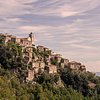
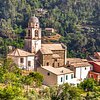
The Annapurna Base Camp Trek is more than a journey through the mountains; it is also an opportunity to experience the simple and welcoming lifestyle of the people who live along the trail. As you trek through villages such as Chhomrong and Sinuwa, you will see traditional mountain homes, local teahouses, and the everyday life of communities surrounded by the Himalayas.
Chhomrong is one of the main villages on the route and is home to the Gurung community. Walking through the village gives you a glimpse into the local way of life, while staying in family-run teahouses allows you to enjoy warm Nepalese hospitality and local meals.
As the trail continues deeper into the Annapurna Sanctuary, the settlements become smaller and quieter. The people you meet along the way are an important part of the trekking experience. Sharing a meal, having a conversation, or simply spending an evening in a local teahouse can make the journey feel more personal and memorable.
The combination of mountain scenery, traditional villages, local hospitality, and everyday Himalayan life makes the cultural side of the Annapurna Base Camp Trek a meaningful part of the adventure.
One of the most special parts of the Annapurna Base Camp Trek is the incredible variety of landscapes you experience within just a few days. The trail begins in the lower mountain region, where green hills, villages, terraced farmland, rivers, and forested paths create a peaceful and colorful setting.
As we trek from Siwai through Chhomrong and Sinuwa, the scenery gradually changes. We walk through beautiful bamboo and rhododendron forests, cross suspension and wooden bridges, and follow mountain streams as the trail continues deeper into the Annapurna Sanctuary. The changing surroundings make each day of the trek feel different from the last.
As we climb higher toward Deurali and Machhapuchhre Base Camp, the dense forests slowly disappear and the landscape becomes more open and rugged. The towering Himalayan peaks become closer and more impressive, with rocky trails and dramatic mountain scenery leading us toward Annapurna Base Camp at 4,130 meters.
This remarkable change from green forests and villages to alpine landscapes and snow-covered mountains is what makes the ABC Trek so visually diverse. Every section of the trail offers a new perspective of the Annapurna region, making the journey to and from base camp just as memorable as reaching the destination itself.
The Annapurna Base Camp Trek is one of Nepal’s most rewarding Himalayan adventures, bringing together beautiful mountain scenery, peaceful villages, lush forests, and a close-up experience of the Annapurna range. Our 5-day route is designed for travelers who want to experience the best of the Annapurna Sanctuary within a limited time.
What makes this trek special is the incredible change in scenery throughout the journey. You begin with a scenic drive from Pokhara and gradually walk through traditional villages, bamboo and rhododendron forests, and dramatic mountain landscapes. As you gain altitude, the forest gives way to open Himalayan terrain, eventually leading you to the spectacular Annapurna Base Camp at 4,130 meters.
Along the way, you will pass through Chhomrong, Sinuwa, Bamboo, Doban, Deurali, and Machhapuchhre Base Camp before reaching the main destination. At Annapurna Base Camp, towering peaks such as Annapurna I, Annapurna South, Hiunchuli, and Machhapuchhre surround you, creating an unforgettable natural amphitheater.
The journey is not only about reaching the base camp. It is also about experiencing the changing landscapes, local mountain communities, Himalayan culture, and the peaceful atmosphere of the Annapurna Sanctuary. After reaching the base camp, the return journey through Sinuwa and Jhinu Danda adds another memorable experience, including the chance to relax in the natural hot springs before returning to Pokhara.
Although the Annapurna Base Camp Trek 5 Days is a short trekking adventure, it takes you to an altitude of 4,130 meters, where weather, altitude, and trail conditions can change quickly. Having suitable travel insurance adds an important layer of protection and gives you greater peace of mind throughout the journey.
We strongly recommend purchasing travel insurance before arriving in Nepal and checking the policy carefully to make sure it covers the activities and altitude of your trek.
Your insurance should ideally include:
Please read the terms and exclusions of your policy carefully, as insurance coverage varies between providers. Himalaya Hub Adventure can assist with emergency coordination during the trek, but the costs of medical treatment or evacuation are generally handled according to your insurance coverage and provider's terms.
Having appropriate insurance means you can focus on enjoying the Short Annapurna Base Camp Trek. while being better prepared for unexpected situations.
Yes, beginners can complete the Annapurna Base Camp Trek 5 Days with good preparation and a reasonable level of fitness. However, this is a fast-paced trek, so you should be comfortable walking for several hours each day on uphill and downhill mountain trails. Previous trekking experience is helpful but not essential.
Regular walking, stair climbing, or hiking before the trip can improve your endurance. Since the route reaches 4,130 meters, it is also important to maintain a steady pace, drink enough water, eat properly, and pay attention to how your body feels. Your guide will support you throughout the trek and help monitor your condition.
The 5 days abc trek from Pokhara is ideal for travelers with limited time, but having a few extra days allows you to add another beautiful destination to your Nepal adventure. Depending on your interests and available time, you can combine the trek with one of these popular options.
Have 2–3 extra days? Add the Poon Hill Trek to your ABC journey. Poon Hill is famous for its spectacular sunrise over the Annapurna and Dhaulagiri ranges and adds a beautiful scenic and cultural experience to your trip.
With 3–4 additional days, consider combining your trip with the Mardi Himal Trek. The route takes you through forests, alpine landscapes, and peaceful mountain trails, with impressive views of Machhapuchhre (Fishtail) and the surrounding peaks.
Travelers with more time can consider the Khopra Ridge Trek, known for its quieter trails and beautiful Himalayan viewpoints. It is a good option for those looking to explore a less-busy part of the Annapurna region.
At Himalaya Hub, we can adjust your trekking plan according to your available time, interests, and budget, helping you make the most of your Nepal journey.
The Annapurna Base Camp Trek 5 Days brings together dramatic Himalayan landscapes, traditional mountain culture, and an exciting trekking experience within a short timeframe. Starting and ending in Pokhara, this fast-paced journey takes you through peaceful villages, lush forests, waterfalls, and changing mountain scenery before reaching Annapurna Base Camp at 4,130 meters.
The experience goes beyond the mountain views. Along the trail, you can meet local Gurung and Magar communities, experience their warm hospitality, and enjoy traditional Nepali meals in comfortable teahouses. The natural highlights are equally rewarding, from the impressive Annapurna and Machhapuchhre ranges to the relaxing natural hot springs around Jhinu Danda.
Because the itinerary covers the route in only five days, it is best suited to travelers who are physically fit and comfortable with long walking days. Good preparation, proper pacing, and guidance from an experienced local team can help make the journey safer and more enjoyable.
For travelers with limited time in Nepal, this trek offers an efficient way to experience the Annapurna region without committing to a longer itinerary. Whether your priority is Himalayan scenery, local culture, peaceful mountain trails, or the sense of reaching a high-altitude base camp, the 5-day Annapurna Base Camp Trek delivers a memorable Himalayan adventure.
Chat with us — real trekking experts, not bots.
To initiate a cancellation request, please write to us at [email protected] from your registered email ID.
Cancellations prior to 25 days from the start of the Trip
Cancellations Between 24 and 15 Days Before the Trip Start Date
Cancellations Between 14 and 10 Days Before the Trip Start Date
Cancellation less than 9 days to the start of the trek.
In the unfortunate event of a death in the immediate family (parents, siblings, spouse, or children), or if the trekker is hospitalized for a minimum of 48 hours, or sustains a fracture (arm or leg) within one week prior to the trek, even if the cancellation is made a day before departure:
50% of the trek fee will be refunded in cashValid supporting documents must be submitted. We understand these are difficult times and are here to help.
HimalayaHub reserves the right to alter, shorten, or cancel any part of the trip due to transportation delays, adverse weather conditions, health emergencies, or any other unforeseen circumstances, including Force Majeure events.
HimalayaHub shall not be held liable for any cancellations, delays, or changes to services resulting from events beyond its control. These include, but are not limited to, earthquakes, landslides, strikes, curfews, wars, pandemics, government-imposed restrictions, heavy rainfall or snowfall, storms, road blockages, trail disruptions, or permit withdrawals.
The Annapurna region offers a diverse range of trekking experiences, from short treks to longer, more challenging adventures. Whether you’re a seasoned trekker or a first-time adventurer, there’s something for everyone in this stunning part of Nepal. Explore our exclusive Annapurna trekking packages and choose the one that best fits your adventure spirit!
Ready for Your Annapurna Adventure?
Browse through our full range of Annapurna Region Treks and find the perfect journey that suits your time, fitness, and adventure level. We promise you an unforgettable adventure in the heart of Nepal’s majestic Himalayas.
No shared groups. No fixed schedules. Just a personalized journey made for you.
WhatsApp Us
Looking for a Private Tour?
Online now
The best seasons for trekking are spring (March to May) and autumn (September to November). During these times, the weather is clear, and you can enjoy breathtaking mountain views, vibrant rhododendron forests, and comfortable trekking conditions.
The trek is considered moderate in difficulty, suitable for both beginner and experienced trekkers. While it involves walking for 5-7 hours a day at high altitudes, no technical climbing skills are required.
The trek typically takes 7-12 days, depending on the itinerary and starting point. Shorter treks are available, but they require more physical endurance.
Yes, altitude sickness is a possibility as you climb above 4,000 meters. Proper acclimatization, staying hydrated, and taking it slow can help prevent it.
Meals on the trek are included in your package, providing three meals a day—breakfast, lunch, and dinner—at the tea houses. Accommodation is typically in teahouses, with a variety of basic amenities such as a bed, blanket, and meals. Some teahouses provide hot showers and Wi-Fi at an extra cost.
The trek offers a perfect mix of natural beauty, cultural experiences, and the close-up view of towering peaks like Annapurna I (8,091m), Machapuchare (6,993m), and Hiunchuli (6,441m).
Yes, the trek passes through traditional Gurung and Magar villages where you can experience local culture, temples, and monasteries.
With proper planning and pacing, the trek is suitable for children above 10 years and older adults in good health.
| # | Discount group | From adult | To adult | Value |
|---|---|---|---|---|
| 1 | Pax | 5 | 7 | €340.00 |
| 2 | Pax | 8 | 10 | €310.00 |
| 3 | Pax | 11 | 15 | €280.00 |

Member Since 2025




trek to Annapurna base camp