Nepal is famous for its breathtaking mountains, deep valleys, and rich culture. Every year, thousands of adventurers flock to popular trails like the Everest Base Camp or the Annapurna Circuit. But did you know that some of the most magical places in Nepal are actually hidden away from the crowds?
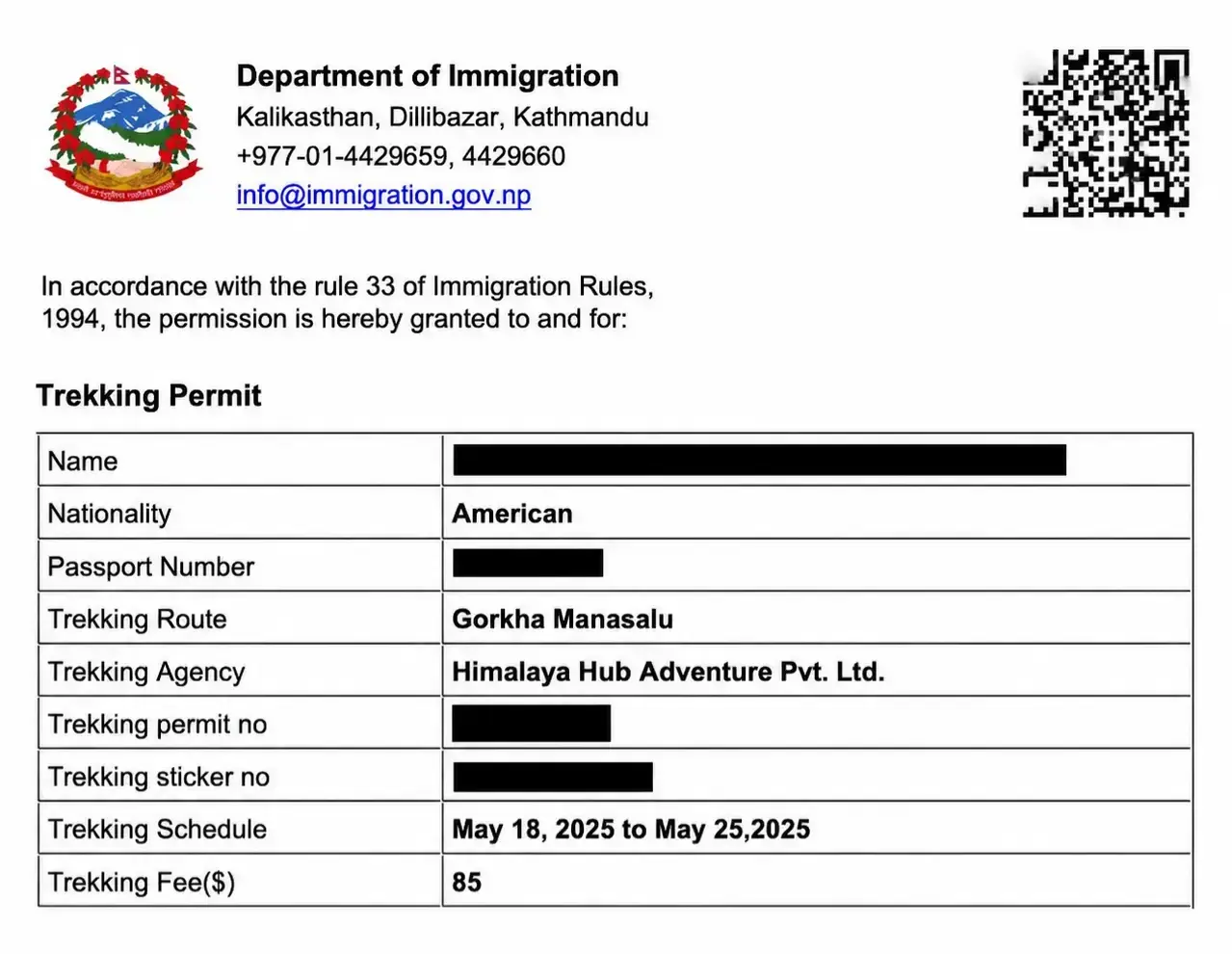
To visit these special, off-the-beaten-path locations, you need a specific document called the Restricted Area Permit (RAP) Nepal. If you are planning a unique Nepal trekking permit adventure, understanding this paperwork is crucial. Don’t worry, though! After 12 years of writing about Nepal treks, I can tell you that getting this permit is much easier than it sounds. Let’s walk through everything you need to know.
What is a Restricted Area Permit (RAP)?
Think of the RAP as a VIP pass to Nepal’s most exclusive natural and cultural wonders. It is a special document issued by the Department of Immigration, Nepal that allows you to enter remote, protected, or border regions.
But why does the government restrict these areas in the first place? It all comes down to protection. These regions are often home to fragile ecosystems, ancient monasteries, and unique local cultures that have remained untouched for centuries. By limiting the number of visitors through the RAP system, the government ensures that these beautiful places are not ruined by mass tourism. It also helps maintain security in sensitive border zones near Tibet.
Important Rules for Restricted Areas
Because these areas are so sensitive, the government enforces strict rules. As an expert, I always remind my readers to follow these guidelines:
Get the Right Permit
- You must get a Restricted Area Permit (RAP) through a licensed trekking agency.
- A licensed trekking guide is required.
- Most restricted areas require at least 2 trekkers. (Upper Mustang is the main exception.)
- Buy travel insurance that covers high-altitude trekking and helicopter evacuation.
Follow the Trek Rules
- Stay on the route approved on your permit.
- Carry your permit and passport, and show them at every checkpoint.
- Stay in registered teahouses where required.
- If your permit expires, you cannot renew it on the trail.
Respect Nature and Local Culture
- Do not fly drones without special permission.
- Ask before taking photos of local people or inside monasteries.
- Stay on marked trails and take all your rubbish with you.
- Some areas may charge a small local environmental or waste management fee.
Where Do You Need an RAP in Nepal?
Not every trek in Nepal requires this special pass. You only need it for specific, highly protected regions. Here are the most popular restricted areas you might want to explore:
Upper Mustang Trek: The Hidden Kingdom
Often called the “Forbidden Kingdom,” Upper Mustang sits right on the border of Tibet. It features a dramatic, desert-like landscape and ancient Buddhist caves. Because of its sensitive border location and fragile culture, it requires an RAP.
Manaslu Circuit Trek: The Mountain of the Spirit
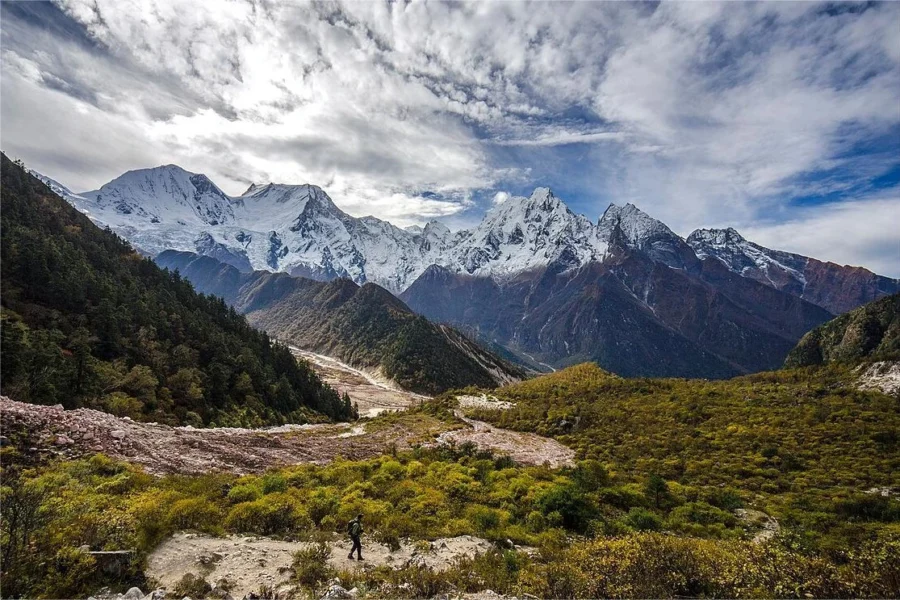
This trek circles the eighth-highest mountain in the world. The trail passes through deep gorges and traditional villages. To protect the local environment and the sacred Manaslu region, the government requires a permit.
Upper Dolpo Trek: The Remote and Wild West
If you want true isolation, Upper Dolpo is the place. It is one of the most remote districts in Nepal, featuring the stunning Shey Phoksundo Lake. The journey here is wild, raw, and strictly regulated.
Tsum Valley Trek: The Hidden Valley of Happiness
Tucked away near the Tibet border, the Tsum Valley is a sacred Himalayan pilgrimage valley. The locals here have a unique culture and strictly forbid the killing of animals. An RAP helps preserve this peaceful way of life.
Nar Phu Valley Trek: The Secret Valleys Near Annapurna
Located off the main Annapurna Circuit, Nar and Phu are two ancient, isolated villages. The landscape is rugged, and the culture is deeply traditional. You will need an RAP to step into this hidden world.
Humla Trek: The Gateway to Mount Kailash
Located in the far northwestern corner of Nepal, Humla is a rugged, high-altitude region. It serves as the traditional starting point for pilgrimages to Mount Kailash in Tibet, and its sensitive border location strictly requires an RAP.
Taplejung (Kanchenjunga Region): The Realm of the Third Highest Peak
Home to Mount Kanchenjunga, this eastern region features pristine glaciers and untouched alpine landscapes. The permit helps conserve its fragile high-altitude ecosystem and the unique culture of the indigenous Limbu people.
Lower Dolpa Area: The Cultural Corridor
While less remote than Upper Dolpa, this area still boasts ancient Bon Po culture and stunning landscapes. An RAP is required here to manage tourism and protect the traditional lifestyle of the local Dolpo-pa communities.
Dolakha (Gaurishankar Area): The Sacred Peaks
Bordering Tibet, this region is home to the sacred Mount Gaurishankar. The restricted permit ensures the preservation of its unique biodiversity and the cultural heritage of the high mountain settlements.
Sankhuwasabha (Makalu Region): The Pristine Wilderness
Trekking towards the Makalu Base Camp takes you through some of the most isolated valleys in Nepal. The RAP regulates foot traffic in this highly protected conservation area, keeping the wilderness intact.
Solukhumbu & Rasuwa (Specific Border Wards): The High Frontiers
While the main Everest and Langtang trails do not require an RAP, specific northern wards in Solukhumbu and Rasuwa (near Gosaikunda) that border Tibet are restricted. This helps monitor movement in highly sensitive border zones.
Bajhang (Saipal): The Far-Western Frontier
A highly remote district in far-western Nepal, known for the sacred Mt. Saipal. It sees very few tourists, and the RAP helps protect its untouched wilderness and ancient traditions.
Mugu (Mugumakarmarong): Beyond Rara Lake
While Rara Lake itself is accessible, the northern rural municipalities of Mugu bordering Tibet are restricted. This area is rich in rare wildlife, deep gorges, and ancient, hidden trade routes.
Darchula (Vyas Valley): The Ancient Salt Trade Route
Located in the Api Nampa Conservation Area, this valley shares a border with both Tibet and India. The RAP preserves the unique culture of the Byansi people and the historical trans-Himalayan salt trade routes.
How to Get a Restricted Area Permit (RAP) in Nepal
Here is the most important thing you need to know: You cannot get an RAP by yourself. The Nepal Government does not issue these permits directly to individual tourists. You must go through a registered, government-licensed trekking agency.
- Here is the step-by-step process my agency clients always follow:
- Step 1: Choose your trek and dates. Decide exactly which restricted area you want to visit and map out your itinerary.
- Step 2: Find a licensed Nepal trekking agency. Make sure they are officially registered with the government.
- Step 3: Hand over your documents. Send your agency clear scans of your passport, photos, and visa.
- Step 4: Let the agency do the work. Your agency will take your documents to the Department of Immigration in Kathmandu and apply for the RAP on your behalf.
- Step 5: Hit the trail with a guide. By law, you must trek with a licensed government guide. For most restricted areas, you also need to be in a group of at least two trekkers.
No need to follow these steps yourself. At Himalaya Hub Adventure, we make the permit process fast and hassle-free. As a government-licensed trekking company in Nepal, we arrange Restricted Area Permits (RAP) and all other trekking permits for every trekking region in Nepal, including national park, conservation area, and local entry permits. We also provide licensed trekking guides and ensure your trip meets all government requirements so you can start your adventure with complete peace of mind.





0 Comment