


Looking for the best remote trekking destinations in Nepal?
The five most popular remote area treks in Nepal are the Manaslu Circuit Trek, Annapurna Circuit Trek, Kanchenjunga Circuit Trek, Upper Dolpo Trek, and Upper Mustang Trek.
These treks offer untouched landscapes, restricted areas, fewer crowds, authentic Himalayan culture, and breathtaking mountain views.
Whether you are a seasoned trekker or a first-time adventurer, these five remote treks give you the most raw and rewarding experience Nepal has to offer in 2026.
[ez-toc]
Table Of Contents
- 1. What Is Remote Area Trekking in Nepal?
- 2. Why choose a remote trek in 2026?
- 3. Best 5 Remote Areas in Nepal
- 4. Remote Area Trekking in Nepal – Comparison Table
- 5. Which Remote Trek Is Best for You?
- 6. Permits Required for Remote Area Trekking in Nepal
- 7. Cost of Remote Area Trekking in Nepal 2026
- 8. Essential Tips for Remote Trekking in Nepal
- 9. Conclusion
- 10. FAQs
What Is Remote Area Trekking in Nepal?
Remote area trekking in Nepal means hiking in far and quiet parts of the Himalayas. These trails are away from busy routes like Everest and Annapurna Base Camp. They are peaceful, wild, and full of natural beauty.
Here are the key features of remote trekking:
- Restricted area permits: You need a special government permit to enter these regions. You must trek with a licensed guide.
- Limited infrastructure: Lodges are simple. There may be no Wi-Fi, hot showers, or good roads.
- Fewer trekkers: You will see fewer people on the trail. The journey feels calm and private.
- Strong Tibetan-influenced culture: You will see monasteries, prayer flags, and stone villages. Local people follow old Buddhist traditions.
- High-altitude adventure: Many remote treks go above 4,000 meters. You cross high passes and see amazing mountain views.
Remote trekking is best for people who want real adventure and quiet nature.
Why choose a remote trek in 2026?
More and more trekkers are looking for something different. They want peace. They want adventure. They want to experience Nepal beyond the usual tourist spots. Remote treks give you exactly that.
Nepal has several restricted areas that require special permits. This keeps the trails less crowded and the culture well protected. It also means you get a more personal and authentic experience.
Best 5 Remote Areas in Nepal
Manaslu Circuit Trek

Manaslu Circuit Trek 13 Days

Manaslu Circuit Trek
Region: Gorkha District
Duration: 13–18 days
Max Altitude: 5,160 m (Larke Pass)
Permit: Restricted Area Permit required
Highlights
- Trek around Mount Manaslu, the eighth-highest mountain in the world
- Cross the spectacular Larkya La Pass (5,106m)
- Experience authentic Tibetan-influenced culture and remote mountain villages
- Explore untouched Himalayan landscapes with fewer crowds
- Pass through forests, glaciers, rivers, and high alpine terrain
Overview
The Manaslu Circuit Trek is one of Nepal’s best remote trekking routes, offering a perfect blend of natural beauty, cultural immersion, and adventure. Located in the restricted Manaslu region, this trek circles Mount Manaslu and passes through isolated villages where ancient Buddhist traditions still thrive. The trail gradually rises from lush green valleys to rugged Himalayan landscapes before crossing the famous Larkya La Pass. Compared to Everest and Annapurna, the Manaslu region remains less commercialized, making it ideal for trekkers seeking a quieter and more authentic experience.
Why Manaslu Is Popular
The Manaslu Circuit Trek has become increasingly popular because travelers are now searching for less crowded and more sustainable trekking destinations in Nepal. Improved teahouse facilities, better trail management, and growing interest in off-the-beaten-path adventures have made Manaslu a top choice for international trekkers. The region’s combination of dramatic scenery, cultural authenticity, and restricted-area exclusivity continues to attract adventure enthusiasts looking for a genuine Himalayan trekking experience.
Best Time To Trek
The best seasons for the Manaslu Circuit Trek are spring (March to May) and autumn (September to November). During these months, the weather remains stable, skies are clear, and mountain views are at their best. Spring offers blooming rhododendron forests, while autumn provides crisp air and excellent visibility after the monsoon season. Winter trekking is possible but can be challenging due to snow at high passes, especially around Larkya La.
Annapurna Circuit Trek
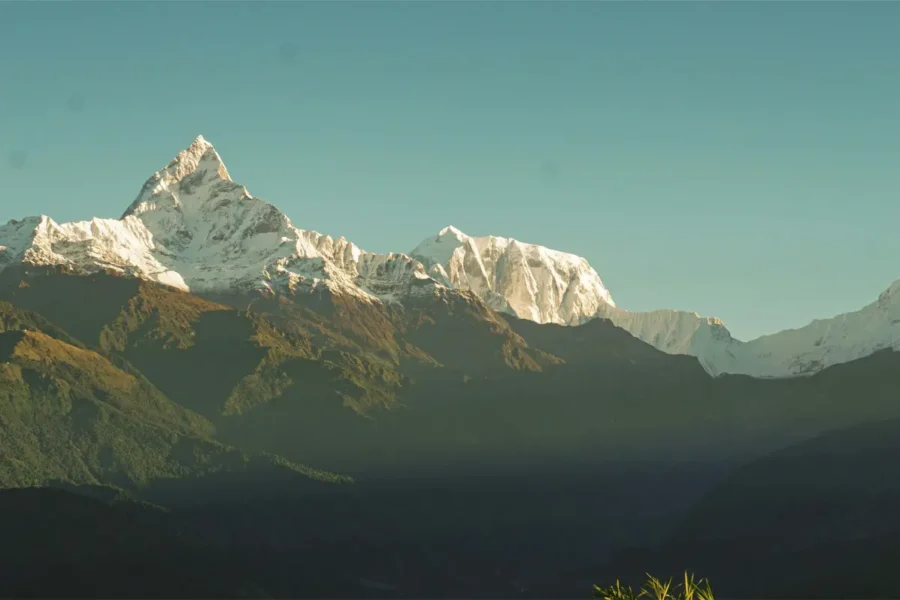
Annapurna Circuit Trek 12 Days

Annapurna Circuit Trek 21 Days
Region: Annapurna Region
Duration: 12–21 days
Max Altitude: 5,416 m (Thorong La Pass)
Permit: ACAP + TIMS (special permit for Nar-Phu side)
Highlights
- Cross the famous Thorong La Pass at 5,416 meters
- Enjoy panoramic views of Annapurna, Dhaulagiri, and Machhapuchhre
- Experience diverse landscapes from forests to alpine deserts
- Visit traditional Gurung, Thakali, and Tibetan-influenced villages
- Explore sacred temples, monasteries, and mountain valleys
Overview
The Annapurna Circuit Trek is one of the most legendary trekking routes in Nepal and remains a top Himalayan adventure. The trek circles the Annapurna Massif and offers incredible geographical and cultural diversity throughout the journey. Trekkers pass through lush green forests, waterfalls, terraced farmlands, dry mountain deserts, and snow-covered high passes. The route also provides opportunities to experience local traditions, Buddhist culture, and Himalayan hospitality in remote mountain settlements. The crossing of Thorong La Pass is considered one of the biggest highlights of the trek.
Why Annapurna Circuit Trek Is Popular
The Annapurna Circuit Trek continues to attract trekkers because of its perfect combination of accessibility, adventure, and cultural richness. Many travelers prefer Annapurna due to its well-developed trekking infrastructure, scenic diversity, and flexible trekking routes. The trek offers both moderate and challenging sections, making it suitable for a wide range of trekkers. In recent years, interest in longer Himalayan trekking experiences has increased, and Annapurna remains one of the most iconic remote trekking journeys in Nepal.
Best Time To Trek
The best time to trek the Annapurna Circuit is during spring (March to May) and autumn (September to November). These seasons provide stable weather, clear mountain views, and comfortable trekking conditions. Spring brings colorful rhododendron blooms and warmer temperatures, while autumn offers crisp skies and excellent visibility after the monsoon season. Winter trekking is possible but can become difficult due to heavy snowfall around Thorong La Pass.
Kanchenjunga Circuit Trek
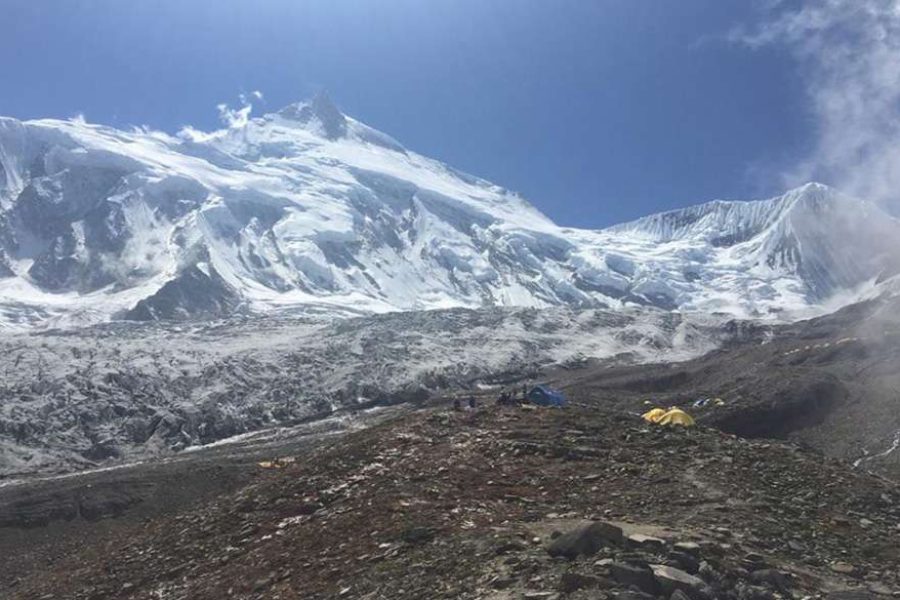
Kangchenjunga Circuit Trek
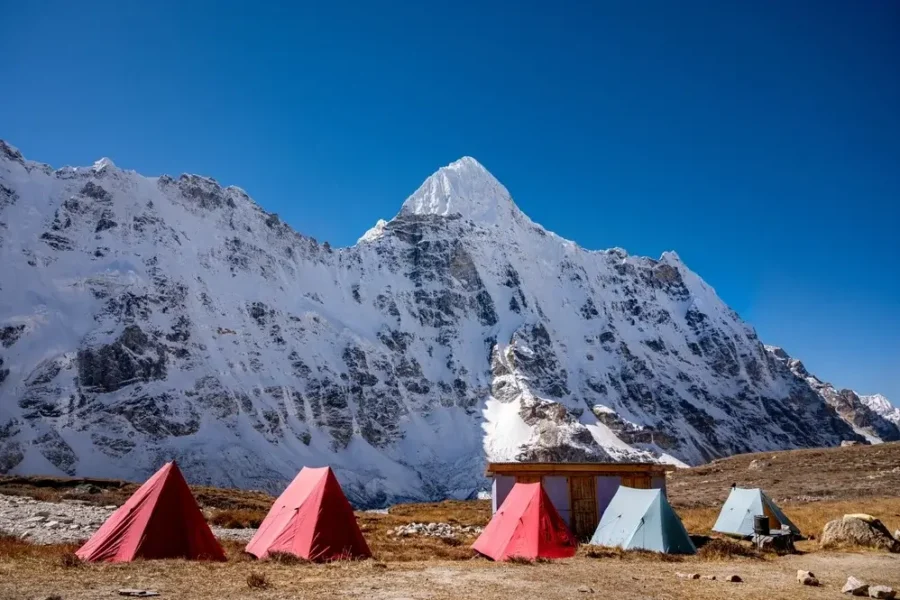
Kangchenjunga North Base Camp

Kangchenjunga South Base Camp
Region: Eastern Nepal
Duration: 18–23 days
Max Altitude: 5,143 m (Pangpema)
Permit: Restricted Area Permit required
Highlights
- Trek around Mount Kanchenjunga, the world’s third-highest mountain
- Visit both North and South Kanchenjunga Base Camps
- Experience remote Himalayan wilderness with very few trekkers
- Explore traditional Limbu, Rai, and Tibetan villages
- Walk through rhododendron forests, glaciers, alpine meadows, and high mountain passes
Overview
The Kanchenjunga Circuit Trek is one of the most remote and adventurous trekking routes in Nepal. Located in the far eastern Himalayas, this trek offers untouched landscapes, dramatic mountain scenery, and deep cultural immersion. The trail circles the Kanchenjunga massif and passes through isolated valleys, ancient settlements, dense forests, and glacial terrain. Unlike Nepal’s more commercial trekking regions, Kanchenjunga remains quiet and less developed, making it ideal for trekkers seeking solitude and raw Himalayan beauty. The trek is physically demanding and requires proper preparation, but the experience is considered one of Nepal’s most rewarding wilderness adventures.
Why Kanchenjunga Is Popular
The Kanchenjunga Circuit Trek has gained popularity because more trekkers are searching for authentic and off-the-beaten-path experiences in Nepal. Adventure travelers increasingly prefer remote destinations with fewer crowds, preserved local culture, and pristine natural environments. Kanchenjunga offers all of these elements while providing spectacular views of snow-covered peaks and unspoiled mountain landscapes. Improved trekking logistics and growing global interest in sustainable tourism have also contributed to the region’s rising popularity among experienced trekkers.
Best Time To Trek
The best time for the Kanchenjunga Circuit Trek is during spring (March to May) and autumn (September to November). Spring brings blooming rhododendron forests, mild temperatures, and colorful mountain scenery, while autumn offers stable weather, clear skies, and excellent visibility of the Himalayan peaks. Winter trekking can be extremely difficult due to heavy snowfall and freezing temperatures at high elevations. The monsoon season is generally not recommended because of slippery trails, landslides, and poor visibility.
Upper Dolpo Trek

Upper Dolpo Trekking

Lower Dolpo Trekking
Region: Western Nepal
Duration: 20–28 days
Max Altitude: 5,350 m
Permit: Restricted Area Permit required
Highlights
- Explore one of Nepal’s most remote and isolated Himalayan regions
- Visit the stunning turquoise Phoksundo Lake
- Experience authentic Tibetan Buddhist culture and ancient monasteries
- Cross high mountain passes and hidden valleys
- Discover untouched landscapes far from commercial trekking routes
Overview
The Upper Dolpo Trek is one of the most adventurous and culturally rich trekking experiences in Nepal. Located in the remote northwestern Himalayas, Upper Dolpo remained closed to foreign trekkers for many years, helping preserve its ancient traditions and pristine environment. The trek takes travelers through barren mountain deserts, deep valleys, alpine meadows, and traditional Tibetan-style villages. One of the major highlights is Shey Gompa, a centuries-old monastery that holds deep spiritual significance in the region. The trail also passes the famous Phoksundo Lake, known for its crystal-clear blue waters and dramatic mountain backdrop.
Why Upper Dolpo Is Popular
The Upper Dolpo Trek has become increasingly popular among trekkers seeking authentic and less-crowded Himalayan adventures. Travelers are now more interested in remote destinations that offer cultural depth, wilderness, and unique landscapes beyond Nepal’s mainstream trekking routes. Upper Dolpo stands out because of its restricted-area exclusivity, ancient Tibetan heritage, and raw natural beauty. Adventure enthusiasts are especially attracted to the region’s untouched trails, peaceful environment, and rare opportunity to experience traditional Himalayan life that has changed little over centuries.
Best Time To Trek
The best time for the Upper Dolpo Trek is from late spring to early autumn, especially between May and October. Unlike many trekking regions in Nepal, Upper Dolpo lies in the rain shadow area of the Himalayas, making it suitable even during the monsoon season. Summer months provide stable weather, clear mountain views, and comfortable trekking conditions. Spring offers blooming alpine landscapes, while autumn delivers crisp skies and excellent visibility across the Himalayan valleys.
Upper Mustang Trek
Upper Mustang Trekking
Region: Mustang District
Duration: 15–18 days
Max Altitude: 3,840 m (Lo Manthang)
Permit: Restricted Area Permit required
Highlights
- Explore the ancient forbidden kingdom of Lo Manthang
- Experience authentic Tibetan Buddhist culture and traditions
- Discover dramatic desert landscapes, red cliffs, and deep canyons
- Visit centuries-old monasteries, caves, and walled villages
- Trek in a rain-shadow region suitable during the monsoon season
Overview
The Upper Mustang Trek is one of Nepal’s most unique remote trekking adventures, located in the trans-Himalayan region near the Tibetan border. Known as the “Last Forbidden Kingdom,” Upper Mustang remained closed to foreign travelers until 1992, helping preserve its ancient culture and traditional lifestyle. The trek leads through barren valleys, medieval settlements, and high desert terrain that differs greatly from Nepal’s greener trekking regions. The historic capital of Lo Manthang is the cultural highlight of the journey, offering ancient monasteries, royal palaces, and deep Tibetan heritage. The trek combines cultural exploration with spectacular Himalayan scenery, making it one of the most extraordinary trekking destinations in Nepal.
Why Upper Mustang Is Popular
Upper Mustang has become increasingly popular because travelers are searching for culturally rich and less-crowded trekking experiences. Its restricted area status, preserved Tibetan culture, and unusual desert-like landscapes attract trekkers looking for something different from the traditional Everest and Annapurna routes. Improved trekking infrastructure, sustainable tourism practices, and growing interest in remote Himalayan civilizations have also contributed to its popularity. Additionally, the region’s accessibility during the monsoon season makes it an attractive trekking option when many other trails in Nepal experience heavy rainfall.
Best Time To Trek
The best time to trek in Upper Mustang is from March to November. Spring (March to May) and autumn (September to November) offer clear skies, comfortable temperatures, and excellent mountain views. Unlike many trekking regions in Nepal, Upper Mustang is also ideal during the monsoon season (June to August) because it lies in the Himalayan rain shadow area, receiving very little rainfall. Winter trekking is possible but can be extremely cold due to strong winds and high-altitude conditions.
Remote Area Trekking in Nepal – Comparison Table
| Trek Details | Manaslu Circuit Trek | Annapurna Circuit Trek | Kanchenjunga Circuit Trek | Upper Dolpo Trek | Upper Mustang Trek |
| Duration | 13–18 days | 12–21 days | 18–23 days | 20–28 days | 15–18 days |
| Difficulty | Moderate to Challenging | Moderate | Challenging | Very Challenging | Moderate |
| Max Altitude | 5,106m | 5,416m | 5,143m | 5,350m | 3,840m |
| Main Pass | Larkya La Pass | Thorong La Pass | Sele La Pass | Kang La Pass | Lo La Pass Region |
| Permit Type | RAP, MCAP, ACAP | ACAP, TIMS | RAP, KCAP | Restricted Permit | RAP, ACAP |
| Avg Cost | $940–$1,290 | $670–$1,560 | $1680–$1970 | $3700–$6300 | $1630–$2170 |
| Best For | Remote culture and mountain scenery | Diverse landscapes and classic trekking | Wilderness and isolation | Extreme adventure and Tibetan culture | Cultural exploration and desert landscapes |
| Accommodation | Teahouses | Teahouses | Basic Teahouses | Camping & Basic Lodges | Teahouses |
| Restricted Area | Yes | No | Yes | Yes | Yes |
Which Remote Trek Is Best for You?
For Beginners: Annapurna Circuit Trek
Best for first-time trekkers. It offers well-managed trails, teahouse accommodation, and diverse scenery. You can experience mountains, villages, and culture with moderate difficulty and gradual altitude gain.
For Extreme Wilderness: Kanchenjunga Circuit Trek
Ideal for experienced trekkers. It is very remote with long trekking days, limited facilities, and untouched landscapes near Kanchenjunga, the world’s third-highest mountain.
For Cultural Experience: Upper Mustang Trek
Best for exploring Tibetan culture. You will visit ancient monasteries, caves, and the walled city of Lo Manthang in a dry, desert-like Himalayan region.
For Balanced Adventure: Manaslu Circuit Trek
A perfect mix of culture, scenery, and adventure. It is less crowded than Annapurna and offers remote villages, mountains, and the challenging Larkya La Pass.
For Off-Grid Exploration: Upper Dolpo Trek
One of Nepal’s most remote treks. It offers raw wilderness, ancient Tibetan culture, high passes, and very limited modern facilities for true adventure seekers.
Permits Required for Remote Area Trekking in Nepal
Remote trekking in Nepal requires specific permits depending on the region, as many trails pass through protected conservation areas or restricted border zones. As of 2026, trekkers must carry valid identification documents and obtain permits through registered trekking agencies or government-approved offices. Most remote treks require a combination of TIMS, conservation permits, and restricted area permits, and independent trekking is not allowed in restricted regions.
TIMS Card
The Trekker’s Information Management System (TIMS) Card is required for most trekking routes in Nepal. It is issued by the Nepal Tourism Board or registered trekking agencies. To obtain it, trekkers must provide a valid passport copy, passport-size photos, travel insurance details, and basic trekking information. TIMS helps authorities track trekkers for safety and emergency management. However, in some restricted areas, TIMS is replaced by other permit systems.
Restricted Area Permit (RAP)
The Restricted Area Permit (RAP) is mandatory for controlled and border-protected trekking regions such as Manaslu, Upper Mustang, and Kanchenjunga. This permit can only be issued through a government-registered trekking agency, and solo trekking is strictly prohibited. Required documents include a passport copy, Nepal visa, trekking itinerary, and a minimum of two trekkers in a group (in most cases). RAP fees vary depending on the region and season, and it is strictly monitored by immigration checkpoints along the trail.
Conservation Area Permit
Conservation Area Permits are required for trekking in protected regions managed by the National Trust for Nature Conservation, such as the Annapurna and Manaslu Conservation Areas. This permit helps fund environmental protection, wildlife conservation, and local community development. It can be obtained in Kathmandu or Pokhara by presenting a passport copy and paying the required fee. Unlike RAP, this permit does not require a group, and independent trekking is usually allowed in these areas.
Special Trekking Permit
The Special Trekking Permit is used for highly restricted and remote regions like Upper Dolpo and Upper Mustang. This permit is issued only through authorized trekking agencies and requires detailed documentation, including passport copies, Nepal visa, trekking route plan, and group details. These areas have high permit fees due to their restricted status and fragile environment. The permit ensures controlled tourism, cultural preservation, and safety monitoring in extremely remote Himalayan regions.
Cost of Remote Area Trekking in Nepal 2026
Remote trekking in Nepal has a wide cost range depending on the route, duration, permits, and whether you hire a guide or porter. In 2026, most trekkers spend money across four main categories: permits, guide/porter services, accommodation & food, and logistics. Restricted treks like Upper Mustang or Upper Dolpo are significantly more expensive due to high permit fees and mandatory agency arrangements.
Permit Costs
Permit fees are a mandatory part of trekking in Nepal and vary by region:
- TIMS Card (Trekkers’ Information Management System): Around USD 10–20, though it is being phased out in some regions in 2026 depending on route administration.
- Conservation Area Permits (ACAP/MCAP): Approximately USD 20–30 for regions like Annapurna and Manaslu.
- Restricted Area Permits (RAP): USD 75–500+ depending on regions such as Manaslu, Upper Mustang, Kanchenjunga, and Upper Dolpo.
- Additional Local Fees: Some regions (like Everest and Manaslu entry zones) may require municipality or park entry charges.
These permits must be obtained before or at the start of the trek, usually through a registered trekking agency.
Guide and Porter Requirements
In 2026, hiring a licensed trekking guide is mandatory in most trekking regions of Nepal, including national parks and restricted areas. This rule is strictly enforced at checkpoints.
- Licensed Guide: USD 25–40 per day
- Porter: USD 18–25 per day
- Guide + Porter Package: USD 40–60 per day combined
For restricted treks, guides are not optional, they are legally required for permit approval and trail access.
Why Hiring a Licensed Trekking Agency Is Mandatory in Restricted Areas
For restricted regions like Manaslu, Upper Mustang, Kanchenjunga, and Upper Dolpo, trekking permits cannot be issued to individuals directly. They must be processed through a government-registered trekking agency.
This system exists for three main reasons:
- Safety: Remote trails have limited rescue infrastructure and difficult terrain
- Regulation: Authorities control tourism flow in fragile and border-protected regions
- Documentation: Agencies handle permits, checkpoints, and legal compliance
Without an agency and licensed guide, trekkers cannot legally enter restricted areas, and permits will not be issued at immigration checkpoints.
Essential Tips for Remote Trekking in Nepal
Remote trekking in Nepal requires careful preparation because trails are high-altitude, isolated, and often lack medical or logistical support. Following key safety and environmental practices ensures a safer and more responsible trekking experience in 2026.
- Physical Preparation: Remote treks demand strong endurance due to long walking days, steep ascents, and high passes. Prepare at least 6–8 weeks in advance with cardio training, hiking practice, and strength exercises. Regular trekking practice with a loaded backpack helps your body adapt to trail conditions.
- Altitude Sickness Awareness: Most remote treks exceed 3,500 meters, where altitude sickness can become serious. Symptoms include headache, nausea, dizziness, and fatigue. Proper acclimatization, slow ascent, hydration, and rest days are essential. In severe cases, immediate descent is the only effective treatment.
- Travel Insurance: Comprehensive travel insurance is mandatory for remote trekking in Nepal. It must include high-altitude coverage (often up to 5,000–6,000 meters), emergency evacuation, and medical treatment. Helicopter evacuation costs can be extremely high, so proper coverage is essential for safety.
- Proper Gear Checklist: Reliable trekking gear is critical for remote routes. Essential items include waterproof trekking boots, layered clothing, thermal wear, sleeping bag (rated for sub-zero temperatures), trekking poles, headlamp, water purification system, and a basic first aid kit. Weather conditions can change rapidly, especially at high altitude.
- Respect Local Culture: Many remote regions are culturally sensitive, especially areas influenced by Tibetan Buddhism. Always dress modestly, ask permission before taking photos, and respect monasteries and local traditions. Greeting locals politely and supporting local teahouses also enhances cultural exchange.
- Leave No Trace Principles: Trekkers should follow strict environmental ethics by avoiding plastic waste, carrying reusable bottles, disposing of waste properly, and not disturbing wildlife. Remote Himalayan regions are fragile ecosystems, and responsible trekking helps preserve them for future generations.
Conclusion
Nepal remains one of the world’s top destinations for remote Himalayan trekking, offering unmatched natural beauty, cultural depth, and true adventure experiences. Each trek provides a different landscape and level of challenge, from accessible high-altitude circuits to extreme wilderness expeditions.
Choosing the right trek depends on your fitness level, available time, and personal interest in culture or adventure. Proper planning and preparation are essential for a safe and enjoyable journey in these remote regions.
For a smooth experience in 2026, it is strongly recommended to book through a licensed and experienced local trekking agency. This ensures legal permit handling, safety support, and professional guidance throughout your trek in the Himalayas.
FAQs
What is the most remote trek in Nepal?
The most remote treks in Nepal are the Kanchenjunga Circuit Trek and Upper Dolpo Trek. Both are extremely isolated, with limited infrastructure, long trekking days, and very few trekkers, offering true wilderness experiences.
Do I need a guide for remote trekking in Nepal?
Yes. A licensed guide is mandatory for most remote and restricted treks, including the Manaslu Circuit Trek, Upper Mustang Trek, Upper Dolpo, and Kanchenjunga. Independent trekking is not allowed in these regions, and permits are only issued through registered agencies.
Which remote trek is best in 2026?
The Manaslu Circuit Trek is considered the best all-round remote trek in 2026. It offers a strong balance of scenery, cultural immersion, manageable difficulty, and fewer crowds compared to Everest and Annapurna.
When is the best time for remote trekking in Nepal?
The best seasons are spring (March–May) and autumn (September–November). These months provide stable weather, clear mountain views, and safer trail conditions. The Upper Mustang Trek is also suitable during the monsoon season due to its rain-shadow location.
1 Comment