
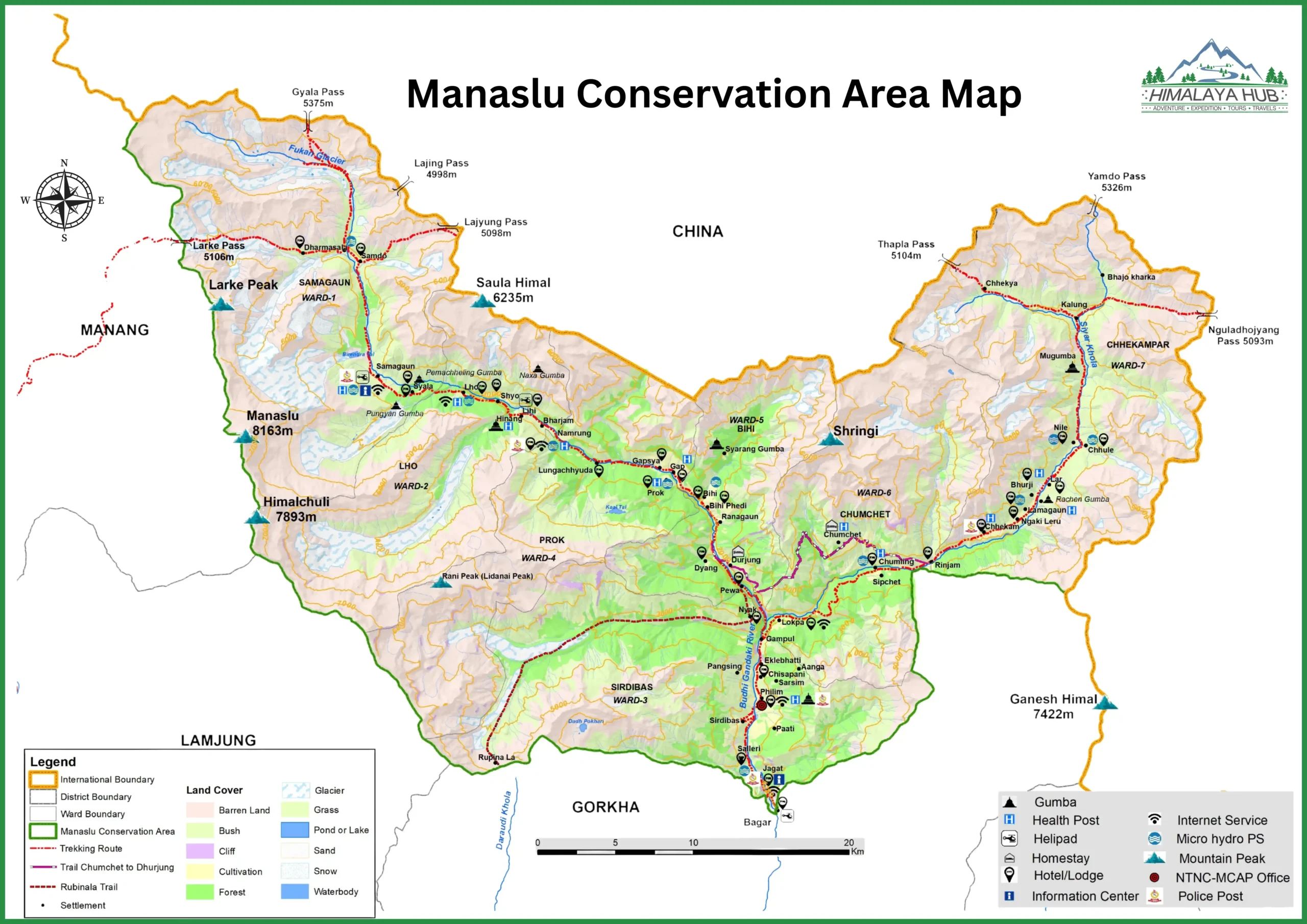

The Manaslu Conservation Area (MCA) is a vast, protected sanctuary in the heart of the Nepalese Himalayas. Spanning over 1,663 square kilometers, it encompasses a dramatic range of landscapes, from subtropical forests to the nival zones of the high peaks. At its center stands Mount Manaslu, the world’s eighth-highest mountain surrounded by a region designated in 1998 to safeguard rare wildlife, fragile ecosystems, and ancient indigenous cultures.
From the elusive snow leopard to the legendary Manaslu Circuit Trek, this area offers an unparalleled blend of adventure and preservation. For travelers seeking a profound connection with nature, many Manaslu conservation area tours provide a chance to experience the authentic traditions of the Gurung and Tibetan-influenced communities. The MCA remains an unforgettable destination that represents the very soul of the Himalayas.
What is the Manaslu Conservation Area?
The Manaslu Conservation Area (MCA) is a premier sanctuary in Nepal’s Gorkha District, covering 1,663 square kilometers of untamed wilderness. It surrounds Mount Manaslu, which towers at 8,163 meters. This protected region serves as a vital biological corridor, connecting the diverse ecosystems of the Annapurna and Ganesh Himal ranges.
Managed by the National Trust for Nature Conservation (NTNC), the area follows a successful community-based model. Under the current system, tourism revenue directly supports local development, including education, healthcare, and infrastructure. By involving local residents, the NTNC effectively protects the environment while improving the livelihoods of these mountain communities.
Because the MCA is a restricted-access zone, it has escaped the heavy commercialization found in other popular regions. At present, it remains a top choice for travelers seeking an authentic Himalayan experience through specialized Manaslu conservation area tours. Its vertical geography allows for an incredible journey through seven climatic zones, ranging from humid subtropical forests to the frozen nival zones of the high peaks.

Geography and Seven Climatic Zones
The defining geographical characteristic of the Manaslu Conservation Area is its extreme verticality. Within a relatively short trekking distance, the elevation rises from approximately 600 meters at the riverbeds to over 8,000 meters at the summit of Mount Manaslu. This dramatic ascent results in seven distinct climatic zones:
- Subtropical Zone (600m – 1,000m): Characterized by humid heat and lush rice terraces.
- Tropical Zone (1,000m – 2,000m): Home to broadleaf forests and the deep gorges of the Budhi Gandaki River.
- Temperate Zone (2,000m – 3,000m): Where the air cools and forests of oak and pine dominate.
- Sub-alpine Zone (3,000m – 4,000m): Featuring forests of birch, blue pine, and rhododendron.
- Alpine Zone (4,000m – 5,000m): A land of high-altitude tundra and rocky moraines.
- Nival Zone (Above 5,000m): A world of permanent snow, ice, and massive glaciers.
- Trans-Himalayan Zone: Arid, cold desert landscapes found in northern pockets near the Tibetan border.
This “vertical staircase” allows trekkers to witness a complete cross-section of Himalayan ecology, moving from tropical flora to arctic conditions in less than a week.
Biodiversity: A Sanctuary for Rare Wildlife
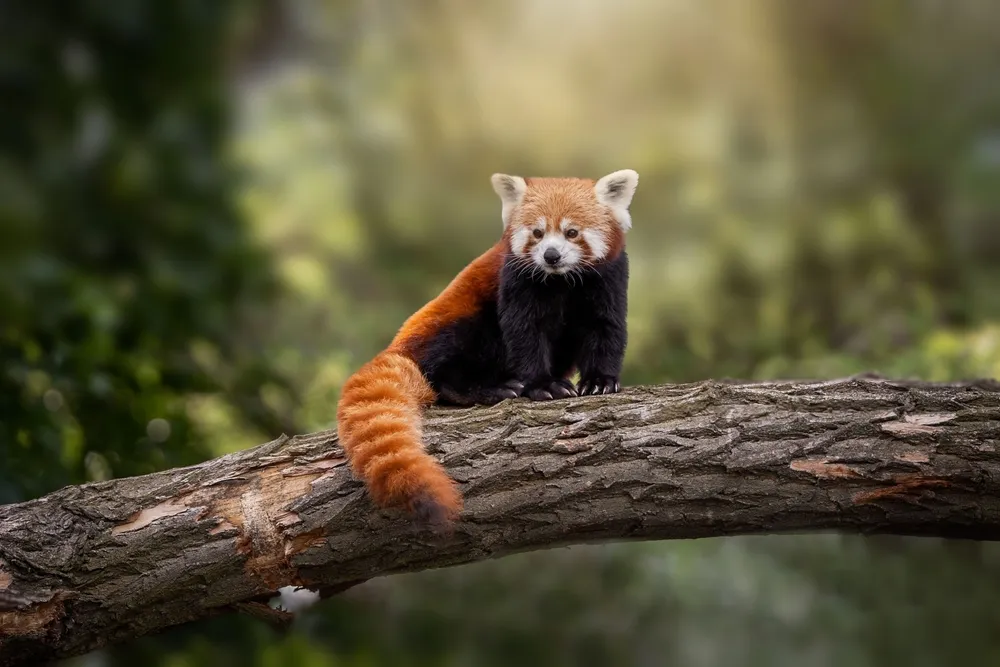
The MCA is a global hotspot for biodiversity, housing 11 distinct forest types and providing a refuge for over 30 species of mammals and 110 species of birds. The NTNC’s conservation programs focus on protecting high-altitude predators and their prey, ensuring a balanced ecosystem.
The elusive Snow Leopard is the crown jewel of the MCA’s wildlife. These predators thrive in the rocky alpine zones above 4,000 meters. The NTNC frequently conducts camera-trap monitoring and research projects near villages like Samagaun and Samdo to study their movements. While they are difficult to spot, their presence is a testament to the health of the habitat. Their primary prey, the Himalayan Blue Sheep (Bharal), is much easier to observe, often seen in large herds grazing on steep slopes.
Flora and Other Fauna
The region boasts 11 distinct forest types. Beyond the snow leopard, the area is home to:
- Red Pandas: Found in the bamboo thickets of the temperate forests.
- Himalayan Blue Sheep (Bharal): Often seen in large herds near the Larkya Glacier.
- Musk Deer and Himalayan Tahr: Common in the sub-alpine reaches.
- Avian Wealth: Over 110 species of birds, including the Danphe (Lophophorus), Nepal’s national bird.
Major Attractions and Trekking Routes
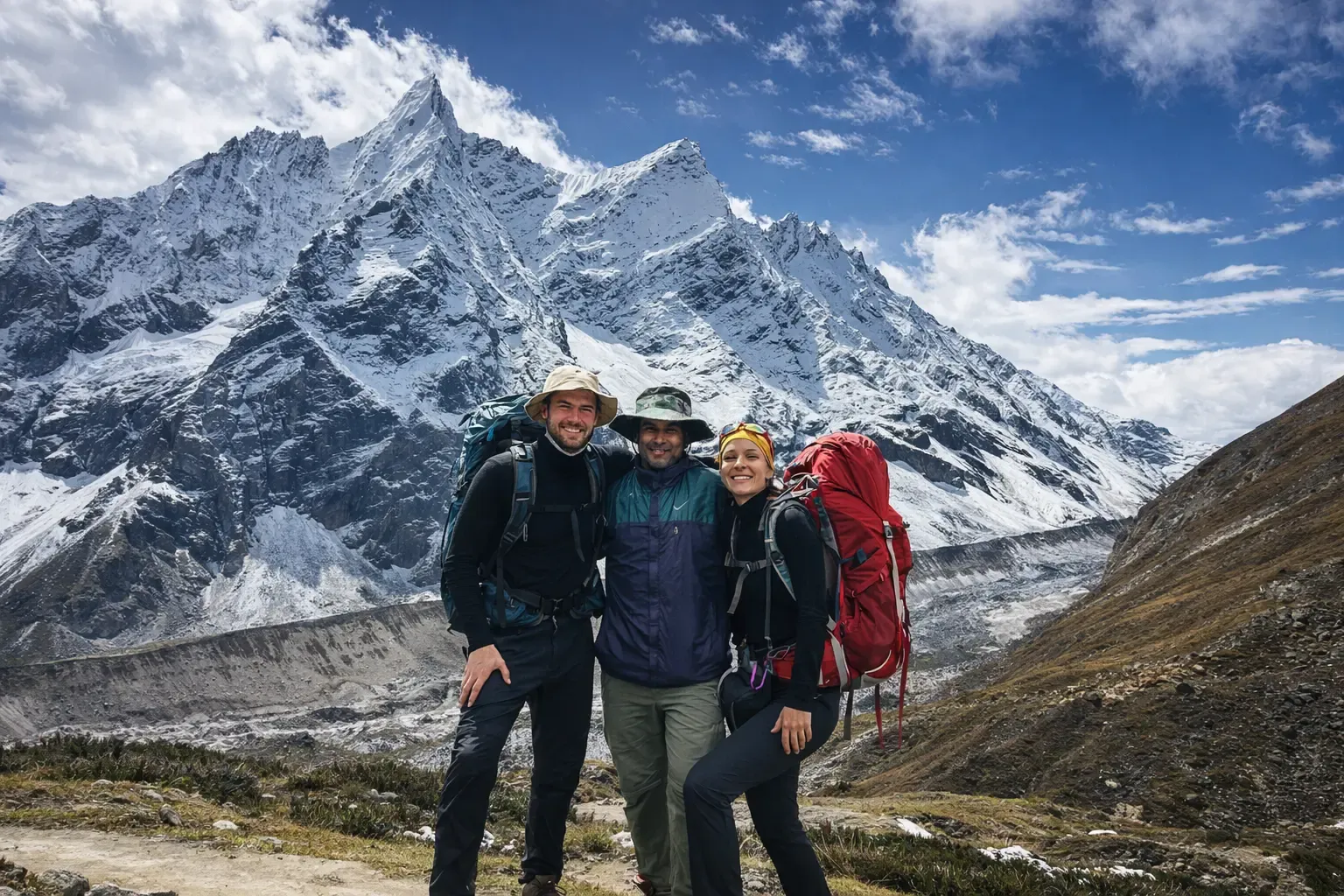
The Manaslu Conservation Area is famous for its trekking routes, which are considered some of the most rewarding in the Himalayas. These routes offer a physical challenge and a deep cultural immersion into a world that feels largely untouched by time.
The Manaslu Circuit Trek
Often called the “New Annapurna Circuit,” the Manaslu Circuit is the region’s premier route. It typically takes 13 to 18 days to complete the itinerary. The trail follows the Budhi Gandaki River through increasingly narrow gorges before opening into wide, glacial valleys. It offers a spectacular transition from Hindu lowlands to Tibetan-Buddhist highlands. Because it is a restricted area, the trail remains significantly less crowded than other major circuits, preserving a sense of isolation and adventure.
Tsum Valley: The Hidden Valley of Happiness
Tsum Valley is a sacred Himalayan pilgrimage site and a “Beyul” a hidden valley blessed by Buddhist saints. It is home to the Tsumba people, who practice the ancient Shagya tradition. This tradition prohibits the slaughter of animals, making the entire valley a sanctuary of peace and non-violence. Trekkers can visit ancient monasteries like Mu Gompa (3,700m) and Rachen Gompa, which house centuries-old Buddhist murals and manuscripts. The valley provides a profound spiritual experience that contrasts with the more physical demands of the main circuit.
Larkya La Pass (5,106m)
The Larkya La Pass is the highest point of the Manaslu Circuit and the trek’s ultimate physical crux. Crossing the pass is a long and challenging day, beginning in the early hours from the high camp at Dharmasala. From the summit, trekkers are treated to panoramic views of Himlung Himal, Cheo Himal, Kang Guru, and the massive Annapurna II. The descent follows the Larkya Glacier down into the lush forests of the Marsyangdi Valley.
Birendra Lake and Manaslu Base Camp (MBC)
The village of Samagaun serves as the main hub for acclimatization. From here, trekkers can take a day trip to Birendra Lake, a turquoise glacial lake at the foot of the Manaslu Glacier. For those seeking more elevation, a further climb leads to Manaslu Base Camp (4,400m). Standing at base camp offers a close-up view of the icefalls and the summit of Mount Manaslu, providing a glimpse into the world of high-altitude mountaineering.
Rui La Pass: The Tibet Border
Located a day’s hike from the village of Samdo, the Rui La Pass is a historic trade route between Nepal and Tibet. Standing at the border allows trekkers to look out over the vast Tibetan Plateau. It is a lesser-visited attraction that offers a deep sense of the region’s trans-Himalayan geography and its historical role as a gateway for trade.
Cultural Heritage and Local Communities
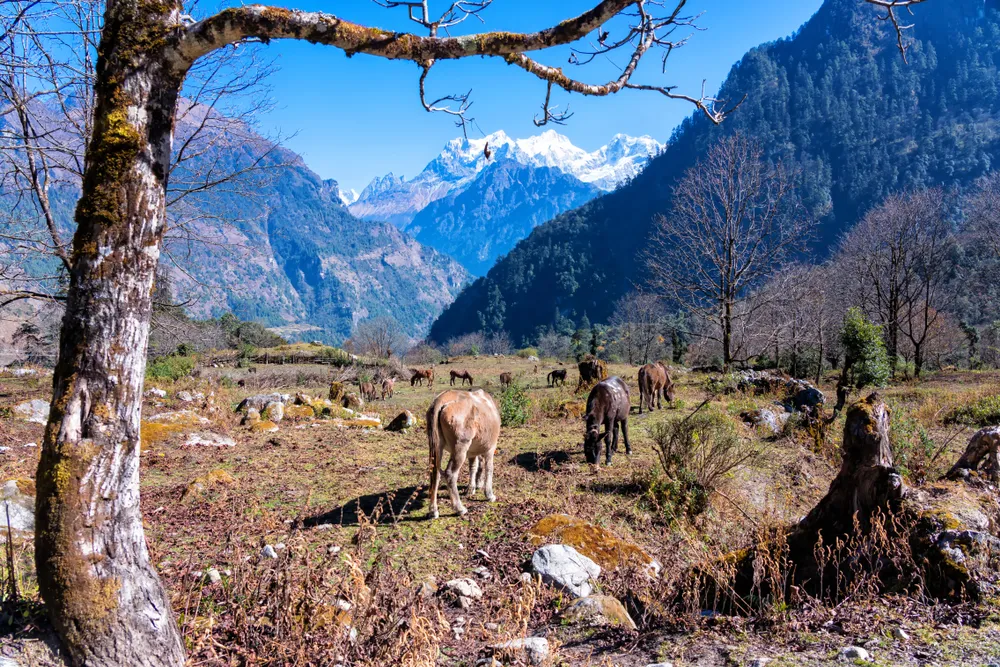
The Manaslu region is a vibrant tapestry of indigenous heritage, primarily shaped by Gurung and Tibetan-influenced communities. For generations, these people have maintained a lifestyle deeply connected to the high-altitude landscape and the spiritual traditions of the Himalayas.
The Indigenous People of Manaslu
The local inhabitants are known for their resilience and warm hospitality. Their daily lives revolve around traditional practices that have remained unchanged for centuries:
- Livelihoods: Most families sustain themselves through high-altitude agriculture and animal husbandry, raising yaks and sheep.
- Spiritual Influence: Tibetan Buddhism is the cultural bedrock of the region. This is visible in the colorful prayer flags, stone Mani walls, and sacred Chortens that line the trekking trails.
- Community Life: Trekkers have the unique opportunity to witness a lifestyle defined by communal effort and a profound respect for the natural environment.
Traditions and Spiritual Centers
The cultural significance of the region is most evident during religious ceremonies and local festivals:
- Lhosar Festival: Marking the Tibetan New Year, this is the most important cultural event, celebrated with traditional dances, elaborate feasts, and spiritual prayers.
- Tsum Valley Monasteries: Spiritual centers like Mu Gompa and Rachen Gompa serve as the heart of the community. These monasteries act as living museums, preserving ancient Buddhist manuscripts, frescoes, and cultural treasures.
- Daily Rituals: The spinning of prayer wheels and the chanting of monks provide a rhythmic, meditative backdrop to the trekking experience.
At present, the restricted status of the Manaslu Conservation Area continues to protect these traditions from rapid modernization, offering visitors a rare glimpse into an authentic Himalayan way of life.
Permits, Cost and Regulations
Because the Manaslu region is a protected border zone, travelers must obtain several permits through a registered trekking agency. These fees support local conservation and regional infrastructure.
Types of Permits Needed
- Restricted Area Permit (RAP): Required for the journey between Jagat and the Larkya La Pass due to the proximity to Tibet.
- Manaslu Conservation Area Permit (MCAP): Required for entry into the protected sanctuary.
- Annapurna Conservation Area Permit (ACAP): Necessary because the trek typically exits through the Annapurna region at Dharapani.
- Local Entry Fee: A development fee collected by the Chumnubri Rural Municipality for trail maintenance.
Permit Costs
The Restricted Area Permit (RAP) uses seasonal pricing based on the time of year:
- Autumn (September–November): USD 100 per person for the first week, then USD 15 per day.
- Other Months (December–August): USD 75 per person for the first week, then USD 10 per day.
- Fixed Fees: At present, the MCAP and ACAP each cost approximately USD 23 (NPR 3,000).
You must hire a licensed guide and trek with at least two people. We, at Himalaya Hub Adventure offer experienced, licensed guides to make sure you have a safe and enjoyable journey.
Mandatory Rules
According to current regulations, hiring a licensed trekking guide is mandatory. While solo travelers are permitted to obtain the necessary permits, trekking without a certified professional is strictly prohibited. These requirements ensure traveler safety in remote high-altitude terrain and help preserve the region’s unique cultural heritage.
Logistics: Transportation and Accommodations
Getting to the Trailhead
Transportation to the Manaslu region has improved as road infrastructure expands. At present, most trekkers take a 4WD Jeep directly from Kathmandu to Machha Khola, a journey of roughly 8 to 10 hours. While roads are slowly reaching higher into the valley, starting at Machha Khola remains the standard for those wishing to experience the full ecological transition of the circuit.
Teahouses and Connectivity
The Accommodation in the Manaslu region consists of a fully developed teahouse network. Modern lodges provide twin-sharing rooms and warm blankets, while the Food on Manaslu region trails is diverse, with teahouses serving a variety of meals typically centered around the nutritious Dal Bhat. In recent years, high-speed satellite internet, such as Starlink, has become available in major hubs like Lho and Samagaun. However, power and internet can remain intermittent, particularly during inclement weather, so travelers should not rely on constant connectivity.
Best Time for Trekking in Manaslu
The best times to trek in Manaslu are during spring (March to May) and autumn (September to November). Choosing the right season is critical for a successful crossing of the Larkya La.
- Autumn (September – November): The “Golden Season.” The monsoon has cleared the dust, leaving crystal-clear skies and stable temperatures. This is the busiest time but offers the most reliable conditions.
- Spring (March – May): The second-best window. The rhododendron forests are in full bloom, and the temperatures are slightly warmer. This is also the climbing season for Mount Manaslu.
- Winter (December – February): Extremely cold. Most teahouses above Samagaun close, and the Larkya La is often blocked by deep snow. Only for highly experienced winter trekkers.
- Monsoon (June – August): Lush and green, but plagued by leeches, landslides on the road to Machha Khola, and clouded views.
Safety and Responsible Tourism
Safety in the MCA is primarily a matter of managing altitude. Acute Mountain Sickness (AMS) is a serious risk, given the significant elevation gains. Following a proper acclimatization schedule which always includes a rest day in Samagaun is non-negotiable. Trekkers should stay hydrated, eat well, and communicate openly with their guides about any symptoms of altitude sickness
Responsible tourism is vital for the long-term health of the MCA. Travelers should adhere to “Leave No Trace” principles, minimize plastic waste by using water purification methods, and respect local cultural norms. Supporting the local economy by hiring Gorkhali porters and guides and purchasing local products ensures that the conservation area remains a sustainable sanctuary for generations to come.
Conclusion
The Manaslu Conservation Area is a destination of profound beauty and cultural depth. It offers a rare opportunity to witness the Himalayas in their most authentic form, away from heavy commercialization. By balancing strict conservation with community-led tourism, the MCA has preserved a world of glacial lakes, sacred valleys, and rare wildlife that continues to inspire all who wander its trails.
Start planning your trek and learn more about eco-friendly travel options with Himalaya Hub Adventure .
Explore More Manaslu Trek Resources
- Manaslu Circuit Trek Cost
- Packing List and Important Document
- Manaslu Circuit Trek Map
- Manaslu Circuit Trek Distance
- Manaslu Circuit Trek Preparation
- Manaslu Circuit Trek in Autumn
- Manaslu Circuit Trek difficulty
- Manaslu Circuit Trek in Spring
- Manaslu Circuit Trek in Autumn
- Manaslu Circuit Trek in September
- Manaslu Circuit Trek in October
- Manaslu Circuit Trek in November
Reviews




We went to Nagarkot, did a saf...
We went to Nagarkot, did a safari in Chitwan, and went rafting by the Trishuli riverside. We also did a 5-day trek to Poon Hill and stopped at Jhinu for the hot springs. (It just take 3days to go to Poon hill, the remaining days is just chilling)
Our guide Shubash Bhattarai is a solid 10/10. He is super friendly and really knowledgeable. He shared a lot about the local culture, mountains, and wildlife along the way. If we come back to Nepal, we’ll definitely look for him again for our next trek.


A huge thank you to our guides, Rosha...
A huge thank you to our guides, Roshan and Bipin, who were outstanding—professional, knowledgeable, kind, and went above and beyond to make sure everyone felt safe, comfortable, and well looked after. Roshan was especially organised at the guesthouses and meal times, quickly getting us settled in after each day’s trekking and clearly explaining the plan for the next day.
I also have a severe nut allergy, which Roshan managed with great care throughout the trek, something I really appreciated.
If you’re considering trekking in Nepal, I couldn’t recommend Himalaya Hub Adventure highly enough.









Frequently Asked Questions
Why is Manaslu a Restricted Area in Nepal?
Manaslu is a restricted area to protect its natural environment, local culture, and border security near Tibet. It also helps control the number of visitors.
What are the 5 Endangered Animals in Nepal?
Five endangered animals in Nepal are the snow leopard, red panda, Bengal tiger, one-horned rhinoceros, and pangolin.
How Many Conservation Areas Are There in Nepal?
Nepal has six conservation areas: Manaslu, Annapurna, Kanchenjunga, Gaurishankar, Api Nampa, and Krishnasaar.
What Is the #1 Most Visited National Park?
Chitwan National Park is the most visited national park in Nepal. It is popular for jungle safaris and wildlife.
Do I Need a Guide for the Manaslu Trek?
Yes, a licensed guide is compulsory for the Manaslu trek. Foreign trekkers must also trek in a group of at least two people and obtain the required permits.
What Is the Best Time to Visit the Manaslu Conservation Area?
The best seasons are spring (March to May) and autumn (September to November). These months offer clear views, pleasant weather, and safer trekking conditions.
What Is the Manaslu Conservation Area Famous For?
Manaslu Conservation Area is famous for Mount Manaslu, the world’s eighth-highest mountain, Larkya La Pass, beautiful landscapes, rich wildlife, and Tibetan-Buddhist culture.
Is Manaslu a Restricted Area?
Yes, Manaslu is a restricted trekking area. Trekkers need a Restricted Area Permit, a TIMS card, and a licensed guide.
What Animals Are Found in the Manaslu Conservation Area?
The area is home to snow leopards, red pandas, Himalayan black bears, blue sheep, Himalayan musk deer, and Himalayan tahr. Many species of birds are also found here.
Which Plants Are Found in the Manaslu Conservation Area?
The area has pine, oak, birch, rhododendron, juniper, and alpine plants. It also contains many rare medicinal herbs.
0 Comment