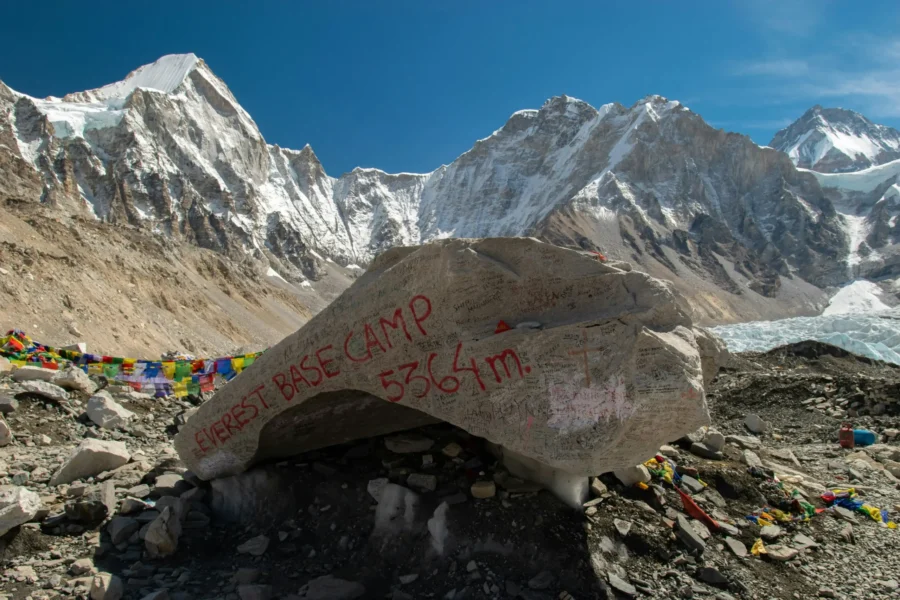
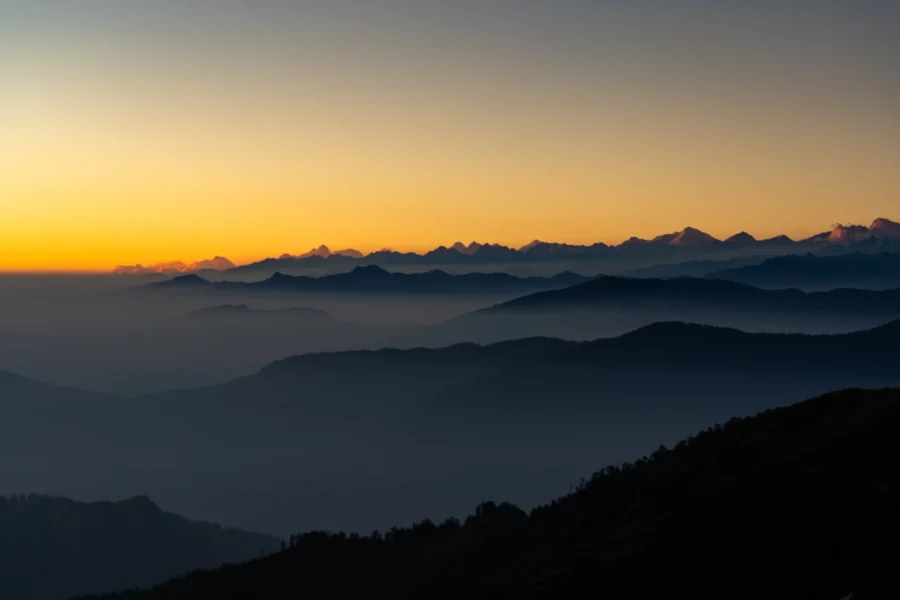
The Everest Region, also known as the Khumbu, is Nepal’s most iconic mountain destination and one of the world’s greatest adventure travel experiences. Nestled in the northeastern Himalayas, this spectacular region is home to Mount Everest (8,848.86 m), the highest mountain on Earth, along with other legendary peaks including Lhotse, Nuptse, Ama Dablam, Pumori, Thamserku, and Cho Oyu. Every year, thousands of trekkers, climbers, photographers, and nature enthusiasts travel to the Everest Region to experience its extraordinary landscapes, rich Sherpa culture, and unparalleled Himalayan scenery.
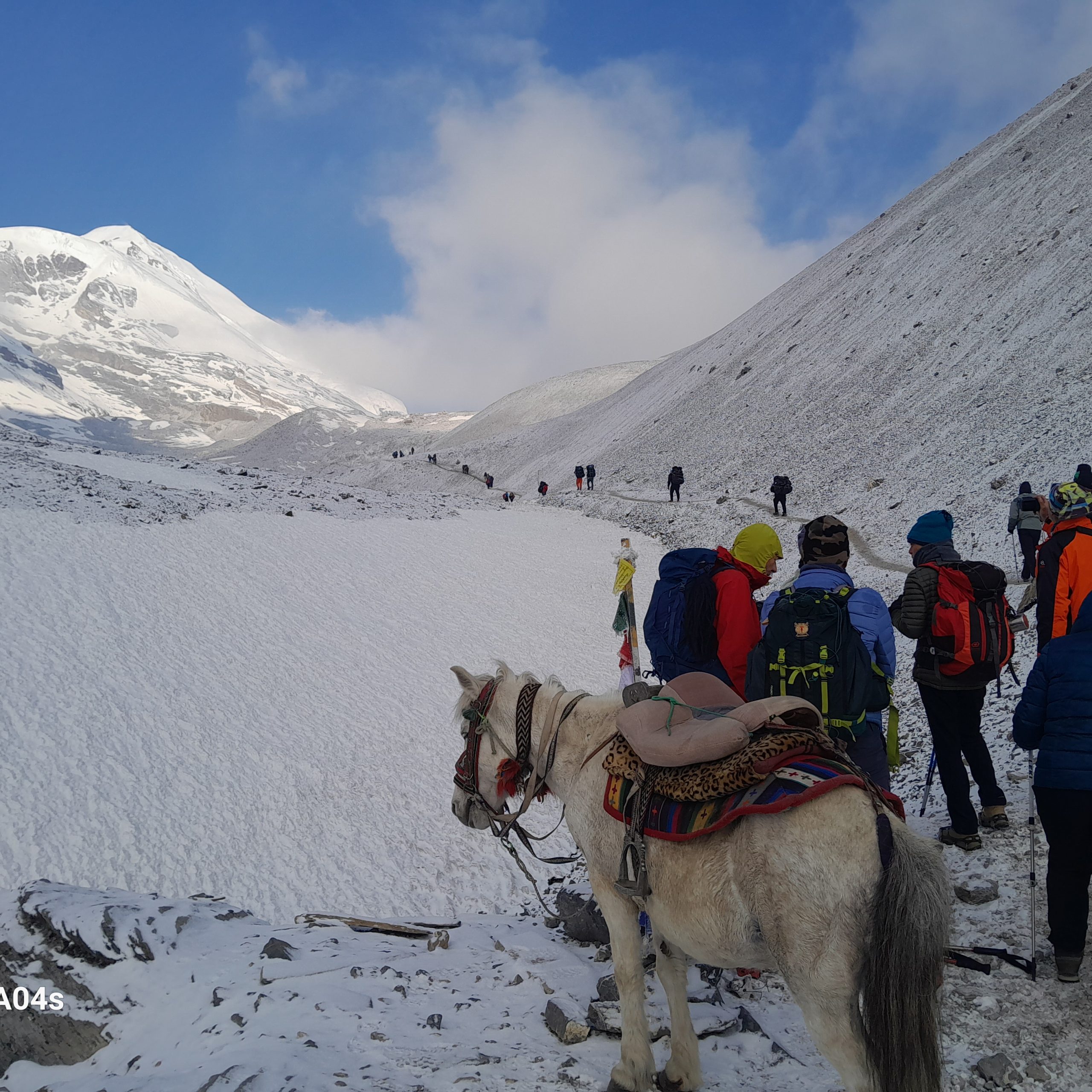
The Everest Region offers an incredible diversity of landscapes, ranging from lush forests and glacial rivers to alpine meadows, towering cliffs, and vast glaciers beneath some of the highest mountains on the planet. Trekkers journey through picturesque Sherpa villages, ancient monasteries, suspension bridges, pristine valleys, and rugged mountain trails that reveal breathtaking panoramas at every turn.
Because of its dramatic elevation, the Everest Region encompasses several climate zones. The lower valleys enjoy a cool temperate climate with forests of pine, rhododendron, and birch. Higher elevations transition into subalpine and alpine environments before reaching the permanent snowfields, glaciers, and nival zone surrounding the world’s highest peaks.
The region experiences five distinct seasons, each offering a unique perspective of the Himalayas. Spring brings colorful rhododendron blooms, mild temperatures, and excellent visibility for trekking and climbing. Summer is followed by the monsoon season, although the upper Khumbu receives less rainfall than many other parts of Nepal. Autumn is considered the finest trekking season, offering crystal-clear skies, stable weather, and magnificent mountain views. Winter transforms the landscape into a peaceful snow-covered wilderness with crisp mountain air and spectacular scenery.
The Everest Region is the homeland of the legendary Sherpa people, whose mountaineering skills, resilience, and warm hospitality are renowned throughout the world. Visitors have the opportunity to experience authentic Sherpa traditions, explore centuries-old monasteries, admire traditional stone villages, and learn about the unique culture that has flourished in the high Himalayas for generations.
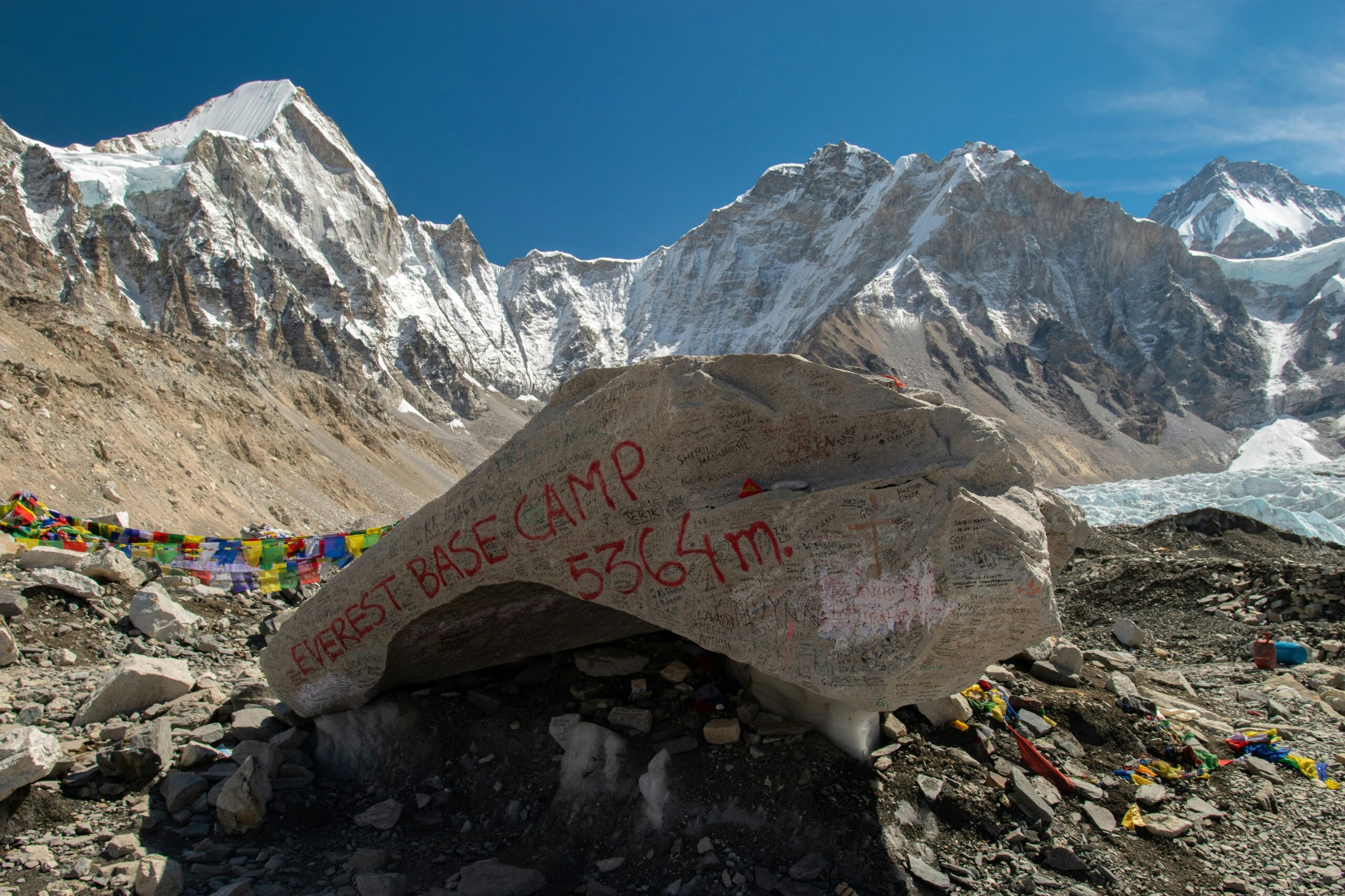
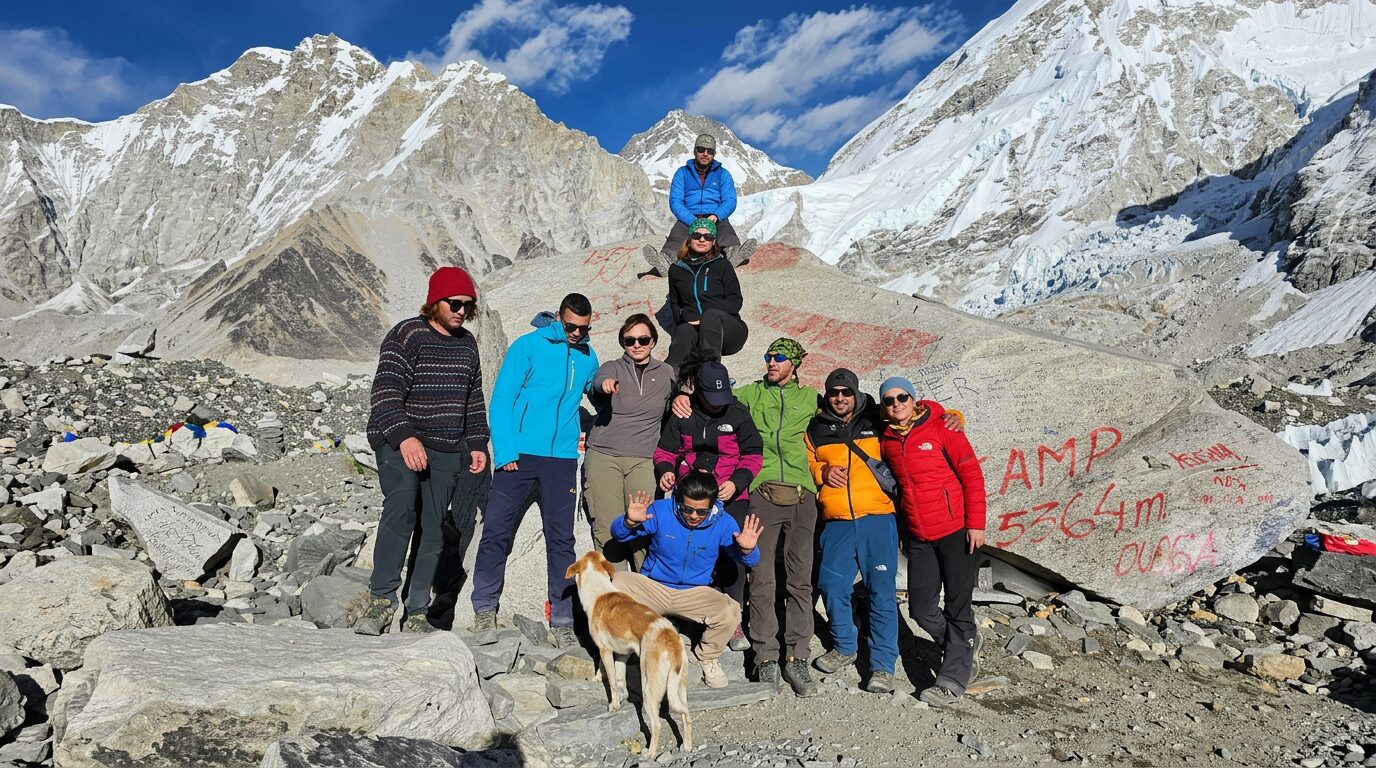
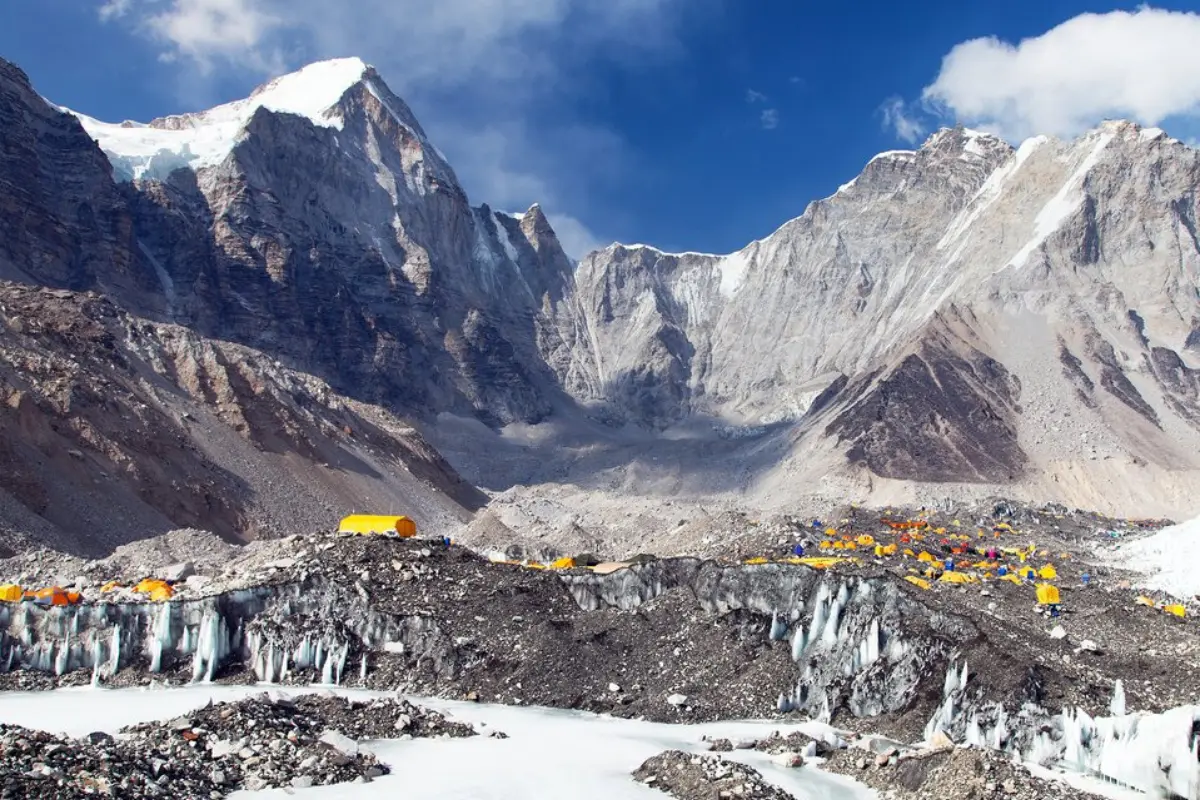
The region is internationally celebrated as the gateway to Mount Everest. The Everest Base Camp Trek is among the world’s most famous trekking adventures, leading travelers through the heart of Sagarmatha National Park to the base of the world’s highest mountain. Other unforgettable journeys include the Gokyo Lakes Trek, Three Passes Trek, Everest View Trek, and expeditions to Island Peak, Lobuche Peak, and Mera Peak. Whether seeking a challenging high-altitude adventure or a scenic Himalayan trek, the Everest Region offers experiences for every level of explorer.
Local cuisine reflects both Himalayan traditions and the needs of mountain travelers. Dal Bhat, Nepal’s national dish, remains the most popular meal, providing trekkers with nutritious energy throughout their journey. Visitors can also enjoy traditional Sherpa dishes, Tibetan bread, momos, noodle soups, potatoes, yak cheese, butter tea, fresh bakery items, and a variety of international meals served in comfortable mountain lodges.
Throughout the year, the Sherpa community celebrates vibrant festivals rooted in Tibetan Buddhism. Festivals such as Mani Rimdu, Dumje, and Losar feature colorful masked dances, religious ceremonies, music, and community gatherings, offering visitors an unforgettable glimpse into the spiritual and cultural traditions of the Khumbu.
Religion plays a central role in daily life throughout the Everest Region. Ancient Buddhist monasteries, chortens, mani walls, prayer wheels, and colorful prayer flags line the trekking trails, creating an atmosphere of peace, reflection, and spiritual connection amidst the grandeur of the Himalayas.
Beyond trekking and mountaineering, the Everest Region offers a wide range of unforgettable experiences. Visitors can enjoy scenic mountain flights, helicopter tours to Everest Base Camp, wildlife observation, photography, cultural tours, glacier viewpoints, and visits to traditional Sherpa villages that preserve centuries of Himalayan heritage.
Much of the Everest Region lies within Sagarmatha National Park, a UNESCO World Heritage Site recognized for its exceptional natural beauty, unique ecosystems, and rich biodiversity. Home to rare wildlife including the snow leopard, Himalayan tahr, musk deer, red panda, and colorful Himalayan pheasants, the park represents one of the world’s most remarkable protected mountain environments.
The Everest Region is more than the home of the world’s highest mountain—it is a destination where adventure, culture, spirituality, and nature unite to create an experience unlike any other. From the welcoming hospitality of the Sherpa people to the awe-inspiring beauty of the Himalayas, every journey into the Khumbu leaves lasting memories and a deep appreciation for one of the most extraordinary places on Earth. Come discover the Everest Region and experience the magic of the Himalayas for yourself.