

Key Takeaways
- Everest Base Camp Trek is achievable for beginners with proper preparation, slow pacing, and acclimatization days to adjust to high altitude.
- Spring and autumn are the best seasons for beginners, offering stable weather, clear skies, and comfortable trails.
- Smart packing and proper gear are essential, including layered clothing, trekking boots, hydration systems, and a personal medicine kit.
- Hiring a licensed guide and booking through a travel agency ensures permits, safety, and support from porters, making the trek stress-free and enjoyable.
Before you plan the Everest Base Camp Trek, it’s normal to wonder if it’s really possible for a beginner. Many people imagine steep climbs, technical mountaineering, and extreme danger. The truth is very different. The Everest Base Camp Trek for beginners is a long walk on well-marked trails, typically covering 130 km round-trip over 12-14 days, not a climb that requires ropes or special climbing skills. If you can walk steadily for several hours a day (5-7 hours daily at a moderate pace) and prepare properly, this trek is achievable.
The biggest challenge is altitude, not strength, as elevations climb from 2,860m at Lukla to 5,364m at base camp, with oxygen levels dropping to about 50% of sea level. That’s why the route includes rest days, usually 2-3 acclimatization stops at places like Namche Bazaar (3,440m) and Dingboche (4,410m) to help your body adjust slowly. Fitness matters, but you don’t need to be an athlete. With basic training like 4-6 weeks of stair climbing or cardio, a positive mindset, and the right pace, beginners do very well. Safety is also a top priority, with teahouses every 1-2 hours, experienced guides, and medical support available along the trail. With the right expectations, this trek becomes an unforgettable and realistic goal for first-time Himalayan trekkers.
Is the Everest Base Camp Trek Suitable for Beginners?
The Everest Base Camp Trek is suitable for beginners when it is approached with the right mindset and preparation. This trek does not involve technical climbing, ropes, or mountaineering skills. It is a long-distance hike on well-established trails that are used daily by trekkers, guides, and local villagers.
Difficulty Level of the Trek
The difficulty level of the Everest Base Camp Trek is moderate. Beginners do not need extreme strength, but they do need patience and consistency. Most challenges come from walking at high altitude rather than difficult terrain. With proper planning and a realistic pace, beginners can manage the trek comfortably.
Daily Walking Hours and Pace
On average, beginners walk between five to seven hours per day. Some days are shorter, while a few days feel longer due to altitude. Walking slowly, taking regular breaks, and not rushing are key to success. This trek rewards steady progress, not speed.
Trail Conditions and Terrain
The trail is mostly wide and clearly marked. You will walk on dirt paths, stone steps, suspension bridges, and forest trails. Some sections are uphill, especially around Namche Bazaar, but they are manageable when taken slowly. There is no need for climbing experience.
Altitude Challenges for Beginners
Altitude is the main challenge on the Everest Base Camp Trek. As you gain elevation, the air becomes thinner, which can cause fatigue and shortness of breath. This is why acclimatization days are built into the itinerary. These rest days allow your body to adjust naturally and reduce the risk of altitude sickness.
Why Beginners Can Successfully Complete the Trek
Beginners can complete the Everest Base Camp Trek by preparing properly and respecting the itinerary. Basic fitness training, proper gear, good hydration, and following acclimatization days make a big difference. With the support of experienced guides and a slow, steady pace, thousands of beginners reach Everest Base Camp every year.
Everest Base Camp Trek Highlights
[add some image of the mountain]
- Scenic mountain flight to Lukla, one of the world’s most thrilling airports to start your adventure
- Namche Bazaar, the lively Sherpa town and main acclimatization stop
- Authentic Sherpa culture, visit monasteries, see prayer flags, and experience traditional mountain village life
- Tengboche Monastery, offering spiritual insight and stunning views of Everest, Ama Dablam, and Thamserku
- Panoramic Himalayan views, including Everest, Lhotse, Nuptse, Ama Dablam, and other Himalayan giants visible throughout the trek
- Everest Base Camp, the iconic destination at the foot of the world’s highest mountain
- Kala Patthar sunrise hike, the best viewpoint for a close-up of Mount Everest
- Guides and local food experience, enjoy meals at teahouses, taste Sherpa cuisine, and learn from experienced trekking guides along the trail
Everest Base Camp Short Itinerary for Beginners (12 Days)
The Everest Base Camp Trek is carefully planned for beginners, with gradual altitude gain, rest days for acclimatization, and comfortable teahouse stays. Each day combines trekking, breathtaking Himalayan views, Sherpa culture, and local food experiences.
Day 01: Fly to Lukla and Trek to Phakding
Elevation: Kathmandu 1,400 m → Lukla 2,610 m → Phakding 2,610 m
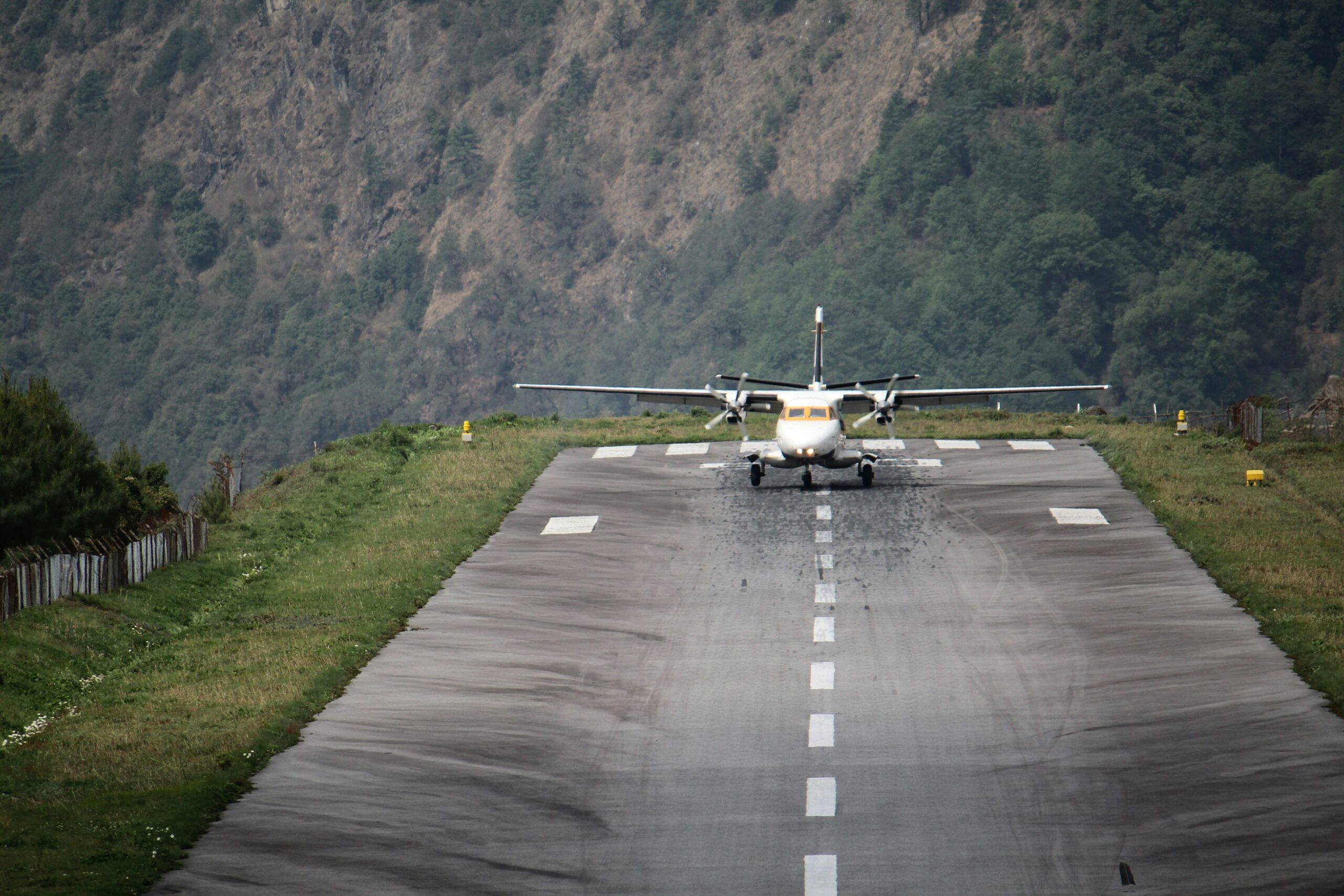
Your adventure begins with a short, scenic flight from Kathmandu to Lukla, one of the most thrilling airports in the world. From Lukla, you’ll start trekking to Phakding. This easy 3–4 hour walk allows your body to adjust to high altitude while walking through pine forests and along the Dudh Koshi River. Along the way, you’ll see small villages and suspension bridges. Stay at a cozy teahouse, enjoy local Sherpa meals, and get to know your trekking guide.
Day 02: Trek to Namche Bazaar
Elevation: Phakding 2,610 m → Namche Bazaar 3,438 m
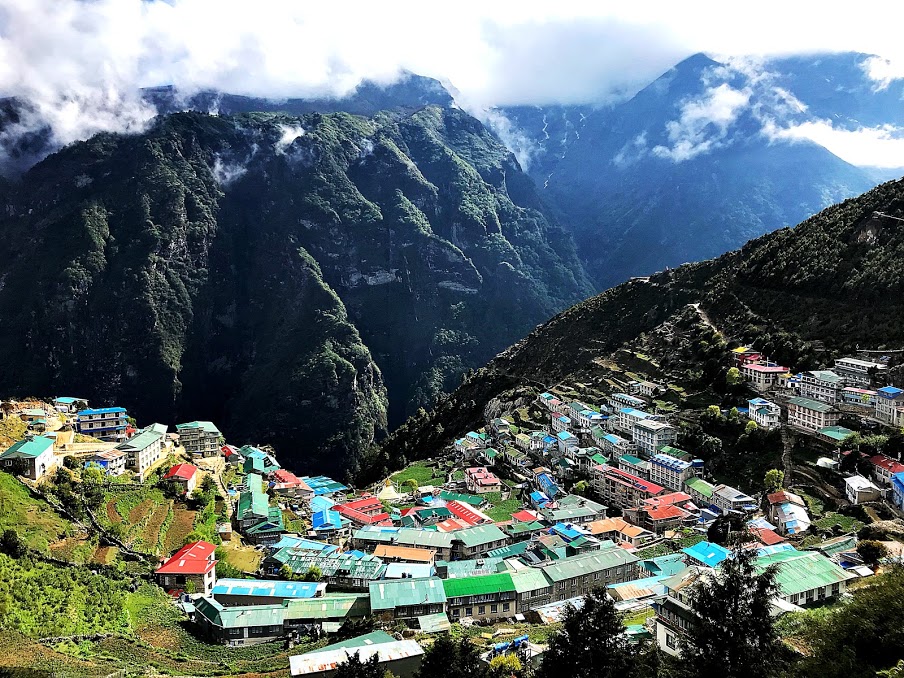
Today is a longer trekking day of 6–7 hours. You will cross rivers and suspension bridges, hike through forests, and gradually climb higher. This is the day you get your first clear views of Everest, Lhotse, and Ama Dablam. Namche Bazaar is a lively town where you can explore local shops and cafes. This stop also serves as your main acclimatization point, helping your body adapt to the thinner air.
Day 03: Acclimatization Day at Namche Bazaar
Elevation: Namche Bazaar 3,438 m
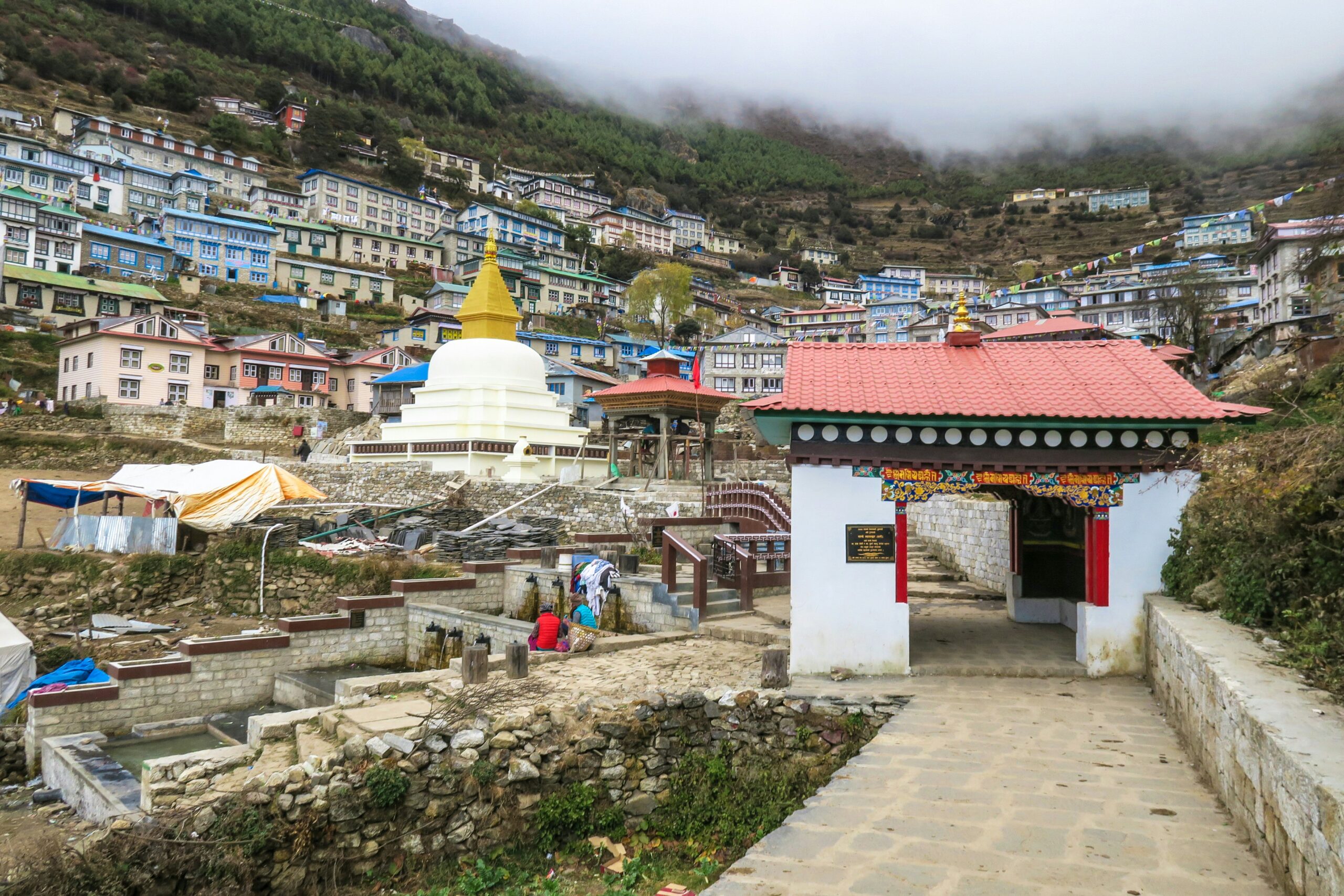
This is a rest day to help your body adjust to the altitude. Beginners can take short hikes around Namche to nearby viewpoints or visit local monasteries. This day is perfect for exploring Sherpa culture, interacting with locals, and enjoying traditional meals while your body recovers.
Day 04: Trek to Tengboche
Elevation: Namche Bazaar 3,438 m → Tengboche 3,860 m
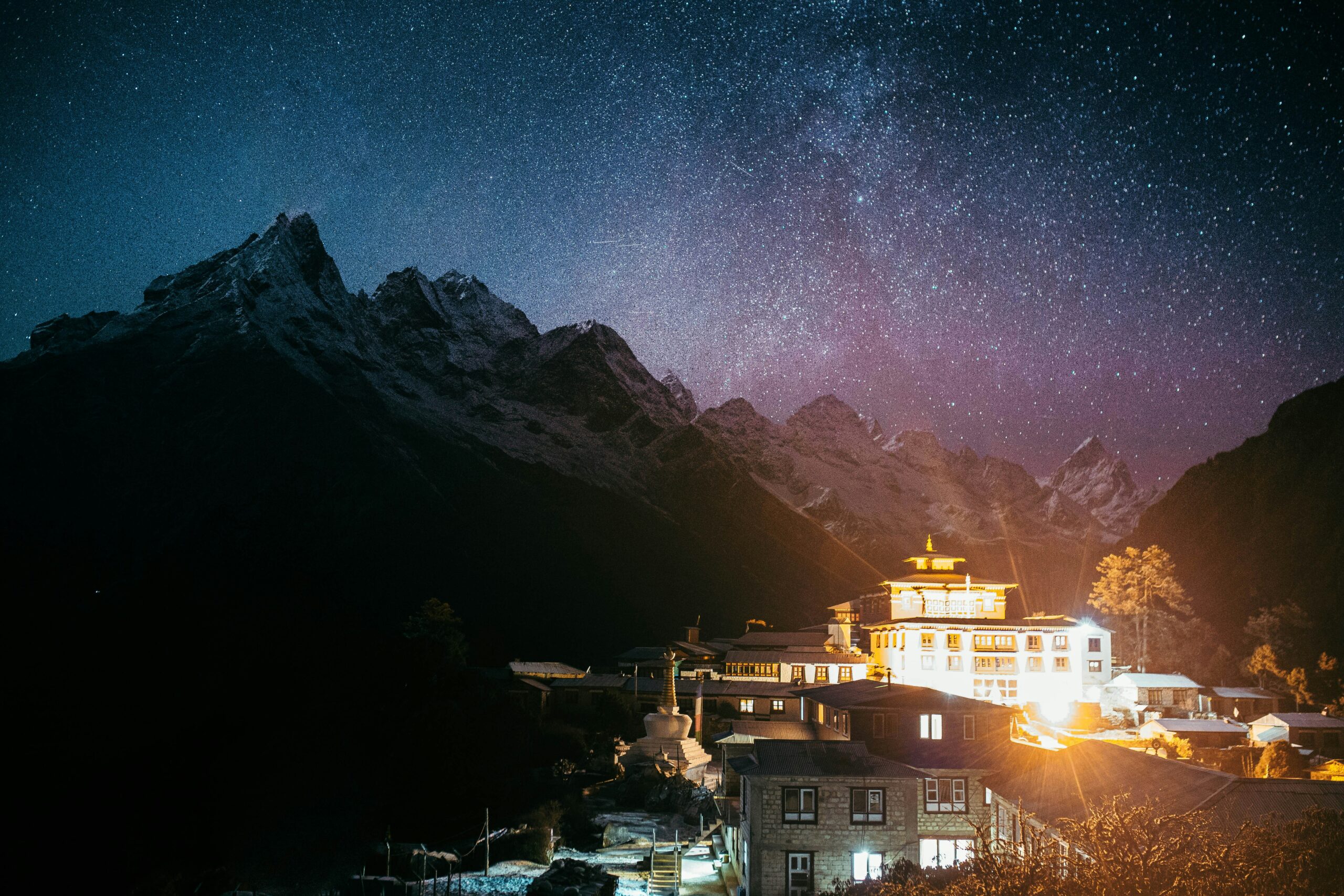
The trek to Tengboche takes 5–6 hours through beautiful forests and mountain trails. You will experience a mix of gradual climbs and stunning Himalayan scenery. Tengboche is home to a famous monastery with incredible views of Everest, Ama Dablam, and Thamserku. This stop offers a mix of culture, spirituality, and natural beauty, making it a favorite for beginners.
Day 05: Trek to Dingboche
Elevation: Tengboche 3,860 m → Dingboche 4,400 m
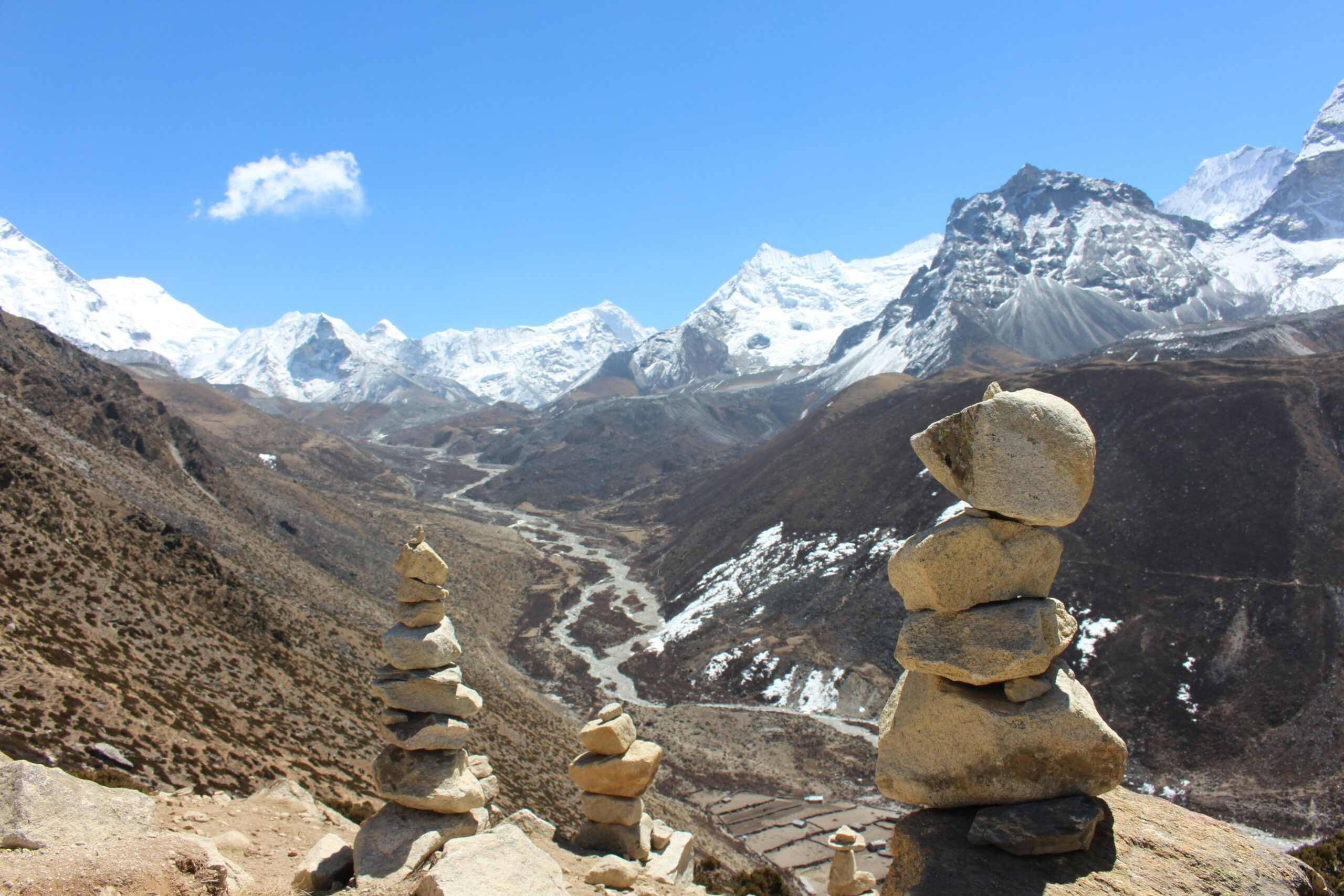
Today’s trek takes about 5–6 hours. You’ll notice the air becoming thinner as you gain altitude, so a slow, steady pace is important. Dingboche is a peaceful village where you can relax, enjoy local Sherpa food, and prepare for the upcoming higher altitude days.
Day 06: Acclimatization Day at Dingboche
Elevation: Dingboche 4,400 m
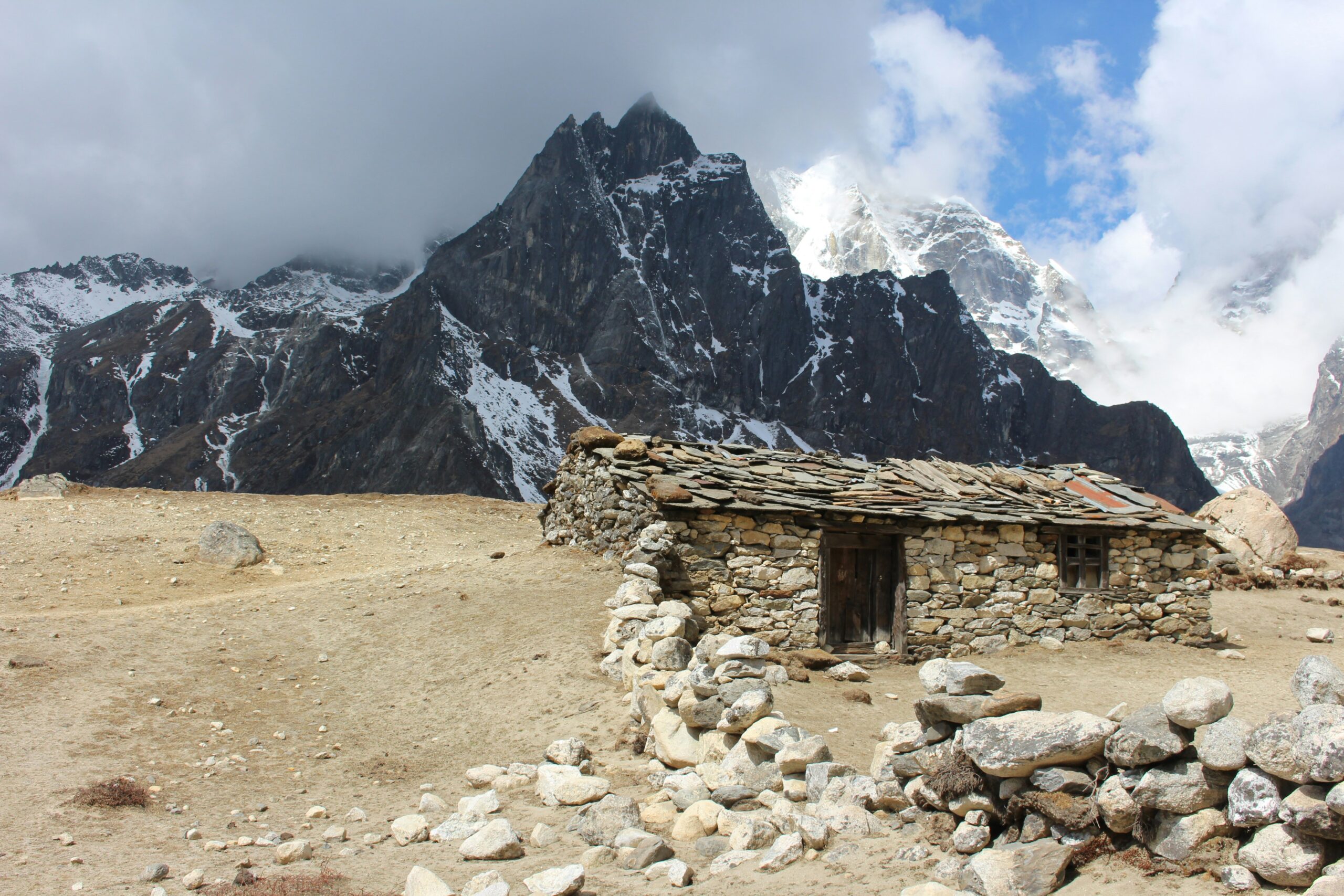
This is another rest day for acclimatization. Beginners can take short hikes to nearby viewpoints, stay hydrated, and enjoy meals at teahouses. This day helps your body adjust to high altitude before the challenging days ahead.
Day 07: Trek to Lobuche
Elevation: Dingboche 4,400 m → Lobuche 4,900 m
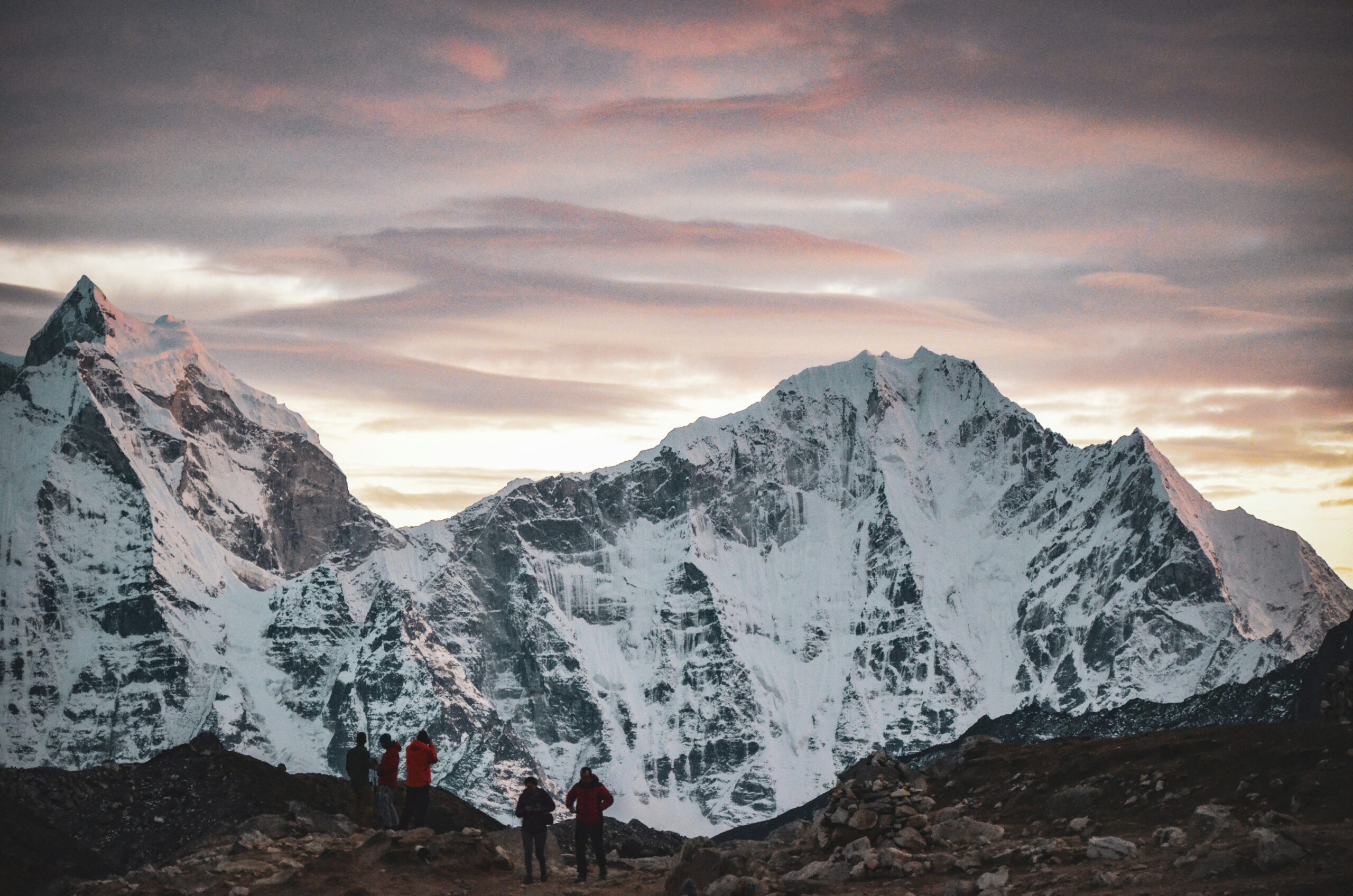
The trek today is shorter, about 4 hours, but the air is thinner and trekking becomes more challenging. Lobuche is a small village surrounded by rocky terrain and mountain peaks. Take your time, listen to your guide, and enjoy the stunning views of mountains like Nuptse and Pumori.
Day 08: Trek to Gorak Shep and Visit Everest Base Camp
Elevation: Lobuche 4,900 m → Gorak Shep 5,170 m → Everest Base Camp 5,364 m
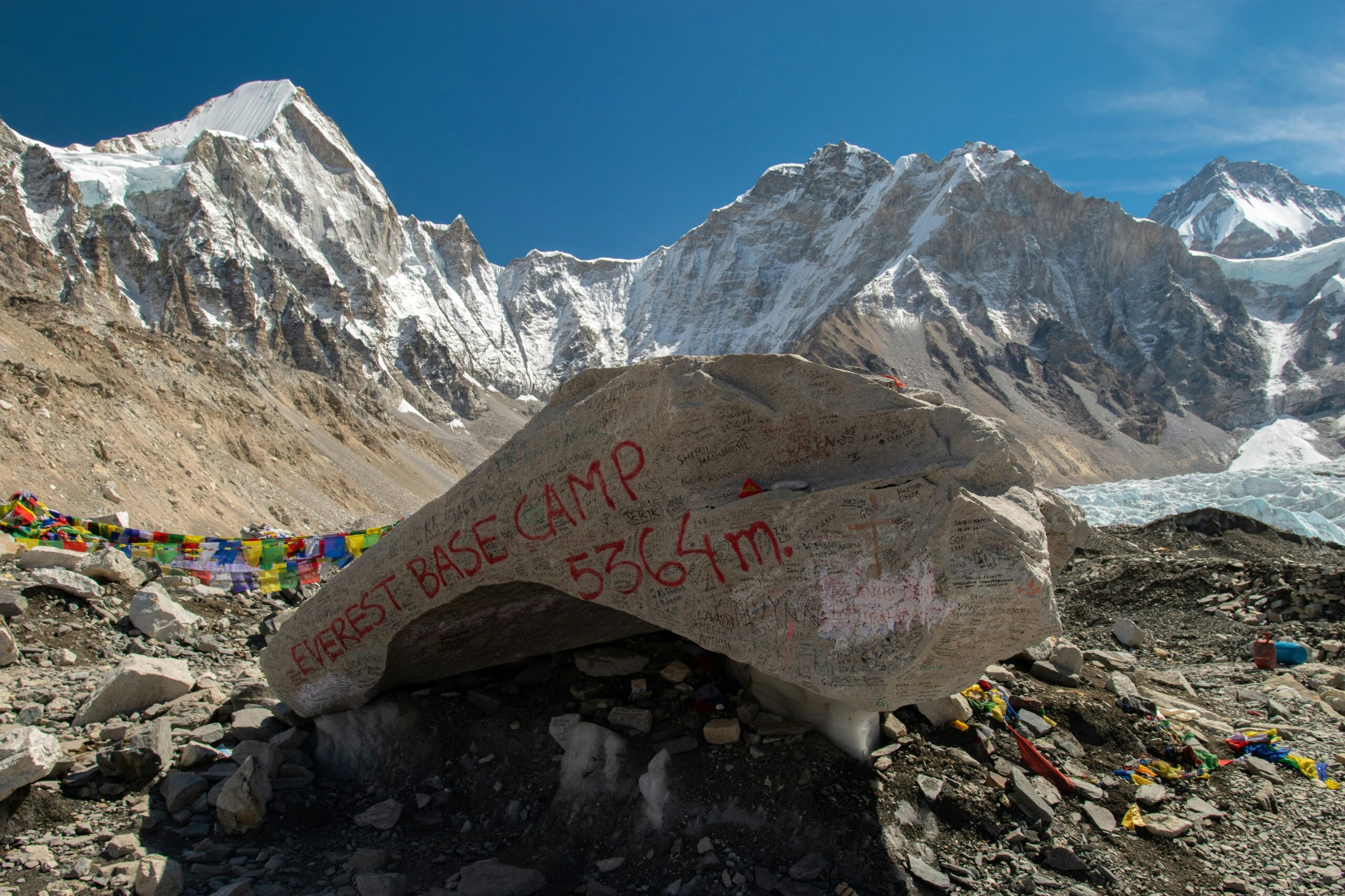
This is one of the most exciting days of the trek. You’ll hike to Gorak Shep and continue to Everest Base Camp. The trek takes about 6–7 hours. Standing at the base of the world’s highest mountain is an emotional experience. Take in the glaciers, prayer flags, and surrounding peaks. After exploring, return to Gorak Shep for the night.
Day 09: Hike Kala Patthar and Trek to Pheriche
Elevation: Gorak Shep 5,170 m → Kala Patthar 5,545 m → Pheriche 4,371 m
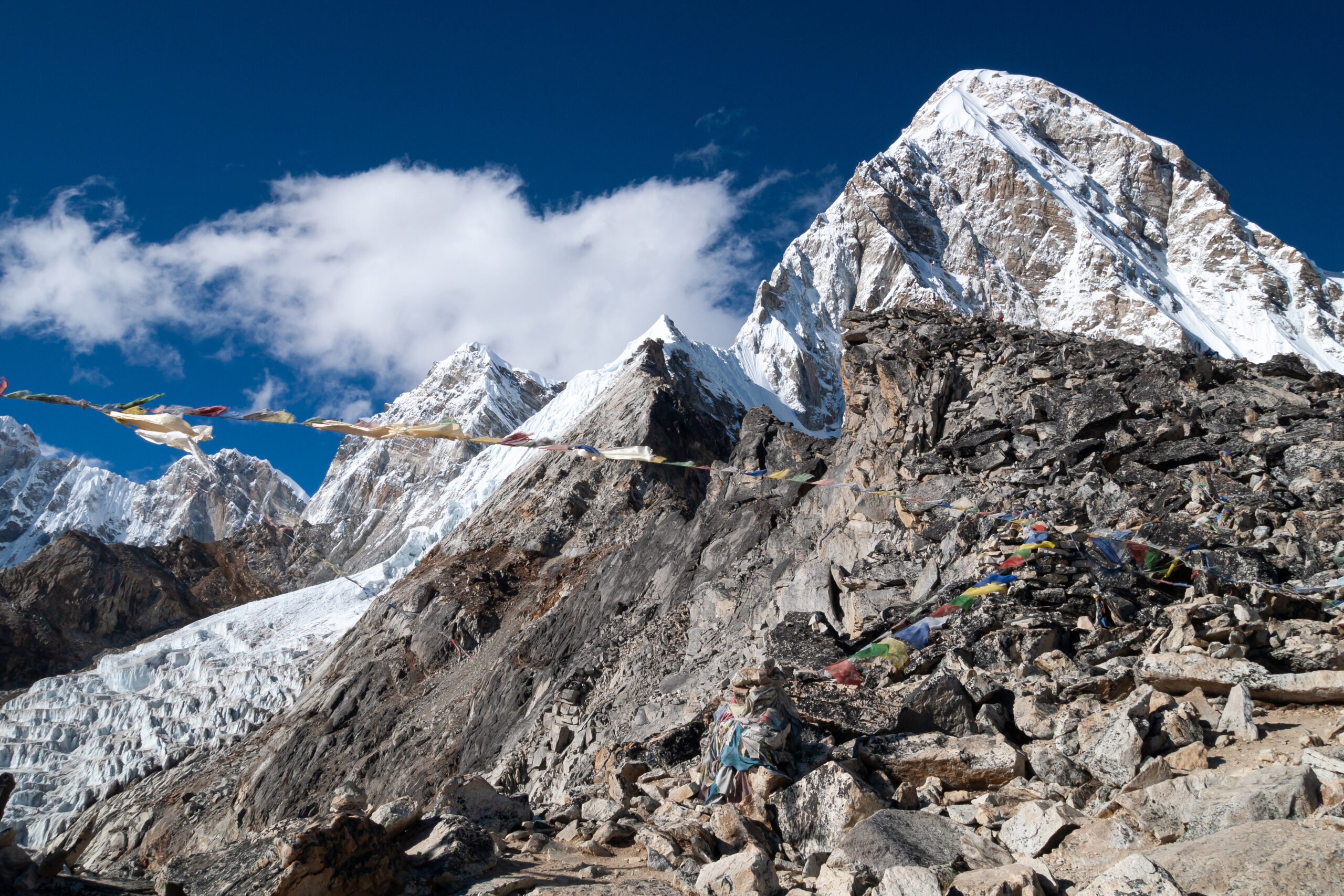
Early in the morning, hike to Kala Patthar for the best sunrise view of Everest. This is a challenging but rewarding hike. After soaking in the panoramic Himalayan scenery, descend to Pheriche for a restful night. Today combines adventure, incredible mountain views, and the satisfaction of completing one of the trek’s highlights.
Day 10: Trek Back to Namche Bazaar
Elevation: Pheriche 4,371 m → Namche Bazaar 3,438 m
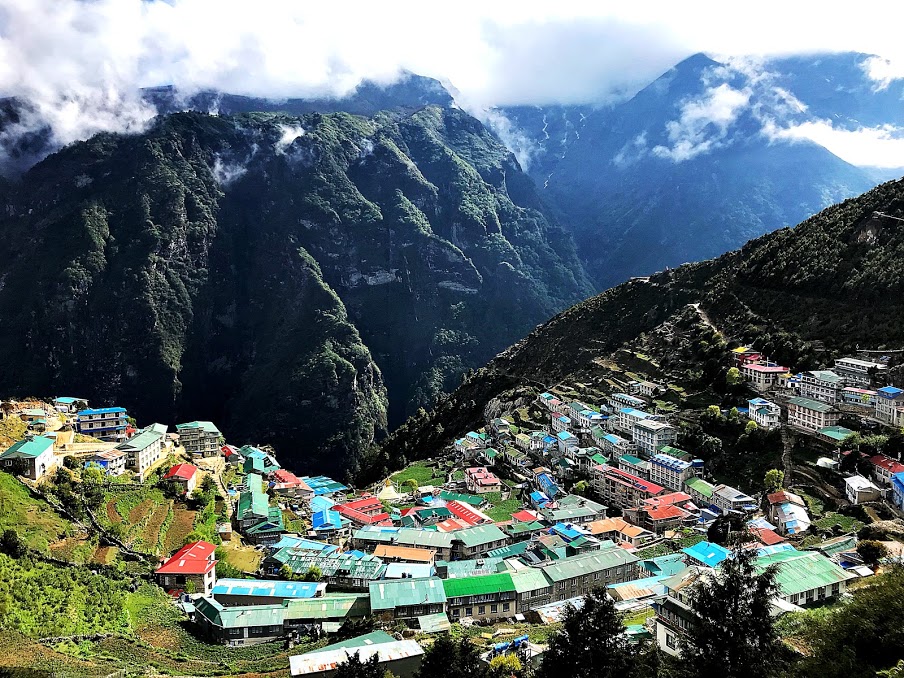
Today you descend, which is easier on the lungs and legs. The trek takes 6–7 hours through familiar paths. Enjoy the views of mountains from a lower altitude and reflect on your journey. Namche Bazaar offers teahouses for a comfortable rest and a chance to celebrate reaching this point.
Day 11: Return Trek to Lukla
Elevation: Namche Bazaar 3,438 m → Lukla 2,800 m
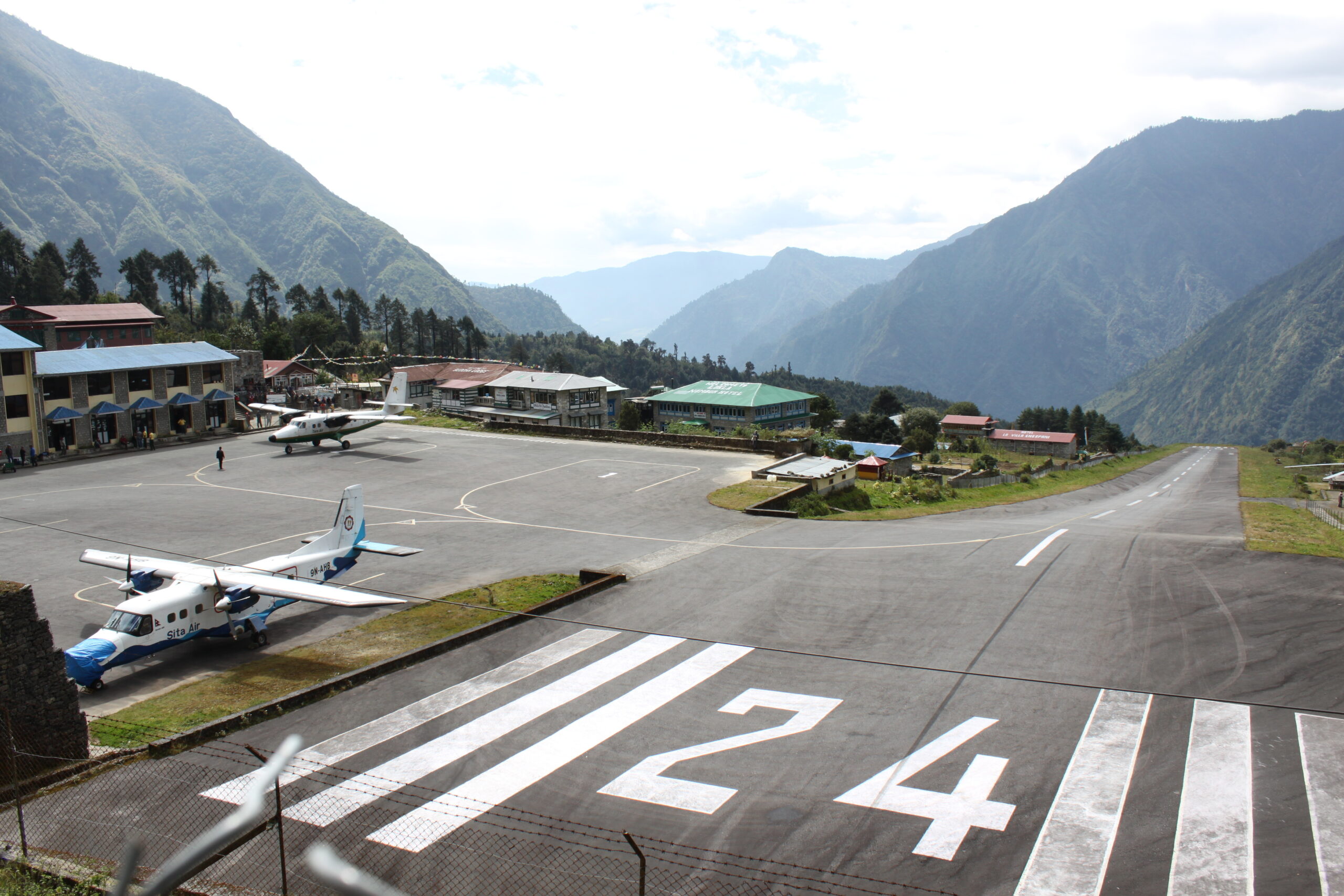
The final trekking day takes about 7 hours. Descending to Lukla is easier, and the pace is faster. Take time to appreciate the last glimpses of Everest, Ama Dablam, and surrounding peaks. Celebrate completing the trek with your guide and fellow trekkers.
Day 12: Fly Back to Kathmandu
Elevation: Lukla 2,800 m → Kathmandu 1,400 m
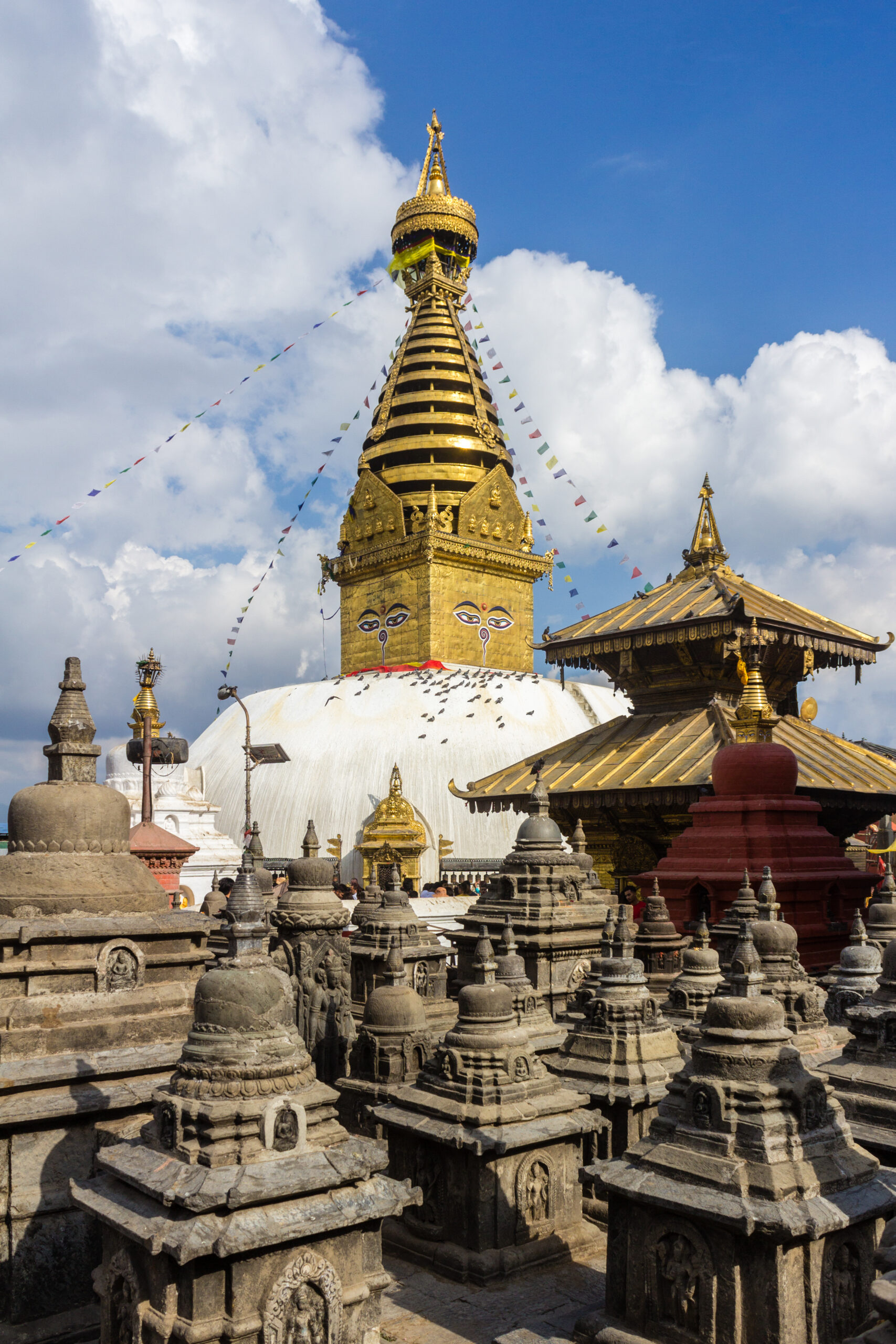
End your trek with a scenic flight back to Kathmandu. This wraps up your unforgettable Everest Base Camp adventure. It’s a perfect moment to relax, enjoy memories, and share stories of your first high-altitude trekking experience.
Best Season for Everest Base Camp Trek for Beginners
Choosing the right season is one of the most important decisions for first-time trekkers. For beginners, the best months to trek are spring (March–May) and autumn (September–November). During these seasons, the weather is stable, skies are clear, and trails are comfortable for walking.
| Season | Weather & Temperature | Trail Conditions | Beginner Comfort / Highlights |
| Spring (Mar–May) | Mild, warmer days, occasional clouds | Dry trails, easy to walk | Blooming rhododendrons, pleasant trekking, good visibility |
| Autumn (Sep–Nov) | Clear skies, stable weather, cooler temperatures | Dry and safe trails | Spectacular mountain views, ideal for photos, comfortable nights |
| Winter (Dec–Feb) | Very cold, heavy snow at high altitude | Snow-covered and slippery | Not beginner-friendly; limited teahouse services, harsh weather |
| Monsoon (Jun–Aug) | Rainy, high humidity, clouds | Slippery trails, risk of landslides | Not suitable for beginners; poor visibility and wet conditions |
Tip for beginners: Beginners should aim for spring or autumn. These seasons provide the safest, most enjoyable trekking experience, with the best combination of clear skies, comfortable trails, and memorable Himalayan scenery.
Everest Base Camp Trek Tips and Guidance for Beginners
Preparing well before your trek can make the difference between struggling and enjoying every moment. Here’s a complete guide for beginners to make their Everest Base Camp journey safe, comfortable, and unforgettable.
Physical Fitness Preparation
You don’t need to be an athlete to trek to Everest Base Camp, but basic fitness is essential. Beginners should focus on walking, hiking, and cardio exercises for at least a few months before the trek. Practice long walks with a backpack to simulate trekking conditions. Strong legs, good stamina, and a steady pace will help you enjoy the journey and avoid exhaustion.
Importance of Acclimatization
Altitude is the biggest challenge, not the distance. Altitude sickness can affect anyone. To prevent it, follow a slow ascent strategy: take rest days, hike short distances on acclimatization days, and avoid rushing. Listen to your body, drink water, and don’t ignore warning signs like headaches or nausea.
Pack Light but Smart
Overpacking is a common mistake for beginners. Carrying heavy backpacks makes trekking harder and slows you down. Only pack essentials like layers, a water bottle, snacks, and personal items. Use your trekking guide or porters to help with heavier luggage.
Proper Trekking Gear for Beginners
Comfortable gear is key. Bring sturdy trekking boots, warm layered clothing, a good sleeping bag, gloves, and a hat. Layering helps manage temperature changes, and quality boots prevent blisters. Beginners should prioritize comfort over brand names.
Staying Hydrated and Eating Well
High altitudes make you lose water faster. Drink plenty of water, electrolyte drinks, and tea. Eat small, frequent meals to keep your energy up. Teahouses provide local dishes like dal bhat (rice and lentils), soups, and vegetables easy to digest and safe at high altitude.
Permits, Guides, and Porters
“Trekking in Nepal requires TIMS, Sagarmatha National Park permits, and Khumbu Pasang Lhamu Rural Municipality permit registered travel agencies routinely obtain these on behalf of trekkers. Beginners benefit from hiring a guide, who ensures safety, helps with navigation, and provides local knowledge. Porters can carry heavy luggage, allowing you to focus on trekking comfortably.
Respecting Local Culture and Environment
The Khumbu region is rich in Sherpa culture and Buddhist traditions. Be respectful in monasteries, prayer sites, and villages. Avoid littering and follow eco-friendly trekking practices. Small gestures like greeting locals or not touching prayer wheels show respect.
Preparing for Weather Changes
Mountain weather can change quickly. Carry a rain jacket, warm layers, and gloves. Expect sudden temperature drops, strong winds, or snow even in spring or autumn. Being prepared keeps you safe and comfortable.
Choosing the Right Season
For beginners, the best seasons are spring and autumn. Spring offers warmer days and blooming rhododendrons, while autumn provides clear skies and excellent mountain views. Avoid monsoon and winter for safety and comfort.
Communication, Connectivity, and First Aid
Mobile networks and Wi-Fi are available in many villages, but coverage can be limited at higher altitudes. Carry a basic first aid kit and know your guide’s emergency plan. Learning altitude sickness symptoms and treatment is essential.
Travel Insurance for High-Altitude Trekking
Insurance is mandatory for beginners. Make sure your policy covers helicopter evacuation, high-altitude trekking, and medical emergencies. Accidents can happen, and proper coverage ensures peace of mind.
Teahouse Accommodation Experience
Teahouses are simple lodges with basic rooms and shared bathrooms. Expect warm meals, cozy bedding, and friendly staff. Nights can be cold, so bring a warm sleeping bag. This is a great way to experience local hospitality and enjoy Sherpa food and culture.
Considering Vegetarian Meals Over Meat at High Altitude
At high altitudes, digestion slows, and food hygiene can be a concern. On the trek, there’s no way to transport fresh meat, so chicken and other meats must be transported frozen from lower regions, which increases the risk of food poisoning. Vegetables, lentils, and rice are safer and easier to digest. If you are not sure whether the chicken or meat is fresh, it’s a good idea to skip it. If you want to eat meat, stick to locally sourced yak meat or local chicken, which are safer than frozen imports.
Essential Packing List for Everest Base Camp Trek for Beginners
Packing the right items can make your Everest Base Camp trek much more comfortable. Beginners often worry about bringing too much or missing something important. The key is to pack light but smart, focusing on warmth, comfort, and safety rather than luxury items.
Clothing and Footwear
Layering is the most important clothing strategy on the Everest Base Camp Trek. Weather can change quickly, so layers help you stay warm, dry, and comfortable throughout the day.
Essential clothing items for beginners:
- Moisture-wicking base layers (top and bottom)
- Warm mid-layer (fleece or light insulated jacket)
- Waterproof and windproof outer jacket
- Down jacket for cold mornings and evenings
- Trekking pants (quick-dry recommended)
- Thermal underwear for higher altitudes
- Warm trekking socks (3–5 pairs)
- Inner liners or blister-prevention socks
- Warm hat and lightweight gloves
- Insulated gloves for higher elevations
Footwear essentials:
- Waterproof, well-broken-in trekking boots
- Comfortable camp shoes or sandals for teahouses
Good footwear protects your feet, reduces fatigue, and makes long walking days much easier, especially for beginners.
Accessories and Trekking Gear
Small gear items can greatly improve comfort and safety at high altitude. Many beginners underestimate their importance until they’re on the trail.
Must-have trekking gear:
- Trekking poles (reduce knee strain on descents)
- UV-protected sunglasses
- Headlamp or flashlight (for early mornings and power cuts)
- Day backpack (20–30L capacity)
- Backpack rain cover
- Reusable water bottles or hydration bladder
- Water purification tablets or filter
- Lightweight towel
- Sleeping bag (rated for cold temperatures)
These items help with balance, visibility, hydration, and daily comfort throughout the trek.
Other Essential Necessities
Documents, health items, and small personal essentials are often overlooked but are critical for a smooth trekking experience.
| Item Category | What You Need |
| Documents | Passport, trekking permits, travel insurance copy |
| Toiletries | Toothbrush, toothpaste, wet wipes, sunscreen, lip balm |
| Health & Safety | Personal medicines, altitude sickness tablets, blister care, pain relief |
| Electronics | Power bank, charging cables, universal adapter |
| Snacks | Energy bars, nuts, chocolates, electrolyte sachets |
| Miscellaneous | Cash (ATMs are limited), notebook, pen |
A small personal medicine kit and power bank are especially important, as medical help and electricity are limited at higher elevations.
This packing setup keeps things simple, practical, and beginner-friendly, helping you stay prepared without carrying unnecessary weight. If you want to double-check everything before you go, our detailed Everest Base Camp Trek Packing List covers all essentials in one place, especially helpful for beginners who don’t want to overpack.
Everest Base Camp Weather Overview
Weather on the Everest Base Camp Trek changes quickly and becomes colder as you gain altitude. Lower areas like Lukla and Namche Bazaar are usually mild during the day, but mornings and nights are cold, especially above 4,000 meters. Strong winds are common in open valleys and can make temperatures feel much colder. Snowfall is light in spring and autumn, heavier in winter, while monsoon brings rain at lower elevations. For beginners, spring and autumn offer the most stable and comfortable weather conditions.
Flight Delays and Cancellations from Lukla
Flights to and from Lukla are famous for delays, mainly because of sudden weather changes. Fog, strong winds, and cloud cover can stop flights for hours or even days. This is very common and something every beginner should expect. To stay stress-free, always plan at least one or two buffer days in your itinerary. Keep your return schedule flexible and avoid booking important commitments right after your trek. Having extra time makes the experience much calmer and safer.
Common Mistakes Beginners Make on the Everest Base Camp Trek
One of the biggest mistakes beginners make is rushing the trek. Walking too fast or trying to skip rest days puts extra stress on the body and increases the risk of altitude sickness. Another common issue is ignoring acclimatization. Rest days may feel slow, but they are essential for helping your body adjust to thinner air.
Poor packing is also a problem. Carrying too much weight can quickly drain energy, while missing basic items like warm layers or good boots can make the trek uncomfortable. Many beginners also underestimate the effect of altitude, thinking fitness alone is enough. Finally, having unrealistic expectations such as luxury comfort or easy walking every day can lead to disappointment. Proper preparation and a flexible mindset make the trek far more enjoyable.
Final Advice for First-Time Everest Base Camp Trekkers
If this is your first high-altitude trek, don’t worry, thousands of beginners successfully complete the Everest Base Camp Trek every year. In fact, around 30,000–40,000 trekkers make the journey annually, mostly during spring (March–May) and autumn (September–November), when the weather is most stable and the skies are clear.
For a safe and enjoyable trek, focus on walking at a steady pace, taking rest and acclimatization days seriously, and packing smart. Always listen to your body and follow your guide’s advice they know the trails, altitude risks, and how to handle emergencies. Stay hydrated, pace yourself, and allow buffer days for possible flight delays or sudden weather changes. With proper preparation, realistic expectations, and guidance from experienced local guides, the trek becomes a memorable, life-changing adventure that beginners can confidently complete.
Frequently Asked Questions (FAQ)
Where Does Everest Base Camp Trek Start
The Everest Base Camp trek officially starts from Lukla, a small town in Nepal accessible by a short flight from Kathmandu. Most trekkers fly to Tenzing-Hillary Airport in Lukla, then begin the hike to Phakding, which is the first day of the trek. This flight and the first short walk set the tone for your adventure into the Himalayas.
What Does Everest Base Camp Look Like
Everest Base Camp is a rocky, glacier-strewn area surrounded by towering Himalayan peaks like Mount Everest, Lhotse, and Nuptse. The camp itself is mostly tents, prayer flags, and mountaineering gear, giving it a rugged, adventurous feel. There’s little vegetation, and the ground is often uneven and icy, but the stunning mountain views make it a breathtaking destination for trekkers.
Where is Everest Base Camp Located
Everest Base Camp is located in Nepal’s Solukhumbu District, in the Khumbu region on the south side of Mount Everest. It sits at an altitude of about 5,364 meters (17,598 feet) and is reached by trekking through the Khumbu Valley, usually starting from Lukla.
How many everest base camp are there
There are two main Everest Base Camps. The South Base Camp in Nepal is at about 5,364 meters and is the one most trekkers visit. The North Base Camp in Tibet (China) is slightly lower at 5,150 meters and is mainly used by climbers attempting Everest from the north side. For beginners, the South Base Camp in Nepal is the most accessible and popular.
How many everest base camp are there
Everest Base Camp is not inherently dangerous for trekkers, but it does come with risks like altitude sickness, sudden weather changes, and challenging terrain. With proper preparation, acclimatization, good gear, and guidance from experienced local guides, the trek is safe and achievable for beginners. Following safety tips and listening to your body is key to enjoying this adventure without problems.
Do i need to take vaccines for Everest Base Camp
You don’t need any mandatory vaccines to trek to Everest Base Camp, but it’s recommended to be up-to-date on routine vaccines and consider Typhoid, Hepatitis A and B, and Tetanus. Always consult a travel doctor 4–6 weeks before your trek to get personalized advice and stay safe during your journey.
Want to learn more about Everest Base Camp and trekking in Nepal? Check out our other helpful guides:
What Are the Flags at Everest Base Camp
Can a Helicopter Land at Everest Base Camp
Can Tourists Visit Everest Base Camp
Can You Be Rescued by Helicopter to Mount Everest
Is It Safe to Travel in Nepal Right Now
Best Time to Trek Everest Base Camp
These guides will help you plan a safe, smart, and unforgettable Everest adventure!
0 Comment