

Key Takeaways
- Best time to trek ABC is October–November for clear skies and stable weather, with March April as a strong second choice for rhododendron blooms and warmer temperatures.
- Every season has a trade-off – autumn gives views, spring gives color, winter gives solitude, and monsoon gives savings. Choose based on your priorities.
- Acclimatization and permits are non-negotiable – never gain more than 500m/day above 3,000m, and secure both your TIMS Card and ACAP Permit before hitting the trail.
- Preparation determines your experience – right gear, buffer days in your itinerary, and booking 2–3 months ahead in peak season are the difference between a smooth trek and a stressful one.
Your trek timing determines your Annapurna Base Camp experience more than any other factor. With over 1,900 monthly searches for ABC trek information, thousands of adventurers are planning their journey to this iconic Himalayan destination each year.
Reaching Annapurna Base Camp during the trek means climbing up to 4,130 meters above sea level, where weather conditions can shift dramatically. Whether you’re planning an Annapurna base camp trekking adventure in crisp autumn air or considering a quieter monsoon journey, understanding seasonal patterns is crucial for your success and safety.
This comprehensive guide breaks down each season’s unique characteristics, helping you choose the perfect window for your ABC trek Nepal adventure. From crystal-clear mountain views in October to rhododendron blooms in April, we’ll explore how weather impacts your Annapurna base camp trek itinerary, what temperatures to expect at different elevations, and which season matches your trekking style and experience level.
Understanding the Annapurna Region and its Significance
The Annapurna region, located in central Nepal, stands as one of the world’s premier trekking destinations. Home to Annapurna I at 8,091 meters, this Annapurna Himalayan range encompasses some of the planet’s most spectacular mountain scenery.
Trekking Nepal Annapurna sanctuary offers a unique journey through diverse ecosystems. The Annapurna region trek traverses lush subtropical forests, traditional Ghandruk Nepal villages, bamboo groves, and alpine meadows before reaching the glacial amphitheater of the base camp. This rich biodiversity makes the Annapurna sanctuary a protected conservation area, showcasing everything from rhododendron forests to rare Himalayan wildlife.
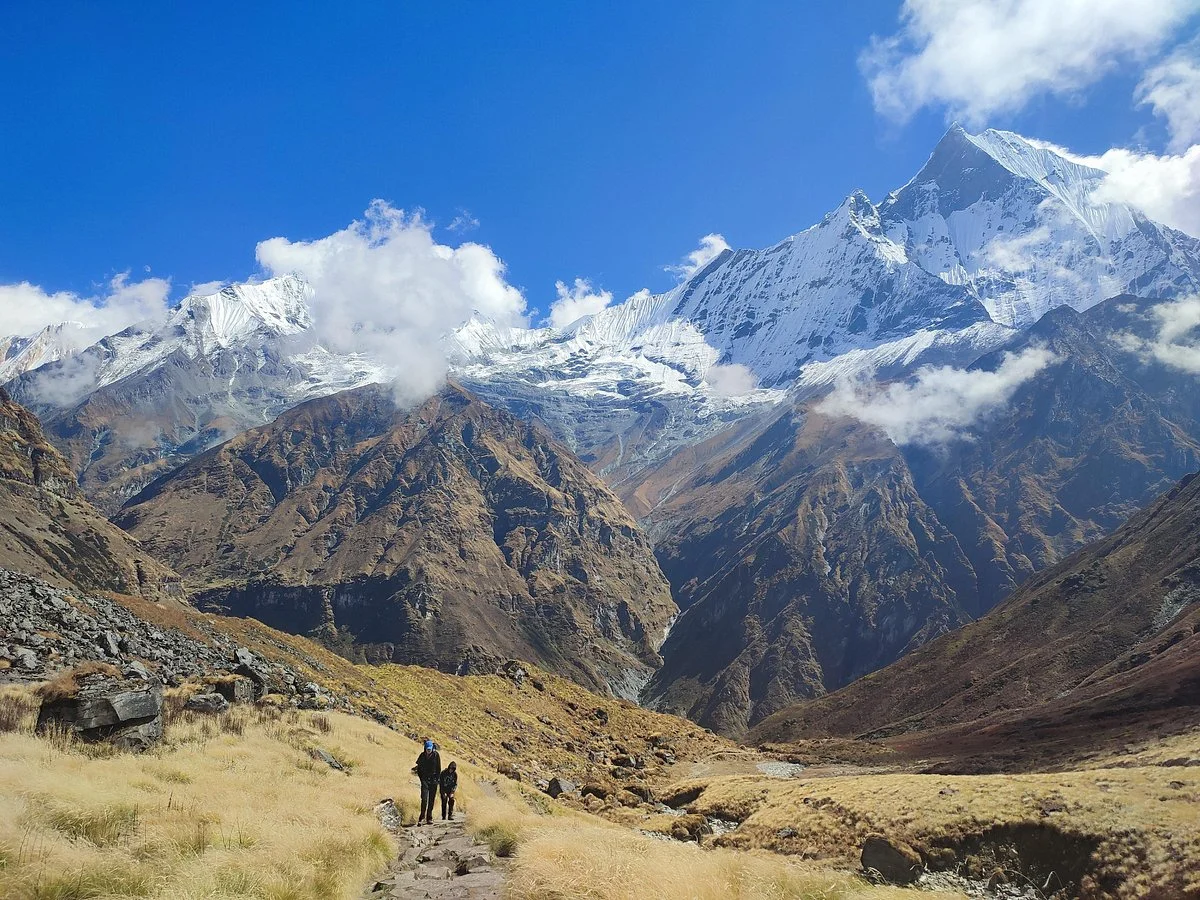
The Annapurna Base Camp trek specifically takes you deep into the Nepal Annapurna sanctuary, a natural amphitheater surrounded by towering peaks including Annapurna South, Hiunchuli, and the distinctive Machhapuchhre (Fishtail). This Annapurna hiking trail is more than a physical challenge-it’s a cultural immersion. You’ll pass through authentic Gurung villages like Ghandruk village Nepal, encounter Buddhist monasteries, and experience the legendary hospitality of mountain communities.
The Annapurna Himalaya Nepal region’s accessibility from Pokhara, combined with well-established teahouse infrastructure, makes this ABC trekking route ideal for both first-time Himalayan trekkers and experienced mountaineers seeking a shorter, high-altitude adventure.
Autumn: Best Trekking Window (September to November)
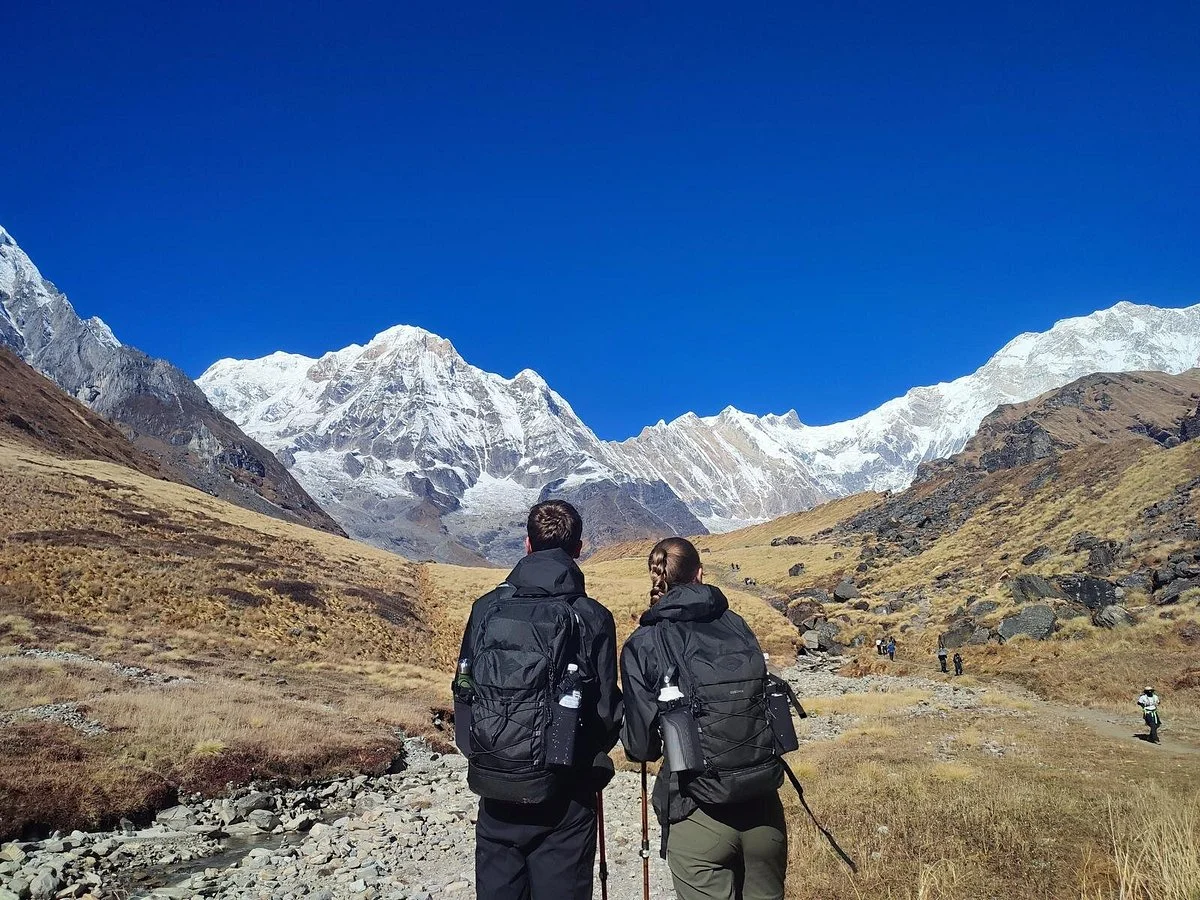
Autumn is the gold standard for the Annapurna Base Camp trek – and it’s not close. Post-monsoon skies clear dramatically, temperatures settle into a comfortable range, and the entire Annapurna region feels like it was built for trekking. If you want the full ABC experience with the least amount of compromise, this is your season.
Why Trek Annapurna Base Camp in Autumn
The conditions in autumn align perfectly for trekking. Skies are crystal clear, trails are dry, and the Annapurna mountain range reveals itself in full from multiple points along the route. Key advantages include:
- Visibility: Post-monsoon air is clean and sharp – mountain views are at their most dramatic
- Stable weather: Minimal rainfall and consistent temperatures make planning straightforward
- Dry trails: No monsoon mud, no winter ice – just clean, well-maintained paths
- Cultural bonus: Dashain and Tihar festivals fall within this window, adding a rich cultural layer to villages along the route
- Full teahouse services: Every lodge is open, stocked, and staffed
Month-by-Month Breakdown
September marks the transition out of monsoon. Early in the month, occasional showers are still possible, but by mid-September the skies stabilize and conditions improve rapidly. Trails are lush and green from the rains, waterfalls are still flowing, and crowds haven’t yet peaked – making it a quietly underrated time to trek.
October is the sweet spot. Weather is at its most reliable, visibility is exceptional, and temperatures across all elevations are comfortable for long trekking days. This is peak season for good reason – everything works in your favor.
November delivers equally spectacular views with noticeably colder nights, particularly above Machhapuchhre Base Camp. Daytime trekking remains comfortable with proper layering, and crowds begin thinning toward the end of the month – making late November an increasingly attractive window for those who want autumn conditions with fewer people.
Temperature Across the Route – Autumn
| Destination | Elevation | September (Day/Night) | October (Day/Night) | November (Day/Night) |
| Pokhara | 822m | 28°C / 20°C (82°F / 68°F) | 26°C / 16°C (79°F / 61°F) | 23°C / 12°C (73°F / 54°F) |
| Ghandruk | 1,940m | 20°C / 13°C (68°F / 55°F) | 17°C / 9°C (63°F / 48°F) | 14°C / 5°C (57°F / 41°F) |
| Chomrong | 2,170m | 17°C / 11°C (63°F / 52°F) | 14°C / 7°C (57°F / 45°F) | 11°C / 3°C (52°F / 37°F) |
| Dovan | 2,600m | 14°C / 9°C (57°F / 48°F) | 11°C / 5°C (52°F / 41°F) | 8°C / 1°C (46°F / 34°F) |
| Machhapuchhre Base Camp | 3,700m | 9°C / 3°C (48°F / 37°F) | 7°C / -2°C (45°F / 28°F) | 4°C / -7°C (39°F / 19°F) |
| Annapurna Base Camp | 4,130m | 7°C / 0°C (45°F / 32°F) | 5°C / -5°C (41°F / 23°F) | 2°C / -10°C (36°F / 14°F) |
October sits in the ideal range across every elevation – warm enough during the day to trek comfortably, cold enough at night to feel the altitude without being dangerous. November nights drop sharply above 3,700 meters, so a quality sleeping bag and proper layering become essential rather than optional.
Who Should Trek Annapurna Base Camp in Autumn
Autumn works for almost every type of trekker. It’s the most reliable choice for first-time high-altitude trekkers who want predictable conditions, photographers chasing clear mountain light, and groups or families where one bad weather day can derail an entire itinerary. Festival enthusiasts will also find October particularly rewarding as Dashain and Tihar bring villages to life along the route.
One Honest Consideration
Autumn is peak season, and the trail reflects that. Teahouses fill up fast, popular campsites get crowded, and the Annapurna Base Camp trek cost is at its highest during October. Book your ABC trek package at least 2 to 3 months in advance – last-minute availability in peak autumn is genuinely limited.
Spring: Second-Best Window (March to May)
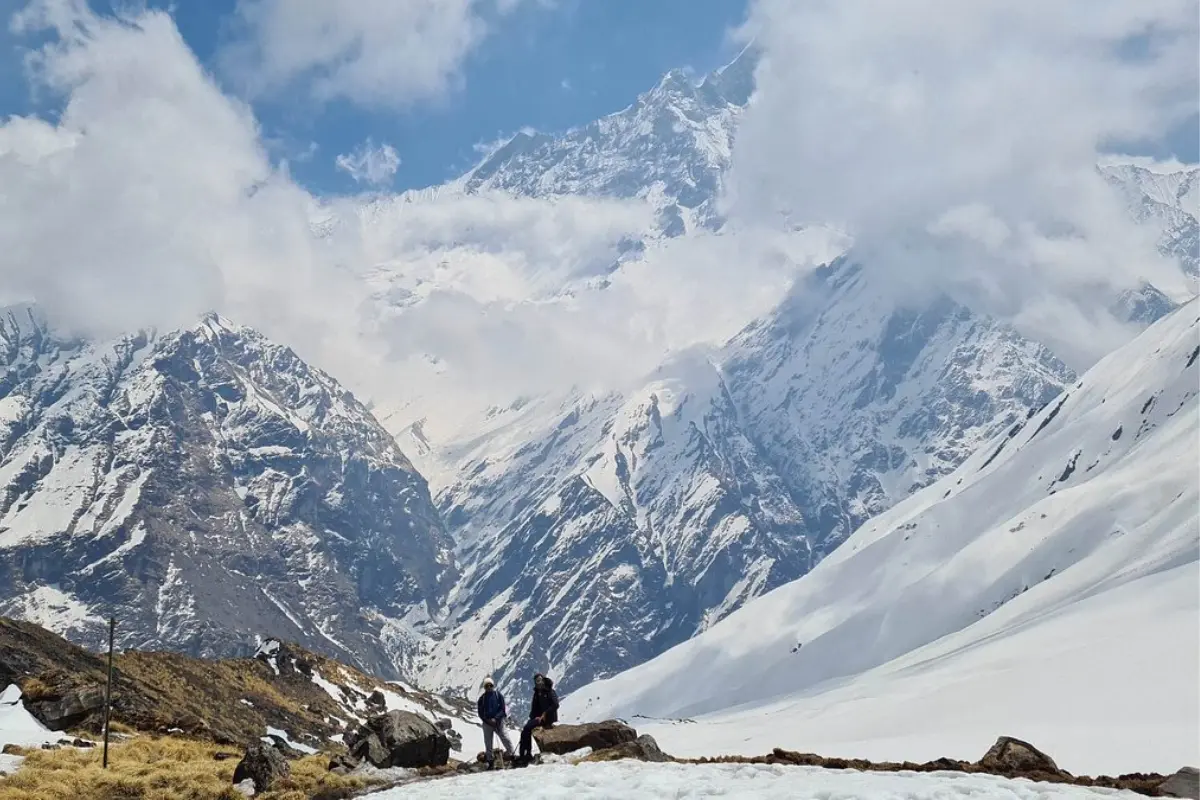
Spring transforms the Annapurna Base Camp trek into something visually unlike any other season. The mountain is still there, the trail is the same – but the forests are on fire with rhododendron blooms, the air is warming, and the days are long. It’s the second most popular window for the ABC trek, and for a certain type of trekker, it’s actually the favorite.
Why Trek Annapurna Base Camp in Spring
Where autumn gives you clarity, spring gives you color. Rhododendrons – Nepal’s national flower – blanket the hillsides in vivid reds, pinks, and whites, particularly through the forested sections between Ghorepani and Sinuwa. Skies are generally clear, especially in March and April, with mountain visibility that genuinely rivals autumn. Longer daylight hours mean more time on trail and better light for photography. Wildlife becomes active again after winter, and the overall atmosphere on the trail feels alive in a way that’s unique to this season. One honest caveat – pre-monsoon haze can occasionally soften distant mountain views compared to autumn’s razor-sharp clarity, particularly in May.
Month-by-Month Breakdown
March opens the spring window with cooler temperatures and snow still present above Deurali. It’s more demanding at higher elevations but dramatically scenic – and significantly quieter than April. A solid choice for experienced trekkers who want spring conditions without the crowds.
April is the sweet spot. Temperatures are balanced across all elevations, rhododendron blooms are at their peak, skies are clear, and the trail has a vibrant energy without feeling overcrowded. If you can only choose one month within the spring window, April is the answer.
May brings noticeably warmer temperatures, particularly at lower elevations where midday heat can make trekking feel heavy. Afternoon clouds begin building as the monsoon approaches, and visibility can be inconsistent later in the month. Still very doable but the earlier in May, the better.
Temperature in Annapurna Base Camp Trek in Spring (March–May) – Across the Route
| Destination | Elevation | March (Day/Night) | April (Day/Night) | May (Day/Night) |
| Pokhara | 822m | 24°C / 13°C (75°F / 55°F) | 27°C / 16°C (81°F / 61°F) | 29°C / 19°C (84°F / 66°F) |
| Ghandruk | 1,940m | 15°C / 6°C (59°F / 43°F) | 18°C / 9°C (64°F / 48°F) | 20°C / 12°C (68°F / 54°F) |
| Chomrong | 2,170m | 12°C / 4°C (54°F / 39°F) | 15°C / 7°C (59°F / 45°F) | 17°C / 10°C (63°F / 50°F) |
| Dovan | 2,600m | 10°C / 2°C (50°F / 36°F) | 13°C / 5°C (55°F / 41°F) | 15°C / 8°C (59°F / 46°F) |
| Machhapuchhre Base Camp | 3,700m | 6°C / -5°C (43°F / 23°F) | 9°C / -2°C (48°F / 28°F) | 11°C / 1°C (52°F / 34°F) |
| Annapurna Base Camp | 4,130m | 4°C / -8°C (39°F / 18°F) | 7°C / -4°C (45°F / 25°F) | 10°C / -1°C (50°F / 30°F) |
March nights at Annapurna Base Camp drop to -8° C. A four-season sleeping bag and quality down jacket are essential, not optional. April brings the most comfortable balance across the entire route, with pleasant daytime trekking even at higher elevations. By May, lower sections can feel genuinely hot at midday while the high camps remain cool – a layering system becomes more important than ever as the temperature swings widen.
Who Should Trek Annapurna Base Camp in Spring
Spring is the natural home of nature lovers, wildlife enthusiasts, and photographers who want colorful foreground landscapes against snowcapped peaks. It also suits trekkers who prefer warmer temperatures at altitude, those looking for a slightly less crowded experience than October and November, and flexible schedulers who can adjust their day around occasional afternoon cloud build-up.
Winter: Off-Season Challenge (December to February)
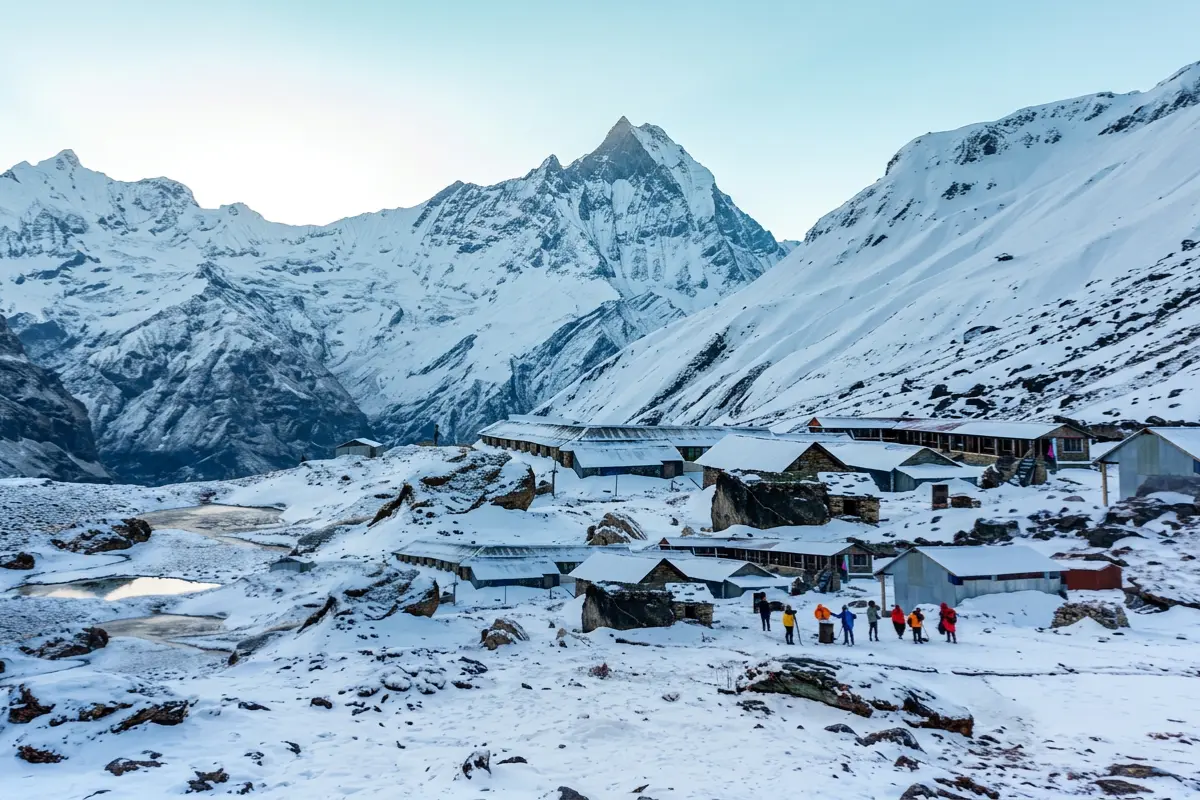
Winter doesn’t soften the Annapurna Base Camp trek – it amplifies it. The same trail that welcomes thousands in October becomes a snow-covered, near-silent test of preparation and cold tolerance. For the right trekker, that’s the entire appeal. For the wrong one, it’s a serious risk.
Can You Trek Annapurna Base Camp in Winter?
Yes – but conditions are unforgiving. Above 3,000 meters, heavy snowfall makes trails difficult to follow and some sections genuinely dangerous without an experienced guide. Temperatures at Annapurna Base Camp plunge to -18°C at night in January, and wind chill pushes the felt temperature well below that. Daylight hours are short, limiting daily trekking distance, and some teahouses in lower-traffic sections close entirely for the season.
Guide: An experienced ABC trek guide is not optional in winter. Navigation on snow-covered trails and real-time safety decisions require someone who knows these mountains in these exact conditions.
Month-by-Month Breakdown
December opens the winter window with heavy snow already established above 3,000 meters. Temperatures are extreme at higher elevations but marginally more forgiving than January. Teahouses are generally still open, making it the most accessible month within the winter window for prepared trekkers.
January is the hardest month on the entire ABC trek calendar. Night temperatures at Annapurna Base Camp hit -18°C, wind chill drives the felt temperature far lower, and some trail sections can be genuinely impassable after fresh snowfall. It’s the most demanding and most rewarding month in equal measure – but only for trekkers who are truly prepared.
February brings a gradual easing of the harshest conditions. Days grow slightly longer, temperatures begin their slow climb, and the trail starts its transition toward spring. Snow remains heavy above Deurali, but February trekkers often catch the best of both worlds – winter solitude with slightly more manageable conditions than January.
Temperature in Annapurna Base Camp Trek in Winter (December–February)
| Destination | Elevation | December (Day/Night) | January (Day/Night) | February (Day/Night) |
| Pokhara | 822m | 19°C / 8°C (66°F / 46°F) | 17°C / 6°C (63°F / 43°F) | 19°C / 8°C (66°F / 46°F) |
| Ghandruk | 1,940m | 11°C / 2°C (52°F / 36°F) | 9°C / 0°C (48°F / 32°F) | 11°C / 2°C (52°F / 36°F) |
| Chomrong | 2,170m | 8°C / 0°C (46°F / 32°F) | 6°C / -2°C (43°F / 28°F) | 8°C / 0°C (46°F / 32°F) |
| Dovan | 2,600m | 5°C / -3°C (41°F / 27°F) | 3°C / -5°C (37°F / 23°F) | 5°C / -3°C (41°F / 27°F) |
| Machhapuchhre Base Camp | 3,700m | 0°C / -12°C (32°F / 10°F) | -2°C / -15°C (28°F / 5°F) | 0°C / -12°C (32°F / 10°F) |
| Annapurna Base Camp | 4,130m | -2°C / -15°C (28°F / 5°F) | -4°C / -18°C (25°F / 0°F) | -2°C / -15°C (28°F / 5°F) |
What often surprises winter trekkers is how pleasant lower elevations can be during the day. Villages like Ghandruk see comfortable daytime temperatures when the sun is out – but the temperature drop after sunset is dramatic and fast. Never let a warm afternoon at lower elevation create false confidence about what awaits above.
Practical Tips for Winter Trekking
Start each trekking day early to maximize the limited daylight window. Confirm teahouse availability along your planned route before setting out, keep buffer days in your itinerary for weather disruptions, and stay in close communication with your guide about snowpack and trail conditions above Deurali. Travel insurance covering weather delays and emergency helicopter evacuation is essential. Consult a reputable local agency well before your departure – current on-the-ground conditions matter more in winter than in any other season.
Monsoon Season: Off-Season Trekking Window (June to August)
Monsoon is the most challenging – and most misunderstood – season for the Annapurna Base Camp trek. Heavy rainfall, slippery trails, and limited mountain visibility make it the least popular window of the year. But for the right trekker, it offers a side of the Annapurna region that no other season can.
What Makes Monsoon Trekking Difficult
Daily downpours are the norm, typically hitting hardest in the afternoon and evening. Lower forested sections below 2,500 meters bear the brunt of the rainfall, turning trails muddy and slippery and raising genuine injury risk. Key challenges to factor into your planning:
- Leeches: Abundant throughout forested sections – leech socks and salt are essential below 2,500 meters
- Landslide risk: Certain trail sections become genuinely dangerous after heavy rain, and bridges or paths can wash out entirely
- Visibility: Cloud coverage consistently obscures views of the Annapurna mountain range – clear summit views are rare
- Humidity: Makes trekking at lower elevations physically uncomfortable in a way that temperature alone doesn’t capture
Month-by-Month Breakdown
June marks the monsoon’s arrival and is often the most intense month for rainfall. Trails are at their slipperiest, leeches are most active, and river crossings can be challenging after heavy rain. That said, the landscape transforms dramatically – waterfalls appear everywhere and the forests turn a vivid, almost electric green.
July sits at the heart of monsoon and brings the heaviest sustained rainfall of the season. Visibility at higher elevations is at its lowest and itinerary flexibility becomes critical. Trekkers who go in July tend to be experienced, deliberate, and genuinely unbothered by rain – and they often describe the trail as hauntingly beautiful in its emptiness.
August sees the monsoon begin its slow retreat. Rainfall remains significant but starts to ease toward the end of the month, and late August can occasionally surprise with clearer windows than expected – making it arguably the most underrated month in the entire monsoon window.
Temperature in Annapurna Base Camp Trek in Monsoon (June–August)
| Destination | Elevation | June (Day/Night) | July (Day/Night) | August (Day/Night) |
| Pokhara | 822m | 30°C / 21°C (86°F / 70°F) | 29°C / 22°C (84°F / 72°F) | 29°C / 22°C (84°F / 72°F) |
| Ghandruk | 1,940m | 22°C / 15°C (72°F / 59°F) | 21°C / 16°C (70°F / 61°F) | 21°C / 16°C (70°F / 61°F) |
| Chomrong | 2,170m | 19°C / 13°C (66°F / 55°F) | 18°C / 14°C (64°F / 57°F) | 18°C / 14°C (64°F / 57°F) |
| Dovan | 2,600m | 16°C / 11°C (61°F / 52°F) | 15°C / 12°C (59°F / 54°F) | 15°C / 12°C (59°F / 54°F) |
| Machhapuchhre Base Camp | 3,700m | 12°C / 4°C (54°F / 39°F) | 11°C / 5°C (52°F / 41°F) | 11°C / 5°C (52°F / 41°F) |
| Annapurna Base Camp | 4,130m | 10°C / 2°C (50°F / 36°F) | 9°C / 3°C (48°F / 37°F) | 9°C / 3°C (48°F / 37°F) |
Monsoon temperatures look deceptively comfortable on paper. High humidity at lower elevations makes the heat feel significantly more intense than the numbers suggest, and wet clothing in 15°C conditions feels far colder than dry conditions at the same temperature. Above 3,500 meters, the real variable is precipitation and cloud cover – not heat or cold. Maintaining dry gear is the primary concern, making quality waterproof layers and pack protection far more important than heavy insulation.
Who Should Trek Annapurna Base Camp in Monsoon
Monsoon suits trekkers who are experienced with unpredictable conditions, flexible enough to accept weather-dependent itinerary changes, and honest about trading mountain views for solitude and significant savings. It works best for budget travelers seeking the lowest Annapurna Base Camp trek cost of the year, solitude seekers who want the trail entirely to themselves, botanical enthusiasts drawn to monsoon flora and waterfall scenery, and last-minute planners when peak season dates are already fully booked.
One Final Reality Check
Expect rain every day, accept that summit views will be limited, and shift your focus to the journey rather than the destination panorama. If sweeping views of the Annapurna sanctuary are your primary motivation, choose autumn or spring. But if you want an experience most trekkers never have – monsoon delivers exactly that.
Which Season Fits You Best?
The Annapurna Base Camp trek looks completely different depending on when you walk it. Same trail, same mountain – but an entirely different experience. Rather than telling you which season is “best,” here’s the honest truth about what each one actually gives you.
Chase the views, pick Autumn or Spring. October skies over the Annapurna sanctuary are the stuff of screensavers – razor-sharp peaks, golden morning light on Machapuchare, and visibility that stretches forever. Spring matches it with a twist: rhododendrons blazing red and pink across the hillsides with snowcapped summits rising behind them. If the panorama is the point, these two seasons deliver it best.
Crave silence, go in Winter or Monsoon. There’s a version of the ABC trek where you walk for hours without passing another soul, where teahouse owners actually sit and talk with you, where the trail feels like it belongs entirely to you. That version exists in December and in July. The price is cold or rain – but the solitude is real and rare.
Love warmth and long days, Spring or early Monsoon is your window. You’ll hike in lighter layers, daylight stretches well into the evening, and the air at lower elevations is genuinely comfortable. Spring in particular hits a sweet spot where the temperature feels just right for big mileage days.
Here for the flowers, there’s only one answer – April. The rhododendron forests between Ghorepani and Sinuwa transform into something that doesn’t look real. Every turn in the trail reveals another burst of color against a backdrop of white peaks. Photographers and nature lovers consistently call April their favorite month on any trek in Nepal.
Watching your budget, Monsoon is your season. Accommodation is negotiable, ABC trek package costs drop significantly, flights are cheaper, and teahouses that are fully booked in October are half-empty in July. If you’re flexible and experienced, monsoon stretches your money further than any other window.
Want culture alongside the mountains, Autumn is unmatched. Dashain and Tihar Nepal’s biggest festivals fall right in the heart of trekking season. Village energy is high, locals are celebrating, and the cultural richness you encounter on the trail adds a dimension to the journey that no other season offers.
Need the mountain to yourself in the snow, Winter is waiting. Frozen trails, hushed forests, and a stillness in the high camps that feels almost sacred. Winter trekkers tend to describe their experience differently from everyone else, less about the destination, more about what the silence does to you. Just come fully prepared, because the mountain won’t make exceptions.
Quick Comparison
| Season | Best For | Crowd Level | Cost | Challenge |
| Autumn (Sep–Nov) | Views, culture, first-timers | High | Peak | Moderate |
| Spring (Mar–May) | Flowers, photography, nature | Moderate | Peak | Moderate |
| Winter (Dec–Feb) | Solitude, snow, experienced trekkers | Very Low | Lowest | High |
| Monsoon (Jun–Aug) | Budget travelers, flexibility | Very Low | Lowest | High |
Still deciding? Ask yourself one question, what do you want to remember most about this trek? The answer will point you to your season.
How Does Weather Affect the Annapurna Base Camp Trek Itinerary?
Weather is the single biggest variable on any Annapurna Base Camp trek – shaping everything from your daily start time to your total trip duration. Understanding how conditions change by season, elevation, and time of day helps you build a realistic ABC trek itinerary that actually holds up on the trail.
Temperature Variations by Elevation
The Annapurna Base Camp trail climbs 3,308 meters from Pokhara to ABC, creating dramatically different temperature zones that affect how you plan each day. Here’s what to expect at key stops:
At Ghandruk (1,940m), mornings are cool and pleasant for starting out, afternoons can warm significantly in spring and monsoon, and nights remain comfortable in teahouses with basic heating. At Chomrong (2,170m), crisp morning air encourages early departures, midday sun makes layering essential, and temperatures drop noticeably after 4 PM regardless of season.
Higher up, conditions become more demanding. Machhapuchhre Base Camp (3,700m) sits below freezing most mornings across all seasons, and nights require a quality sleeping bag rated to at least -15°C. At Annapurna Base Camp (4,130m) itself, pre-dawn temperatures are the coldest of the entire trek, direct midday sun on the amphitheater floor creates surprisingly warm pockets, and temperatures plunge rapidly the moment the sun drops behind the peaks.
Most experienced ABC trek guides recommend leaving by 6:30 to 7:30 AM daily – early starts mean clearer mountain views before afternoon clouds develop, more stable trail conditions, and in monsoon, reaching higher ground before the afternoon rain sets in.
Seasonal Impact on Trek Duration
The standard Annapurna Base Camp trek itinerary runs 7 to 12 days, but actual duration depends heavily on the season you choose:
| Season | Typical Duration | Schedule Reliability | Buffer Days Needed |
| Autumn (Sep–Nov) | 7–10 days | 95%+ on time | 1 day |
| Spring (Mar–May) | 7–10 days | 85–90% on time | 1–2 days |
| Winter (Dec–Feb) | 8–12 days | 70–80% on time | 2–3 days |
| Monsoon (Jun–Aug) | 8–12 days | 50–60% on time | 3–4 days |
Weather delays on the ABC trek typically stem from four causes: Pokhara-Kathmandu flight cancellations due to poor visibility, snow or landslides blocking trail sections, dangerous whiteout or fog conditions at higher elevations, and storm-stranded trekkers filling teahouses to capacity. Planning around these possibilities – rather than hoping they won’t happen – is what separates a smooth trek from a stressful one.
Sunrise and Sunset Timing at Annapurna Base Camp
The Annapurna sanctuary amphitheater creates extraordinary lighting conditions – but only if you time your arrival correctly:
| Season | Sunrise at ABC | Sunset at ABC |
| Oct–Nov | 6:15–6:30 AM | 5:00–5:15 PM |
| Dec–Jan | 6:45–7:00 AM | 4:45–5:00 PM |
| Mar–Apr | 5:45–6:00 AM | 6:00–6:15 PM |
| May–Aug | 5:30–5:45 AM | 6:30–6:45 PM |
Most trekkers arrive at Annapurna Base Camp in the afternoon and miss the single best moment of the entire trek – dawn light on the surrounding peaks. If your schedule and budget allow, spending two nights at ABC during peak season gives you the best chance of capturing both sunrise and sunset in optimal conditions. Machhapuchhre Base Camp also offers outstanding photography opportunities, particularly in afternoon light when Fishtail Mountain catches the last of the day’s sun.
The One Itinerary Rule That Applies to Every Season
Never book a fixed international flight within 48 hours of completing your Annapurna Base Camp trek. Weather delays, trail conditions, and physical recovery are all unpredictable enough that a same-day or next-day departure is a genuine risk in any season. Build a recovery day in Pokhara into every itinerary, carry extra cash for unexpected teahouse nights, and take out travel insurance that explicitly covers weather-related delays and emergency helicopter evacuation.
Recommended Gear and Equipment for the ABC Trek
Proper equipment is essential for safe and comfortable Annapurna base camp trekking, with seasonal variations requiring different gear priorities.
Essential gear for all seasons:
Footwear:
- Quality trekking boots (broken in before departure)
- Camp shoes/sandals for teahouse evenings
- Moisture-wicking hiking socks (4-5 pairs)
- Gaiters (particularly useful in snow/rain)
Clothing – Layering System:
- Base layers: Merino wool or synthetic (2-3 sets)
- Insulation: Fleece or down mid-layer
- Outer shell: Waterproof, breathable jacket
- Trekking pants (quick-dry)
- Waterproof pants (essential for monsoon, useful for all seasons)
- Down jacket (compulsory for altitude of Annapurna base camp)
- Warm hat, sun hat
- Gloves (liner gloves + insulated mittens for higher elevations)
Sleeping:
- Sleeping bag rated to -10°C minimum (autumn/spring)
- Sleeping bag rated to -20°C (winter)
- Sleeping bag liner (adds warmth, improves hygiene)
Accessories:
- Trekking poles (highly recommended for knee protection)
- Headlamp with extra batteries
- Sunglasses (UV protection essential at altitude)
- Sunscreen (SPF 50+) and lip balm
- Water bottles or hydration system (2-3 liters capacity)
- Water purification (tablets or filter)
Personal items:
- First aid kit (including altitude sickness medication)
- Toiletries (biodegradable soap)
- Quick-dry towel
- Camera and extra batteries (cold drains batteries faster)
Seasonal variations:
Spring/Autumn additions:
- Lighter sleeping bag acceptable (-10°C rating)
- Standard trekking boots sufficient
- One waterproof layer usually adequate
Winter-specific gear:
- Expedition-grade sleeping bag (-20 to -25°C)
- Insulated, waterproof boots
- Additional warm layers (thermal underwear, heavy fleece)
- Face mask or balaclava for wind protection
- Hand and toe warmers
- Thermos for hot drinks during breaks
Monsoon-specific gear:
- Premium waterproof jacket and pants
- Pack rain cover or dry bags for gear protection
- Extra pairs of socks (for when others are wet)
- Leech socks or salt for lower elevations
- Waterproof gloves
- Quick-dry clothing exclusively
Rental vs. purchase:
For your ABC trek Nepal, many items can be rented in Pokhara or Kathmandu:
- Sleeping bags: $1-2 per day (quality varies)
- Down jackets: $1-2 per day
- Trekking poles: $0.50-1 per day
- Backpacks: $1-2 per day
Quality may be lower than personal gear, but rental significantly reduces the Annapurna base camp trek cost and luggage requirements for international travelers.
Packing tip:Consult your ABC trek guide or Annapurna trek agency for specific gear recommendations based on your trekking dates and current seasonal conditions.
Popular Annapurna Base Camp Trek Routes
The Annapurna region offers multiple trekking routes to suit every schedule, budget, and experience level. Here’s a quick breakdown of the most popular options.
1. Annapurna Base Camp Trek
Route: Pokhara → Jhinu Danda → Chomrong → Deurali → ABC → Return Duration: 5 Days
A fast-paced yet rewarding trek designed for those with limited time but a big ambition. This express route takes you directly to the iconic Annapurna Base Camp (4,130m), bypassing longer village stops while still delivering breathtaking views of Annapurna I, Machapuchare, and Hiunchuli. Ideal for fit trekkers who want the full ABC experience in a compact itinerary.
Best for: Busy travelers and experienced trekkers with limited vacation days.
2. Mardi Himal Trek
Route: Kande → Australian Camp → Forest Camp → High Camp → Mardi Himal Base Camp → Return Duration: 5 Days
A quieter, budget-friendly alternative in the Annapurna region with close-up views of Machhapuchhre’s northeast face and uncrowded ridge walking. The shorter duration makes it perfect for those seeking a genuine Himalayan experience without committing to a longer trek.
Best for: Budget travelers and trekkers seeking a peaceful, crowd-free Himalayan adventure.
3. Mardi Himal And Annapurna Base Camp Trek
Route: Pokhara → Kande → Mardi Himal Base Camp → Chomrong → Dovan → ABC → Return Duration: 11 Days
The best of both worlds, this combined trek covers both the serene Mardi Himal ridge and the iconic Annapurna Base Camp sanctuary. Trekkers enjoy uncrowded high-altitude ridge walks followed by the dramatic amphitheater of the Annapurna massif, offering two distinct Himalayan experiences in a single journey.
Best for: Trekkers who want maximum value and variety from their Annapurna adventure.
4. Annapurna Sanctuary Trek
Route: Pokhara → Nayapul → Ghandruk → Chomrong → Deurali → MBC → ABC → Return Duration: 10 Days
A well-paced 2026-updated itinerary through the heart of the Annapurna Sanctuary. This route allows ample time to acclimatize, explore Gurung villages, and soak in the stunning scenery of the Modi Khola gorge before arriving at the glacial amphitheater surrounded by 7,000m+ peaks. The extra days allow for a more relaxed, enjoyable pace.
Best for: Trekkers who want a comfortable, well-acclimatized ABC experience in 2026.
5. Annapurna Circuit Trek 12 Days
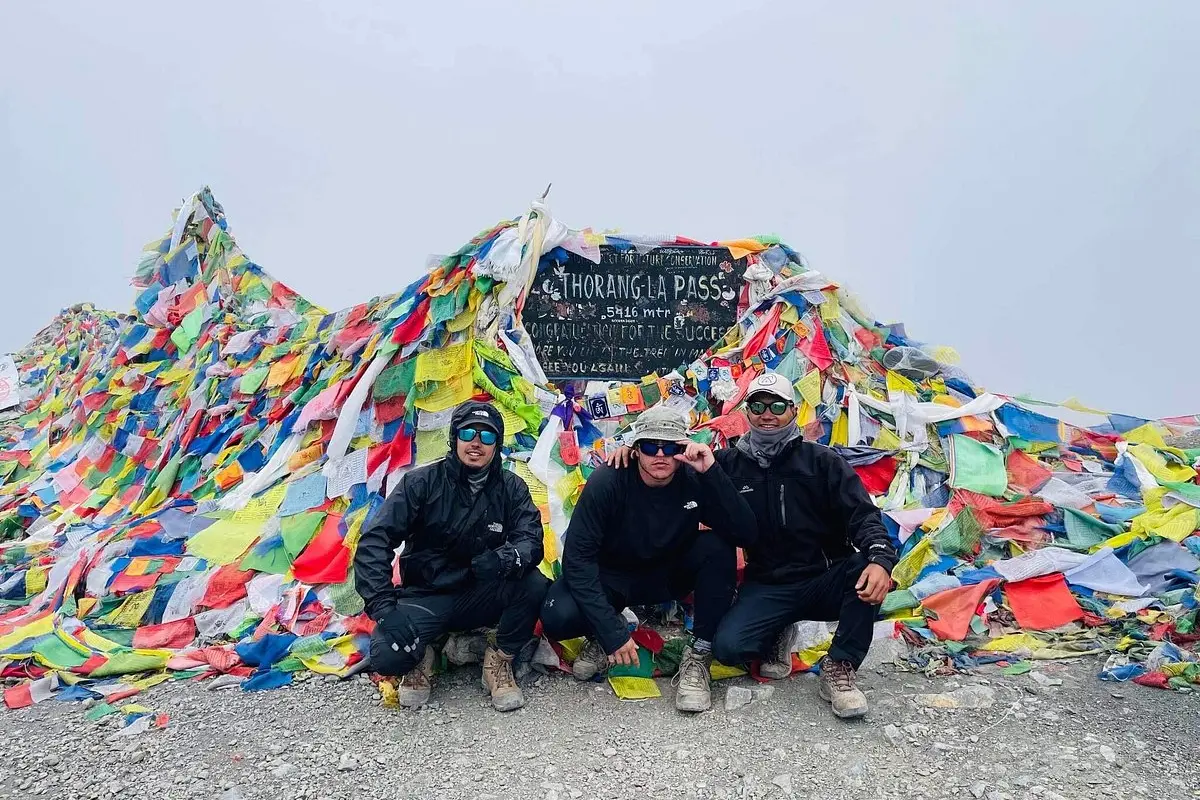
Route: Besisahar → Manang → Thorong La Pass (5,416m) → Muktinath → Jomsom → Pokhara Duration: 12 Days
A condensed version of the legendary Annapurna Circuit, circumnavigating the entire Annapurna range and crossing one of the world’s highest trekking passes at Thorong La (5,416m). This fast-paced itinerary covers diverse landscapes from subtropical valleys to high-altitude deserts in under two weeks.
Best for: Experienced trekkers with good fitness who want the full circuit in minimal time.
6. Annapurna Sanctuary Trek (ABC Trek)
Route: Pokhara → Nayapul → Ghandruk → Chomrong → Dovan → Deurali → MBC → ABC → Return Duration: 11 Days
The classic and most beloved route into the Annapurna Sanctuary, passing through traditional Gurung villages, dense rhododendron forests, and the dramatic Modi Khola gorge. The trail culminates at the breathtaking Annapurna Base Camp amphitheater surrounded on all sides by towering Himalayan giants. A truly unforgettable journey for any trekker.
Best for: First-time Himalayan trekkers and those seeking the quintessential ABC experience.
7. Poon Hill Trek
Route: Pokhara → Nayapul → Tikhedhunga → Ghorepani → Poon Hill → Tadapani → Ghandruk → Nayapul Duration: 4 Days
The perfect short trek for first-timers, families, and those short on time. The Poon Hill sunrise viewpoint (3,210m) delivers one of the most spectacular panoramic Himalayan views in the world including Dhaulagiri, Annapurna South, and Machhapuchhre all in just four days. The trail passes through picturesque Magar and Gurung villages with warm teahouse hospitality throughout.
Best for: Beginners, families, and travelers wanting a quick but stunning Himalayan introduction
Not sure which route fits your schedule and experience? Consult a certified Annapurna trek agency to build a custom itinerary that matches your goals.
Expert Tips for Planning Your Annapurna Base Camp Trek
Good trekking is 80% planning. The Annapurna Base Camp trek rewards trekkers who book smart, acclimatize properly, and sort their paperwork before they land in Kathmandu. Here’s everything you need to know.
Book at the Right Time
Peak season (October, November, March, April) fills up fast. The best ABC trek guides and packages get booked 3 to 6 months out. Simple rule: lock in your agency first, then book flights.
Shoulder months (September, May, late November) need 1 to 2 months advance notice. Off-season (December–February, June–August) is genuinely last-minute friendly – guides are available, teahouses are empty, and ABC trek costs are at their lowest and negotiable on the spot.
Don’t Rush the Altitude
Annapurna Base Camp sits at 4,130 meters. How fast you climb matters more than how fit you are. Above 3,000 meters, gain no more than 500 meters per day. Build an acclimatization stop at Machhapuchhre Base Camp (3,700m) before pushing to ABC – skipping this is the most common mistake trekkers make.
The 9 to 10 day itinerary exists for a reason. The 7-day version is riskier and only suits trekkers with previous high-altitude experience. Winter trekkers should add an extra day above 3,000 meters – cold dry air makes the altitude hit harder.
Four rules that apply to every season: drink 3 to 4 liters of water daily, avoid alcohol above 3,000 meters, carry Diamox after consulting your doctor, and descend immediately if severe symptoms appear.
Permits You Can’t Skip
Every trekker entering the Annapurna region must carry valid permits before stepping on the trail. Here’s what you need in 2026:
| Permit | Cost (Foreign) | Cost (SAARC) | Official Website | Where to Get |
| TIMS Card | NPR 2,000 (~$15) | NPR 1,000 | tims.ntb.gov.np | Via registered trekking agency only |
| ACAP Permit | NPR 3,000 (~$23) | NPR 1,000 | epermit.ntnc.org.np | NTNC offices in Kathmandu or Pokhara |
2026 Important Update: As of April 2023, TIMS cards are no longer actively enforced at Annapurna trail checkpoints; only the ACAP Permit is strictly checked. However, your trekking agency may still process both, so confirm current requirements before departure.
What you need to bring: Passport (original), two passport-size photos, and proof of travel insurance. Cash onlymost permit offices accept Nepalese Rupees only, so exchange money in Kathmandu or Pokhara beforehand.
Pro Tips:
- Book permits through your registered Annapurna trek agency during peak season (Oct–Nov, Mar–Apr) to avoid long queues
- Off-season, same-day processing is straightforward at most offices
- Photograph both permits and save digital copies to your email or cloud storage checkpoints appear at multiple points along the trail, and replacing a lost permit mid-trek is a serious headache
- Children under 10 years of age are exempt from the ACAP permit fee
A Few Logistics That Matter in ABC Trek
Withdraw cash in Pokhara – it’s the last ATM you’ll see. Higher teahouses charge more and don’t take cards. WiFi costs $3 to $5 per day at most lodges. Mobile signal reaches roughly Dovan (2,600m), after which your guide’s satellite phone is the only line out.
First-time trekkers are better off with an agency – permits, lodge bookings, and emergency support are all handled. Experienced trekkers can go independent and save 30 to 40% on overall Annapurna Base Camp trek cost. Whatever you choose, don’t skip a guide above Deurali in winter or monsoon. Those sections genuinely require someone who knows the mountain.
Conclusion
The Annapurna Base Camp trek is more than just a hike, it’s a journey that stays with you long after you return home. Whether you’re a first-time trekker chasing your first Himalayan sunrise or a seasoned adventurer seeking a new challenge, the Annapurna region has a route, a season, and a pace that’s made for you.
Timing your trek wisely makes all the difference. Choose October–November for crystal-clear skies and postcard-perfect mountain views. Plan for March–April if you want the trails lined with blooming rhododendrons and a splash of color at every turn. Opt for winter if raw solitude and dramatic snow-dusted landscapes appeal to you. And if you’re traveling on a budget, the monsoon season offers empty trails and significantly lower costs for the bold and well-prepared.
No matter which season you choose, a few essentials remain non-negotiable: acclimatize properly, pack season-appropriate gear, secure your TIMS and ACAP permits well before departure, and always build buffer days into your itinerary. The mountains run on their own schedule, and flexibility is your greatest asset.
If the Annapurna region has captured your imagination and you’re considering a longer, more immersive Himalayan experience, the Annapurna Circuit is a natural next step. It circumnavigates the entire Annapurna massif, crossing the legendary Thorong La Pass at 5,416m, a truly epic adventure. You can explore the full route breakdown, best seasons, permits, and day-by-day itinerary in this comprehensive Annapurna Circuit Trek Guide to help you plan with confidence.
The Annapurna Sanctuary at 4,130 meters is one of the most breathtaking places on Earth, an amphitheater of giants that humbles and inspires in equal measure. With the right preparation, the right season, and the right mindset, it is absolutely within your reach.
Your Himalayan adventure starts with a single step. Make it count.
Frequently Asked Questions
What is the best time for the Annapurna Base Camp Trek?
October and November (autumn) offer the most reliable conditions: clear skies, dry trails, and stunning mountain views. March and April (spring) are a close second, with rhododendron blooms adding dramatic color to the route.
What is the temperature at Annapurna Base Camp during autumn?
Daytime temperatures at ABC (4,130m) range from 2°C to 7°C in October–November. Nights drop to -5°C to -10°C, making a quality sleeping bag rated to at least -15°C essential.
Is spring a good time for the Annapurna Base Camp Trek?
Yes. Spring (March–May) is the second-best season. April is the sweet spot: comfortable temperatures, clear morning skies, and peak rhododendron blooms make it a favorite for photographers and nature lovers.
Can you trek to Annapurna Base Camp in winter?
Yes, but it’s challenging. Trails above 3,000m are snow-covered, temperatures at ABC drop to -18°C at night, and some teahouses close. An experienced guide and expedition-grade gear are non-negotiable. The reward is complete solitude and dramatic snow-covered mountain views.
Is it safe to trek to Annapurna Base Camp during the monsoon season?
It’s possible but demands caution. Heavy rainfall creates slippery trails, landslide risk, and limited mountain visibility. An experienced guide, premium waterproof gear, and a flexible itinerary are essential. Best suited for experienced trekkers comfortable with unpredictable conditions.
Which is the best month for the Annapurna Base Camp Trek?
October is the single best month post-monsoon skies are crystal clear, temperatures are comfortable at all elevations, and the entire Annapurna sanctuary is at its most spectacular.
When is the Annapurna Base Camp Trek most crowded?
Peak crowds fall in October and April. Teahouses fill quickly and advance booking (2–3 months ahead) is strongly recommended. For fewer crowds, consider November, March, or early September.
What is the shortest route for the Annapurna Base Camp Trek?
The Classic ABC Trek via Nayapul → Ghandruk → Chomrong → ABC can be completed in 7 days. For the fastest option, the helicopter short trek reduces the journey to just 3–5 days.
What festivals can I experience during the Annapurna Base Camp Trek in autumn?
Dashain (October) and Tihar (October–November) Nepal’s two biggest festivals fall right within peak trekking season. Villages along the route come alive with celebrations, music, and local traditions, adding a rich cultural dimension to the trek.
How do seasons affect acclimatization on the Annapurna Base Camp Trek?
Autumn and spring offer the most forgiving acclimatization conditions. Winter’s cold dry air makes altitude hit harder, requiring an extra acclimatization day above 3,000m. Monsoon humidity affects breathing comfort at lower elevations. Regardless of season, never gain more than 500 meters per day above 3,000m and always include an acclimatization stop at Machhapuchhre Base Camp (3,700m).
0 Comment