


Thinking about trekking in Nepal? Great call. Whether you’ve done high-altitude hikes before or this is your first time, Nepal has fun and rewarding options across the country and yes, that includes some of the world’s best mountain views.
Nepal is a top trekking destination, especially in the Himalayas, but the terrain can be rugged. Knowing your choices clearly before you book makes a big difference. This guide covers the essentials: when to go, where to trek, how to plan, and what to pack.
The route overviews below are brief and meant to inspire, not to replace proper maps or a local guide. If you plan to walk any of these trails safely, you’ll need more detailed planning and on-the-ground support.
Please note: 2026 Nepal trekking update
In 2026, Nepal updated several trekking procedures, particularly for restricted-area permits. Solo foreign travellers may now be eligible to obtain a Restricted Area Permit in their own name, but they must still arrange the permit through a registered trekking agency and trek with a licensed guide. Electronic permit processing and QR-based verification may also apply on selected routes.
TIMS cards, national park permits, conservation-area permits, local entry fees, and guide requirements vary according to the trekking region. Always confirm the latest rules, fees, and required documents with the Nepal Tourism Board, Department of Immigration, or a registered Nepal trekking agency before departure.
What Makes Nepal Perfect for First-Time Trekkers?
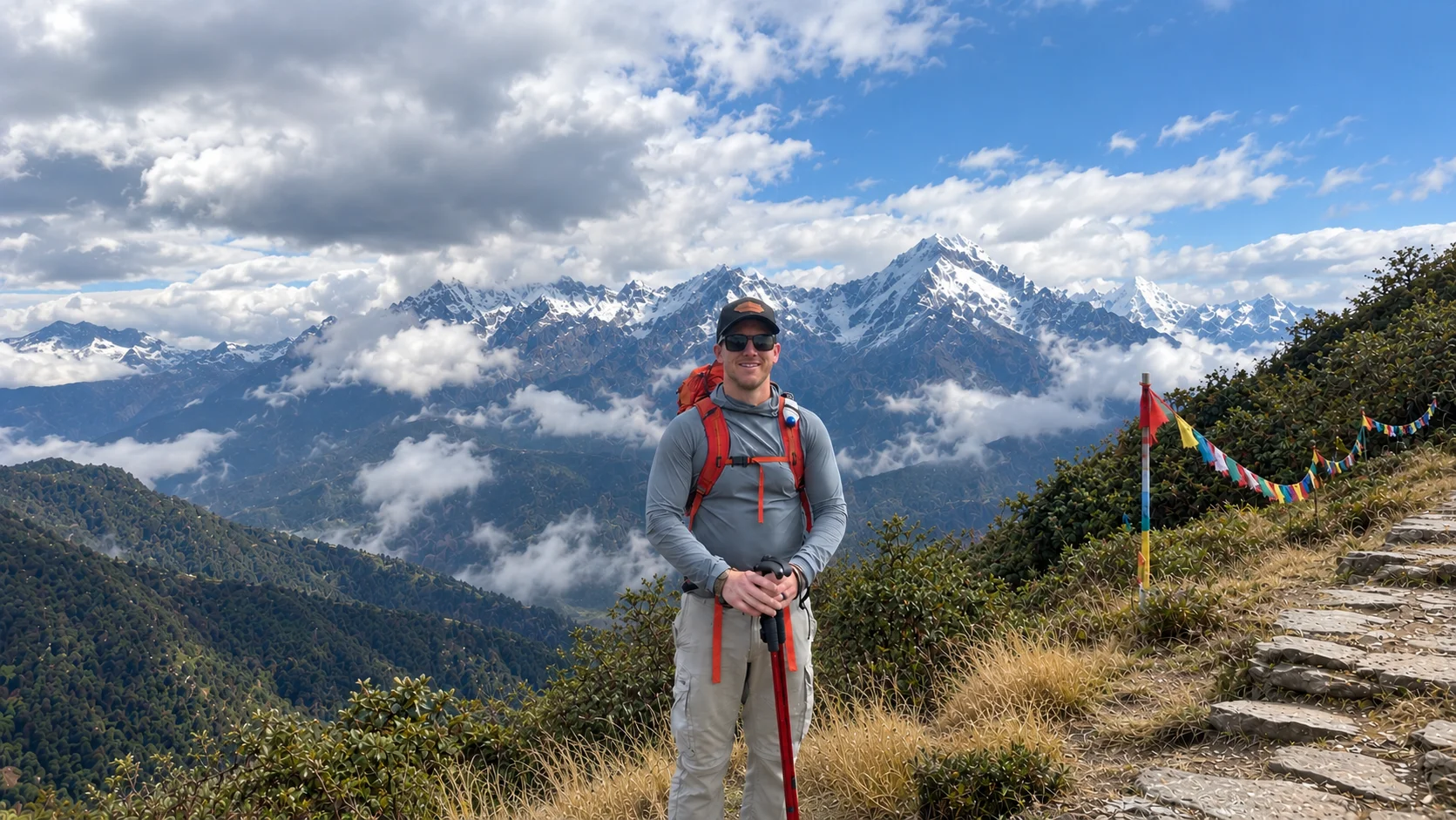
Nepal has a reputation as a serious mountaineering destination, thanks to Everest. But most trekking in Nepal has nothing to do with mountaineering, and that’s exactly why it works so well for beginners.
Thanks to Everest, Nepal is known as a major destination for mountaineering. However, the vast majority of trekking in Nepal is not actually related to mountaineering – and that is precisely why it is highly suitable for beginners.
- The teahouse system does the hard work for you. On almost every popular route, you sleep in a family-run lodge and eat a hot meal at the end of the day. No tent, no cooking gear, no wilderness survival skills required.
- Difficulty is a choice, not a given. Trails range from gentle 3-day walks near Pokhara to multi-week circuits through high mountain passes. You pick the challenge level, not the other way around.
- The paths are well-marked and well-used. Popular routes have villages, signposts, and rest stops every couple of hours, so you’re rarely more than an hour from help or a hot cup of tea.
- The culture is built around looking after guests. Teahouse owners, guides, and porters have been hosting trekkers for decades. People genuinely check in on you, especially if you’re clearly new to this.
- Standard trekking requires no technical climbing skills. Walking poles and sturdy boots are enough. That’s different from peak climbing (like Island Peak or Mera Peak), which does require ropes, crampons, and training.
When to Trek Nepal Best Seasons for Beginners
Spring and autumn are the best times for trekking in Nepal. These seasons usually offer more comfortable weather, clearer mountain views, and better trail conditions. Winter can also work for lower-altitude treks, while the monsoon season needs more careful planning.
Spring (March–May)
Spring is one of the easiest seasons for a first trek in Nepal. Days are usually mild, mountain views are often clear, and the lower hills become colourful with blooming rhododendrons.
It is a good time for beginner-friendly routes such as Poon Hill, Dhampus, and Mardi Himal. The weather is generally comfortable for walking, although afternoons can become warmer at lower elevations.
Autumn (September–November)
Autumn is the most popular trekking season in Nepal. After the monsoon rains, the air is often cleaner, the skies are clearer, and mountain views can be excellent.
This season works well for beginners because the weather is usually more stable. Trails, teahouses, and popular viewpoints can be busy, especially in October and November, so booking accommodation and guides early can make your trip easier.
Winter (December–February)
Winter can be a good choice if you prefer quieter trails and do not mind colder weather.
Lower-altitude treks such as Poon Hill, Dhampus, and Dhampus–Sarangkot are usually more suitable for beginners during this season. Nights can be very cold, and snow may affect higher routes and mountain passes, so warm clothing is essential.
Monsoon (June–August)
The monsoon season is more challenging for first-time trekkers. Frequent rain can make trails wet and slippery, while clouds may block mountain views. Leeches are also common on some lower forest trails.
If you want to trek during the monsoon, choose the region carefully. Upper Mustang and Dolpo receive less rain than many classic trekking areas because they lie in the Himalayan rain shadow.
Best Beginner-Friendly Treks in Nepal
Nepal offers many beginner-friendly treks with stunning mountain views and manageable trails. Popular choices include Poon Hill, Mardi Himal, and Everest View Trek. Choose your route based on fitness, time, season, and comfort with altitude.
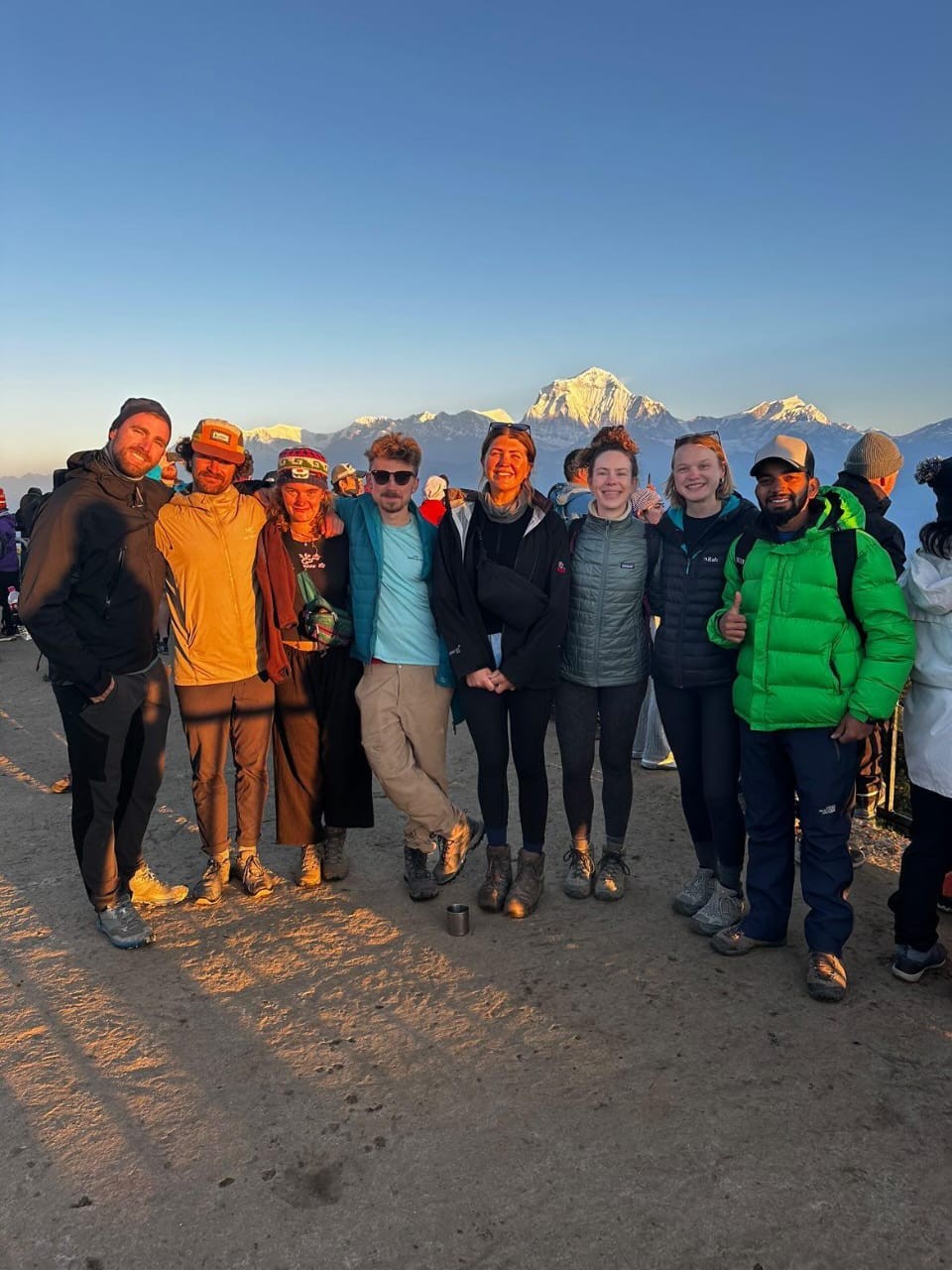
Ghorepani Poon Hill is an easy Nepal trek with Annapurna sunrise views, mountain villages, lush forests, and beautiful Himalayan peaks.

Poon Hill View Point is a short Nepal trek with stunning sunrise views, mountain villages, lush forests, and Himalayan peaks.
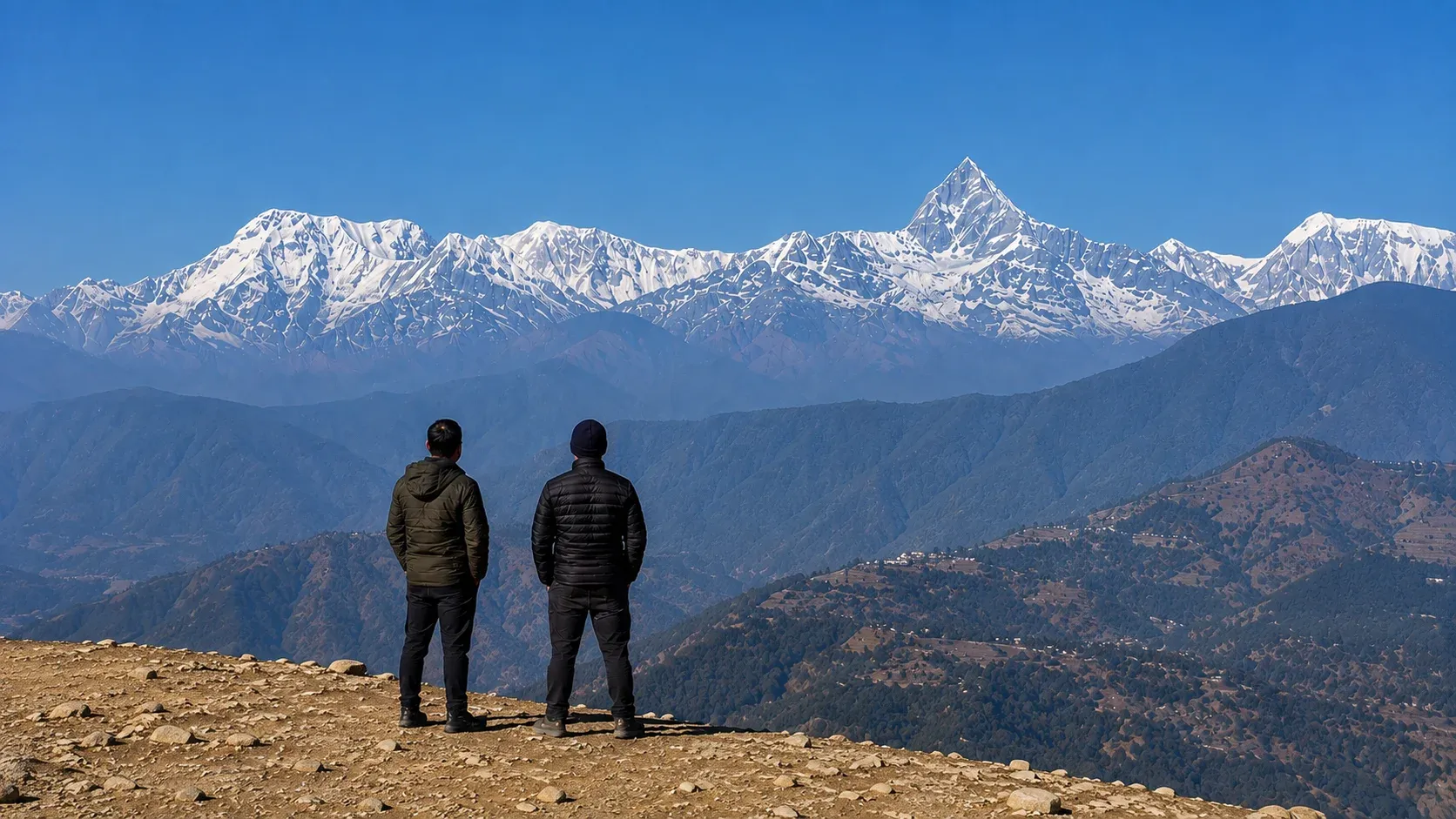
Annapurna Royal View Trek is an easy Nepal trek with mountain views, peaceful villages, green hills, and a relaxing Himalayan experience.

Sarangkot View Point offers you a momentary journey into the Himalayas with breathtaking natural scenery, tranquil valleys, green hills, and unforgettable mountain beauty.
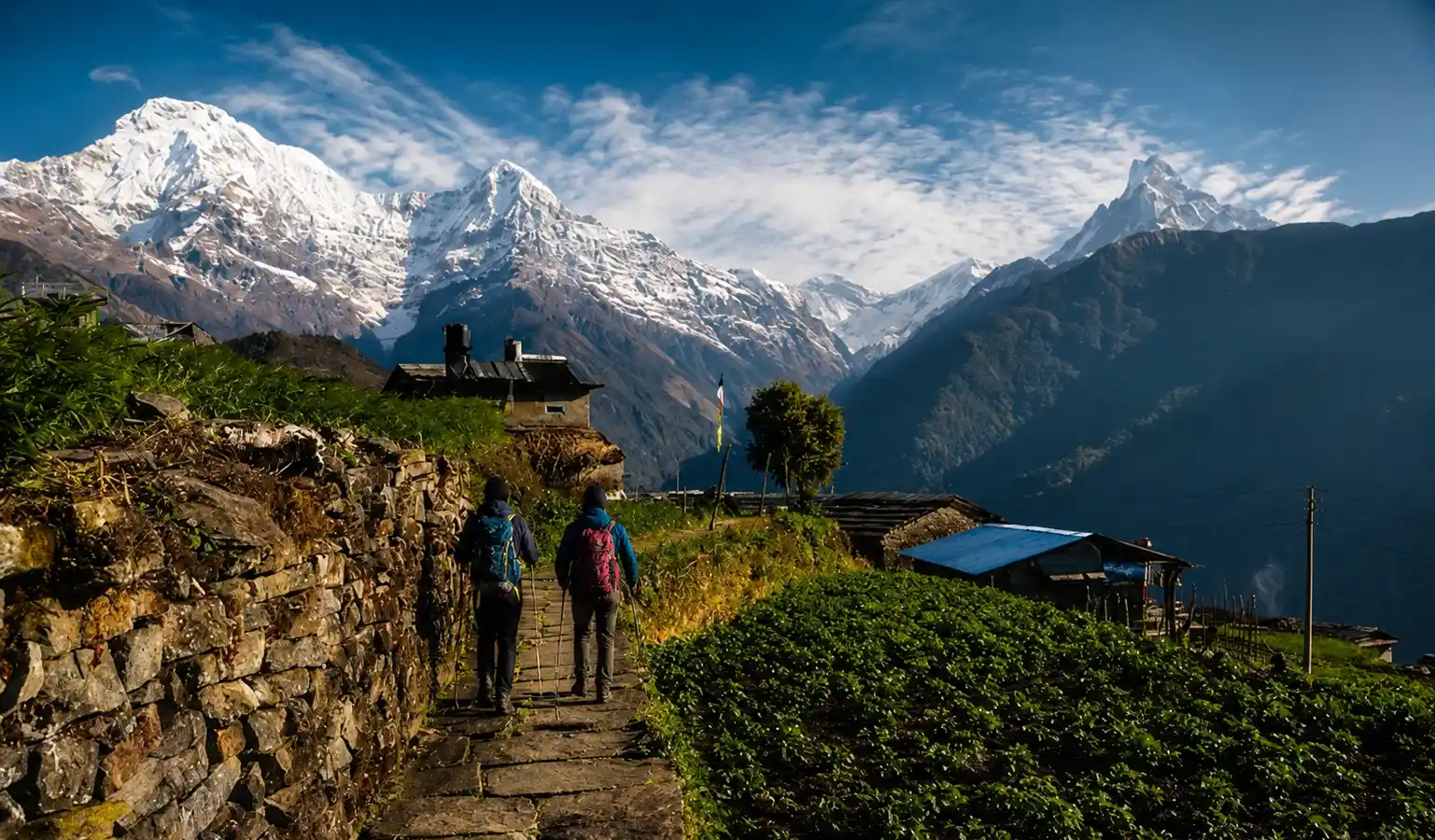
Panchase Hill Trek is an easy Nepal adventure with forest trails, peaceful villages, sunrise views, and amazing sights of the Annapurna range.
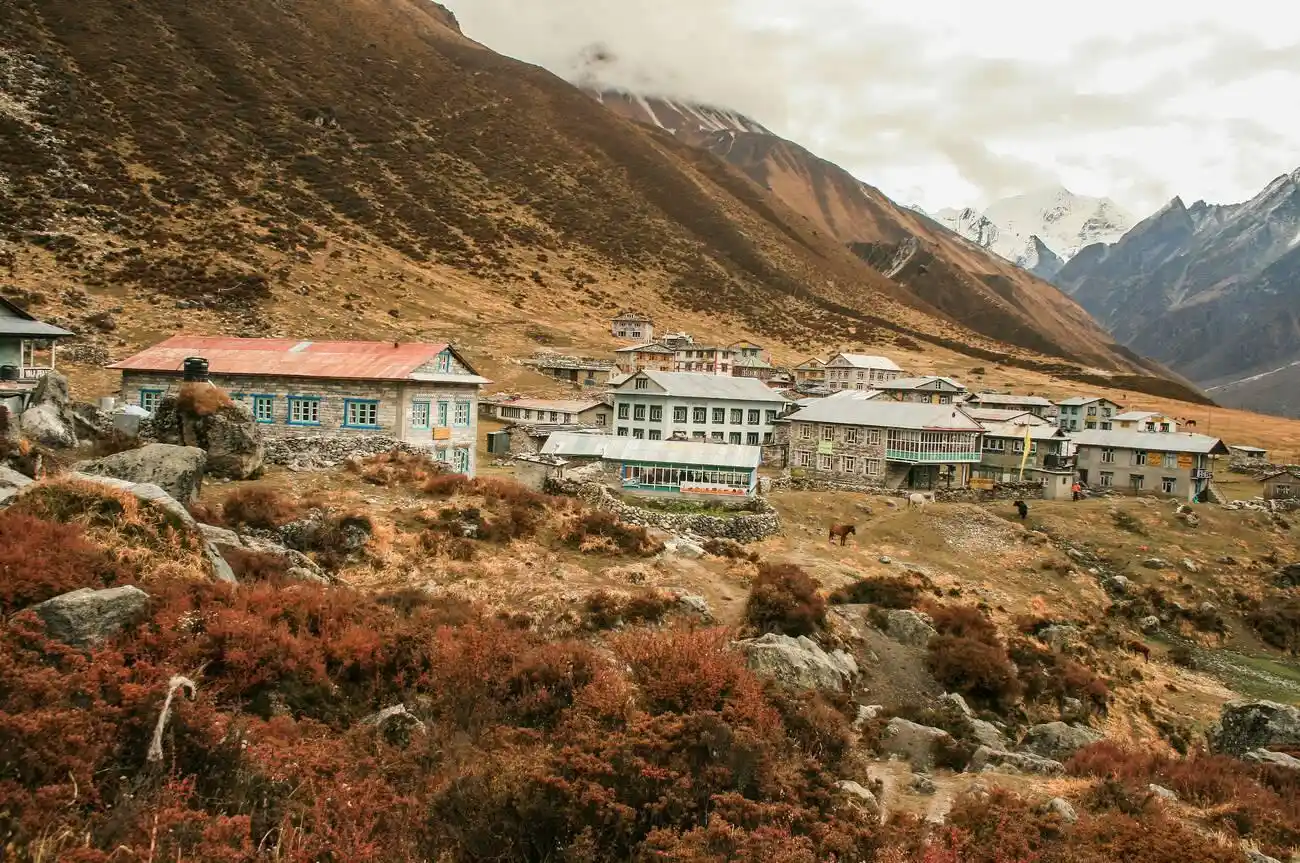
Helambu Circuit Nepal is a peaceful trek with mountain views, green forests, traditional villages, and a chance to experience local culture.
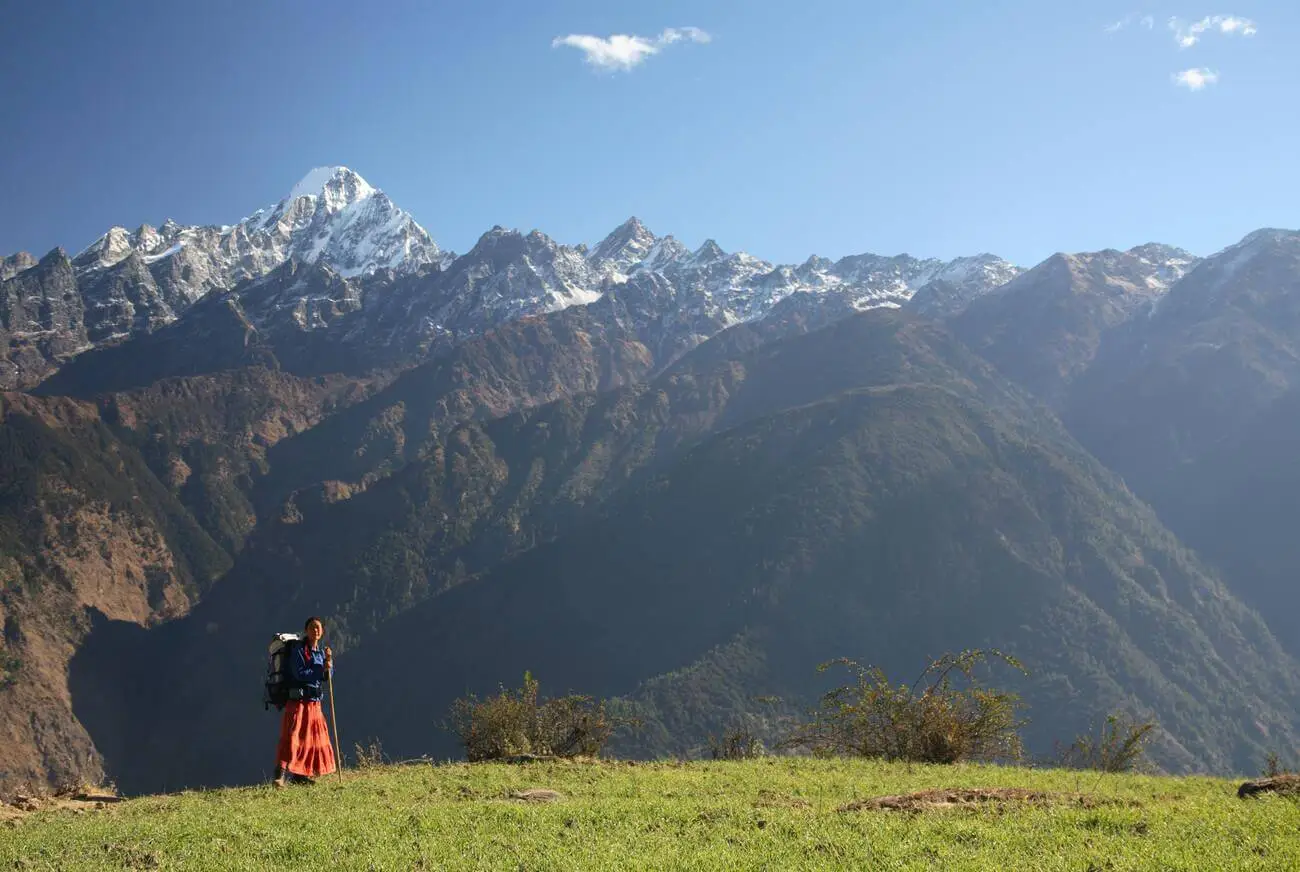
Tamang Heritage Trek Nepal offers mountain views, traditional villages, local culture, warm hospitality, and peaceful trails through the Langtang region.
Ganesh Himal Trek is ideal for travelers seeking quiet trails, local culture, mountain views, and an off-the-beaten-path Nepal adventure.

Jomsom-Muktinath Trek suits travelers seeking mountain views, ancient villages, diverse landscapes, and a meaningful journey to Muktinath.
Not sure which one fits your dates and fitness level? Our full breakdown in Best Easy Treks in Nepal compares each route side by side, including what a typical day looks like on each one.
Challenging & Famous Treks in Nepal
Even beginners can enjoy some of Nepal’s challenging treks with the right preparation. Start training 4–12 weeks before your trek to build strength and stamina, and be ready for long walks, steep trails, and high altitudes.
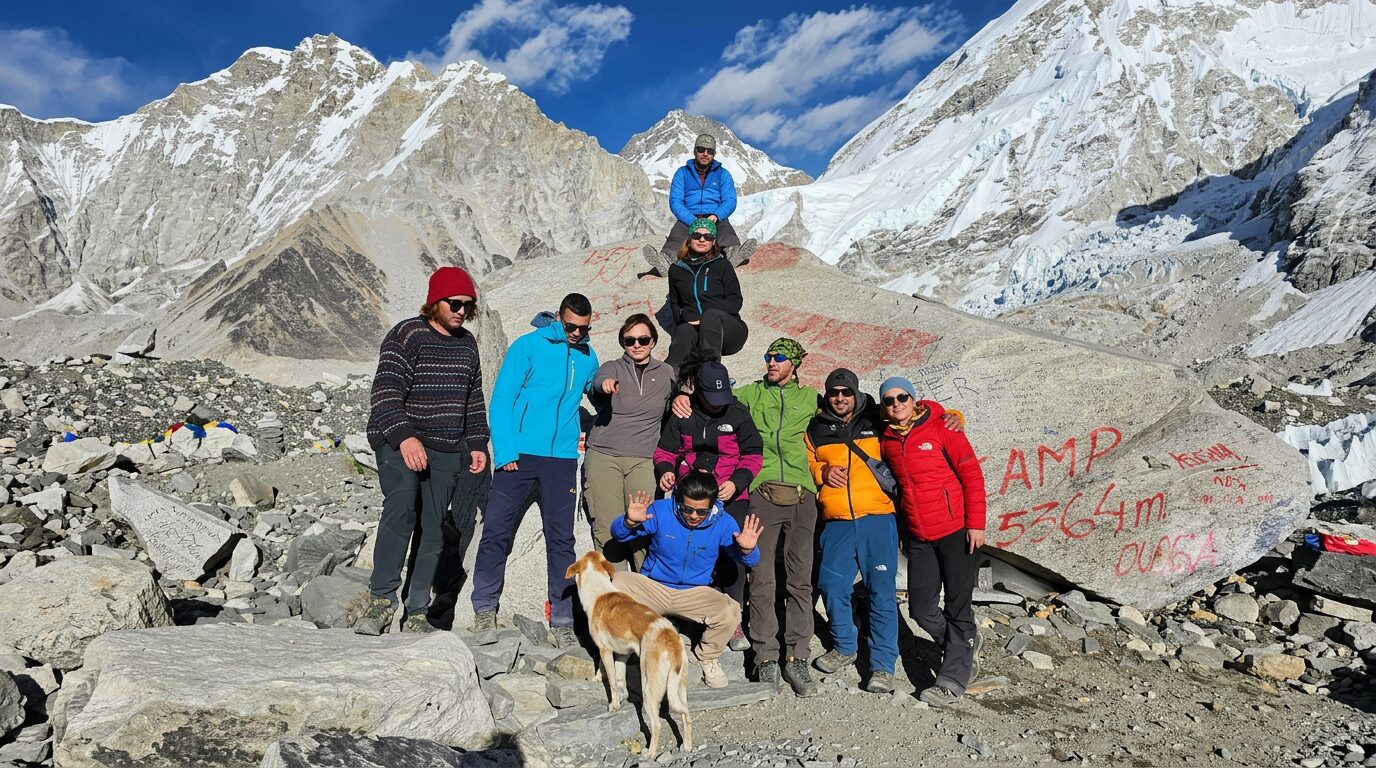
A 12-day EBC trek reaching 5,364m, with iconic Everest views, Sherpa villages, glaciers, and Kala Patthar (5,545m) sunrise.

Ready for a wilder Himalayan adventure? Cross high mountain trails, remote villages, and Larkya La Pass (5,106m) while discovering the raw beauty of the Manaslu region.

A 12-day trek reaching 5,416m, crossing Thorong La Pass and passing through diverse landscapes, mountain villages, and sacred sites.

Ready for a real Himalayan adventure? Walk through wild valleys, cross French Pass (5,360m), and enjoy stunning mountain views on this challenging trek.
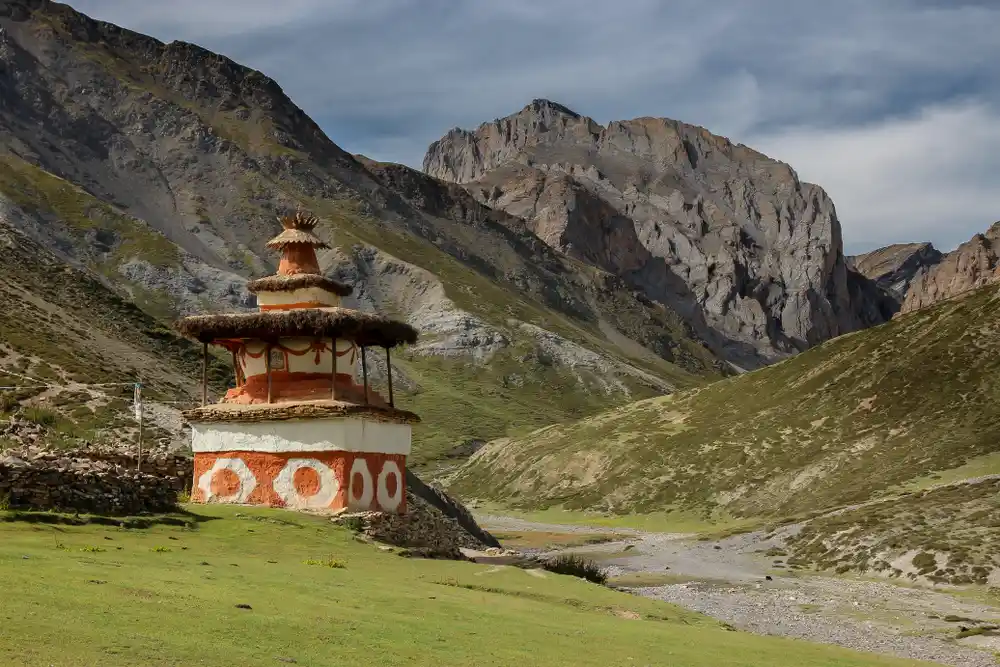
Discover one of Nepal’s most remote trekking regions, with ancient villages, hidden valleys, rugged trails, and unforgettable Himalayan scenery.
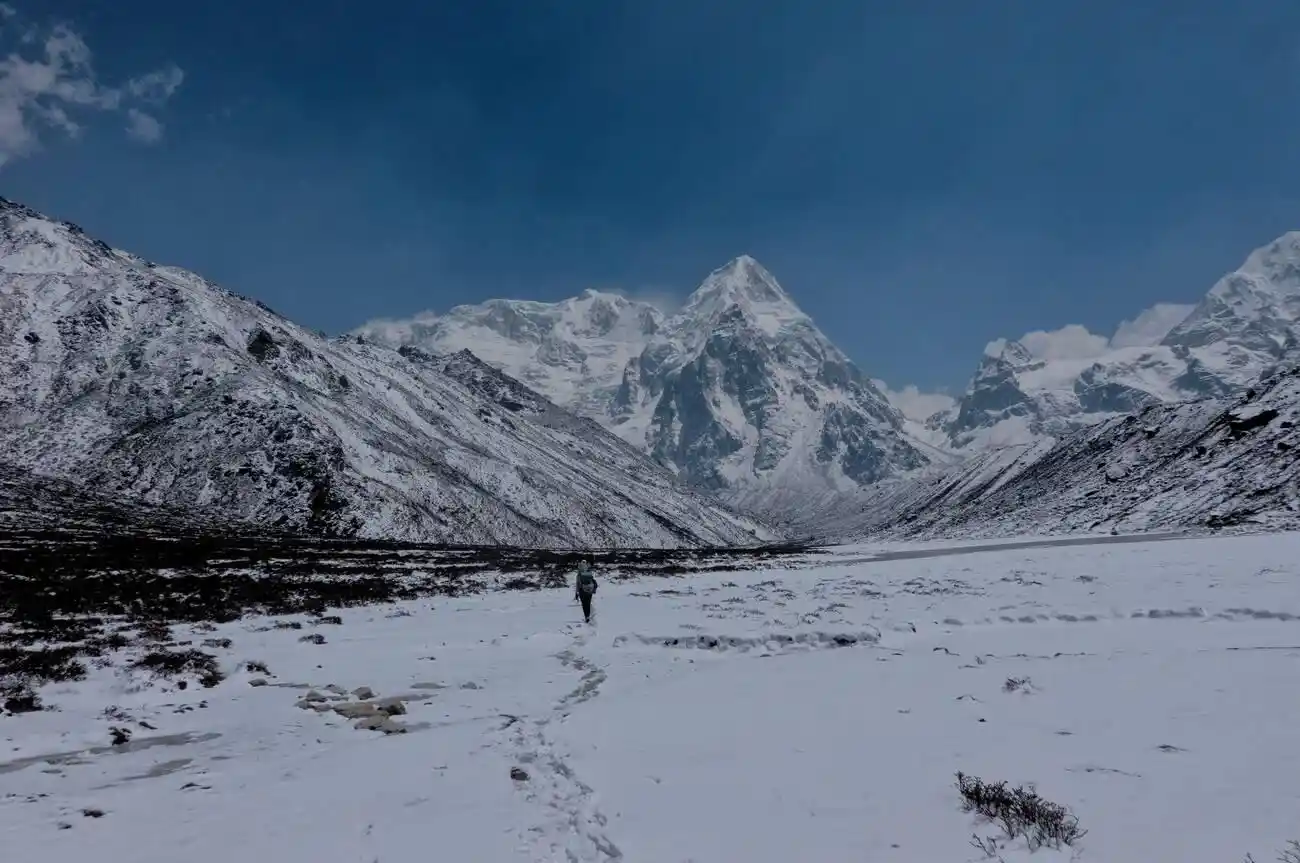
Explore the remote Kanchenjunga Circuit Trek with stunning Himalayan views, peaceful villages, and wild landscapes. Plan your adventure with expert local guides.
Looking for more adventure? Explore other exciting trips, including Limi Valley Trekking, Everest 3 High Passes Trek, Makalu Base Camp Trek, and Ama Dablam Expedition
What physical preparation does a beginner need for a challenging trek?
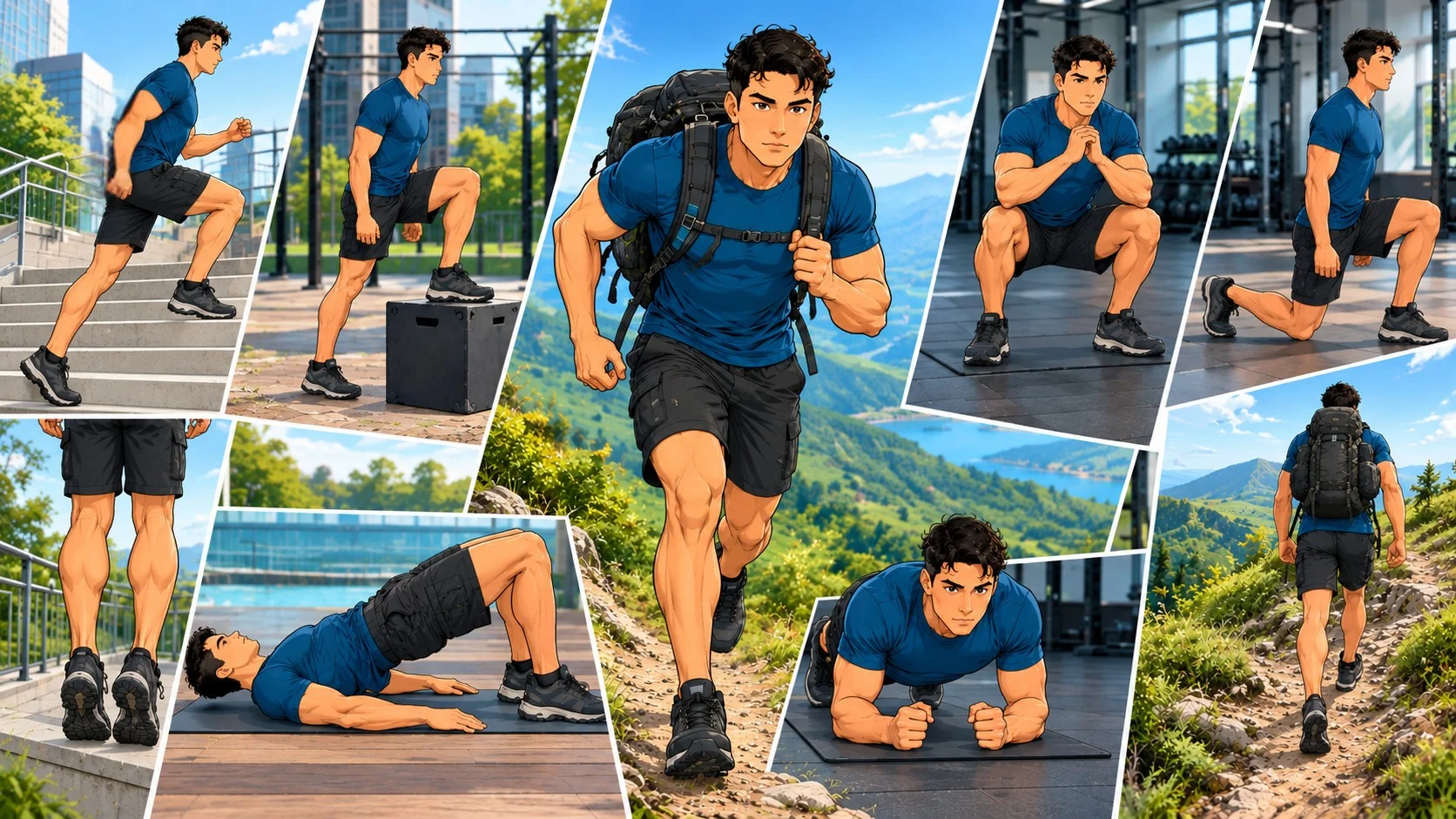
Good physical preparation for a challenging trek is not very hard. If you are a beginner, start with easy exercises and slowly make them harder. The goal is to build strong legs, better stamina, and good balance.
- Walking: 30–60 minutes, 4–5 days a week.
- Stair climbing: 10–20 minutes to build uphill strength.
- Step-ups: 3 sets of 10–15 reps per leg.
- Squats: 3 sets of 10–15 reps.
- Lunges: 3 sets of 8–12 reps per leg.
- Calf raises: 3 sets of 15–20 reps.
- Glute bridges: 3 sets of 12–15 reps.
- Planks: Hold for 20–45 seconds, 3 times.
- Uphill hiking: Slowly add longer climbs and uneven trails.
- Backpack training: Practice hiking with the weight you expect to carry.
For treks above 5,000 meters, add longer uphill walks and regular hikes with a backpack. Strengthen your legs and core, and include rest days. Train for 4–12 weeks before a challenging trek. Remember, fitness helps, but proper acclimatization, a slow pace, hydration, and rest are also important at high altitude.
The Best Nepal Hiking Tips for Beginners
1. It’s better with a guide
For beginners, trekking with a local guide can make the journey easier and more enjoyable. Guides know the trails, local culture, weather conditions, and common challenges along the route. They can also help with permits, accommodation, transport, and daily plans.
A guide can keep an eye on how you are feeling, especially at higher altitudes, and help if a problem comes up. This can give you more confidence, so you can focus on the scenery and enjoy the trek.
If you do not want to carry a heavy backpack, you can also hire a porter. They can carry your main luggage while you walk with a lighter daypack.
2. Maps can be unreliable
Paper maps and GPS apps can be useful, but they are not always up to date. Landslides, road construction, and changes to trekking routes can alter a trail without the change appearing on your map or app.
When you are unsure, check local signs and ask your guide or local people for the latest information. If you are trekking with a guide, follow their advice rather than relying only on your phone.
It is also a good idea to carry a paper map as a backup, especially on remote routes where your phone may have no signal or battery.
3. Pack for all weather and emergencies
Mountain weather can change quickly, so it is important to pack for different conditions. Even if you trek during spring or summer, you may face sun, wind, rain, or cold temperatures during the same day.
- Layered clothing: Take a base layer, warm mid-layer, and waterproof jacket.
- Rain jacket: Keep one in your daypack, even when the forecast looks good.
- Warm clothing: Pack a fleece or down jacket for cold mornings and evenings.
- First-aid kit: Carry basic supplies for small cuts, blisters, and minor problems.
- Water treatment: Bring purification tablets or chlorine drops in case you need to treat water.
- Headtorch: A small headtorch is useful during early starts or power cuts.
- Extra socks: Keep a dry pair in your bag in case your feet get wet.
A little extra preparation can make a big difference. It is much better to carry a few useful items than to be caught cold, wet, or unprepared in the mountains.
4. Accommodation varies widely
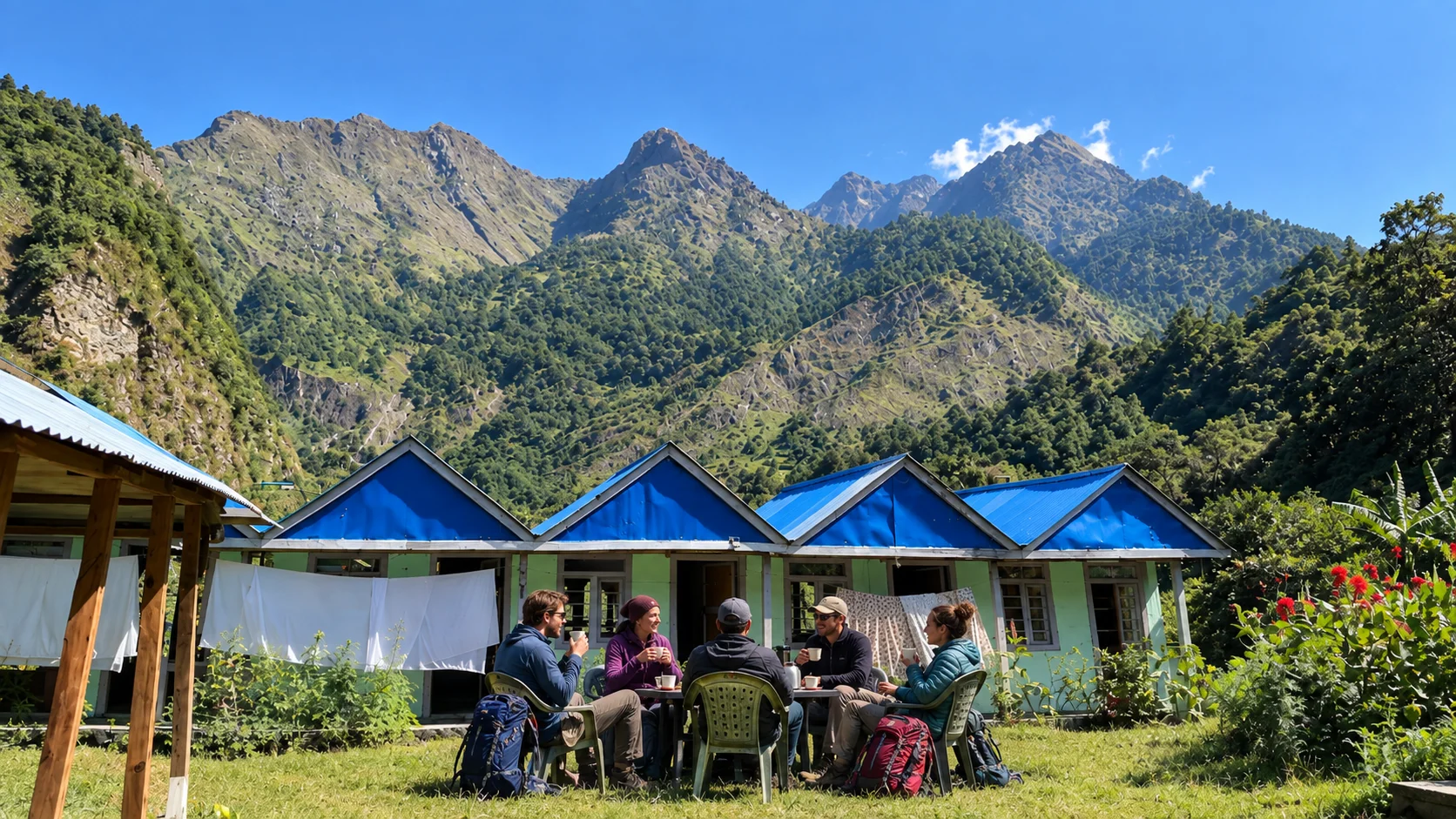
Where you stay in Nepal depends on the trek and how remote the route is. On popular trails, you will usually find teahouses and mountain lodges with simple rooms, beds, blankets, and shared or private bathrooms. Some lodges also offer hot showers and charging facilities for an extra fee.
As you climb higher, accommodation becomes more basic. Rooms may be small, toilets are often shared, and hot water may not always be available.
On remote treks such as Upper Mustang and Dolpo, camping may be needed because there are fewer teahouses. Even on popular base camp routes, you can sometimes choose a more comfortable lodge if you are happy to pay a little more.
5. You’ll eat well

Food is an important part of trekking in Nepal, and teahouses offer plenty of filling meals to keep you going. Dal bhat, made with rice, lentils, and vegetables, is one of the most popular choices. You can also find noodle soups, pasta, potatoes, eggs, porridge, and simple vegetable dishes.
As you climb higher, food choices may become more limited and prices usually increase because supplies are harder to transport. Still, you can expect warm and filling meals at most teahouses.
Eating enough is important on a trek. Choose meals that give you plenty of energy, drink enough water, and enjoy a warm meal after a long day of walking.
Best Nepal Hikes for Beginners
For beginners, Nepal offers several enjoyable 1 day hiking opportunities at varying altitudes. You can choose trails ranging from an elevation of approximately 1,600 meters up to 2,175 meters; most of these are located within a day or two’s distance from Kathmandu or Pokhara.

Pokhara Sarangkot is ideal for beginners with a manageable trail, short duration, and stunning views of the Annapurna range and Pokhara Valley.
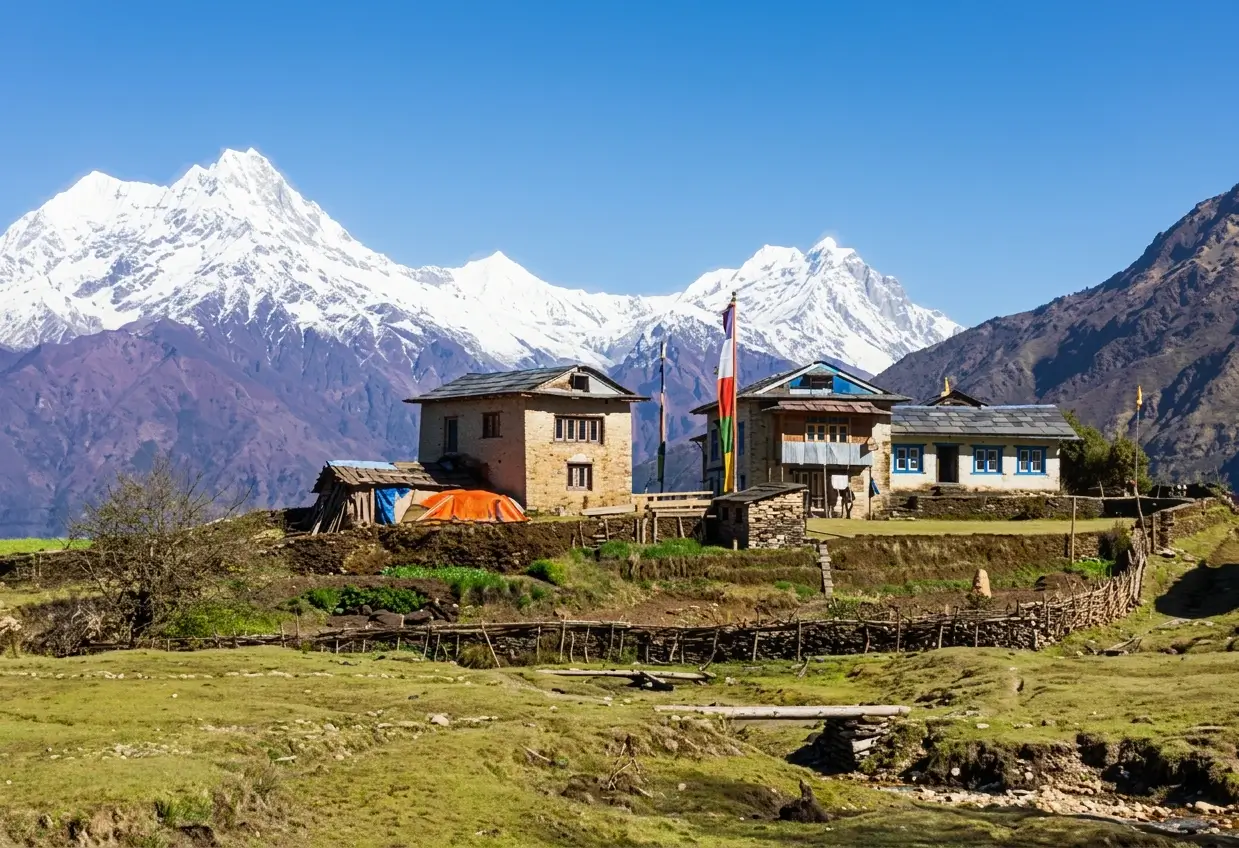
Dhampus Naudanda is beginner-friendly with a gentle trail, moderate walking distance, and beautiful views of the Annapurna range, villages, and green hills.
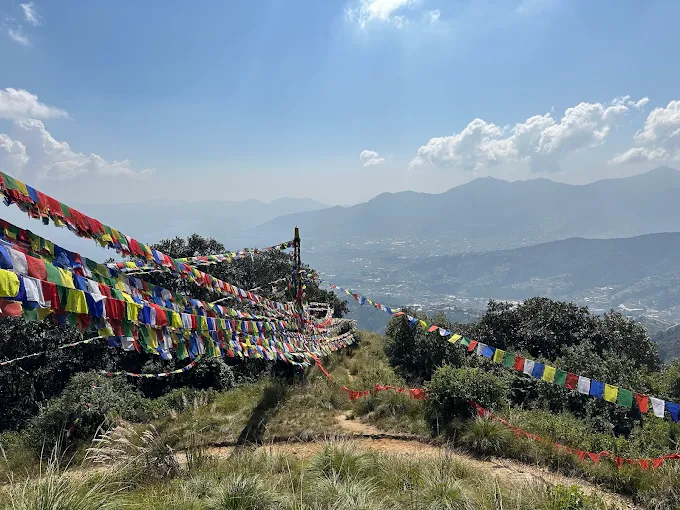
Nagarjun Rani Ban is beginner-friendly with a manageable uphill trail, peaceful forest scenery, and panoramic Kathmandu Valley views without high-altitude trekking.

Dhulikhel Panauti is beginner-friendly with easy trails, scenic hills, peaceful villages, and cultural highlights without challenging high-altitude terrain.
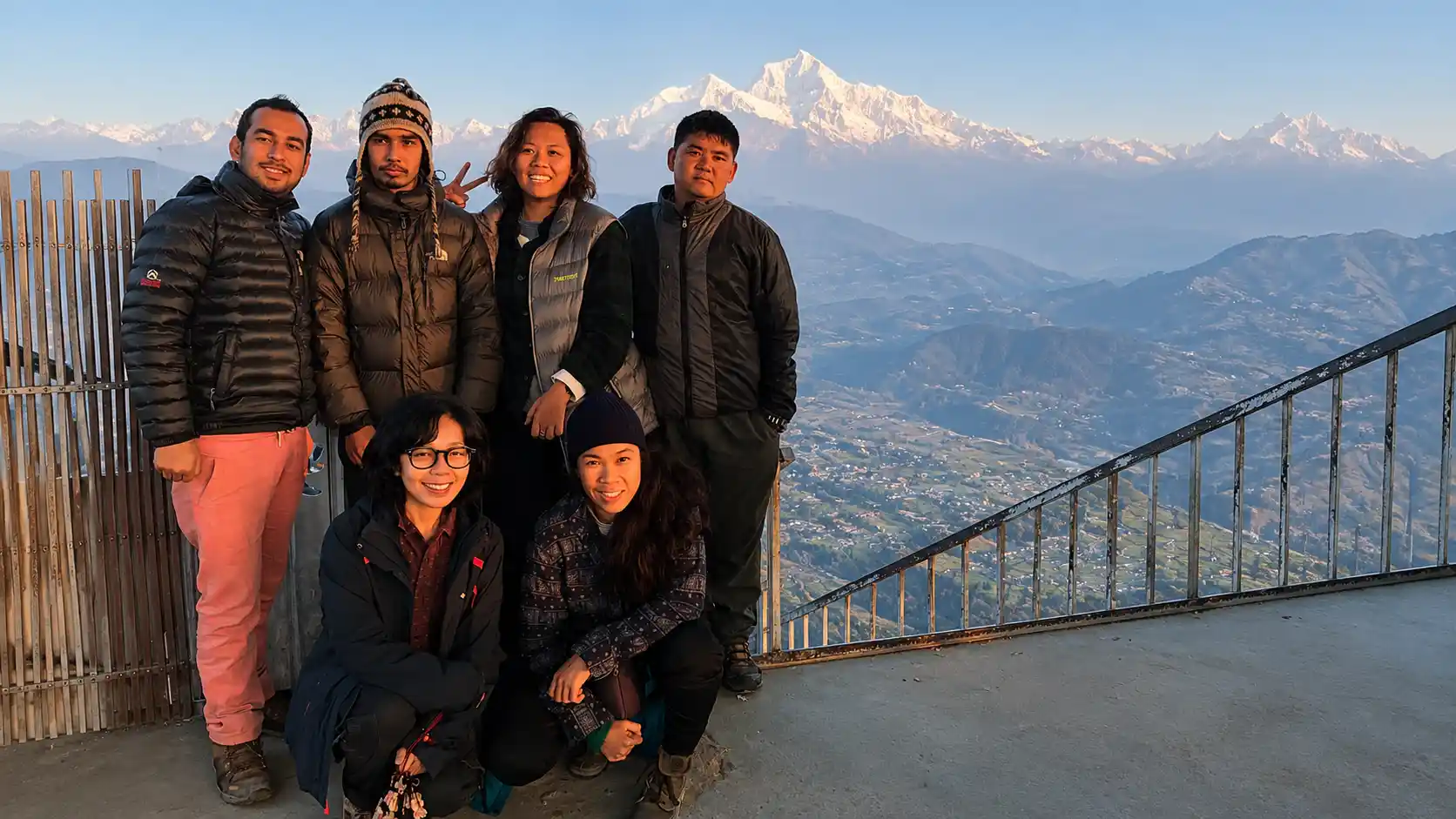
Changunarayan–Nagarkot is beginner-friendly with manageable trails, scenic hills, traditional villages, and beautiful Himalayan views, making it a great day hike.

Kakani is beginner-friendly with easy walking routes, fresh mountain air, peaceful scenery, and beautiful Himalayan views, making it ideal for a relaxed day trip.
These short tours are convenient for travellers with limited time who want to experience Nepal’s nature, culture, and scenery.
Nepal Trekking Permits & Paperwork for Beginners
Every trekking route in Nepal requires some form of permit, and the specific permits depend on where you’re going.
Restricted Area Permits
Some regions, like Upper Mustang and Manaslu, require special restricted area permits on top of the standard ones. These cost significantly more and can only be arranged through a registered trekking agency.
| Permit | Approx. Cost (Foreigners) | Required For |
| TIMS Card | NPR 1,000–2,000 (~$8–15) | Most standard routes (not required in the Khumbu/Everest region) |
| ACAP (Annapurna Conservation Area Permit) | NPR ~3,000 (~$20–30) | Poon Hill, Annapurna Base Camp, Annapurna Circuit |
| Sagarmatha National Park Entry Permit | NPR ~3,000 (~$30) | Everest region treks |
| Khumbu Pasang Lhamu Rural Municipality Permit | NPR ~2,000–3,000 (~$20–25) | Everest/Khumbu region (replaces TIMS here) |
| Langtang National Park Entry Permit | NPR ~3,000 (~$30) | Langtang Valley, Helambu, Gosaikunda |
| Restricted Area Permit – Upper Mustang | ~$500 for the first 10 days, +$50/day after | Upper Mustang |
| Restricted Area Permit – Manaslu | ~$100/week in peak season (Sept–Nov), +$15/day beyond that | Manaslu Circuit |
These are approximate 2026 figures pulled from current sources. Permit rules and prices change fairly often, so confirm exact costs with the Nepal Tourism Board or your trekking agency before your trip.
The easiest way to handle all of this is to book through a registered agency. They collect your documents, arrange the right permits for your exact route, and make sure everything’s stamped at the right checkpoints, so you’re not standing at a trailhead office trying to figure out paperwork in a language you don’t read.
For a full breakdown of every permit by region, see our detailed Nepal trekking permits guide.
Solo Trekking vs. Guided Trekking What Should Beginners Choose?
| Solo Trekking | Guided Trekking | |
| Cost | Lower upfront cost | Higher upfront cost, but includes safety net |
| Safety net | None you’re on your own if something goes wrong | Guide monitors altitude symptoms, handles emergencies |
| Flexibility | Full control over pace and stops | Itinerary is more structured |
| Local knowledge | Learned on the fly | Built in from day one |
Guide requirements have shifted around in recent years, with some regions requiring a licensed guide and others not. These rules seem to be evolving, so don’t rely on last year’s blog post. Check the current requirement for your specific route before you finalize plans.
That said, for a first trek specifically, a licensed guide is strongly recommended, not just where it’s legally required. This isn’t only about the law. A guide reads early altitude sickness symptoms you might miss, knows which trail fork actually leads to your teahouse, and knows exactly who to call if something goes wrong. If you’re a solo adventurer, or an expat or volunteer trekking during time off, this safety net matters even more, since you likely don’t have a travel companion who can advocate for you if you’re not feeling well.
What to Pack for Your First Nepal Trek
Clothing (Layering System)
- Moisture-wicking base layer
- Insulating mid-layer (fleece or light down)
- Waterproof, windproof outer shell
- Trekking pants and a warm hat
- Gloves, even in “warm” seasons nights get cold at altitude
Footwear
- Broken-in hiking boots with ankle support (never trek in brand-new boots)
- Moisture-wicking hiking socks, plus a spare pair
- Camp shoes or sandals for evenings at the teahouse
Gear Essentials
- Daypack (25–35 liters)
- Sleeping bag rated for at least -10°C for higher routes
- Trekking poles
- Headlamp with spare batteries
- Water purification tablets or a filter bottle
- Basic first-aid kit and any personal medication
What NOT to Bring (Overpacking Is the #1 Beginner Mistake)
- A full-size suitcase (you or a porter has to carry this)
- Multiple pairs of jeans or heavy cotton clothing (cotton stays wet and gets cold)
- Excess electronics and chargers you won’t actually use
- A week’s worth of snacks teahouses sell food, and weight adds up fast
Packing needs change by season. Spring and autumn trekkers can generally pack lighter, while winter trekkers need a heavier sleeping bag and more insulating layers. If you don’t want to buy gear you’ll rarely use again, sleeping bags and down jackets are widely available to rent in Kathmandu and Pokhara at a fraction of the purchase price.
Budget for Your First Trek: How Much Does It Actually Cost?
Your daily costs on the trail come down to a few main categories:
- Teahouse accommodation and meals: Often the room itself is nearly free if you eat all your meals there. Meals typically run $5–7 at lower altitudes and $8–12 higher up, where everything has to be carried or flown in.
- Guide and porter daily rates: Guides typically charge $25–40 per day, more in restricted areas. Porters typically charge $15–25 per day.
- Permits: Roughly NPR 4,000–6,000 (~$30–50) for standard routes, more for restricted areas (see the permit table above).
- Gear rental: Renting items such as sleeping bags and down jackets can help keep your upfront costs low, especially if you’re planning budget friendly treks and don’t want to buy expensive gear.
- Tipping: Often skipped by beginners, which causes real awkwardness at the end of a trek. Tipping guides and porters is expected, not optional, in Nepal’s trekking culture. A common approach is 10–15% of your total trip cost, pooled and split among your guide and porter team at the end.
| Budget Tier | Approx. Daily Cost | What’s Included |
| Backpacker | $25–35/day | Basic teahouse room, simple meals, no guide or porter, public transport |
| Mid-range | $85–150/day | Teahouse room, three meals, licensed guide, shared porter, permits |
| Luxury | $180–350+/day | Premium lodges, private guide and porter, private transport, all meals included |
If you’re a luxury or mature traveler, the mid-to-luxury tier is where most first-timers in this group land, and it’s genuinely the easier way to trek without sacrificing comfort.
Altitude Sickness What Every Beginner Must Know
This is the section that matters most for your safety, so don’t skim it.
Watch for these symptoms:
- Headache
- Nausea
- Dizziness
- Loss of appetite
- Trouble sleeping
How to prevent it:
- Ascend slowly most routes above 3,000 meters build in acclimatization days for a reason
- Build in rest and acclimatization days, even if you feel fine
- Drink more water than feels necessary
- Avoid alcohol at altitude
If symptoms appear: stop ascending, rest, and if symptoms don’t improve or get worse, descend. Altitude sickness gets better once you go down and gets worse if you push through it. Never treat “pushing through” as a sign of toughness at altitude; it’s how mild symptoms turn into a medical emergency.
Some trekkers use medication like Diamox as a preventive measure. This is a real medical decision, not a packing-list item, so talk to a doctor before your trip about whether it’s right for you.
Culture, Etiquette & Community Trekking Respectfully
- Teahouse etiquette: Remove your shoes where indicated, keep noise down during quiet hours, and order your meals from the teahouse you’re staying at rather than bringing in outside food.
- Tipping guides and porters: Expected, not optional, and genuinely appreciated given how physically demanding their work is.
- Local customs: Greet people with “Namaste,” walk clockwise around mani walls and stupas, and dress modestly when you’re near monasteries.
- Your trek supports local communities. Trekking tourism is a major economic driver for Himalayan villages, from teahouse owners to guides, porters, and local farmers supplying food along the route. Trekking respectfully isn’t just polite, it’s part of how that support actually works.
For nature and bird lovers: Whatever you can see along the way.
Beginner routes through the lower and mid-altitude Himalayas are genuinely good for wildlife watching, not just mountain views.
- Himalayan monal (Danphe): Nepal’s strikingly colorful national bird, sometimes spotted on forested trails
- Rhododendron forests: In full bloom during spring, turning entire hillsides red and pink
- Best regions for birdwatching on beginner routes: Langtang and the lower Annapurna trails, both known for dense forest cover and a wide range of species
Choosing a Trekking Agency: What Beginners Should Keep in Mind
Not every trekking agency in Kathmandu operates the same way, and as a beginner, this is one decision worth getting right. Look for:
- TAAN membership (Trekking Agencies Association of Nepal), which signals the agency meets industry standards
- Licensed, experienced guides, not just someone who knows the trail casually
- Transparent pricing with no hidden fees added after booking
- Insurance and emergency rescue support built into the package
- Customizable itineraries that can flex around different fitness levels and timelines
As an example of what this looks like in practice: our own agency, Himalaya Hub Adventure, has run treks for 15+ years, holds official TAAN membership, and won the Tripadvisor Traveller’s Choice Award in 2026, all with licensed local guides. That’s the kind of track record worth checking for, whichever agency you end up booking with.
Common Mistakes First-Time Trekkers Make
- Overpacking. It slows you down and makes every uphill section harder than it needs to be.
- Skipping acclimatization days to “save time.” This is the single most preventable cause of altitude sickness on beginner routes.
- Wrong or unbroken-in footwear. Blisters on day one can ruin an entire trek.
- Skipping travel and rescue insurance. Helicopter evacuations in Nepal are genuinely expensive, and this isn’t a place to cut corners.
- Ignoring guide advice on pace or turning back. Your guide has seen this trail in every condition. If they say slow down or turn around, that’s not overcaution, that’s experience talking.
Conclusion
Nepal trekking is genuinely accessible to first-timers, as long as you pick the right trek, the right season, and the right support. Start with a beginner route, respect the altitude, pack light, and hire a guide you trust, and you’ll come away with the kind of trip most people only dream about.
Frequently Asked Questions (FAQ)
Do I need previous trekking experience to trek in Nepal?
No. Beginner routes like Poon Hill, Royal Trek, or Dhampus–Sarangkot are designed for first-timers with moderate fitness, no prior trekking or climbing experience required.
What is the best time of year for a first trek in Nepal?
Spring (March–May) and Autumn (September–November) offer the clearest skies, safest trails, and best mountain views ,ideal conditions for beginners.
How much does a beginner Nepal trek cost?
Budget trekkers spend ~$25–35/day (no guide), while guided mid-range treks average $85–150/day including meals, permits, and porter support. Luxury options start around $180/day.
Do I need a guide for trekking in Nepal as a beginner?
While not always legally required, a licensed guide is strongly recommended for first-timers ,they handle permits, navigation, altitude safety, and emergencies.
What permits do I need for trekking in Nepal?
Most routes require a TIMS card (~NPR 1,000–2,000) plus regional permits like ACAP (Annapurna, ~NPR 3,000) or Sagarmatha (Everest, ~NPR 3,000). Restricted areas need special agency-arranged permits.
0 Comment