

















12 Days
Daily Tour
15 people
English
The Annapurna Circuit Trek (12 days) is one of Nepal’s most iconic and world-renowned trekking adventures, offering a complete Himalayan experience through dramatic landscapes, rich cultural encounters, and breathtaking mountain scenery. This classic circuit trek takes adventurers around the Annapurna region, showcasing Nepal’s remarkable geographical and cultural diversity.
The journey begins with a scenic drive from Kathmandu to Tal (1,700m/5,577 ft), where the trek officially starts. From Tal, the trail follows the Marsyangdi River, passing through charming Gurung and Manangi villages such as Dharapani (1,860m), Chame (2,670m), Upper Pisang (3,300m), and Manang (3,540m). Along the way, trekkers experience changing landscapes, from subtropical valleys and pine forests to alpine meadows and rugged high-altitude terrain.
A dedicated acclimatization day in Manang allows trekkers to adjust to the increasing altitude while exploring the local culture influenced by Tibetan traditions. The route then gradually ascends through Yak Kharka (4,050m) and Thorong Phedi (4,540m) before reaching the trek’s highest and most challenging point, Thorong La Pass (5,416m / 17,769 ft). Crossing this high mountain pass is a rewarding achievement, offering panoramic views of the Annapurna and Dhaulagiri ranges.
After the pass, the trail descends to the sacred pilgrimage site of Muktinath (3,760m), an important spiritual destination for both Hindus and Buddhists. The trek continues through the picturesque village of Kagbeni (2,800m) to Jomsom (2,720m), where the walking portion of the trek concludes. From Jomsom, trekkers travel onward to Pokhara, a peaceful lakeside city ideal for relaxation by Phewa Lake after the adventure.
The 12-day Annapurna Circuit Trek covers elevations ranging from 1,700m to 5,416m and is considered moderate to challenging, making it suitable for trekkers with good physical fitness and a spirit of adventure. Known for its striking contrasts, cultural depth, and varied terrain, this trek is also a cost-friendly option for trekking enthusiasts from around the world.
The best seasons to trek the Annapurna Circuit are autumn (September–November) and spring (March–May), when the weather is stable, skies are clear, and mountain views are at their best.
With Himalaya Hub, all permits, logistics, and accommodations are carefully arranged to ensure a smooth and enjoyable experience. Our experienced local guides prioritize proper acclimatization, safety, and meaningful cultural insight throughout the journey.
Book your 12-day Annapurna Circuit Trek with Himalaya Hub and embark on an unforgettable journey that captures the true essence of the Himalayas, from lush valleys to the legendary Thorong La Pass.
Chat with us — real trekking experts, not bots.
Welcome to Nepal! When you land at Tribhuvan International Airport in Kathmandu, our team member will be waiting for you at the arrival gate. They will hold a sign with your name and the Himalaya Hub logo. After you collect your luggage, we will drive you to your hotel in the city.
At the hotel, you can rest and freshen up after your long flight. Kathmandu is a busy city with many temples, markets, and restaurants to explore. If you arrive early in the day, you can walk around the Thamel area near your hotel.
In the evening, our trek leader will meet you at the hotel. They will explain the trek plan, check your gear, and answer all your questions. This is a good time to buy or rent any missing equipment. Get a good night sleep because tomorrow we start our journey to the mountains.
Today is a long drive day but full of beautiful scenery. After breakfast, we leave Kathmandu early in the morning around 6 or 7 AM. We drive on a winding highway that follows the Trishuli River through green hills and small villages. You will see rice fields, mountains in the distance, and local people going about their daily life.
We reach Besisahar first, which is the official starting point of the Annapurna Circuit. From here, we continue driving on a rough mountain road to Dharapani. This road can be bumpy and dusty, but it saves us several days of walking on the lower trail. The views get better as we go higher into the mountains.
We arrive in Dharapani in the late afternoon. This is a small village where two valleys meet. You will see prayer flags, stone houses, and your first real mountain views. Check into the teahouse, have dinner, and rest well. Tomorrow, the real trekking begins.
Good morning, trekker! After breakfast, we start our first day of walking. The trail from Dharapani to Chame is beautiful and not too difficult. We walk through thick pine and oak forests with the sound of the Marsyangdi River below us. The path goes up and down, crosses some bridges, and passes through several villages.
Along the way, we pass through Bagarchhap and Danakyu villages. You will see Buddhist prayer wheels, colorful flags, and stone walls with carved mantings. The local people here are mostly Gurung and Tibetan ethnic groups. They are very friendly and will greet you with “Namaste.” The mountain views start to get bigger and more impressive as we walk.
We reach Chame in the afternoon. Chame is the headquarters of the Manang district and has shops, bakeries, and even a small health post. From here, you can see the huge rock face called Paungda Danda and the first clear views of Annapurna II. Rest at the teahouse, enjoy a hot meal, and prepare for tomorrow’s trek.
Today we continue up the valley toward Pisang. The trail leaves Chame and follows the river through a narrow valley with high cliffs on both sides. In some places, the valley is so narrow you can almost touch both walls. We cross several wooden bridges and walk through apple orchards. If you trek in autumn, you can buy fresh apples and apple products from local farms.
The landscape starts to change today. The thick green forests slowly become more open with fewer trees. The air feels drier and the sun feels stronger. This is because we are entering the rain shadow area of the Annapurna and Dhaulagiri mountains. These big peaks block the monsoon clouds from the south.
We arrive at Lower Pisang in the afternoon. Some groups stay here, but we recommend going a bit higher to Upper Pisang for better views and acclimatization. Upper Pisang sits on a hill with amazing views of Annapurna II and the surrounding peaks. The village has a beautiful monastery and traditional stone houses. Enjoy the sunset over the mountains before dinner.
From Pisang, we have two route choices to reach Manang. The lower route is easier and faster, passing through Hongde village. The upper route is more challenging but offers much better mountain views and goes through the ancient village of Ghyaru and Ngawal. Most trekkers who feel strong choose the upper route. Your guide will help you decide based on how you feel.
If you take the upper route, you will climb steeply from Pisang to Ghyaru village. From here, the trail is mostly flat with incredible views of the Annapurna range. You walk across high desert landscape with prayer flags flying in the wind. The village of Ngawal has an old monastery worth visiting. Then the trail drops down to meet the lower route before Manang.
Manang is the largest village in this region and an important stop on our trek. This is where we will spend two nights to help our bodies adjust to the high altitude. The village has many teahouses, bakeries, shops, and even a small cinema. After checking in, walk around the village and explore. Tomorrow is a rest day for acclimatization.
Today is a very important rest day, but we do not sit around doing nothing. To help your body adjust to the thin air at high altitude, we need to follow the rule: “climb high, sleep low.” This means we take a short hike to a higher place during the day, then come back down to Manang to sleep. This helps prevent altitude sickness.
There are several good hike options around Manang. The most popular is to hike up to Gangapurna Lake or Praken Gompa viewpoint. Both take about 2 to 3 hours round trip. Another option is to hike toward Ice Lake, which is higher but more challenging. Your guide will suggest the best option based on how everyone in the group is feeling. These hikes also give you amazing photo opportunities.
After the morning hike, you have free time in the afternoon. You can visit the Himalayan Rescue Association clinic where doctors give a free talk about altitude sickness every afternoon. You can also explore the village, visit local bakeries, or just relax and read a book. Drink lots of water, eat well, and get good sleep tonight. The trail gets much higher from tomorrow.
After our rest day, we continue our journey higher into the mountains. The trail from Manang to Yak Kharka is steady and gradual. We walk through an open valley with sparse vegetation. The trees are almost gone now, replaced by short bushes and grasses. The landscape looks more like a high desert with brown and gray colors.
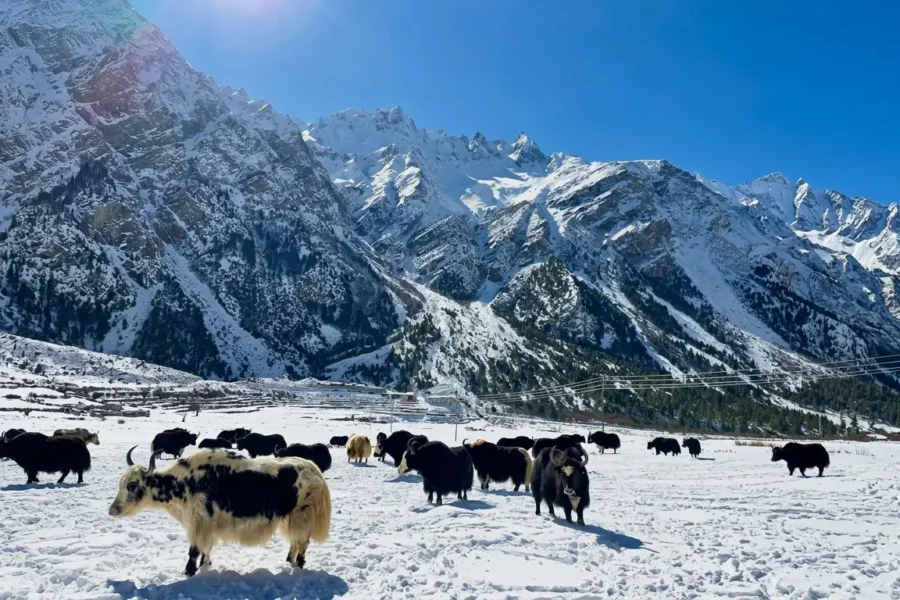
The trail climbs gently as we leave Manang village behind. We pass through a small settlement called Tenki, then continue to Gunsang village. From here, the valley opens up even more. You might see yaks grazing on the hillsides. Yaks are big furry animals similar to cows but built for high altitudes. Local people use them to carry loads and for their milk and meat.
We reach Yak Kharka in the afternoon. As the name suggests, this place is a yak pasture where herders bring their animals. It is a small settlement with only a few teahouses. The air is noticeably thinner here, so you might feel a bit breathless when walking. This is normal at this altitude. Take it easy, drink water, and rest well. We are getting close to the big pass now.
Today is a shorter walk, but a very important one. We trek from Yak Kharka to Thorong Phedi, the base of the famous Thorong La Pass. The trail is rocky and the air gets colder and thinner as you walk higher. You will cross a small bridge and climb up a steep section before reaching Thorong Phedi.
Many trekkers choose to climb even higher to High Camp at 4,880m, which is about 2 hours above Phedi. Staying at High Camp means your pass crossing tomorrow will be shorter and a little easier. The rooms at High Camp are more basic and it can be very cold at night. Your guide will discuss with you which option is best based on how you are feeling and the weather conditions.
Wherever you stay tonight, eat well, drink plenty of water, rest early, and set your alarm. Tomorrow is the biggest day of the entire trek. You will wake up very early, around 3 or 4 AM, to start climbing to the pass. Make sure all your warm clothes are ready. Check your headlamp batteries. Get to bed early and try to sleep, even though you might be excited or nervous about tomorrow.
This is the most challenging and exciting day of the whole trek. We wake up very early, around 3 or 4 AM, while it is still dark. After a quick breakfast, we start climbing toward Thorong La Pass. We use headlamps to see the trail. Starting early is important because strong winds usually start in the afternoon, making the pass dangerous.
The climb to the pass is tough. The trail zigzags up the mountainside and the air is very thin. You need to walk slowly and breathe deeply. Take many small breaks. After 4 to 6 hours of climbing, you will reach the top of Thorong La Pass at 5,416 meters. This is the highest point of the entire trek. At the top, there are prayer flags, a small shelter, and incredible 360-degree mountain views. Take photos, celebrate your achievement, but do not stay too long because of the cold and wind.
From the pass, we descend steeply to Muktinath. The downhill walk takes about 3 to 4 hours. Your knees will get tired, so use trekking poles if you have them. Muktinath is a holy place for both Hindus and Buddhists. There is a famous temple here with 108 water spouts and an eternal flame. After reaching Muktinath, rest and celebrate. You have completed the hardest part of the Annapurna Circuit.
After yesterday’s big achievement, today we travel to the beautiful city of Pokhara. We start with a short drive from Muktinath down to Jomsom. The road follows the Kali Gandaki Valley, which is the deepest valley in the world. The morning is usually calm, but in the afternoon, very strong winds blow up this valley.
From Jomsom, we have two options. We can take a scenic 20-minute flight to Pokhara, which gives amazing views of the mountains including Dhaulagiri and Annapurna. Or we can drive all the way to Pokhara, which takes about 8 to 10 hours on a rough mountain road. Most trekkers prefer to drive because flights are often delayed or cancelled due to wind and weather.
We arrive in Pokhara in the evening. Pokhara is a relaxed lakeside city and a complete change from the mountain villages. You can take a hot shower, sleep in a comfortable bed, and eat whatever food you want. Celebrate your trek success with your group. You deserve it after crossing Thorong La Pass.
Today we drive back to Kathmandu. After breakfast, we leave Pokhara and follow the highway along the Trishuli River. This is the same road we took on Day 2, but now everything looks different because you have changed. You are stronger, more experienced, and full of amazing memories from the mountains.
The drive takes about 7 to 8 hours with stops for lunch and toilet breaks. You can use this time to look at your trek photos, share stories with your group, or just watch the Nepali countryside pass by. The road can be busy with trucks, buses, and local vehicles. Our driver is experienced and will get you safely back to Kathmandu.
We arrive in Kathmandu in the late afternoon or early evening. Check into your hotel and freshen up. In the evening, Himalaya Hub will host a farewell dinner for you at a traditional Nepali restaurant. You will enjoy local food and cultural dance performances. This is a great time to thank your guide and porter, share contact information with your trekking friends, and celebrate the completion of your Annapurna Circuit adventure.
Your Annapurna Circuit Trek officially ends today. If your flight home is today, our team will transfer you to Tribhuvan International Airport 3 hours before your flight time. We recommend checking your flight details the night before. Our driver will help you with your luggage and make sure you reach the airport safely and on time.
If you have extra days in Nepal, we can arrange many additional activities for you. You can take a mountain flight to see Mount Everest up close. You can go on a jungle safari in Chitwan National Park to see rhinos, tigers, and elephants. You can do a short easy trek to Poon Hill or go white water rafting. Or you can just relax in Kathmandu, visit temples, shop for souvenirs, and enjoy the city.
Thank you for choosing Himalaya Hub for your Annapurna Circuit Trek. We hope you had an amazing adventure and created memories that will last forever. We would love to hear your feedback and see your photos. Please leave us a review and tell your friends about your experience. We hope to see you again in the Himalayas for another adventure.
All foreign travelers to Nepal (except Indian nationals) require a visa. Most visitors can obtain a visa on arrival at Kathmandu airport or border checkpoints. You will need a passport valid for at least six months, two passport-sized photos, and the visa fee. A standard 30-day visa costs approximately USD 50. For up-to-date information, check with Nepal Immigration before you travel.
Travel insurance is mandatory for trekking in Nepal. Your policy must cover medical treatment and emergency helicopter evacuation up to 5,000 meters. Always confirm with your insurance provider that these provisions are included before you start your trek.
Nepal’s official currency is the Nepali Rupee (NPR), with 1 USD roughly equal to NPR 133. We recommend exchanging money at official currency counters in Kathmandu (Thamel area). ATMs are widely available but may charge fees. If bringing Indian Rupees, only INR 100 notes are accepted in Nepal.
Plan for approximately USD 15 per day for personal expenses, including drinks, extra meals, snacks, souvenirs, and tips for guides or staff.
Chat with our experts and get special discounts tailored for your group size.
To trek the Annapurna Circuit, you will need two main permits: the Annapurna Conservation Area Permit (ACAP), which grants access to the protected region, and the Trekkers’ Information Management System (TIMS) card, which ensures safety and record-keeping for trekkers. With Himalaya Hub, all permits are arranged for you, so you can focus entirely on enjoying the breathtaking landscapes and vibrant local culture along the trail.
If you prefer private transportation or a flight instead of a tourist bus, would like to arrange your own hotel in Kathmandu or Besishahar, or are interested in booking only the trekking portion, please feel free to contact us. We’re happy to customize the trip to suit your preferences.
The 12-day cost-friendly Annapurna Circuit Trek in 2026 is a classic Himalayan adventure that takes you through a wide range of landscapes, from lush subtropical forests and river valleys to alpine terrain with spectacular views of the Annapurna and Dhaulagiri ranges. Whether this is your first high-altitude trek or you’re an experienced trekker, good preparation plays a vital role in making the journey safe and enjoyable.
Below are some essential tips for the Annapurna Trek in 2026 to help you prepare effectively, stay safe on the trail, respect local traditions, and minimize your environmental impact.
Chat with our travel experts and get a personalized itinerary tailored to your needs.
We offer daily departures on a private basis, giving you the flexibility to trek at your own pace. If you’d like to organize a custom group tour, feel free to reach out to us. We’re happy to tailor the experience to your needs.
Discover the incredible route of the Annapurna Circuit through our carefully designed interactive trek map. This detailed map highlights important landmarks, villages, high-altitude passes, and some of the most scenic viewpoints along Nepal’s most famous trekking trail.
Whether you’re actively planning your adventure or simply exploring the region, the map helps you understand the terrain, elevation changes, and daily walking routes, making it easier to navigate the Annapurna Himalayas with confidence. Get an immersive look at the trail and start visualizing your Annapurna Circuit journey today.
Chat with us — real trekking experts, not bots.
A typical day on the Annapurna Circuit starts early, around 6–7 AM, with breakfast at your teahouse. Trekkers usually walk 4–7 hours per day, covering 10–18 km, through river valleys, forests, terraced farmland, and high-altitude plateaus.
Breaks are taken along the way for water and snacks, with lunch often at a local teahouse. Afternoons continue at a steady pace, ending at the next lodge or teahouse, where you can rest, enjoy dinner, and socialize with fellow trekkers.
On higher-altitude sections, especially in villages like Manang, acclimatization days are included to reduce the risk of altitude sickness. Proper hydration, layered clothing, trekking poles, and pacing yourself are key for a comfortable and safe trek.
A typical day combines exercise, cultural experiences, and stunning Himalayan views, making each day on the Annapurna Circuit both challenging and rewarding.
Chat with us — real trekking experts, not bots.
This combination of road, trekking, and optional flights ensures a smooth, flexible journey from start to finish.
Chat with us — real trekking experts, not bots.
The Annapurna Circuit Trek is one of the most popular treks in Nepal, offering stunning landscapes and cultural experiences. While it is incredibly rewarding, understanding the trek’s difficulty is essential for preparation and a safe journey. The difficulty depends on altitude, trail conditions, fitness level, and weather.
The Annapurna Circuit is generally considered a moderate to challenging trek. Trekkers should have a good level of fitness and some prior experience with multi-day hikes, although beginners with proper preparation and guidance can also complete it successfully. The trek involves daily walking distances of 4–7 hours, steep ascents and descents, and walking on uneven, rocky paths.
One of the main challenges of the Annapurna Circuit is the high altitude. The trek starts at around 1,700m (5,577 ft) and reaches the highest point at Thorong La Pass (5,416m / 17,769 ft). At these altitudes, trekkers may experience mild to moderate altitude sickness, including headaches, nausea, and shortness of breath. Proper acclimatization days in Manang or other key points are crucial to minimize risks. Drinking plenty of water, ascending gradually, and avoiding overexertion are essential strategies for safe trekking.
The trail varies from lush subtropical valleys and pine forests to rocky high-altitude passes and windswept plateaus. While well-marked, some sections can be steep, slippery, or narrow, especially after rain or snow. Trekking poles and sturdy, waterproof hiking boots are highly recommended. Trekkers should also be prepared for temperature fluctuations, with warm days and cold nights, especially above 4,000m.
Chat with us — real trekking experts, not bots.
Trekkers typically walk 4–7 hours per day, covering distances of 10–18 km depending on the section. The trek usually takes 12–21 days, depending on the itinerary and pace. Longer itineraries allow more time for acclimatization and sightseeing, while shorter versions are more strenuous and require good fitness.
To comfortably complete the trek, it is recommended that trekkers:
Weather conditions can significantly affect the difficulty. The best seasons are autumn (September–November) and spring (March–May), with clear skies and stable temperatures. Winter trekking is colder and requires extra gear, while the monsoon season (June–August) brings heavy rainfall, slippery trails, and potential landslides, increasing risk and difficulty.
The Annapurna Circuit Trek is challenging but highly rewarding, offering unmatched Himalayan scenery, diverse landscapes, and cultural experiences. With proper preparation, acclimatization, and pacing, trekkers of varying experience levels can safely enjoy this iconic adventure.
Chat with us — real trekking experts, not bots.

 -11°C
-11°C


The Annapurna Circuit Trek is accessible year-round, but the best seasons for trekking are autumn (September–November) and spring (March–May), when weather conditions are stable, skies are clear, and mountain views are at their best.
Winter (December–February) is colder, with temperatures at high altitudes dropping well below freezing, while monsoon (June–August) brings heavy rainfall, landslides, and limited visibility, making trekking less safe and enjoyable.
Planning your trek in autumn or spring ensures optimal weather, clear mountain vistas, and a safe, memorable journey through the Annapurna region.
Chat with us — real trekking experts, not bots.
Before starting the Annapurna Circuit Trek, it’s important to have the right permits. These permits ensure a safe, legal, and responsible trek while supporting local communities and protecting the natural environment. Trekking permits should ideally be applied for at least 7–10 days before your trek to avoid any delays. You will need basic personal information, such as your full name, nationality, passport number, date of birth, and passport-sized photos for each permit.
All trekkers in Nepal must have a TIMS card, which acts as your official trekking ID. It helps authorities keep track of trekkers for safety purposes and is required at checkpoints along the trail. To apply for the TIMS card, you will need to provide your passport information, personal details, and a passport-sized photo. The card can be obtained in Kathmandu or Pokhara and should be carried with you throughout the trek.
The ACAP permit allows entry into the protected Annapurna Conservation Area. This permit contributes to the conservation of the region and supports local communities while you explore its stunning valleys, villages, and high-altitude landscapes. To apply, you’ll need your passport, personal details, and a passport-sized photo. The ACAP permit is valid for the duration of your trek and can be issued in Kathmandu, Pokhara, or at the entrance to the conservation area.
If your trek extends beyond the standard Annapurna Circuit, particularly into areas near Upper Mustang or other sensitive high-altitude zones, a restricted area permit may be required. You will need to provide passport information, personal details, and sometimes additional ID information depending on the region. Applying at least 7–10 days before your trek is recommended to ensure everything is processed in time.
Don’t worry, Himalaya Hub will arrange all your permits for you, and they are included in our Annapurna Circuit trek package. All you need to do is provide your passport details, photos, and personal information in advance, and we will handle the rest to make sure your trek starts smoothly.
Chat with us — real trekking experts, not bots.
| Item | Description | Quantity |
| Underwear | Breathable synthetic material (bring your own) | 3 |
| Socks | Wool trekking socks (bring your own) | 3 |
| Bra | Sports bra (bring your own) | As needed |
| Base Layer Pants | Merino wool thermal bottoms (bring your own) | 1 |
| Trekking Shirts | Lightweight synthetic shirts (bring your own or buy in Kathmandu) | 2 |
| Rain Pants | Lightweight synthetic rain pants (Frogg Toggs recommended) | 1 |
| Trekking Pants | Lightweight synthetic trousers (bring your own or purchase in Kathmandu) | 2 |
| Hiking Shoes / Boots | Reliable trekking footwear such as Salomon Quest 4D or X Ultra 3/4 (bring your own) | 1 pair |
| Camp Shoes | Down booties for comfort in the evenings (bring your own or buy in Kathmandu) | 1 pair |
| Gloves | One thin merino wool pair and one thick insulated pair | 2 pairs |
| Hat | Sun hat or peaked cap with neck protection (bring your own) | 1 |
| Down Jacket | Warm insulated jacket (bring your own) | 1 |
| Windbreaker | Lightweight windproof jacket (bring your own) | 1 |
No shared groups. No fixed schedules. Just a personalized journey made for you.
The Annapurna Circuit Trek is much more than towering peaks and high mountain passes. It’s a journey through Nepal’s largest protected region, the Annapurna Conservation Area, where rich culture, diverse wildlife, and dramatic landscapes come together. This trek is perfect for travelers who love nature, culture, and adventure in equal measure.
Every village along the trail welcomes you with a warm “Namaste”, reflecting the genuine hospitality of mountain communities. As you walk, you’ll pass fluttering prayer flags, spin prayer wheels, and hear the gentle hum of Buddhist mantras. Sitting in a cozy teahouse while sharing a cup of butter tea with locals offers a glimpse into everyday Himalayan life. You may witness monks performing daily rituals in monasteries and gompas, and if your timing is right, you might even experience local festivals or traditional dances that bring villages to life.
The Annapurna region is famous for its incredible variety of scenery. The trail takes you through lush green valleys, rocky alpine slopes, and even dry, desert-like terrain similar to Upper Mustang. One of the most striking sights is the Kali Gandaki Gorge, one of the deepest gorges in the world, carved between massive Himalayan giants.
Along the way, you’ll see breathtaking views of towering peaks such as Mt. Manaslu and the mighty Annapurna range. A popular side trip leads to Tilicho Lake, one of the highest lakes in the world. Its deep blue waters reflect the surrounding snow-covered mountains, and many believe the lake holds spiritual significance.
Chat with us — real trekking experts, not bots.
The trek introduces you to a wide range of ethnic communities. In the southern hills, Gurung and Magar villages welcome trekkers with warm smiles and strong traditions. Ghandruk, a classic Gurung village, is especially well known for its stone houses, mountain views, and welcoming atmosphere.
Further north, you’ll encounter Thakali, Manangi, and Loba communities, whose lives are deeply influenced by Tibetan Buddhism. Their villages are decorated with prayer flags, chortens, and small temples. In the mid-hills, you’ll also pass through settlements of Brahmin and Chhetri communities, offering a beautiful example of how different cultures and religions coexist peacefully in Nepal.
While wildlife sightings are less common near busy trails, the quieter valleys and high-altitude areas can offer special surprises. The region is home to the Himalayan tahr, often seen on rocky slopes, and the grey langur monkey in forested areas. Lucky trekkers may even spot rare species like the red panda or, in very rare cases, the elusive snow leopard.
Domesticated yaks are commonly seen grazing in high pastures around Yak Kharka, Thorong Phedi, and the Mustang side of the trail. Smaller animals like pikas and marmots are also frequent companions, often seen resting on sunny rocks.
Chat with us — real trekking experts, not bots.
Birdwatchers will find the Annapurna region especially rewarding. Overhead, you may spot eagles and vultures soaring above the passes. Forested areas are home to colorful species such as the Himalayan Monal (Nepal’s national bird), pheasants, cuckoos, bulbuls, thrushes, and even parakeets. Early mornings are filled with birdsong, adding a peaceful soundtrack to your trek.
Enjoy special rates when trekking with a group:
Bring your friends or join a group to make your Annapurna Circuit adventure even more rewarding!
Chat with us — real trekking experts, not bots.
Chat with our travel experts and get a personalized itinerary tailored to your needs.

The Annapurna Circuit Trek is a 12-day journey around the Annapurna mountain range in Nepal, offering diverse landscapes, high-altitude passes, and cultural experiences in Himalayan villages.
The trek is considered moderate to challenging, requiring good physical fitness due to steep ascents, descents, and high-altitude conditions.
The highest point is Thorong La Pass, situated at an elevation of 5,416 meters (17,769 feet).
Spring (March–May) and autumn (September–November) are the best seasons for the trek, offering clear skies and favorable weather.
Yes, you need the Annapurna Conservation Area Permit (ACAP) and a Trekkers' Information Management System (TIMS) card.
Yes, altitude sickness is a risk. Proper acclimatization and a gradual ascent are essential to minimize this risk.
The trek typically takes 12 days, but the duration can vary based on your pace and itinerary adjustments.
You’ll stay in teahouses or lodges, which offer basic facilities, including beds, shared bathrooms, and meals.
Teahouses serve local and international cuisine, including dal bhat, noodles, soups, and pasta. Vegetarian options are widely available.
While not mandatory, hiring a guide or porter is highly recommended for navigation, cultural insights, and carrying your load.
Essential gear includes trekking boots, layered clothing, a sleeping bag, trekking poles, and a backpack. A detailed packing list is recommended.
The cost ranges from $670 to $800 per person, depending on group size, accommodations, and additional services like guides or porters.
ATMs are rare beyond the starting points, so carry sufficient cash for the trek.
Weather varies by season. Spring and autumn are mild, while winter is cold, and summer (monsoon) can bring rain and landslides.
Yes, but prior physical preparation is essential, and beginners may benefit from hiring a guide for additional support.
Yes, acclimatization days are typically scheduled in places like Manang to help adjust to the altitude.
Yes, comprehensive travel insurance covering high-altitude trekking and emergency evacuation is mandatory.
Some teahouses offer hot showers for an additional fee, but availability may decrease at higher altitudes.
Your guide or trekking agency will assist with emergencies. Helicopter evacuations are available for severe cases, but insurance is necessary.
Yes, the trek can be customized to include additional side trips like Tilicho Lake or extended stays in certain villages.
| # | Discount group | From adult | To adult | Value |
|---|---|---|---|---|
| 1 | Pax | 2 | 4 | $730.00 |
| 2 | Pax | 5 | 9 | $700.00 |
| 3 | Pax | 10 | 15 | $670.00 |

Member Since 2025



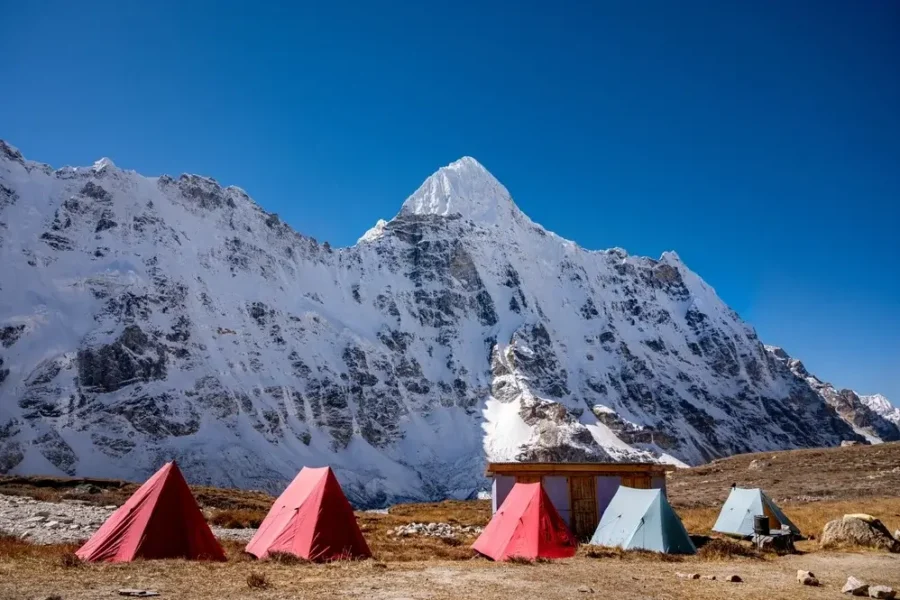
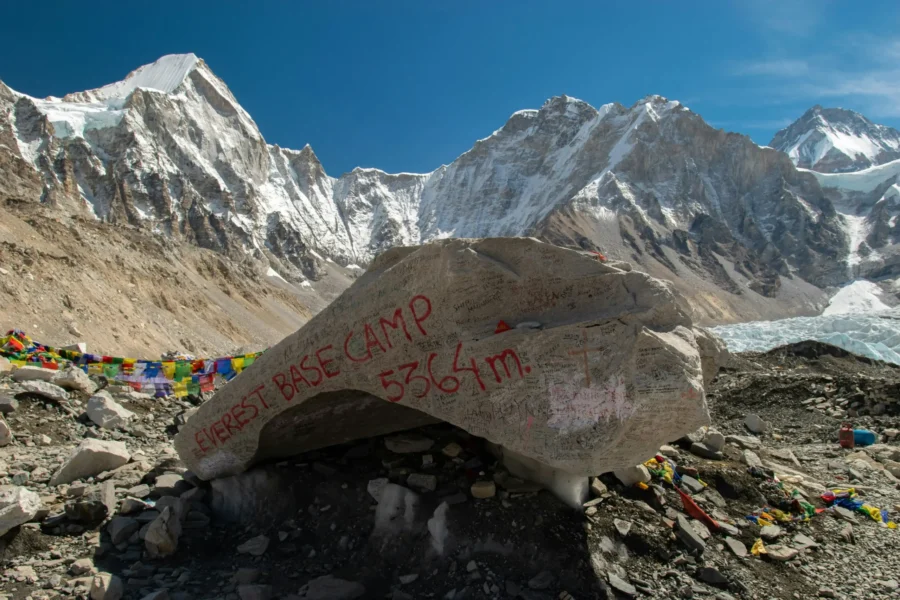
Annapurna bas camp