
12 Days
Daily Tour
15 people
English
The Annapurna Circuit Trek (12 days) is one of Nepal’s most iconic and world-renowned trekking adventures, offering a complete Himalayan experience through dramatic landscapes, rich cultural encounters, and breathtaking mountain scenery. This classic circuit trek takes adventurers around the Annapurna region, showcasing Nepal’s remarkable geographical and cultural diversity.
The journey begins with a scenic drive from Kathmandu to Tal (1,700m/5,577 ft), where the trek officially starts. From Tal, the trail follows the Marsyangdi River, passing through charming Gurung and Manangi villages such as Dharapani (1,860m), Chame (2,670m), Upper Pisang (3,300m), and Manang (3,540m). Along the way, trekkers experience changing landscapes, from subtropical valleys and pine forests to alpine meadows and rugged high-altitude terrain.
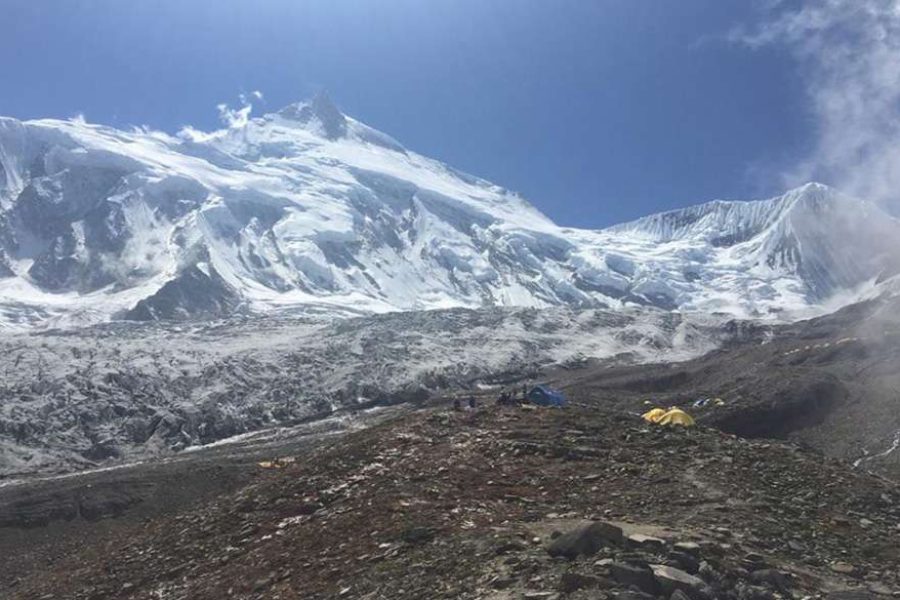
A dedicated acclimatization day in Manang allows trekkers to adjust to the increasing altitude while exploring the local culture influenced by Tibetan traditions. The route then gradually ascends through Yak Kharka (4,050m) and Thorong Phedi (4,540m) before reaching the trek’s highest and most challenging point, Thorong La Pass (5,416m / 17,769 ft). Crossing this high mountain pass is a rewarding achievement, offering panoramic views of the Annapurna and Dhaulagiri ranges.
After the pass, the trail descends to the sacred pilgrimage site of Muktinath (3,760m), an important spiritual destination for both Hindus and Buddhists. The trek continues through the picturesque village of Kagbeni (2,800m) to Jomsom (2,720m), where the walking portion of the trek concludes. From Jomsom, trekkers travel onward to Pokhara, a peaceful lakeside city ideal for relaxation by Phewa Lake after the adventure.
The 12-day Annapurna Circuit Trek covers elevations ranging from 1,700m to 5,416m and is considered moderate to challenging, making it suitable for trekkers with good physical fitness and a spirit of adventure. Known for its striking contrasts, cultural depth, and varied terrain, this trek is also a cost-friendly option for trekking enthusiasts from around the world.
The best seasons to trek the Annapurna Circuit are autumn (September–November) and spring (March–May), when the weather is stable, skies are clear, and mountain views are at their best.
With Himalaya Hub, all permits, logistics, and accommodations are carefully arranged to ensure a smooth and enjoyable experience. Our experienced local guides prioritize proper acclimatization, safety, and meaningful cultural insight throughout the journey.
Book your 12-day Annapurna Circuit Trek with Himalaya Hub and embark on an unforgettable journey that captures the true essence of the Himalayas, from lush valleys to the legendary Thorong La Pass.
All foreign travelers to Nepal (except Indian nationals) require a visa. Most visitors can obtain a visa on arrival at Kathmandu airport or border checkpoints. You will need a passport valid for at least six months, two passport-sized photos, and the visa fee. A standard 30-day visa costs approximately USD 50. For up-to-date information, check with Nepal Immigration before you travel.
Travel insurance is mandatory for trekking in Nepal. Your policy must cover medical treatment and emergency helicopter evacuation up to 5,000 meters. Always confirm with your insurance provider that these provisions are included before you start your trek.
Nepal’s official currency is the Nepali Rupee (NPR), with 1 USD roughly equal to NPR 133. We recommend exchanging money at official currency counters in Kathmandu (Thamel area). ATMs are widely available but may charge fees. If bringing Indian Rupees, only INR 100 notes are accepted in Nepal.
Plan for approximately USD 15 per day for personal expenses, including drinks, extra meals, snacks, souvenirs, and tips for guides or staff.
To trek the Annapurna Circuit, you will need two main permits: the Annapurna Conservation Area Permit (ACAP), which grants access to the protected region, and the Trekkers’ Information Management System (TIMS) card, which ensures safety and record-keeping for trekkers. With Himalaya Hub, all permits are arranged for you, so you can focus entirely on enjoying the breathtaking landscapes and vibrant local culture along the trail.
If you prefer private transportation or a flight instead of a tourist bus, would like to arrange your own hotel in Kathmandu or Besishahar, or are interested in booking only the trekking portion, please feel free to contact us. We’re happy to customize the trip to suit your preferences.
The 12-day cost-friendly Annapurna Circuit Trek in 2026 is a classic Himalayan adventure that takes you through a wide range of landscapes, from lush subtropical forests and river valleys to alpine terrain with spectacular views of the Annapurna and Dhaulagiri ranges. Whether this is your first high-altitude trek or you’re an experienced trekker, good preparation plays a vital role in making the journey safe and enjoyable.
Below are some essential tips for the Annapurna Trek in 2026 to help you prepare effectively, stay safe on the trail, respect local traditions, and minimize your environmental impact.
We offer daily departures on a private basis, giving you the flexibility to trek at your own pace. If you’d like to organize a custom group tour, feel free to reach out to us. We’re happy to tailor the experience to your needs.
Discover the incredible route of the Annapurna Circuit through our carefully designed interactive trek map. This detailed map highlights important landmarks, villages, high-altitude passes, and some of the most scenic viewpoints along Nepal’s most famous trekking trail.
Whether you’re actively planning your adventure or simply exploring the region, the map helps you understand the terrain, elevation changes, and daily walking routes, making it easier to navigate the Annapurna Himalayas with confidence. Get an immersive look at the trail and start visualizing your Annapurna Circuit journey today.
A typical day on the Annapurna Circuit starts early, around 6–7 AM, with breakfast at your teahouse. Trekkers usually walk 4–7 hours per day, covering 10–18 km, through river valleys, forests, terraced farmland, and high-altitude plateaus.
Breaks are taken along the way for water and snacks, with lunch often at a local teahouse. Afternoons continue at a steady pace, ending at the next lodge or teahouse, where you can rest, enjoy dinner, and socialize with fellow trekkers.
On higher-altitude sections, especially in villages like Manang, acclimatization days are included to reduce the risk of altitude sickness. Proper hydration, layered clothing, trekking poles, and pacing yourself are key for a comfortable and safe trek.
A typical day combines exercise, cultural experiences, and stunning Himalayan views, making each day on the Annapurna Circuit both challenging and rewarding.
This combination of road, trekking, and optional flights ensures a smooth, flexible journey from start to finish.
The Annapurna Circuit Trek is one of the most popular treks in Nepal, offering stunning landscapes and cultural experiences. While it is incredibly rewarding, understanding the trek’s difficulty is essential for preparation and a safe journey. The difficulty depends on altitude, trail conditions, fitness level, and weather.
The Annapurna Circuit is generally considered a moderate to challenging trek. Trekkers should have a good level of fitness and some prior experience with multi-day hikes, although beginners with proper preparation and guidance can also complete it successfully. The trek involves daily walking distances of 4–7 hours, steep ascents and descents, and walking on uneven, rocky paths.
One of the main challenges of the Annapurna Circuit is the high altitude. The trek starts at around 1,700m (5,577 ft) and reaches the highest point at Thorong La Pass (5,416m / 17,769 ft). At these altitudes, trekkers may experience mild to moderate altitude sickness, including headaches, nausea, and shortness of breath. Proper acclimatization days in Manang or other key points are crucial to minimize risks. Drinking plenty of water, ascending gradually, and avoiding overexertion are essential strategies for safe trekking.
The trail varies from lush subtropical valleys and pine forests to rocky high-altitude passes and windswept plateaus. While well-marked, some sections can be steep, slippery, or narrow, especially after rain or snow. Trekking poles and sturdy, waterproof hiking boots are highly recommended. Trekkers should also be prepared for temperature fluctuations, with warm days and cold nights, especially above 4,000m.
Trekkers typically walk 4–7 hours per day, covering distances of 10–18 km depending on the section. The trek usually takes 12–21 days, depending on the itinerary and pace. Longer itineraries allow more time for acclimatization and sightseeing, while shorter versions are more strenuous and require good fitness.
To comfortably complete the trek, it is recommended that trekkers:
Weather conditions can significantly affect the difficulty. The best seasons are autumn (September–November) and spring (March–May), with clear skies and stable temperatures. Winter trekking is colder and requires extra gear, while the monsoon season (June–August) brings heavy rainfall, slippery trails, and potential landslides, increasing risk and difficulty.
The Annapurna Circuit Trek is challenging but highly rewarding, offering unmatched Himalayan scenery, diverse landscapes, and cultural experiences. With proper preparation, acclimatization, and pacing, trekkers of varying experience levels can safely enjoy this iconic adventure.

 -11°C
-11°C



The Annapurna Circuit Trek is accessible year-round, but the best seasons for trekking are autumn (September–November) and spring (March–May), when weather conditions are stable, skies are clear, and mountain views are at their best.
Winter (December–February) is colder, with temperatures at high altitudes dropping well below freezing, while monsoon (June–August) brings heavy rainfall, landslides, and limited visibility, making trekking less safe and enjoyable.
Planning your trek in autumn or spring ensures optimal weather, clear mountain vistas, and a safe, memorable journey through the Annapurna region.
Before starting the Annapurna Circuit Trek, it’s important to have the right permits. These permits ensure a safe, legal, and responsible trek while supporting local communities and protecting the natural environment. Trekking permits should ideally be applied for at least 7–10 days before your trek to avoid any delays. You will need basic personal information, such as your full name, nationality, passport number, date of birth, and passport-sized photos for each permit.
All trekkers in Nepal must have a TIMS card, which acts as your official trekking ID. It helps authorities keep track of trekkers for safety purposes and is required at checkpoints along the trail. To apply for the TIMS card, you will need to provide your passport information, personal details, and a passport-sized photo. The card can be obtained in Kathmandu or Pokhara and should be carried with you throughout the trek.
The ACAP permit allows entry into the protected Annapurna Conservation Area. This permit contributes to the conservation of the region and supports local communities while you explore its stunning valleys, villages, and high-altitude landscapes. To apply, you’ll need your passport, personal details, and a passport-sized photo. The ACAP permit is valid for the duration of your trek and can be issued in Kathmandu, Pokhara, or at the entrance to the conservation area.
If your trek extends beyond the standard Annapurna Circuit, particularly into areas near Upper Mustang or other sensitive high-altitude zones, a restricted area permit may be required. You will need to provide passport information, personal details, and sometimes additional ID information depending on the region. Applying at least 7–10 days before your trek is recommended to ensure everything is processed in time.
Don’t worry, Himalaya Hub will arrange all your permits for you, and they are included in our Annapurna Circuit trek package. All you need to do is provide your passport details, photos, and personal information in advance, and we will handle the rest to make sure your trek starts smoothly.
| Item | Description | Quantity |
| Underwear | Breathable synthetic material (bring your own) | 3 |
| Socks | Wool trekking socks (bring your own) | 3 |
| Bra | Sports bra (bring your own) | As needed |
| Base Layer Pants | Merino wool thermal bottoms (bring your own) | 1 |
| Trekking Shirts | Lightweight synthetic shirts (bring your own or buy in Kathmandu) | 2 |
| Rain Pants | Lightweight synthetic rain pants (Frogg Toggs recommended) | 1 |
| Trekking Pants | Lightweight synthetic trousers (bring your own or purchase in Kathmandu) | 2 |
| Hiking Shoes / Boots | Reliable trekking footwear such as Salomon Quest 4D or X Ultra 3/4 (bring your own) | 1 pair |
| Camp Shoes | Down booties for comfort in the evenings (bring your own or buy in Kathmandu) | 1 pair |
| Gloves | One thin merino wool pair and one thick insulated pair | 2 pairs |
| Hat | Sun hat or peaked cap with neck protection (bring your own) | 1 |
| Down Jacket | Warm insulated jacket (bring your own) | 1 |
| Windbreaker | Lightweight windproof jacket (bring your own) | 1 |
The Annapurna Circuit Trek is much more than towering peaks and high mountain passes. It’s a journey through Nepal’s largest protected region, the Annapurna Conservation Area, where rich culture, diverse wildlife, and dramatic landscapes come together. This trek is perfect for travelers who love nature, culture, and adventure in equal measure.
Every village along the trail welcomes you with a warm “Namaste”, reflecting the genuine hospitality of mountain communities. As you walk, you’ll pass fluttering prayer flags, spin prayer wheels, and hear the gentle hum of Buddhist mantras. Sitting in a cozy teahouse while sharing a cup of butter tea with locals offers a glimpse into everyday Himalayan life. You may witness monks performing daily rituals in monasteries and gompas, and if your timing is right, you might even experience local festivals or traditional dances that bring villages to life.
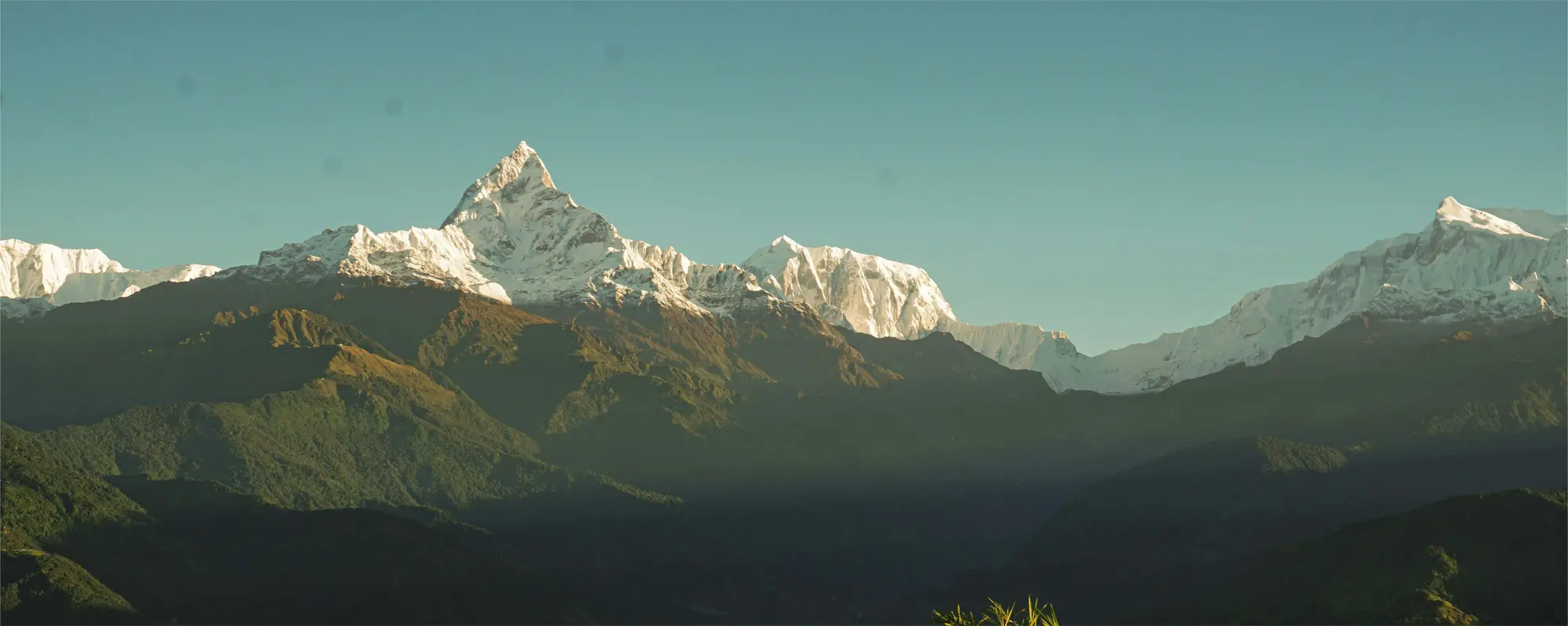
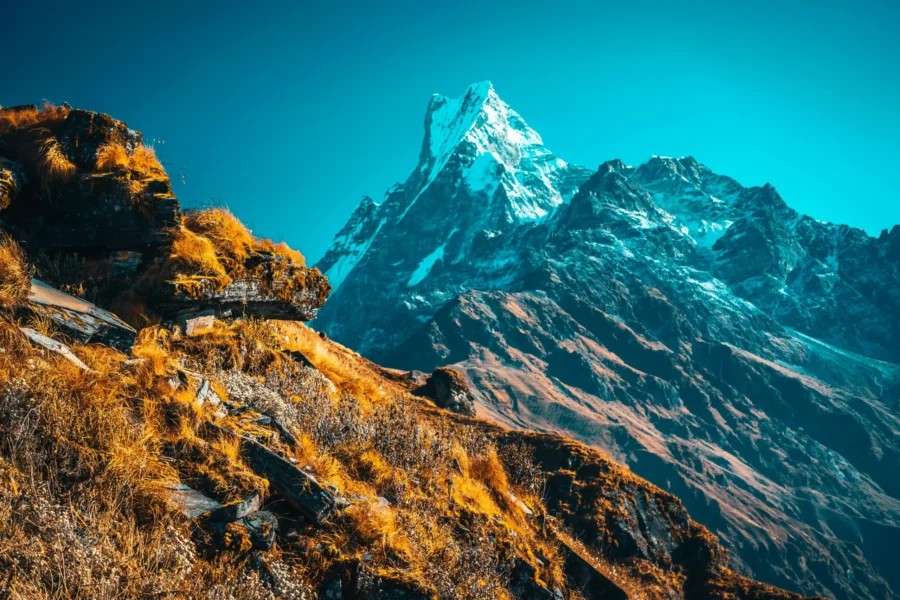
The Annapurna region is famous for its incredible variety of scenery. The trail takes you through lush green valleys, rocky alpine slopes, and even dry, desert-like terrain similar to Upper Mustang. One of the most striking sights is the Kali Gandaki Gorge, one of the deepest gorges in the world, carved between massive Himalayan giants.
Along the way, you’ll see breathtaking views of towering peaks such as Mt. Manaslu and the mighty Annapurna range. A popular side trip leads to Tilicho Lake, one of the highest lakes in the world. Its deep blue waters reflect the surrounding snow-covered mountains, and many believe the lake holds spiritual significance.
The trek introduces you to a wide range of ethnic communities. In the southern hills, Gurung and Magar villages welcome trekkers with warm smiles and strong traditions. Ghandruk, a classic Gurung village, is especially well known for its stone houses, mountain views, and welcoming atmosphere.
Further north, you’ll encounter Thakali, Manangi, and Loba communities, whose lives are deeply influenced by Tibetan Buddhism. Their villages are decorated with prayer flags, chortens, and small temples. In the mid-hills, you’ll also pass through settlements of Brahmin and Chhetri communities, offering a beautiful example of how different cultures and religions coexist peacefully in Nepal.
While wildlife sightings are less common near busy trails, the quieter valleys and high-altitude areas can offer special surprises. The region is home to the Himalayan tahr, often seen on rocky slopes, and the grey langur monkey in forested areas. Lucky trekkers may even spot rare species like the red panda or, in very rare cases, the elusive snow leopard.
Domesticated yaks are commonly seen grazing in high pastures around Yak Kharka, Thorong Phedi, and the Mustang side of the trail. Smaller animals like pikas and marmots are also frequent companions, often seen resting on sunny rocks.
Birdwatchers will find the Annapurna region especially rewarding. Overhead, you may spot eagles and vultures soaring above the passes. Forested areas are home to colorful species such as the Himalayan Monal (Nepal’s national bird), pheasants, cuckoos, bulbuls, thrushes, and even parakeets. Early mornings are filled with birdsong, adding a peaceful soundtrack to your trek.
Enjoy special rates when trekking with a group:
Bring your friends or join a group to make your Annapurna Circuit adventure even more rewarding!

The Annapurna Circuit Trek is a 12-day journey around the Annapurna mountain range in Nepal, offering diverse landscapes, high-altitude passes, and cultural experiences in Himalayan villages.
The trek is considered moderate to challenging, requiring good physical fitness due to steep ascents, descents, and high-altitude conditions.
The highest point is Thorong La Pass, situated at an elevation of 5,416 meters (17,769 feet).
Spring (March–May) and autumn (September–November) are the best seasons for the trek, offering clear skies and favorable weather.
Yes, you need the Annapurna Conservation Area Permit (ACAP) and a Trekkers' Information Management System (TIMS) card.
Yes, altitude sickness is a risk. Proper acclimatization and a gradual ascent are essential to minimize this risk.
The trek typically takes 12 days, but the duration can vary based on your pace and itinerary adjustments.
You’ll stay in teahouses or lodges, which offer basic facilities, including beds, shared bathrooms, and meals.
Teahouses serve local and international cuisine, including dal bhat, noodles, soups, and pasta. Vegetarian options are widely available.
While not mandatory, hiring a guide or porter is highly recommended for navigation, cultural insights, and carrying your load.
Essential gear includes trekking boots, layered clothing, a sleeping bag, trekking poles, and a backpack. A detailed packing list is recommended.
The cost ranges from $670 to $800 per person, depending on group size, accommodations, and additional services like guides or porters.
ATMs are rare beyond the starting points, so carry sufficient cash for the trek.
Weather varies by season. Spring and autumn are mild, while winter is cold, and summer (monsoon) can bring rain and landslides.
Yes, but prior physical preparation is essential, and beginners may benefit from hiring a guide for additional support.
Yes, acclimatization days are typically scheduled in places like Manang to help adjust to the altitude.
Yes, comprehensive travel insurance covering high-altitude trekking and emergency evacuation is mandatory.
Some teahouses offer hot showers for an additional fee, but availability may decrease at higher altitudes.
Your guide or trekking agency will assist with emergencies. Helicopter evacuations are available for severe cases, but insurance is necessary.
Yes, the trek can be customized to include additional side trips like Tilicho Lake or extended stays in certain villages.
| # | Discount group | From adult | To adult | Value |
|---|---|---|---|---|
| 1 | Pax | 2 | 4 | $730.00 |
| 2 | Pax | 5 | 9 | $700.00 |
| 3 | Pax | 10 | 15 | $670.00 |

Member Since 2025








Leave a review