5 Days Annapurna Base Camp Trek

Not Rated
Duration

5 Days

Tour Type

Daily Tour

Group Size

15 people

Languages

English

Overview

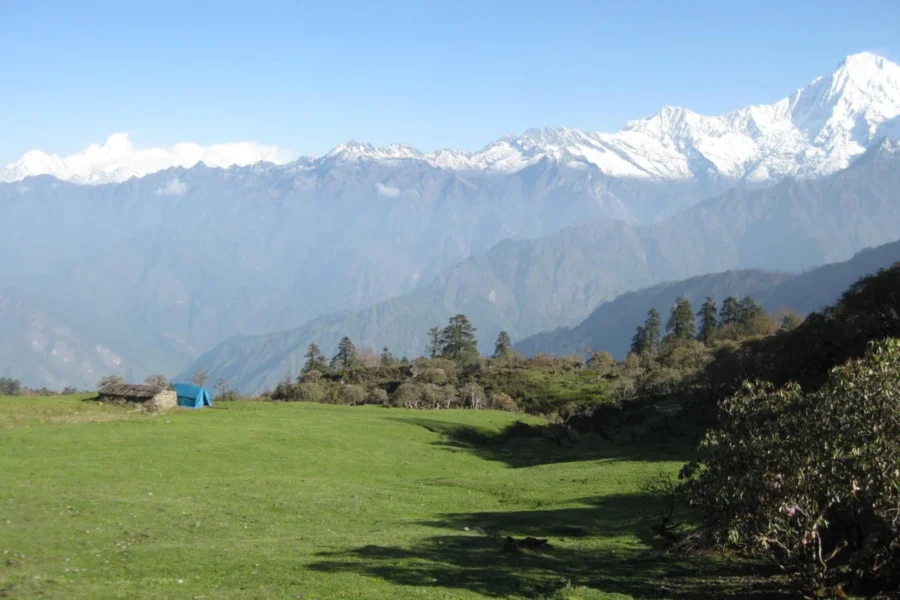
Ready for the ultimate Himalayan adventure? Our 5 Days Annapurna Base Camp Trek is the shortest route to Annapurna Base Camp (ABC), taking you to 4,130 meters in just five days. Known as the short ABC trek, this fast-paced journey from Pokhara offers stunning views of Annapurna I (8,091m), Machhapuchhre (6,993m), and more—perfect for trekkers seeking a short Annapurna Base Camp trekking experience. Whether you’re a seasoned hiker or a fit beginner, this Annapurna Base Camp short trek blends scenic beauty, cultural immersion, and high-altitude thrills into an affordable package starting at $540.

Unlike longer itineraries, our ABC short trek is a fast-paced, exhilarating experience that combines scenic beauty, cultural immersion, and high-altitude thrills. Perfect for fit travelers craving a taste of the Annapurna region, this short Annapurna Base Camp trekking package offers majestic views of peaks like Annapurna I (8,091m), Machhapuchhre (6,993m), and more—all without the time commitment of a 10-14 day journey to annapurna base camp.🔗 Cultural Tradition along the Annapurna Circuit Trek

Renowned for its scenic beauty, cultural depth, and varied terrain, this 5 days annapurna Base Camp Trek is a Cost friendly adventure for trekking enthusiasts from around the world.

Why Choose Our 5 Days ABC Trek Package?

  • Shortest Route to ABC: Reach Annapurna Base Camp in just 5 days—ideal for time-pressed adventurers.
  • Budget-Friendly: Priced at $500-$600, including meals, teahouse stays, guides, and permits.
  • Epic Views: See Annapurna South, Hiunchuli, and Fishtail Mountain up close.
  • Cultural Stops: Trek through Gurung villages like Chhomrong and Jhinu Danda.
  • Best for Short Trips: Perfect if you’re wondering, “How to do the ABC trek in 5 days?”

Download our free 5 Days ABC Trek Itinerary PDF here for a handy guide!

Departures & Dates

We have a daily trips available on private basis, To customize group tour please feel free to write us.

Explore the breathtaking route of the Annapurna Base Camp with our custom interactive map. This detailed trekking map highlights key landmarks, high-altitude passes, and scenic viewpoints across Nepal’s most iconic trail. Whether you’re planning your next adventure or simply discovering the beauty of the region, our map provides valuable insights and easy-to-follow directions to help you navigate the Annapurna Base Camp with confidence. Experience an immersive view of the trekking route and start planning your journey today.

Useful Information

Foods on the 5 Days Annapurna Base Camp Trek

Dining during the short Annapurna Base Camp trek is a delightful mix of hearty Nepali cuisine and trekker-friendly options. Teahouses along the route provide nutritious meals to fuel your journey. Here’s what to expect:

Typical Meals

  • Breakfast: Options include porridge (oats or cornmeal), Tibetan bread with honey or jam, pancakes, eggs (fried or boiled), and tea or coffee. Perfect for energizing your 5 days ABC trek.
  • Lunch: Dal Bhat (lentil soup with rice, vegetables, and pickle) is a trekker’s staple, offering protein and carbs. Alternatives include fried rice, noodles, or momos (Nepali dumplings).
  • Dinner: Similar to lunch, with added variety like pasta, pizza (basic versions), or vegetable curry with chapati. Warm soups are popular to combat the chilly nights at higher altitudes.
  • Snacks: Bring energy bars, nuts, or chocolate from Pokhara, as teahouse snacks (e.g., biscuits, instant noodles) are pricier higher up.

Dietary Notes

  • Vegetarian-Friendly: Most dishes can be adapted for vegetarians.
  • Hydration: Hot tea, ginger lemon honey, and boiled water (bring purification tablets) keep you hydrated.
  • Cost: Meals are included in the package ($500-$600), but extras like meat dishes or bottled drinks cost $2-$5 each, increasing with altitude.

The food keeps you fueled for the short Annapurna Base Camp trekking challenge while offering a taste of Nepali hospitality.

Accommodation on the Annapurna Base Camp Short Trek

The 5 days ABC trek features simple yet cozy teahouse stays, a hallmark of Himalayan trekking. Here’s what you’ll find:

Teahouse Details

  • Rooms: Basic twin-bed rooms with mattresses, pillows, and blankets. Solo travelers may share during peak seasons (bring a sleeping bag liner for comfort).
  • Amenities: Shared bathrooms with squat toilets; hot showers are available (solar-heated, $2-$4 extra) at lower stops like Chhomrong and Jhinu Danda but rare above Himalaya Hotel.
  • Heating: Common dining areas have wood stoves—great for warming up after a day on the shortest route to Annapurna Base Camp.
  • Locations: Overnight stays in Ghandruk, Chhomrong, Himalaya Hotel, ABC, Bamboo, and Jhinu Danda—all included in the package.

Comfort Level

Expect rustic charm over luxury. Teahouses get simpler as you ascend, with ABC offering the most basic setup (think cold nights and shared facilities). The focus is on rest and recovery for the next leg of your ABC short trek.

Health & Safety Tips for the 5 Days Annapurna Base Camp Trek

When trekking in high-altitude areas like Annapurna Base Camp, it’s important to prioritize your health and safety. The Annapurna region, while offering spectacular views, also presents challenges such as altitude sickness and varying weather conditions. Here are some essential tips to help you stay safe and enjoy your trek:

 Altitude Sickness: Understanding and Prevention

Altitude sickness, or Acute Mountain Sickness (AMS), can affect trekkers who ascend too quickly to higher elevations. Symptoms can include headaches, dizziness, nausea, and difficulty sleeping. To minimize the risk:

  • Ascend Gradually: The key to avoiding altitude sickness is a gradual ascent. The 5 Days Annapurna Base Camp Trek is designed with adequate rest periods to allow for proper acclimatization. However, listen to your body and don’t rush.
  • Take Rest Days: While this is a short trek, it’s essential to include rest days when trekking at high altitudes. Plan short days and breaks to ensure your body can adjust to the thinner air.
  • Stay Hydrated: Drink plenty of fluids throughout the trek. Hydration helps your body adjust to the altitude and prevents dehydration, which can exacerbate AMS symptoms. Aim for at least 3-4 liters of water per day.
  • Avoid Alcohol: Alcohol can contribute to dehydration and impede your body’s ability to adjust to the altitude. It’s best to avoid drinking while trekking.
  • Recognize Symptoms Early: Familiarize yourself with the early symptoms of altitude sickness, which include:
    • Headache
    • Nausea or vomiting
    • Dizziness
    • Fatigue
    • Loss of appetite

    If you experience any of these symptoms, inform your guide immediately and rest. If symptoms worsen, it may be necessary to descend to a lower altitude.

Staying Hydrated

Hydration is crucial, not just for combating altitude sickness but also for your overall well-being during the trek.

  • Carry a Water Bottle: Always carry a reusable water bottle and refill it along the trek. Many teahouses along the Annapurna Base Camp route offer purified water or boiled water that you can use to fill your bottle.
  • Water Purification: If you’re concerned about water quality, consider carrying a water filter or purification tablets. This will ensure you have access to clean drinking water throughout the trek.
  • Electrolyte Balance: Sometimes water alone isn’t enough. Consider carrying electrolyte tablets or hydration powder to help maintain your salt and mineral balance, especially if you’re sweating heavily.

Proper Nutrition and Food Intake

Trekking at high altitudes requires more energy than regular hiking, so eating properly is essential to sustain your energy levels:

  • Eat Regularly: Make sure to eat regularly to keep your energy levels high. Breakfasts often include oatmeal, eggs, bread, or pancakes, while dinners feature dal bhat (lentil soup), pasta, and rice dishes. These meals provide the necessary carbohydrates, proteins, and fats for sustained energy.
  • Snacks: Carry energy snacks like nuts, energy bars, chocolate, or dried fruit to snack on during the trek.
  • Light Meals: Eat light but frequent meals to avoid feeling too full or sluggish, especially at higher altitudes where digestion can be slower.

Weather Awareness

The weather in the Annapurna region can change rapidly, and it’s essential to be prepared for all conditions.

  • Layer Your Clothing: The weather can be unpredictable, so always dress in layers. Use moisture-wicking fabrics for your base layer, followed by an insulating layer, and then a waterproof jacket as an outer layer.
  • Be Prepared for Cold: Even in the lower altitudes, temperatures can drop significantly in the evenings and mornings. Make sure to pack warm clothing, especially if you’re trekking in winter (December to February).
  • Rain and Snow: If trekking in the rainy season (June to September) or winter, make sure to bring waterproof gear and be prepared for possible snowfall or rain. Trekking poles can also provide stability in slippery conditions.

Physical Fitness and Preparation

To enjoy the trek and reduce the risk of injury, physical fitness is important:

  • Train Before the Trek: While the 5 Days Annapurna Base Camp Trek is moderate in difficulty, it’s still important to train. Cardiovascular exercises (like running, cycling, or brisk walking) and leg strengthening exercises (like squats and lunges) will help improve your stamina and endurance for uphill climbs.
  • Stretch and Warm-Up: Before each day’s trek, warm up and stretch your muscles to avoid injuries. Simple stretches can help keep your legs and back loose, especially before long climbs.
  • Rest and Listen to Your Body: Don’t overexert yourself. If you’re tired, take a break. It’s important to keep a comfortable pace and listen to your body throughout the trek.

Trekking with a Guide and Porter

For added safety, it’s always best to trek with an experienced guide and porter, especially if you’re new to the region or trekking in Nepal:

  • Guides: An experienced guide can help navigate the route, offer valuable insights into the local culture, and provide first aid if necessary.
  • Porters: Hiring a porter will help reduce your load and allow you to focus on the trek itself. This also contributes to the local economy and ensures a more comfortable experience.

Best Time for the Annapurna Base Camp Short Trek

The shortest route to Annapurna Base Camp shines brightest in:

  • Spring (March-May): Clear skies and blooming rhododendrons.
  • Autumn (September-November): Crisp weather and unobstructed mountain views.

Avoid monsoon (June-August) and heavy winter (December-February) for the best short ABC experience.

Cost of the 5 Days Annapurna Base Camp Trek

Our ABC short trek package is priced competitively at $500-$600 per person (group rates available). This makes it one of the most affordable ways to experience the short Annapurna Base Camp trekking adventure without sacrificing quality.

Why This is the Shortest Route to Annapurna Base Camp

Unlike traditional 10-14 day itineraries that include detours like Poon Hill, our 5 days ABC trek cuts straight to the chase. Starting closer to the base camp (e.g., Ghandruk or Siwai) and skipping extra acclimatization stops, we maximize efficiency while ensuring safety for fit trekkers.

Book Your Annapurna Short Trek Today!

Ready to conquer the Annapurna Base Camp short trek? Whether you call it the ABC short trek, short Annapurna Base Camp, or 5 days ABC, this package delivers an epic Himalayan adventure in record time. Contact us now to secure your spot for 2025 and experience Nepal like never before!

Bonus: Pair Your Trek with Other Adventures

Extend your trip with:

  • Paragliding in Pokhara: Soar above the Himalayas.
  • Trishuli River Rafting: Add a splash of adrenaline.
  • Chitwan Jungle Safari: Explore Nepal’s wildlife.

Difficulty Along the 5 Days Annapurna Base Camp Trek

The Annapurna Base Camp short trek is moderate to strenuous. Here’s how it breaks down:

  • Day 1: Moderate—5 hours, gradual climbs, forest trails.
  • Day 2: Moderate to Strenuous—6-7 hours, 700m gain, steep sections.
  • Day 3: Strenuous—6-7 hours, 1,230m gain, high altitude.
  • Day 4: Moderate—6-7 hours, steep descent, knee strain.
  • Day 5: Moderate—5 hours, mixed terrain, hot springs reward.

Prep Tips: Train with cardio, stair climbing, and 5-7 hour hikes. Hydrate and consider Diamox for altitude on this short Annapurna trekking route.

Packing List for the 5 Days ABC Trek

  • Clothing: Moisture-wicking layers, fleece, down jacket, waterproof shell, trekking pants (not Lululemon ABC shorts!).
  • Footwear: Sturdy boots, camp sandals.
  • Gear: Daypack (10-15kg with porter), trekking poles, headlamp, water bottle.
  • Extras: Sunglasses, sunscreen, first-aid kit, snacks.

See our full gear guide here for more tips!

Weather Conditions by Month

Spring (Mar-May): Clear skies, 5-15°C, rhododendrons bloom—ideal for the 5 days ABC trek.

Autumn (Sep-Nov): Crisp, 0-10°C, best views.

Avoid: Monsoon (Jun-Aug, rain/slips) and Winter (Dec-Feb, snow).

How to Reach Pokhara for the 5 Days ABC Trek

  • From Kathmandu: 6-7 hour bus ($10-$15) or 25-minute flight ($100-$120).
  • From India: Fly to Kathmandu, then connect to Pokhara.
  • Local: Taxis or buses from Pokhara to trek start.

Plan your Nepal trip here!

Explore More Unforgettable Treks in the Annapurna Region

The Annapurna region offers a diverse range of trekking experiences, from short treks to longer, more challenging adventures. Whether you’re a seasoned trekker or a first-time adventurer, there’s something for everyone in this stunning part of Nepal. Explore our exclusive Annapurna trekking packages and choose the one that best fits your adventure spirit!

Ready for Your Annapurna Adventure?

Browse through our full range of Annapurna Region Treks and find the perfect journey that suits your time, fitness, and adventure level. We promise you an unforgettable adventure in the heart of Nepal’s majestic Himalayas.

Have questions or need advice? Our experts are here to help you choose the best trek for you. Contact Us for more details.

Why Trek with Himalaya Hub?

  • Experienced Guides: Our professional guides are well-versed in the Annapurna region and ensure your safety while providing valuable insights into local culture and history.
  • Personalized Service: We believe in making every trek special, so we provide personalized itineraries, small group sizes, and flexible schedules.
  • Safety First: Your safety is our priority. We provide high-quality gear, proper acclimatization schedules, and real-time communication during the trek.
  • Unforgettable Experience: Our focus is on creating an unforgettable experience for every trekker. We aim to make your journey as enjoyable and rewarding as possible.

Bulk discount adult
# Discount group From adult To adult Value
1 Pax 5 7 $340.00
2 Pax 8 10 $310.00
3 Pax 11 15 $280.00

Day 01 :Trek to Ciwai to Sinuwa

 After breakfast in Pokhara hotel drive 4hrs to Ciwai (1500m) trekking starting point then commence trek to Sinuwa (2300m) overnight at guest house
  •  BLD
  •  Guest House
  •  2300m

Day 02 :Trek Sinuwa to Deurali

Trek Sinuwa to Deurali (3200m) 7hrs , overnight at guest house.
  •  BLD
  •  Guest House
  •  3200m

Day 03 :Trek Deurali to ABC

 Trek Deurali to ABC (4,130m) 5-6hrs , overnight at guest house.
  •  BLD
  •  Guest House
  •  4310m

Day 04 :Trek down to Sinuwa

Trek down to Sinuwa (2,300m) 8hrs, overnight at guest house.
  •  BLD
  •  Guest House
  •  2300m

Day 05 :Trek to Jhinu Danda & Back to Pokhara

Trek to Hot spring, Jhinu Danda (1,700m) 4hrs , then drive back to Pokhara, overnight at hotel in Pokhara.
  •  BLD
  •  Hotel
  •  1700m

  • Guide (his salary, food, insurance, transport, equipment) during the trek.
  • Porter (his salary, food, insurance, transport, equipment) during the trek.
  • Your food 3 meals a day (Breakfast, Lunch and Dinner) during the trek
  • Your mountain accommodation during the trek
  • ACAP (Annapurna conservation area permit)
  • TIMS (Trekkers Information Management System)
  • Transportation by sharing Jeep from Pokhara hotel to Ciwai (Trekking starting point) and at the end from Ciwai back to Pokhara hotel.
  • Sleeping bag & down jacket (you need to return after complete your trek)
  • Medical kits
  • Register your name in the embassy
  • All government tax & official expenses
  • Your travel insurance
  • All bar bills (soft, hot & alcoholic drinks) during the trek
  • Hot shower, battery charge, telephone call, Wi-Fi, sweets, cigarette and your personal expenses during the trip, beyond I mention above in a price included section
  • Any loss arising due to unforeseen circumstances is beyond Himalaya Hub Adventure
  • Tips for guide

English

Nepal

Tour's Location

What is the best time for the Annapurna Base Camp?

The best seasons for trekking are spring (March to May) and autumn (September to November). During these times, the weather is clear, and you can enjoy breathtaking mountain views, vibrant rhododendron forests, and comfortable trekking conditions.

How difficult is the Annapurna Base Camp Trek?

The trek is considered moderate in difficulty, suitable for both beginner and experienced trekkers. While it involves walking for 5-7 hours a day at high altitudes, no technical climbing skills are required.

How long does it take to complete the Annapurna Base Camp Trek?

The trek typically takes 7-12 days, depending on the itinerary and starting point. Shorter treks are available, but they require more physical endurance.

Is altitude sickness a concern during the trek?

Yes, altitude sickness is a possibility as you climb above 4,000 meters. Proper acclimatization, staying hydrated, and taking it slow can help prevent it.

What kind of accommodation can I expect?

Meals on the trek are included in your package, providing three meals a day—breakfast, lunch, and dinner—at the tea houses. Accommodation is typically in teahouses, with a variety of basic amenities such as a bed, blanket, and meals. Some teahouses provide hot showers and Wi-Fi at an extra cost.

What makes Annapurna Base Camp unique compared to other trekking destinations?

The trek offers a perfect mix of natural beauty, cultural experiences, and the close-up view of towering peaks like Annapurna I (8,091m)Machapuchare (6,993m), and Hiunchuli (6,441m).

Are there cultural or religious sites along the trek?

Yes, the trek passes through traditional Gurung and Magar villages where you can experience local culture, temples, and monasteries.

Can children or older adults do the Annapurna Base Camp Trek?

With proper planning and pacing, the trek is suitable for children above 10 years and older adults in good health.

Reviews

0/5
Not Rated
Based on 0 review
Excellent
0
Very Good
0
Average
0
Poor
0
Terrible
0
Showing 1 - 0 of 0 in total

Write a review

from $540.00

Owner

himalayaadmin

Member Since 2025

1 Reviews

You might also like