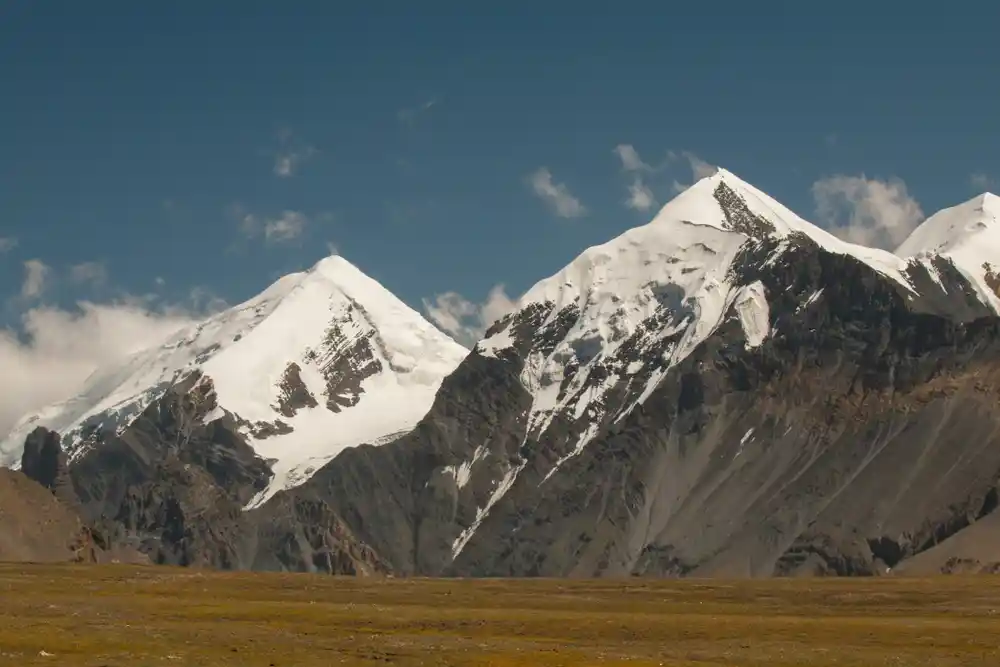
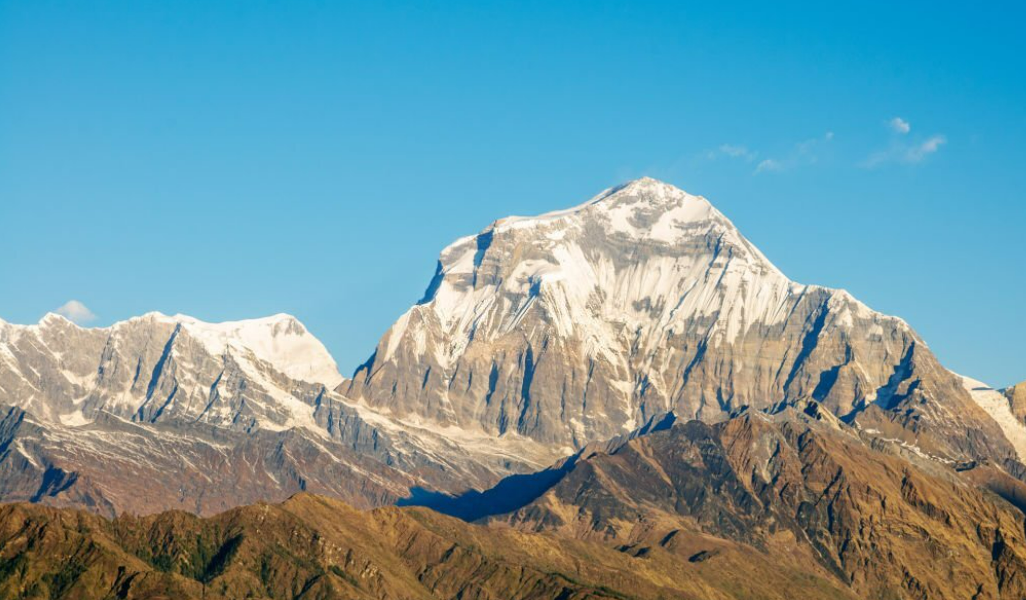
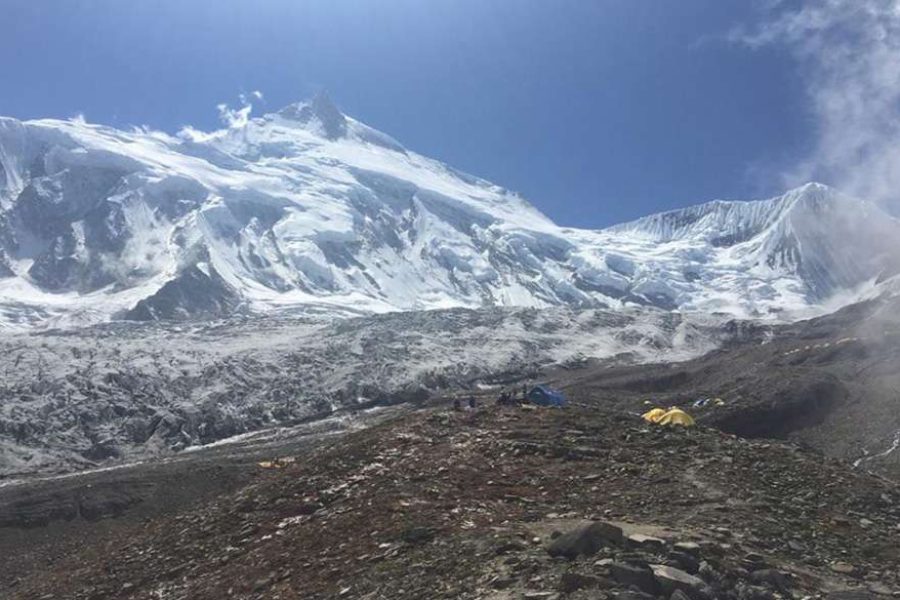
The Dhaulagiri Region is one of Nepal’s most dramatic and adventurous destinations, celebrated for its towering Himalayan peaks, remote mountain landscapes, and challenging trekking routes. Located in western Nepal, the region is dominated by the magnificent Dhaulagiri I (8,167 m), the world’s seventh-highest mountain, along with an impressive collection of neighboring peaks including Dhaulagiri II, III, IV, V, Tukuche Peak, and Gurja Himal. Renowned for its rugged beauty and untouched wilderness, the Dhaulagiri Region attracts experienced trekkers, mountaineers, photographers, and adventure seekers looking to explore one of Nepal’s most remote Himalayan frontiers.
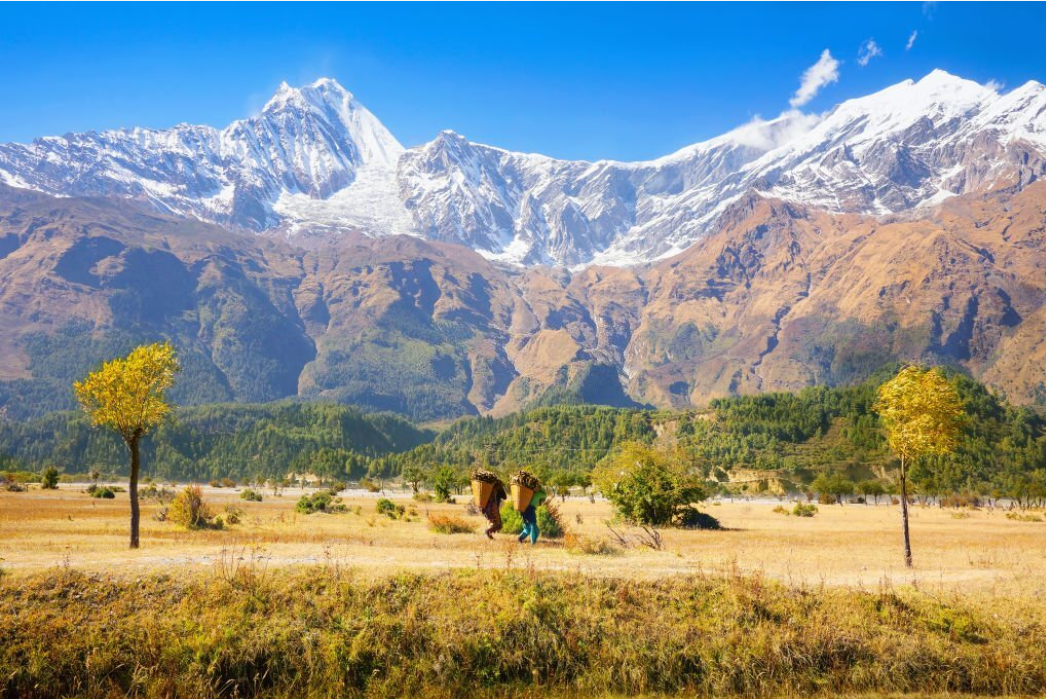
Stretching from fertile river valleys to glaciers, high mountain passes, and snow-covered summits, the Dhaulagiri Region offers an extraordinary variety of landscapes and ecosystems. Trekkers travel through traditional villages, terraced farmlands, dense forests of pine, oak, and rhododendron, deep river gorges, alpine meadows, glacial moraines, and vast icefields before reaching the heart of the Dhaulagiri Massif. This remarkable diversity creates one of Nepal’s most rewarding and unforgettable trekking experiences.
The Dhaulagiri Region experiences a wide range of climatic conditions due to its significant variation in elevation. Lower valleys enjoy a warm subtropical climate with fertile agricultural land, while the middle hills experience mild temperate weather. As the trails ascend, the landscape transitions through subalpine forests and alpine grasslands before reaching permanent snowfields, glaciers, and rugged high-altitude terrain surrounding the Himalayan giants.
Five distinct seasons shape the beauty of the Dhaulagiri Region throughout the year. Spring brings colorful rhododendron blooms, fresh mountain air, and clear Himalayan views. Summer offers warmer temperatures before the monsoon rains rejuvenate the forests and valleys with vibrant greenery. Autumn is considered the finest trekking season, featuring stable weather, crystal-clear skies, and exceptional mountain panoramas. Winter transforms the higher elevations into a breathtaking landscape of snow and ice, creating dramatic alpine scenery.
The Dhaulagiri Region is home to a rich blend of ethnic communities, including the Magar, Gurung, Thakali, Chhetri, Brahmin, and Tibetan-influenced Himalayan peoples. Each community preserves its own distinctive traditions, architecture, languages, festivals, and cultural practices. Visitors are welcomed with genuine hospitality while experiencing authentic mountain lifestyles that have been shaped by generations of life in the Himalayas.
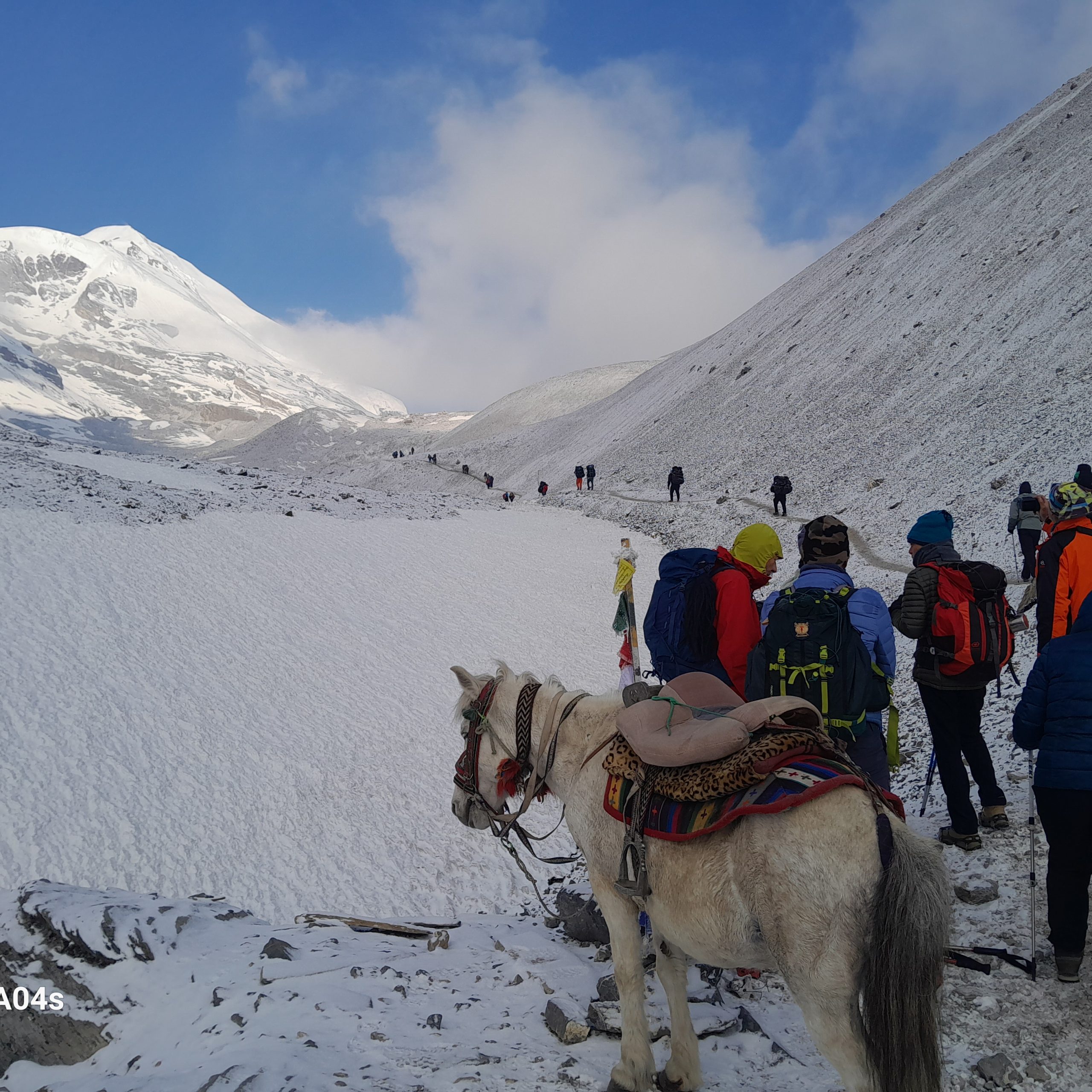
The region is internationally recognized for its challenging trekking adventures. The renowned Dhaulagiri Circuit Trek is regarded as one of Nepal’s most demanding and rewarding trekking routes, taking adventurers across remote valleys, glaciers, and high mountain passes such as the French Pass (5,360 m) and Dhampus Pass (5,200 m). Along the way, trekkers encounter spectacular icefalls, pristine alpine landscapes, hidden valleys, and breathtaking views of Dhaulagiri, Annapurna, Nilgiri, and surrounding Himalayan peaks.
Local cuisine plays an important role in every journey through the Dhaulagiri Region. Dal Bhat remains the preferred meal for trekkers, offering a nutritious combination of rice, lentil soup, vegetables, and curries that provide energy for demanding mountain trails. Visitors can also enjoy traditional Magar, Gurung, and Thakali specialties, homemade breads, noodles, soups, momos, locally grown potatoes, yak dairy products, and seasonal dishes prepared with fresh local ingredients.
Throughout the year, local communities celebrate vibrant festivals that reflect the region’s rich cultural traditions. Dashain, Tihar, Maghe Sankranti, Lhosar, and numerous local festivals feature traditional music, folk dances, religious ceremonies, and community gatherings that provide visitors with meaningful insights into the customs and heritage of the Himalayan people.
Religious harmony has long been an important part of life in the Dhaulagiri Region. Hinduism, Buddhism, and indigenous beliefs coexist peacefully, with ancient monasteries, temples, prayer flags, chortens, mani walls, and sacred mountain shrines scattered throughout the landscape. These spiritual landmarks reflect centuries of faith, cultural exchange, and respect for nature.
Beyond trekking, the Dhaulagiri Region offers numerous opportunities for adventure and exploration. Visitors can enjoy mountaineering, wildlife observation, birdwatching, photography, camping, cultural village tours, glacier exploration, and scenic viewpoints overlooking some of the highest mountains on Earth. The region’s remote wilderness and peaceful surroundings make it an ideal destination for travelers seeking solitude, adventure, and authentic Himalayan experiences.
Much of the Dhaulagiri Region lies within ecologically important landscapes that support diverse ecosystems, pristine forests, alpine meadows, glaciers, and rare Himalayan wildlife. The area provides habitat for species such as the snow leopard, Himalayan tahr, blue sheep, musk deer, Himalayan black bear, red panda, and numerous bird species. Combined with its extraordinary mountain scenery, rich biodiversity, vibrant cultural heritage, and warm hospitality, the Dhaulagiri Region offers an unforgettable experience for travelers seeking both adventure and genuine Himalayan culture.
The Dhaulagiri Region is more than a trekking destination—it is a land of towering peaks, remote wilderness, ancient traditions, and breathtaking natural beauty. Here, every trail leads to unforgettable mountain vistas, authentic cultural encounters, and experiences that capture the true spirit of the Himalayas. Discover the majestic Dhaulagiri Region and explore one of Nepal’s most spectacular and least-explored mountain landscapes.