


Key Takeaways
- Everest Base Camp trek is a moderate-difficulty high-altitude journey in Nepal’s Khumbu region, reaching 5,364 m, with Kala Patthar offering the best close-up views of Mount Everest
- The ideal trek duration is 13–14 days, including key acclimatization stops at Namche Bazaar and Dingboche to reduce altitude sickness risk
- Proper preparation is essential, focusing on cardio fitness, strength training, hiking practice, and understanding altitude-related health and safety
- Required permits include the Sagarmatha National Park Permit and Khumbu Pasang Lhamu Rural Municipality Permit, with teahouse accommodation available throughout the route
A trek to Everest Base Camp (EBC) is a popular goal for many adventurers worldwide. This guide provides a comprehensive overview to help you plan and prepare for your Everest Base Camp trekking experience.
Understanding the Everest Base Camp Trek
The Everest Base Camp Trek leads you through the Khumbu Valley, offering stunning views of four of the world’s six highest peaks: Mt. Everest (8,848m), Mt. Lhotse (8,516 meters), Mt. Makalu (8,470 meters), and Cho Oyu (8,201 meters). This classic trek follows the path of early Mount Everest pioneers like Sir Edmund Hillary and Tenzing Norgay, starting from Lukla and continuing to Base Camp. Along the way, you’ll stay in teahouses, experiencing the local Sherpa culture and their deep spiritual connection to the mountains. The trek also provides opportunities to visit Buddhist monasteries and ascend Kala Patthar, reaching an altitude of 5,500m for awe-inspiring views of Mount Everest.
Location and Starting Points
The Everest Base Camp trek is located within the Everest or Khumbu region of Nepal. Most treks involve flying into Lukla, which is a common starting point. However, some treks start at Jiri, which does not require a flight.
Key Elevations
The Everest Base Camp sits at 5,364 meters (17,598 feet) above sea level, making it one of the highest trekking destinations in the world. Trekkers will also have the chance to hike to Kala Patthar, which is 5,555 meters (18,208 feet) high. Kala Patthar is considered the best viewpoint for close-up panoramic views of Mount Everest.
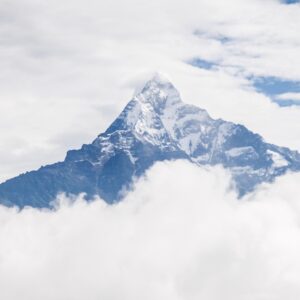
Everest Base Camp Trek Itinerary Overview
Most treks to Everest Base Camp typically take an average of 13 to 14 days. Some treks can be completed in 10 to 12 days if conditions are ideal. However, a recommended duration for the Everest Base Camp trek is fourteen days. This duration allows for proper acclimatization and also accounts for potential flight delays.
Sample Day-by-Day Itinerary
This sample itinerary combines stunning landscapes, cultural immersion, and a rewarding sense of achievement, balancing acclimatization and efficient timing for a smooth ascent to Everest Base Camp.
- Day 1: Flight from Kathmandu/Manthali to Lukla and trek to Phakding. The flight from Kathmandu takes about 40 minutes, while from Manthali it’s about 20 minutes. From Lukla, trekkers will descend to Dudhkoshi Ghat and then reach Phakding. This first day of trekking is usually short and enjoyable, lasting around 3 hours, allowing for acclimatization. Accommodation is typically an overnight stay at Khumbu Travel Lodge with a room with an attached bathroom and included standard meals.
- Day 2: Trek from Phakding to Namche Bazaar. This 6-hour trek covers a distance of 7.4km (4.6 miles) and involves crossing several suspension bridges over the Dudh Koshi River, including the Hillary Suspension Bridge. Trekkers will pass through the Sagarmatha National Park check post where permits are registered, and may catch their first glimpse of Mt. Everest. An overnight stay at Sakura Guest House with an attached bathroom and standard meals is common.
- Day 3: Rest day and acclimatization at Namche Bazaar. This day is dedicated to acclimatization, where trekkers can explore Namche Bazaar, which offers WiFi-linked cafes, restaurants, souvenir, and gear shops. Hiking options include visiting Hillary School, Sherpa settlements, Syangboche Airport, and yak farms, or a hike to the Everest View Hotel for breathtaking views of Mt. Everest. Accommodation at Sakura Guest House with an attached bathroom and standard meals is provided.
- Day 4: Trek from Namche to Tengboche/Deboche. This 5-hour trek covers 9.2km (5.7 miles) through forests with ups and downs. Trekkers might spot musk deer, pheasants, and Himalayan Thars. The trail descends to Phunki Thenga Village before continuously ascending to Tengboche, which offers stunning views of Everest, Nuptse, Lhotse, and Ama Dablam. The biggest Buddhist monastery in the Khumbu Region, the Tengboche Monastery, can be seen. An overnight stay is typically at Hotel Good Luck in Deboche with standard meals.
- Day 5: Trek from Tengboche to Dingboche. This 5-hour trek covers 12km (7.45 miles) and passes chortens, mani walls, and small villages like Pangboche, offering views of Mt. Ama Dablam. Trekkers will gain altitude, observing fields surrounded by stone walls where locals grow barley, buckwheat, and potatoes. Overnight stay at Hotel Good Luck in Dingboche with standard meals is included.
- Day 6: Rest day and acclimatization at Dingboche. Another acclimatization day to adjust to the considerable altitude gained. Trekkers can walk up the ridge above Dingboche for views of Ama Dablam, Island Peak, Cho Oyu, and Makalu. Standard meals and an overnight stay at Hotel Good Luck are provided.
- Day 7: Trek from Dingboche to Lobuche. This 5-hour trek covers 8.5km (5.2 miles) and leads along the Khumbu Glacier to the Thukla Hills, where memorial statues of climbers are located. The trek continues to Lobuche, the destination for the day. An overnight stay at Himalayan Eco Resort with standard meals is typical.
- Day 8: Trek from Lobuche to EBC and back to Gorak Shep. This is a long day, lasting 6-8 hours and covering 15km (9.32 miles). The trek follows the lateral moraine of the Khumbu Glacier to Gorak Shep Village. After a short rest, trekkers hike to Everest Base Camp for incredible photos and reflection. Afterward, the trek returns to Gorak Shep for the night. Overnight at Buddha Lodge at Gorak Shep with standard meals.
- Day 9: Hike to Kala Patthar viewpoint, trek to Gorak Shep, then to Pheriche. An early morning hike to Kala Patthar offers awe-inspiring sunrise views of Mt. Everest and other peaks. After returning to Gorak Shep for breakfast, the trek continues to Pheriche, covering 9.6km (6 miles) in about 5 hours. Overnight stay at Himalayan Hotel with standard meals.
- Day 10: Trek from Pheriche to Tengboche. This 4-5 hour trek covers 8.5km (5.2 miles), passing through rhododendron and juniper forests across the Imja Khola bridge. Overnight stay at Hotel Good Luck with standard meals is included.
- Day 11: Trek from Tengboche to Namche Bazaar. This 5-hour trek covers 9.2km (5.7 miles) through forests where high-altitude wildlife like pheasants, musk deer, and mountain goats can be seen. Trekkers will also see prayer flags, chortens, and views of Lhotse and Mt. Everest. Overnight stay at Sakura Guest House with an attached bathroom and standard meals.
- Day 12: Trek from Namche Bazaar to Phakding. This is a shorter 4-hour trek covering 7.4km (4.5 miles) along the banks of the Dudh Koshi River, crossing many suspension bridges and passing through small villages. Overnight stay at Khumbu Travel Lodge with standard meals.
- Day 13: Trek from Phakding to Lukla. This 3-4 hour trek covers 6.2km (3.8 miles) and marks the end of the trekking portion. The route is mostly gentle uphill to Kusum Stream, with a steep climb to Toktok before reaching Lukla. Overnight stay at Comfort Inn with standard meals is provided.
- Day 14: Fly back to Kathmandu/Manthali from Lukla. The flight duration is approximately 40
minutes to Kathmandu or 20 minutes to Manthali. During peak seasons (March, April, May, September, October, and November), flights from Lukla may be to Manthali Airport, followed by a 5-hour drive to Kathmandu. In other months, flights return directly to Kathmandu. Breakfast is included on this day.
Training for the Everest Base Camp Trek
Being in good physical shape is vital for a successful high-altitude trek to Everest Base Camp. Training should involve a mix of cardiovascular, climbing, strength, and flexibility conditioning to prepare your body for the demands of the trek.
- Cardiovascular Endurance: Aerobic training is very important as it helps your body use oxygen better, which is crucial at high altitudes where there is less oxygen. Good exercises include running, walking on an inclined treadmill, stair climbing, trail running, using an elliptical machine, and walking up and down hills. You should aim for three to four 30-minute exercise sessions at a moderate level of effort, eventually increasing to four to six sessions of 45-60 minutes.
- Strength Endurance: Building strong muscles in your core, upper back, shoulders, and legs is essential for carrying a backpack and walking on difficult trails. Using free weights is especially good for building practical strength that you will need for trekking.
- Hiking-Specific Training: To get ready for the actual trek, you should gradually increase how fast and long you hike, and how much weight you carry in your backpack (about 10-15 lbs) during your weekly training. About a month before your trek, practice “back-to-back training”. This means hiking on two days in a row during the weekend. On the first day, carry your full target pack weight (about 20 lbs) and gain 2,000-3,000 feet in elevation. On the second day, carry a lighter pack but hike for a longer distance.
- Flexibility Conditioning: After every workout, spend 5-10 minutes stretching to improve your flexibility. Focus on stretching your hamstrings, glutes, hips, calves, lower back, and quadriceps.
- Flexibility Conditioning: After every workout, spend 5-10 minutes stretching to improve your flexibility. Focus on stretching your hamstrings, glutes, hips, calves, lower back, and quadriceps.
Required Permits and Their Costs
Obtaining the necessary permits is a critical step for planning your Everest Base Camp trek in 2025. Two permits are mandatory for trekking in the Everest region: the Sagarmatha National Park Entry Permit and the Khumbu Pasang Lhamu Rural Municipality Entry Permit. The Trekker’s Information Management System (TIMS) Card is no longer required for the Everest Base Camp Trek as of July 3rd, 2023.
Sagarmatha National Park Entry Permit:
- Purpose: This permit is essential for entering Sagarmatha National Park, a UNESCO World Heritage Site known for its landscapes and biodiversity. The funds from this permit go towards conservation efforts to protect the park’s environment, wildlife, and cultural heritage.
- Cost: For foreign trekkers, the cost is NPR 3,000 per person (excluding VAT). For SAARC nationals, the cost is NPR 1,500, and for Nepalis, it’s NPR 100. Children under 10 years old can enter for free.
- Where to Get It: You can obtain this permit in Kathmandu at the Nepal Tourism Board office or at the park’s entry checkpoint in Monjo. It is recommended to get it in Kathmandu beforehand to save time, especially during peak seasons when there might be long queues in Monjo. You can also get help from the travel agency you’re traveling with to secure the permit. For example, agencies like HimalayaHub offer assistance in obtaining the necessary permits, ensuring a smoother experience for their customers.
Khumbu Pasang Lhamu Rural Municipality Entry Permit:
- Purpose: This permit was introduced in 2018 to support local government and community initiatives in the Khumbu region. It helps maintain trekking trails, build infrastructure, and supports sustainable development for the Sherpa community.
- Cost: The cost is NPR 2,000 per person for foreign nationals and SAARC citizens for the first four weeks. After four weeks, the cost increases to NPR 2,500 per person. For Nepalese trekkers, the cost is NPR 3,000 per person per entry, and for children under 5 years, it is free.
- Where to Get It: This permit can be obtained upon arrival in Lukla or Monjo. There are no alternative offices in Kathmandu that issue this permit.
Additional Permit for Jiri to EBC Trek:
- If you plan to trek the classic Jiri to Everest Base Camp route, you will need an additional permit for the Gaurishankar Conservation Area.
- Cost: This permit costs NPR 3,000 per person for foreigners and NPR 1,000 for SAARC nationals. For Nepalese, it is NPR 100, and children under 10 are free.
- Where to Get It: This permit must be obtained in Kathmandu at the Nepal Tourism Board office.
To obtain these permits, you will typically need your valid passport (with photocopies) and recent passport-sized photographs (2-4 copies). Travel insurance details and emergency contact information may also be required. Permit fees are generally non-refundable and non-transferable. It is recommended to pay permit fees in Nepali Rupees. You can also take help from travel agencies like HimalayaHub. When you book a tour with them, you can send your passport and details directly, and they will arrange the permits for you in advance, saving you time and hassle.
Travel and Logistics
Flights to Lukla, which is the starting point of the Everest Base Camp trek, are often routed through Ramechhap Airport, especially during the busy trekking season. Ramechhap Airport is about a four-hour drive from Kathmandu. Lukla Airport is famous for its very short and angled runway, meaning that flights depend heavily on perfect weather conditions and can often be delayed or canceled.
Accommodation and Amenities
During the trek, you will typically stay in teahouses, which offer basic lodging. As you go higher up the mountain, amenities like Wi-Fi, electricity for charging devices, and hot showers become more expensive and harder to find. It’s a good idea to bring portable power banks and possibly a mini solar panel to charge your electronics.
Independent Trekking
As of March 2025, a guide or porter is not required for the Everest Base Camp trek. While trekking by yourself might seem exciting, hiring a guide or porter can make your journey much better. Guides know a lot about the trekking routes, weather, and local culture. They can also help with emergencies, like altitude sickness, and navigate tough areas. Porters can carry your heavy bags, letting you focus on the trek without physical strain. Guides also help with permits, finding places to stay, and meal arrangements, which saves you time. Hiring a guide or porter not only makes your trek easier but also helps the local economy by providing jobs.
Health and Safety
Altitude sickness is a major concern when trekking above 3,000 meters, and it is a key concern on the Everest Base Camp trek. The trek itinerary includes important acclimatization days in places like Namche Bazaar and Dingboche, which help your body get used to the lower oxygen levels at high altitudes. Trekking staff are experienced in dealing with altitude sickness. It is crucial to trek at your own pace, take the acclimatization days, drink plenty of fluids, and listen to the advice of the staff. If you experience symptoms like headache, dizziness, loss of appetite, or vomiting, it is necessary to descend to a lower altitude.
Interesting Facts About the Everest Base Camp Trek
The Everest Base Camp trek is full of fascinating details that make the journey even more memorable.
- Two Base Camps: Did you know there are actually two Everest Base Camps? One is in Nepal (South Base Camp) and the other in Tibet (North Base Camp). The South Base Camp is at 5,364 meters, while the North Base Camp is slightly lower at 5,150 meters. The Nepal side is more commonly visited by trekkers.
- No Road Access on the Nepal Side: On the Nepal side, there are no roads leading directly to the South Base Camp. All supplies, including food and gear, are carried by yaks, porters, or helicopters. This makes everything along the route more expensive.
- Everest Not Visible from Base Camp: Surprisingly, you cannot see the summit of Mount Everest from the Everest Base Camp in Nepal. Nearby peaks like Nuptse and Lhotse block the view. For the iconic view of Everest, most trekkers hike up to Kala Patthar.
- Kala Patthar’s True Height: While traditionally measured at 5,545 meters, recent surveys indicate that Kala Patthar is actually 5,644.5 meters (18,519 feet) high.
- World’s Highest Post Office: On the Tibetan side, at 5,200 meters, you can find the world’s highest post office, established in 2008. Here, travelers can send postcards from one of the most remote places on Earth.
- The Khumbu Icefall: This is one of the most dangerous sections for climbers heading to the summit of Everest, located between Base Camp and Camp I. It features massive moving ice blocks, deep cracks, and glaciers, requiring the use of ladders and ropes to navigate.
- Yeti Legends: The Himalayan region is rich with folklore, including legends of the Yeti, or Abominable Snowman. While scientific proof is lacking, these stories add a mystical element to the Everest region.
- Everest Marathon: The world’s highest marathon starts every year in May from Everest Base Camp at 5,364 meters. Runners trek down through the Khumbu Valley for 42.195 kilometers.
Conclusion
The Everest Base Camp trek is an unforgettable adventure that challenges you physically and mentally, while offering incredible views and cultural experiences. From the breathtaking Himalayan peaks to the warm hospitality of the Sherpa people, every step of the journey is filled with unique moments. Proper preparation, including physical training and understanding the logistical and health aspects, is key to a successful trek. Remember to embrace the local culture, take your time to acclimatize, and enjoy every moment of this once-in-a-lifetime journey to the foot of the world’s highest mountain.
Frequently Asked Questions
How difficult is the Everest Base Camp trek?
The Everest Base Camp trek is considered moderately difficult. While it doesn’t require technical climbing skills, it does demand good physical fitness and mental endurance. The main challenges are the long trekking days, the high altitude, and the rough terrain.
When is the best time to do the Everest Base Camp trek?
The best times to trek to Everest Base Camp are during the spring (March to May) and autumn (September to November). During these seasons, the weather is generally stable, with clear skies and moderate temperatures, providing the best visibility of the mountains.
Do I need special permits for the Everest Base Camp trek?
Yes, you will need permits for the Everest Base Camp trek on the Nepal side. These typically include the Sagarmatha National Park Permit and the Khumbu Pasang Lhamu Rural Municipality Permit. For foreign nationals, the total cost for these permits is around $46 USD as of 2025.
Can I trek to Everest Base Camp without a guide?
As of April 2023, solo trekking in Nepal requires a licensed guide or a registered porter for safety reasons. While the local government in the Everest region might have different rules, it is highly recommended to trek with experienced personnel due to the challenging terrain and risks of altitude sickness.
What should I pack for the Everest Base Camp trek?
Packing layers of clothing is crucial due to varying temperatures. Essential items include sturdy hiking boots, warm woolen clothes, a waterproof outer layer, sunglasses, sunscreen, a medical kit with altitude sickness medication (like Diamox), and a good sleeping bag. It’s also advisable to bring a power bank and a water bottle.
0 Comment